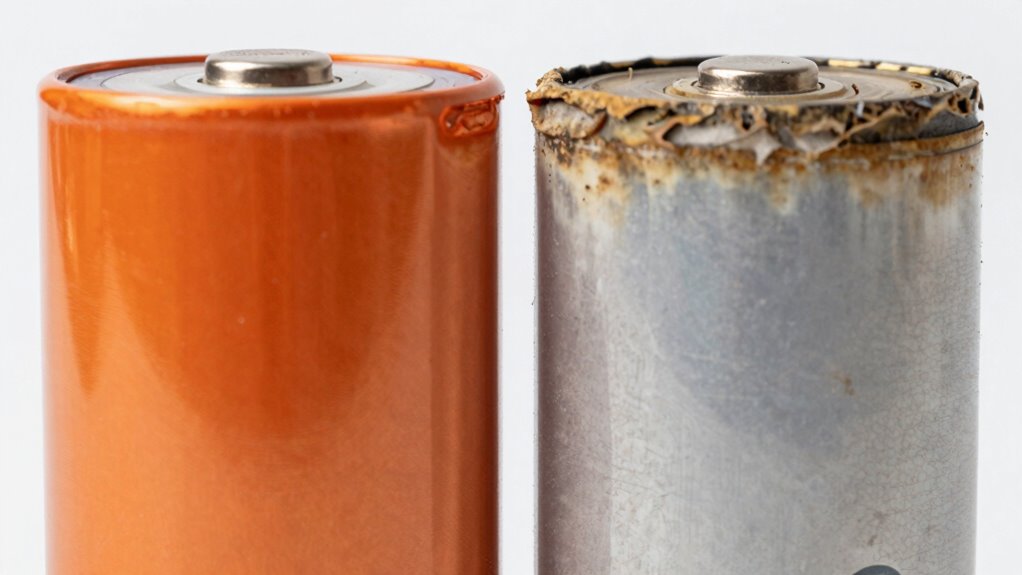

Battery aging happens gradually due to chemical changes inside your battery over time, reducing its overall capacity even if you don’t use it. Cycle wear occurs from repeated charge and discharge cycles, which stress internal components and accelerate capacity loss. While aging happens regardless of usage, cycle wear is directly linked to how often you charge and drain your device. To learn how these processes affect your battery and how to slow them down, continue exploring these differences.

Get backup power and energy gear delivered free — and shop member deals
- Fast, free delivery on millions of items
- Access to Prime Big Deal Days deals on October 6–7
- Prime Video, Amazon Music and more included
Key Takeaways
- Battery aging involves chemical changes reducing capacity over time, regardless of usage, while cycle wear results from repeated charge/discharge cycles.
- Aging decreases overall capacity due to internal chemical reactions, whereas cycle wear causes capacity loss mainly from stress during charge cycles.
- Aging occurs even when the device is not in use, but cycle wear accumulates with each full charge/discharge cycle.
- Proper maintenance can slow chemical aging, but it cannot be fully prevented; cycle wear can be minimized by avoiding full charges and deep discharges.
- Both processes lead to reduced battery performance, but aging is chemical-based decline, while cycle wear relates to physical stress from cycling.
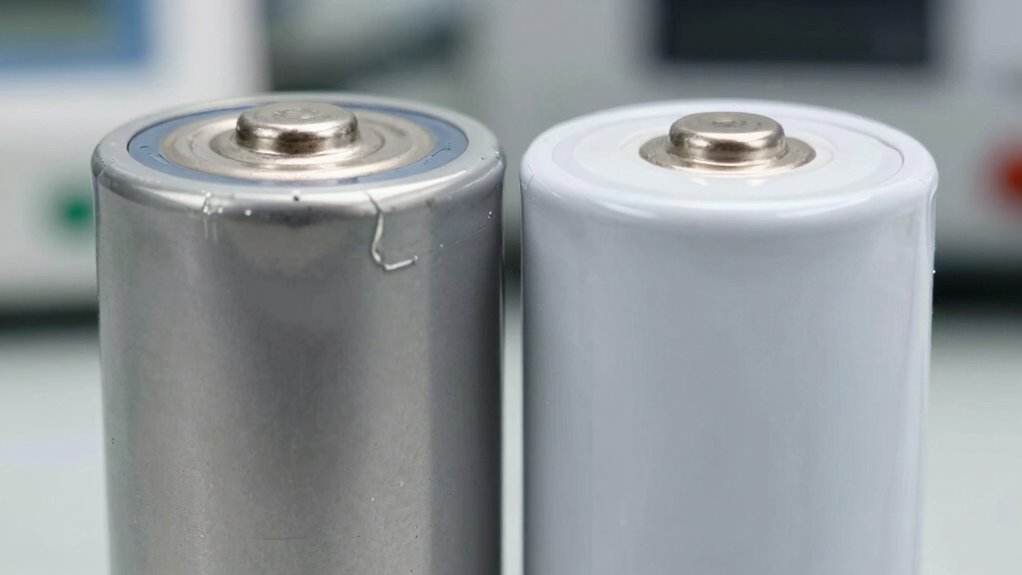
Understanding the difference between battery aging and cycle wear is crucial if you want to maximize your device’s battery life. These two factors influence how your battery performs over time, but they come from different processes. Battery aging is a gradual decline in capacity caused by chemical changes within the battery, often related to its battery chemistry. As your battery ages, it can’t hold as much charge, leading to shorter usage times. On the other hand, cycle wear results from the repeated process of charging and discharging—known as charge cycles—which gradually degrade the internal components. Recognizing how these two elements differ helps you take better care of your device’s battery. Battery chemistry plays a significant role in how quickly your battery ages. Modern lithium-ion batteries, common in smartphones and laptops, contain chemical compounds that respond to repeated charge and discharge cycles. Over time, these chemical reactions cause the battery’s capacity to diminish, even if you’re not actively using the device. This aging process occurs regardless of how carefully you handle your device, but it can be slowed down with proper maintenance. For example, avoiding extreme temperatures and not constantly charging your battery to 100% can help prolong its lifespan. Additionally, understanding the impact of battery health can guide you in implementing maintenance routines that extend your device’s usable life. Being aware of charge cycle limits allows you to better plan your charging habits and avoid unnecessary wear. It’s also helpful to monitor your battery’s performance trends to better understand when it might need servicing or replacement. Managing how often you fully charge or drain your battery can also influence **cycle wear**—by being mindful of your charging habits, you can reduce unnecessary stress on the internal components. The more charge cycles your battery undergoes, the closer it gets to its end of life. This wear manifests as reduced capacity, meaning your device can’t last as long on a single charge. It’s worth noting that partial charges count as fractions of a cycle—for instance, charging from 50% to 100% counts as half a cycle. Managing your charging routines by keeping your battery between 20% and 80% prevents unnecessary full cycles and extends its overall lifespan. While both battery aging and cycle wear impact your device’s battery health, understanding their differences allows you to make smarter choices. You can’t completely stop aging, since chemical processes are inevitable, but you can reduce cycle wear by being mindful of your charging habits. Avoiding frequent full charges and not letting your battery drain completely can substantially extend your battery life. Recognizing the influence of battery chemistry on aging helps you understand why certain care routines work better than others. Ultimately, a combination of proper charging practices and awareness of your battery’s chemistry can help you get the most out of your device’s battery for as long as possible.
lithium-ion battery health monitor
As an affiliate, we earn on qualifying purchases.
As an affiliate, we earn on qualifying purchases.
Frequently Asked Questions
Can Battery Aging Be Reversed or Slowed Down?
Battery aging can’t be fully reversed, but you can slow it down through proper aging mitigation techniques. Regularly avoiding extreme temperatures, not letting your battery drain completely, and using battery calibration can help maintain its health longer. Battery restoration methods like software updates or calibration tools may temporarily improve performance, but they won’t stop aging. By adopting these habits, you extend your battery’s lifespan and keep it functioning at its best for a longer period.
How Does Temperature Affect Battery Cycle Wear?
Higher temperatures accelerate battery cycle wear by increasing thermal degradation, which damages internal components. Temperature fluctuations cause expansion and contraction inside the battery, stressing its structure and reducing lifespan. When you expose your device to heat, you speed up cycle wear, leading to faster capacity loss. To prolong your battery’s life, keep it in a cool, stable environment, avoiding excessive heat and rapid temperature changes.
Is There a Way to Prevent Battery Aging Entirely?
You can’t prevent battery aging entirely, but you can extend its lifespan through proper battery preservation. Avoid exposing your device to extreme temperatures, overcharging, or deep discharges. Many aging myths suggest you need to drain batteries completely—this isn’t true. Instead, keep your battery charged between 20-80%, use optimized settings, and store devices correctly when not in use. These habits help slow aging, but some natural decline is inevitable over time.
Do Different Battery Chemistries Age Differently?
Yes, different battery chemistries age differently because of their unique battery composition and chemical stability. For example, lithium-ion batteries with lithium cobalt oxide tend to degrade faster than those with lithium iron phosphate, which are more chemically stable. You’ll notice that some chemistries handle repeated charging cycles better, extending their lifespan. Understanding these differences helps you choose batteries that last longer based on their chemical makeup and stability.
How Do Software Updates Impact Battery Health Over Time?
You might be surprised to learn that over 80% of users notice improved battery life after software updates. These updates often include battery calibration and firmware optimization, which help your device better manage power usage. By improving how the battery’s health is monitored and optimizing the charging process, software updates can slow down aging and extend your battery’s lifespan over time, ensuring you get the most out of your device.
As an affiliate, we earn on qualifying purchases.
Conclusion
Think of your battery like a garden. Aging is the slow, steady growth of weeds over time, gradually reducing its importance. Cycle wear, on the other hand, is like harvesting the same fruit repeatedly—each use slightly diminishes its future harvest. Understanding this difference helps you care for your battery better. Just as a gardener weeds and replenishes, you can extend your battery’s life by managing both aging and cycle wear effectively.
As an affiliate, we earn on qualifying purchases.
battery capacity tester for devices
As an affiliate, we earn on qualifying purchases.
As an affiliate, we earn on qualifying purchases.
Fall Picks
fall essentials
As an affiliate, we earn on qualifying purchases.