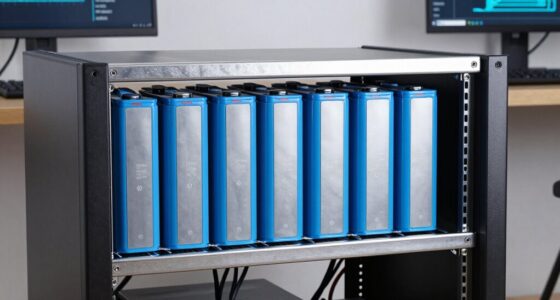

Round trip efficiency shows how well your energy storage system captures and releases power in real life. It measures the energy you put in versus what you get out, accounting for losses during charging and discharging. Higher efficiency means less energy is wasted, saving you money and helping your system last longer. Keep in mind that factors like battery degradation and internal resistance can lower efficiency over time. To understand how these affect your setup, continue exploring the details below.
Key Takeaways
- It measures how effectively a battery stores and delivers energy with minimal losses during charge and discharge cycles.
- Higher efficiency means less energy is lost, leading to lower energy costs and better system performance.
- Energy losses increase over time due to battery degradation and internal resistance, affecting long-term efficiency.
- Low round trip efficiency in renewable systems results in more energy waste and higher reliance on additional energy sources.
- Monitoring efficiency helps optimize system design, maintenance, and lifespan, ensuring reliable energy storage and use.
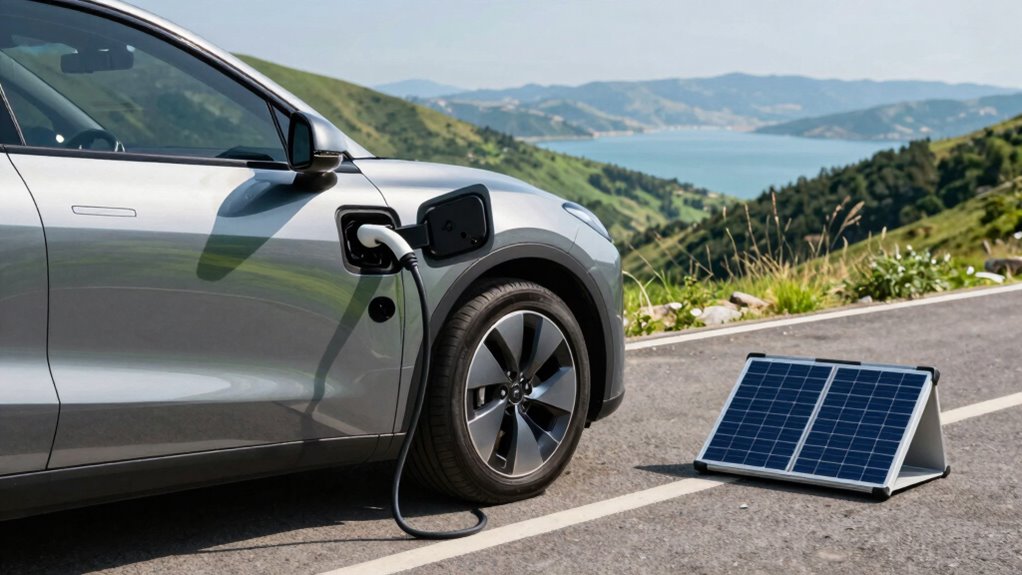
Round trip efficiency is a crucial measure of how effectively a battery or energy storage system can store and deliver power. It tells you how much energy you put into the system compared to what you get out when you need it. If your system has high round trip efficiency, less energy gets lost during the process. Conversely, if efficiency is low, more energy is lost, meaning you’re not getting as much usable power back as you invested upfront. This loss of energy, known as energy loss, happens naturally during each charge and discharge cycle. It’s important to understand because it impacts how well your system performs over time and how much energy you need to store initially.
Battery degradation plays a significant role in round trip efficiency as well. Over time, batteries wear out, and their ability to hold and deliver energy diminishes. This degradation causes increased energy loss during each cycle, reducing overall efficiency. As the battery ages, you might notice that you need to charge it more often or that it doesn’t deliver the same amount of power as it used to. This isn’t just a matter of the battery’s capacity shrinking; it also reflects how internal resistance and chemical changes affect the system’s energy flow. The increased internal resistance leads to more energy being lost as heat, which further decreases the efficiency of the entire system. Additionally, understanding battery degradation can help you plan for replacements and optimize your energy management over time. Recognizing how internal resistance impacts performance is essential for selecting batteries with better long-term performance. Recognizing the impact of energy loss on system efficiency can guide you in designing more effective energy storage solutions.
In real-life applications, these factors matter a lot. For example, if you’re using a battery for solar energy storage, low round trip efficiency means more energy from your solar panels gets wasted. Over time, battery degradation can compound this problem, requiring you to invest in replacements or upgrades sooner than planned. The energy loss not only affects your energy bills but also impacts the sustainability of your system. More energy loss translates to needing more renewable energy input to meet your demand, which can be a drawback if resources are limited or expensive. By understanding these energy flow dynamics, you can make smarter decisions about your energy system’s design and maintenance.
Understanding the interplay between battery degradation and energy loss helps you better manage your energy systems. You can choose batteries with higher efficiency ratings and plan maintenance or replacement schedules to minimize efficiency drops. Recognizing how these factors influence overall performance ensures you’re optimizing your energy storage and making smarter investment decisions. Ultimately, keeping an eye on round trip efficiency helps you get the most out of your energy storage system, reducing waste and maximizing reliability.
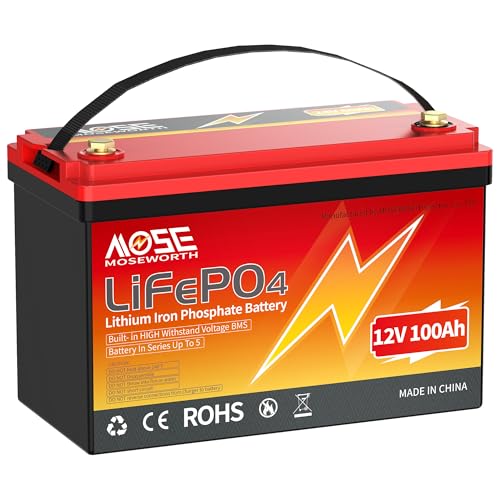
12V 100Ah LiFePO4 Lithium Battery – Built-in 100A BMS, Low-Temp Protection,15000+ Cycles -Grade A Lithium Iron Phosphate Battery cells, Rechargeable Battery for Trolling Motor, RV, Boat/Marine, Solar
- BMS with Triple Protection: Overcharge, discharge, short circuit, overheating protection
- Low & High Temp Protection: Operates safely in extreme temperatures
- Fast Charging & Compact Size: Charges in 2 hours, fits most applications
As an affiliate, we earn on qualifying purchases.
As an affiliate, we earn on qualifying purchases.
Frequently Asked Questions
How Does Temperature Affect Round Trip Efficiency?
Temperature critically impacts your round trip efficiency, as higher temperatures can cause thermal management challenges, increasing energy losses during charging and discharging. Conversely, very low temperatures can reduce battery performance, also lowering efficiency. To optimize your system, focus on temperature optimization strategies that keep batteries within ideal thermal ranges. Proper thermal management ensures minimal energy waste, maintaining high round trip efficiency regardless of external conditions.
What Are Common Causes of Efficiency Loss?
Did you know that inefficient charging cycles can reduce battery life by up to 20%? Common causes of efficiency loss include repeated charging cycles, which cause wear and tear, and poor energy management, leading to energy leakage. Temperature fluctuations also play a role, but focusing on proper charging practices and optimizing energy management can considerably improve your system’s round trip efficiency, saving you energy and extending battery lifespan.
How Can Efficiency Be Improved in Real-World Use?
You can improve efficiency in real-world use by focusing on energy conservation and power optimization. Regular maintenance guarantees your system runs smoothly, reducing losses. Use smart controls to manage energy flow effectively, minimizing waste. Upgrading to higher-quality components also helps, as they operate more efficiently. By adopting these practices, you maximize round trip efficiency, save energy, and enhance overall system performance, making your setup more sustainable and cost-effective.
Does Battery Size Influence Round Trip Efficiency?
Yes, battery size influences round trip efficiency. Larger batteries with greater capacity can store and deliver energy more effectively, reducing losses during charge and discharge cycles. Additionally, charging speed plays a role; faster charging can sometimes cause more energy loss, lowering efficiency. If you choose a battery with a *ideal* capacity and appropriate charging speed, you’ll likely see improved round trip efficiency, making your energy use more effective overall.
How Does Age Impact Battery Efficiency?
As your battery ages, its efficiency decreases because of energy degradation over time. You’ll notice a shorter battery lifespan, meaning it can’t hold or deliver energy as effectively as when it was new. This decline impacts round trip efficiency because more energy is lost during storage and retrieval. Regular use, temperature, and charging habits influence how quickly your battery’s efficiency drops, so maintaining proper care can help prolong its peak performance.
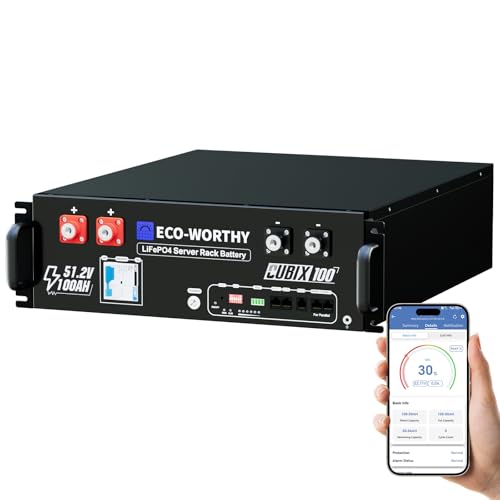
ECO-WORTHY Cubix100 48V 100Ah LiFePO4 Lithium Battery w/Bluetooth | UL9540 & UL1973 & CEC Listed | 5120Wh Server Rack Battery for Solar Energy Storage, Home Backup Power
- Safety Certifications: UL9540, UL1973, CEC listed
- Advanced Communication: Built-in Bluetooth, WiFi, CAN/RS485 interfaces
- Smart Monitoring: Monitor via ECO-WORTHY app
As an affiliate, we earn on qualifying purchases.
As an affiliate, we earn on qualifying purchases.
Conclusion
So, now that you understand what round trip efficiency really measures, imagine what it could mean for your energy use and savings. But here’s the twist—there’s more to uncover about how this efficiency impacts your daily life and the future of sustainable tech. Are you ready to explore the hidden truths behind those numbers and discover how they could change everything you thought you knew? Stay tuned, because the real story is just beginning.

Trojan 31-AES 12V Advanced Energy Storage Deep-Cycle Battery, Renewable Energy, Backup Power, Off-Grid Use (Pack of 2)
- Voltage and Type: 12V Deep-Cycle AGM Battery
- Maintenance-Free: Sealed design with no watering needed
- Durability: Vibration and shock resistant for tough environments
As an affiliate, we earn on qualifying purchases.
As an affiliate, we earn on qualifying purchases.

Victron Energy Smart Battery Shunt – Battery Monitor – 6.5V-70V, 300A
- App-Based Battery Insights: Real-time data and alerts via VictronConnect app
- High-Precision Shunt: Accurate measurement of charge and voltage
- Comprehensive Battery Data: Tracks SOC, voltage, current, cycles, and more
As an affiliate, we earn on qualifying purchases.
As an affiliate, we earn on qualifying purchases.