

To guarantee safe battery charging for backup systems, you should use the right charger compatible with your battery type and follow proper protocols. Avoid overcharging or undercharging, as both can damage the battery and compromise safety. Regular monitoring, temperature control, and maintenance help extend battery life and keep your system reliable. By managing environmental factors and sticking to best practices, you can prevent failures and maximize performance—if you want to discover more, keep exploring these essential tips.
Play games included with Prime
Start a Prime free trial and play with Amazon Luna on your devices.
As an affiliate, we earn on qualifying purchases.
Key Takeaways
- Use chargers compatible with your battery’s specifications to prevent overcharging or undercharging.
- Regularly monitor charging systems with smart technology to ensure optimal and safe charge levels.
- Maintain proper temperature and environmental conditions to protect battery health during charging.
- Follow manufacturer guidelines for charging protocols to extend battery lifespan and prevent failures.
- Conduct routine inspections and maintenance to identify early signs of wear and ensure system reliability.
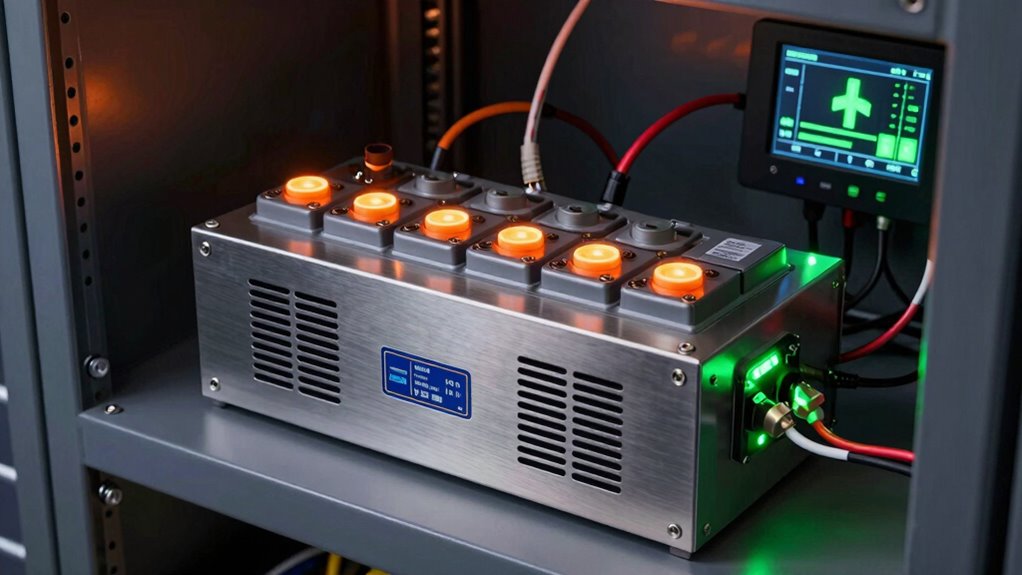
Ensuring safe battery charging is fundamental for the reliable operation of backup systems. When you focus on maintaining proper charging practices, you extend the battery lifespan and reduce the risk of failures. The key lies in understanding the right charging protocols and how they influence your system’s overall health. Batteries are sensitive components, and improper charging can lead to diminished capacity, shorter lifespan, or even dangerous conditions like overheating or leaks. That’s why implementing correct charging protocols is essential to keep your backup system running smoothly and safely.
You need to be aware that not all chargers are created equal. Using a charger that’s incompatible or doesn’t match the battery’s specifications can cause overcharging or undercharging. Overcharging is particularly harmful because it stresses the battery cells, accelerates degradation, and can lead to thermal runaway. Conversely, undercharging prevents the battery from reaching its full capacity, which compromises your backup system’s readiness when you need it most. To avoid these issues, always select chargers designed specifically for your battery type and follow the manufacturer’s recommendations. Proper charging protocols guarantee that the battery receives the right amount of current and voltage at the correct times, promoting peak performance and longevity.
Monitoring is another critical aspect. Implementing smart charging systems that automatically regulate current flow and cut off when fully charged helps prevent damage caused by human error. These systems can adjust charging rates based on the battery’s condition, temperature, and charge level, keeping your batteries safe during the entire process. Additionally, maintaining consistent charging routines, such as avoiding partial charges or prolonged overcharging, supports the health of your battery over time. Regularly inspecting and testing your batteries can also identify early signs of wear, allowing you to intervene before problems escalate. Recognizing the importance of proper maintenance procedures can significantly extend your battery’s life and performance. Incorporating advanced monitoring technology can further enhance your ability to maintain optimal charging conditions and prevent damage.
Temperature control plays a significant role in safe charging. Charging batteries at extreme temperatures—either too hot or too cold—can impair chemical reactions inside the cells, shortening their lifespan. Always ensure your backup system’s environment remains within the recommended temperature range. Proper ventilation and climate control can help keep batteries in the best conditions, reducing stress during charging cycles. Understanding charge management and how it impacts battery health is crucial for maintaining optimal performance over time. Moreover, adopting temperature regulation strategies can further protect batteries from environmental stressors, ensuring consistent operation and longevity. Proper environmental controls not only extend battery life but also enhance overall system reliability.
As an affiliate, we earn on qualifying purchases.
Frequently Asked Questions
How Often Should Backup Batteries Be Inspected for Safety?
You should inspect your backup batteries at least once every three to six months to guarantee safety. Regular battery maintenance involves checking for corrosion, leaks, or swelling, which can indicate problems. Inspection frequency depends on usage and environmental conditions; in harsher environments, more frequent checks are recommended. Staying proactive helps prevent failures and extends your battery’s lifespan, keeping your backup system reliable when you need it most.
Can Overcharging Damage Backup Batteries Long-Term?
Yes, overcharging can damage your backup batteries long-term. It accelerates battery degradation by causing excessive heat and stress, which shortens battery lifespan. Using proper charging techniques, like maintaining the correct voltage and current levels, helps prevent this. Regularly monitoring your batteries and avoiding overcharging guarantees they stay healthy longer, providing reliable backup power when needed. Proper charging practices are essential to extend your batteries’ lifespan and performance.
What Are the Signs of a Failing Backup Battery?
When your backup battery starts whispering warning signs, it’s like a fading melody. You’ll notice diminished battery lifespan, meaning it won’t hold charge like before. Frequent charging cycles can accelerate this decline, causing it to weaken faster. Watch for longer startup times, reduced runtime during outages, or swelling and leaks. These signs tell you your battery’s health is declining, urging you to replace it before it leaves you in the dark.
Are There Specific Environmental Conditions That Affect Battery Safety?
Environmental conditions considerably impact battery safety. You should be aware of environmental hazards like excessive moisture, heat, or cold, which can cause damage or reduce battery lifespan. Proper temperature regulation is essential; high temperatures can lead to overheating and potential fires, while cold temperatures can diminish performance. Make sure your backup system is installed in a well-ventilated, climate-controlled environment to minimize risks and keep your batteries operating safely and efficiently.
How Do I Safely Dispose of Old Backup Batteries?
Disposing of old backup batteries isn’t just a task—it’s a mission to save the planet! Always take them to a certified battery recycling center, as improper disposal can turn them into hazardous waste that pollutes our environment. Never throw batteries in the trash or burn them. By recycling properly, you help prevent dangerous chemicals from leaking and keep hazardous waste out of landfills, making a real difference.
As an affiliate, we earn on qualifying purchases.
Conclusion
Think of your backup battery as a delicate garden that needs just the right amount of water—too much or too little can do harm. I once saw a neighbor overcharge his system, and it ended up damaging the batteries, much like overwatering a plant. By following safe charging practices, you protect your investment and keep your backup system reliable when you need it most. Remember, proper care turns a fragile setup into a resilient safeguard.
lead acid battery maintenance kit
As an affiliate, we earn on qualifying purchases.
As an affiliate, we earn on qualifying purchases.
temperature-controlled battery charger
As an affiliate, we earn on qualifying purchases.
As an affiliate, we earn on qualifying purchases.
NFL season / tailgating Picks
team gear
As an affiliate, we earn on qualifying purchases.