
Many new EV owners think charging is just about plugging in and going. They often overlook how their habits impact energy bills, battery health, and the grid. Charging during peak hours or leaving the car plugged in longer than needed wastes energy and costs more. Understanding your battery capacity and setting your charger accordingly can save money and extend battery life. Keep paying attention to your habits, and you’ll discover more ways to charge smarter and save.

Get backup power and energy gear delivered free with Prime
- Fast, free delivery on millions of items
- Prime Video, Amazon Music and more included
- Member-only deals all year
Key Takeaways
- Many new owners overcharge their batteries, wasting energy and increasing costs without understanding optimal capacity limits.
- New EV owners often neglect to monitor electricity rates, missing opportunities to charge during off-peak, cost-saving hours.
- Inexperienced owners may leave their cars plugged in longer than necessary, leading to energy waste and potential battery degradation.
- New owners frequently ignore the importance of adjusting charging speeds and routines based on actual driving needs.
- Many underestimate the impact of charging habits on the electrical grid, inadvertently contributing to peak demand issues.
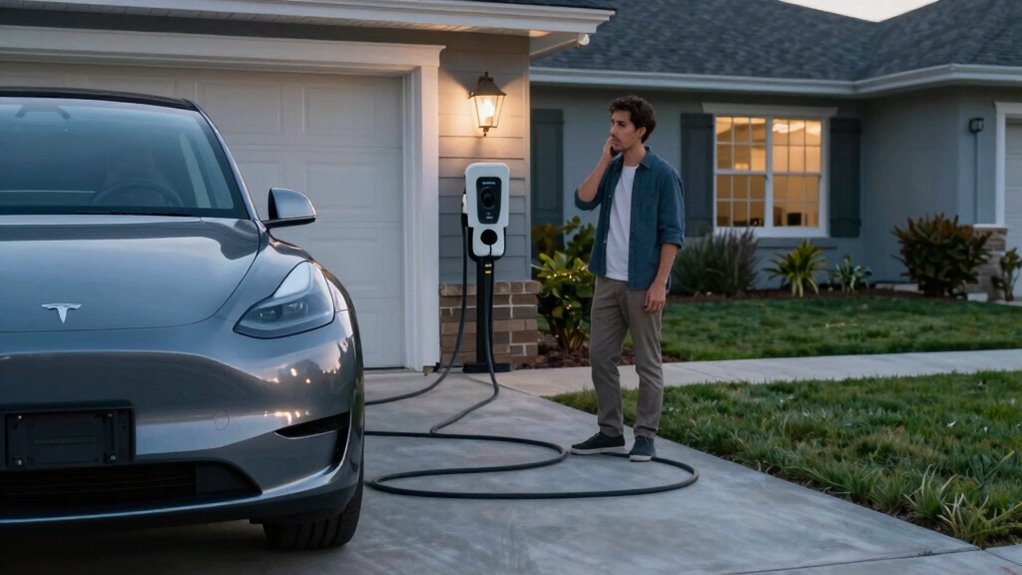
Many owners overlook the importance of charging etiquette, especially if they live in shared spaces or have neighbors with EVs. Simple courtesies, like avoiding charging during peak electricity hours or not leaving your vehicle plugged in longer than necessary, can foster good neighborly relations. For example, unplugging your car once it’s fully charged prevents wasting energy and ensures others can use the charging station when needed. If you have a dedicated home charger, it’s also considerate to avoid setting it to full speed during times when electricity demand is high, as this can strain the grid and increase costs. Being mindful of your charging habits not only helps conserve energy but also promotes a respectful community environment. Additionally, understanding your battery capacity helps you plan your charging schedule more effectively, ensuring you’re not over- or under-charging based on your specific driving needs. Knowing the electricity consumption of your charger can help you optimize your charging routine and reduce unnecessary energy use. Regularly checking your charger settings can further ensure efficiency and prevent overuse. Monitoring your charging patterns and adjusting them based on your actual usage can help you avoid waste and keep your energy costs manageable. Furthermore, being aware of your electricity rates can help you choose the most cost-effective times to charge, reducing your overall expenses. Always monitor your battery capacity and adapt your charging routine accordingly, rather than blindly relying on automatic settings or assuming full capacity is always necessary.
As an affiliate, we earn on qualifying purchases.
Frequently Asked Questions
Can I Use My Existing Outdoor Outlet for EV Charging?
Yes, you can use your existing outdoor outlet for EV charging, but you need to check its power compatibility first. Make sure it supplies enough voltage and amperage for your EV’s charger. Many outdoor outlets are suitable, but some may not handle the power load safely. It’s a good idea to consult an electrician to verify the outlet’s capacity and confirm it meets safety standards before plugging in your EV.
How Long Does a Typical Home Charging Installation Take?
A typical home charging installation takes about one to three days, depending on your home’s electrical setup. You’ll need a dedicated charging station installed, which involves evaluating your power capacity and possibly upgrading your electrical system. The process includes permits, wiring, and testing. Factors like existing electrical capacity and the charger type influence the timeline, so working with a professional guarantees a smooth, efficient installation tailored to your home’s power capacity.
Is a Dedicated Circuit Necessary for a Level 2 Charger?
A dedicated circuit isn’t just recommended—it’s essential for your safety and your charger’s longevity. Without it, you risk electrical safety hazards and potential damage. While installing a dedicated circuit might seem costly upfront, it actually saves you money in the long run by preventing costly repairs. For a Level 2 charger, this dedicated setup ensures maximum performance, safety, and peace of mind, making your home charging both reliable and secure.
Will Home Charging Increase My Electricity Bill Significantly?
Home charging might increase your electricity bill, but it typically won’t be significant. The cost implications depend on your vehicle’s energy consumption and how often you charge. If you plug in daily, expect a moderate rise, similar to running appliances or HVAC. To manage costs, consider using energy-efficient chargers and charging during off-peak hours. Monitoring your energy use can also help you stay within budget while enjoying the benefits of at-home EV charging.
Do I Need Special Wiring or Permits for Home EV Charger Installation?
You’ll likely need a dedicated circuit and possibly permits for your home EV charger, ensuring charging safety and protecting your battery’s longevity. Think of it as giving your car a safe highway to juice up, avoiding electrical traffic jams. Consulting a licensed electrician guarantees proper wiring and code compliance, making your setup both secure and efficient. This way, you keep your EV’s health intact and your home safe from electrical mishaps.
As an affiliate, we earn on qualifying purchases.
Conclusion
Getting the hang of home charging might feel like exploring a new frontier, but it’s simpler than you think—think of it as your trusty horse waiting at the stable. Remember, not everything is a race or a quest; patience and knowledge will serve you well. As you settle in, you’ll see that charging your EV at home isn’t a wild adventure, but rather a reliable, everyday part of your modern journey.
As an affiliate, we earn on qualifying purchases.
As an affiliate, we earn on qualifying purchases.
Halloween Picks
halloween
As an affiliate, we earn on qualifying purchases.