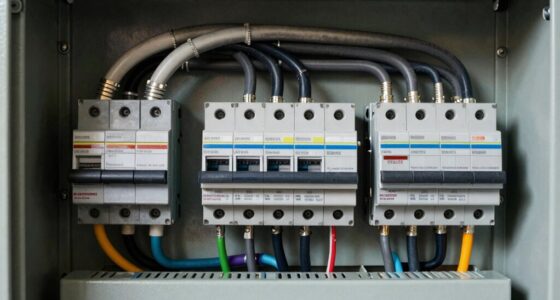

In real homes, continuous loads are devices or systems that run for three hours or more, like refrigerators, sump pumps, or certain lighting. They impact your electrical system by increasing overall demand and can cause overloads if not properly calculated. Proper planning guarantees your wiring and breakers can handle these loads safely, preventing hazards. If you want to understand how continuous loads affect your home’s safety and efficiency, keep exploring for helpful insights.

Get backup power and energy gear delivered free with Prime
- Fast, free delivery on millions of items
- Prime Video, Amazon Music and more included
- Member-only deals all year
Key Takeaways
- Continuous loads are appliances or devices that operate for three hours or more, affecting overall electrical demand.
- Properly accounting for continuous loads prevents circuit overloads and electrical fires in homes.
- Load calculations must include continuous loads to ensure wiring and breakers are adequately rated.
- Failing to consider continuous loads can lead to frequent breaker trips and system safety hazards.
- Consulting electricians helps ensure continuous loads are properly managed for safe, reliable home electrical systems.
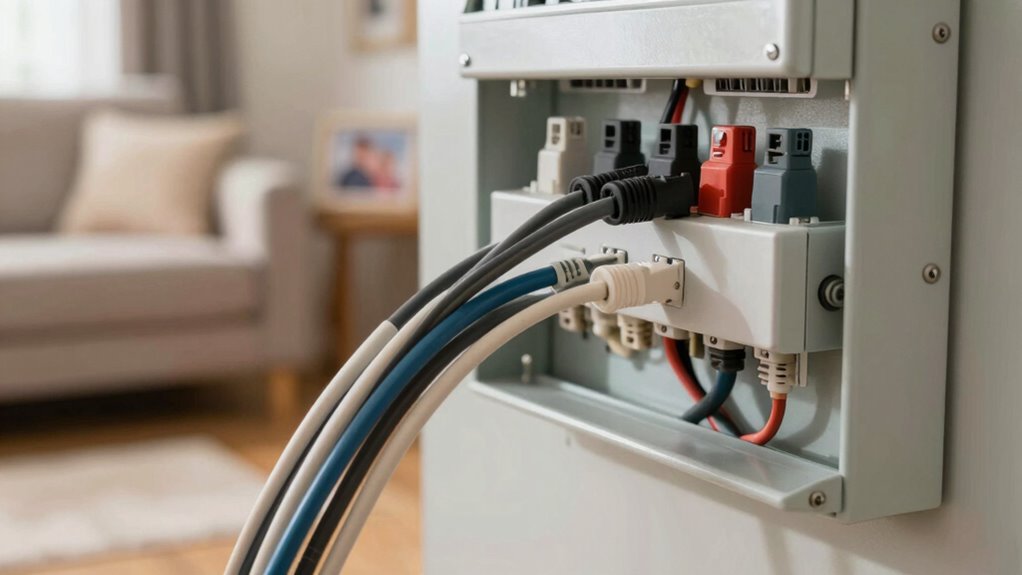
Have you ever wondered how continuous loads impact your home’s electrical system? These loads, which keep running for three hours or more, are common in many households. Think of things like your refrigerator, sump pump, or even certain lighting setups. While they might seem simple, understanding how they affect your electrical system is essential for maintaining electrical safety and avoiding overloads. Proper load calculation becomes critical here because it determines whether your home’s wiring and circuit breakers can handle the consistent power draw without risking damage or fire hazards.
Continuous loads running over three hours impact your home’s electrical safety and require proper load calculation to prevent overloads and hazards.
When you add continuous loads to your electrical system, it’s important to account for them during load calculation. This process involves summing up all the electrical demands of your appliances and fixtures, paying special attention to those that run continuously. If you overlook this, you might underestimate the total load, leading to potential circuit overloads. Overloading not only causes frequent breaker trips but also creates significant safety risks, such as overheating wires or electrical fires. That’s why understanding the nature of continuous loads and how they contribute to your overall electrical demand is key to maintaining electrical safety. Properly considering continuous load calculation ensures your system is appropriately rated for ongoing demands.
Your home’s electrical system is designed with safety margins, but these are based on standard load assumptions. When you handle continuous loads, you need to make sure that your system can sustain these demands over time. This often means choosing the right circuit breakers, wiring sizes, and protective devices that can handle the sustained current. Failing to do so may result in degraded wiring or breaker failure, both of which compromise electrical safety. Proper load calculation isn’t just about adhering to electrical codes; it’s about creating a safe environment where your appliances operate reliably, and your family is protected from electrical hazards. Incorporating load diversity considerations can further optimize your system’s safety and efficiency.
In practice, this means consulting with a qualified electrician who can perform detailed load calculations tailored to your household. They’ll evaluate all the continuous loads and ensure your wiring and breaker panels are appropriately rated. Additionally, understanding continuous loads can help you better plan your electrical system for future upgrades or additions. This proactive approach minimizes risks and promotes energy efficiency. Remember, continuous loads are an integral part of your home’s electrical demands, and ignoring their impact can lead to costly repairs or safety incidents down the line. Proper load calculation also helps prevent overcurrent situations that can damage your electrical components and compromise safety. By understanding and properly managing these loads through careful load calculation, you’re taking a critical step toward maintaining electrical safety and ensuring your home’s electrical system functions smoothly and safely for years to come.
home circuit breaker for continuous loads
As an affiliate, we earn on qualifying purchases.
As an affiliate, we earn on qualifying purchases.
Frequently Asked Questions
How Do Continuous Loads Differ From Intermittent Loads?
Continuous loads run for three hours or more, unlike intermittent loads that cycle on and off. This difference impacts load management and circuit design because continuous loads require circuits rated to handle their sustained power. You need to plan circuits carefully to prevent overheating and guarantee safety. Properly managing these loads helps maintain efficient energy use and prevents overloading, especially in your home where appliances like refrigerators or heating systems operate continuously.
Are Certain Home Appliances More Likely to Be Continuous Loads?
Did you know that appliances like refrigerators and sump pumps are more likely to be continuous loads? These devices are designed for durability and run steadily, impacting your power consumption patterns. Because they operate constantly, they draw steady current, which can lead to higher energy bills over time. Understanding which appliances are continuous loads helps you manage your energy use better, ensuring your home remains efficient and safe.
How Can I Identify Continuous Loads in My Home?
To identify continuous loads in your home, start by inspecting appliances like refrigerators, HVAC systems, and lighting circuits that run for extended periods. Use load calculation methods to determine their power demands and verify your circuit breaker sizing can handle these loads safely. Check the appliance labels for wattage or amperage info, and consult a qualified electrician if you’re unsure, ensuring your wiring and breaker capacity meet the continuous load requirements.
What Safety Precautions Are Necessary for Continuous Loads?
A stitch in time saves nine, so always prioritize safety. For continuous loads, guarantee your circuit breaker ratings match the load’s demands and avoid overloading circuits. Check wiring considerations carefully to prevent overheating or fire hazards. Use dedicated circuits if necessary, and inspect regularly for wear and tear. By taking these precautions, you keep your home safe and reliable, knowing that proper planning now prevents bigger issues later.
Do Continuous Loads Affect Home Energy Efficiency?
Continuous loads can impact your home’s energy efficiency by increasing overall electricity use, which may raise your utility bills. To minimize this, focus on energy conservation strategies like using energy-efficient appliances and maintaining them properly. Regular appliance maintenance ensures they run smoothly and consume less power over time. By managing continuous loads wisely, you can reduce energy waste, save money, and make your home more sustainable.
As an affiliate, we earn on qualifying purchases.
Conclusion
Just as a steady heartbeat keeps a body alive, understanding continuous loads guarantees your home stays safe and efficient. By recognizing these constant demands—like appliances or lighting—you prevent surprises that could disrupt your sanctuary. Think of it as tending to the silent guardians of your daily life, much like the unseen roots of a mighty tree. Stay aware, stay prepared, and let your home’s hidden strength support you through every moment.
As an affiliate, we earn on qualifying purchases.
electrical load calculation tools
As an affiliate, we earn on qualifying purchases.
As an affiliate, we earn on qualifying purchases.
Halloween Picks
halloween
As an affiliate, we earn on qualifying purchases.