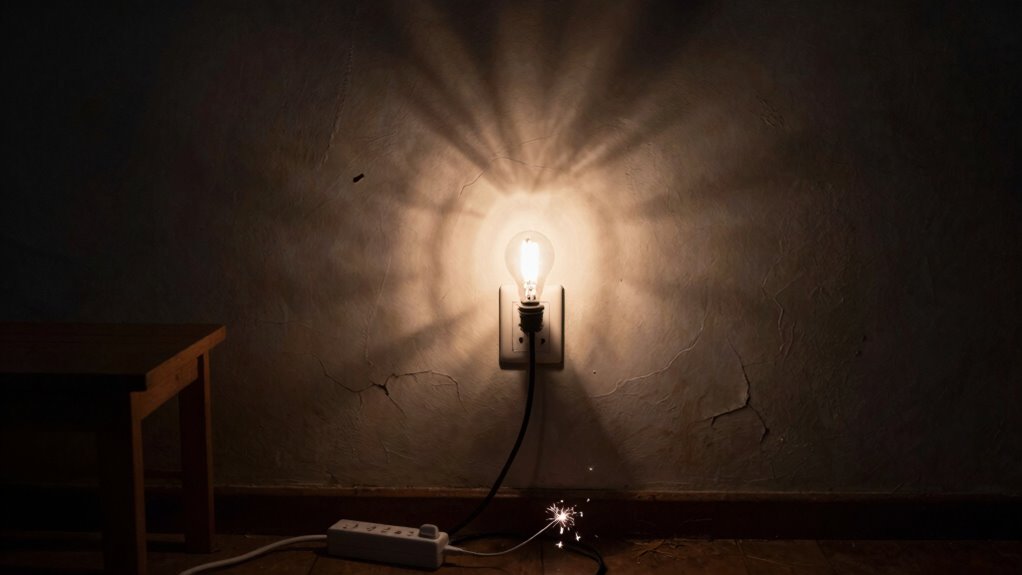

When voltage drops too much in your home circuit, your appliances may not work properly or could get damaged. Lights might flicker or dim, and devices like refrigerators and TVs might run inefficiently or stall. Over time, low voltage can cause overheating in wiring or outlets, increasing fire risks. To guarantee safety and proper function, it’s important to identify and fix voltage drops early. Keep exploring to discover how to prevent and address this common electrical issue.

Get backup power and energy gear delivered free with Prime
- Fast, free delivery on millions of items
- Prime Video, Amazon Music and more included
- Member-only deals all year
Key Takeaways
- Devices may underperform or malfunction due to insufficient power supply.
- Lights can flicker, dim, or turn off unexpectedly.
- Over time, low voltage can cause overheating and damage to electrical components.
- Persistent voltage drops increase the risk of electrical fires and safety hazards.
- Critical appliances may shut down or fail prematurely from voltage-related stress.

Have you ever noticed that some electrical devices in your home don’t work as efficiently as they should? This can often be a sign that your home circuit is experiencing a voltage drop. When voltage drops too low, it can cause appliances to underperform or even malfunction. Understanding what happens during a significant voltage drop is essential because it directly impacts electrical safety and circuit troubleshooting. If you don’t address it promptly, you risk damaging your devices or creating a dangerous situation.
Electrical devices may underperform or malfunction during a voltage drop, highlighting the importance of quick troubleshooting and safety checks.
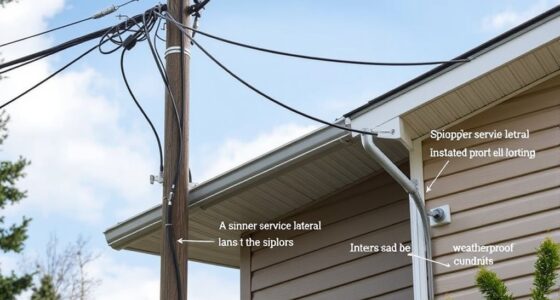
A voltage drop occurs when there’s resistance in the wires or connections between the power source and your device. The longer or thinner the wire, the higher the resistance. This resistance causes the voltage to decrease along the circuit. When voltage drops too low, your appliances don’t receive the power they need to operate correctly. For example, your refrigerator might run less efficiently, or your lights could flicker or dim. Over time, these symptoms could worsen, leading to more severe problems, including overheating wires or tripped circuit breakers. Proper wiring can help reduce resistance and prevent such issues.
Electrical safety is paramount when dealing with voltage drops. A significant drop can cause overheating in wiring or outlets, increasing the risk of electrical fires. If you notice persistent flickering lights or devices that seem unusually hot, it’s crucial to investigate immediately. Circuit troubleshooting becomes your best tool here. Start by inspecting outlets and switches for signs of damage or loose connections. You might also check for overloaded circuits—if too many devices are connected to one circuit, it can cause a voltage drop. Using a multimeter, you can measure voltage at various points in your circuit to identify where the drop is most severe. Additionally, circuit resistance can be affected by corrosion or degradation over time, further contributing to voltage issues. Regular inspections can help identify early signs of system deterioration that might lead to voltage problems.
If you find that the voltage drop is due to long wiring runs or outdated wiring, it’s wise to consult a professional electrician. They can assess whether the wiring needs upgrading or if additional outlets or circuit breakers are necessary to distribute the load better. Regular maintenance and inspection are key to preventing voltage drops from becoming dangerous or damaging your appliances. It’s also important to understand that electrical system integrity can influence voltage stability, especially in older homes. Recognizing signs of voltage fluctuation early can help prevent costly repairs and ensure your safety. Remember, electrical safety isn’t just about avoiding shocks; it’s also about ensuring your entire electrical system functions correctly without risking fire hazards.
digital multimeter for home electrical testing
As an affiliate, we earn on qualifying purchases.
As an affiliate, we earn on qualifying purchases.
Frequently Asked Questions
Can Voltage Drops Cause Electrical Fires?
Voltage drops can increase fire risk and cause wiring damage in your home. When voltage is too low, electrical devices draw more current, overheating wires and components. This excessive heat can ignite insulation or surrounding materials, leading to fires. Additionally, the strain on wiring can cause damage over time, further heightening fire hazards. To prevent this, make sure your home’s electrical system is properly maintained and address voltage issues promptly.
How Often Should I Check My Home’s Voltage Levels?
You should check your home’s voltage levels at least once every year to guarantee electrical safety. Regular voltage monitoring helps catch issues early, preventing potential hazards like fires or appliance damage. Keep in mind, studies show that over 30% of electrical problems go unnoticed without routine checks. By staying proactive, you protect your home and loved ones, maintaining safe, consistent power supply and avoiding costly repairs down the line.
Does Voltage Drop Affect Appliance Warranties?
Yes, voltage drops can affect your appliance warranties. When voltage dips, your appliances may experience electrical overloads or power surges, which can cause damage not covered under warranty. If you frequently face voltage issues, manufacturers might refuse warranty claims due to improper power supply. To protect your appliances, monitor voltage levels regularly and consider installing surge protectors or voltage regulators, ensuring your appliances stay safe and warranties remain valid.
Are Certain Appliances More Vulnerable to Low Voltage?
Certain appliances are more vulnerable to low voltage because of their sensitivity to voltage fluctuation. You’ll find that motors in refrigerators, air conditioners, and washing machines often struggle with reduced voltage, leading to overheating or damage. Small electronics like computers and TVs usually handle voltage dips better but can still experience issues. To protect your appliances, consider using surge protectors or voltage stabilizers, especially for devices with high appliance sensitivity.
Can Voltage Drops Damage My Home’s Wiring?
A stitch in time saves nine, and low voltage can indeed harm your wiring. When voltage drops, your wiring is more vulnerable to corrosion and damage, which can lead to increased resistance and overheating. This may cause your circuit breaker to trip frequently, protecting your system. Over time, persistent low voltage can weaken wiring connections, risking electrical fires and expensive repairs. Stay vigilant and have your system checked regularly.
As an affiliate, we earn on qualifying purchases.
Conclusion
When voltage drops too low in your home circuit, it’s like a dimming light in a busy room—you struggle to see clearly, and your devices can’t perform their best. The electrical current becomes a sluggish river, unable to reach every corner with enough force. This silent erosion can cause damage and inefficiency, leaving your appliances stranded like stranded ships in a fog. Keep an eye on voltage levels, or risk your home’s electrical symphony falling silent.
outlet and wiring inspection tool
As an affiliate, we earn on qualifying purchases.
As an affiliate, we earn on qualifying purchases.
electrical circuit breaker tester
As an affiliate, we earn on qualifying purchases.
As an affiliate, we earn on qualifying purchases.
Columbus Day / Indigenous Peoples' Day Picks
long weekend sales
As an affiliate, we earn on qualifying purchases.