
To keep water out and guarantee your outdoor receptacles stay powered, install them at least 18 inches above finished grade, following local codes. Use weatherproof enclosures with proper sealing to protect against rain, snow, and dirt. Make certain they’re properly grounded for safety. Proper placement balances accessibility and protection, helping prevent water damage and electrical issues. If you want to learn more about ideal installation tips, keep exploring for key insights.
Key Takeaways
- Install outdoor receptacles at least 18 inches above ground to prevent water and debris from entering.
- Use weatherproof enclosures with proper sealing to protect outlets from moisture and environmental elements.
- Ensure receptacles are properly grounded to enhance safety and reduce electrical shock risks.
- Position outlets for accessibility while minimizing exposure to water, mud, and physical damage.
- Follow local building codes and standards to ensure correct height, weatherproofing, and safety compliance.
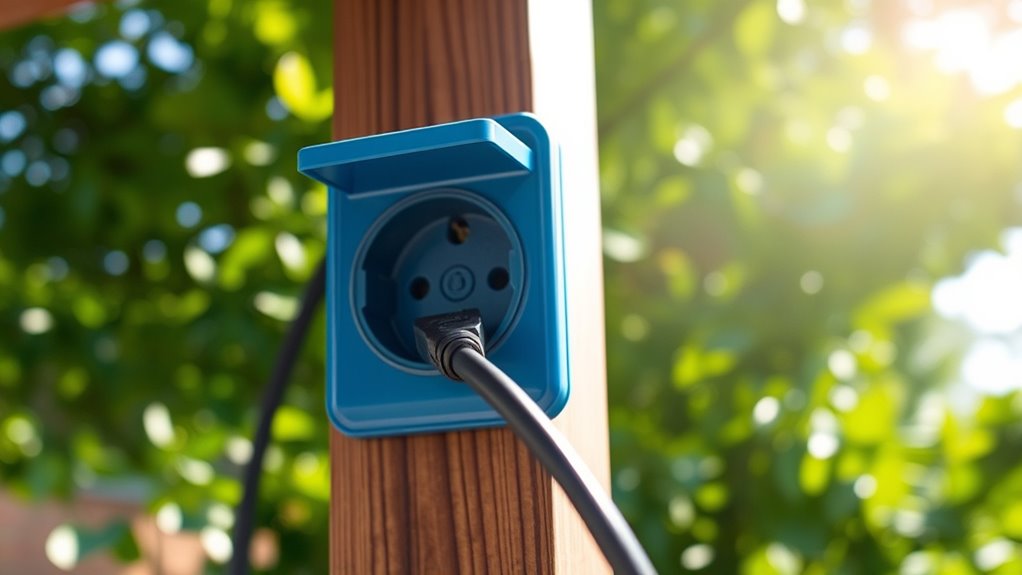
Choosing the right height for outdoor receptacles is essential for safety, convenience, and code compliance. When installing outdoor outlets, you need to consider various factors, including grounding requirements and weatherproof enclosures, to ensure your setup is both functional and safe. The correct height helps prevent water infiltration, reduces electrical hazards, and makes it easier for you to access the outlet without unnecessary bending or stretching.
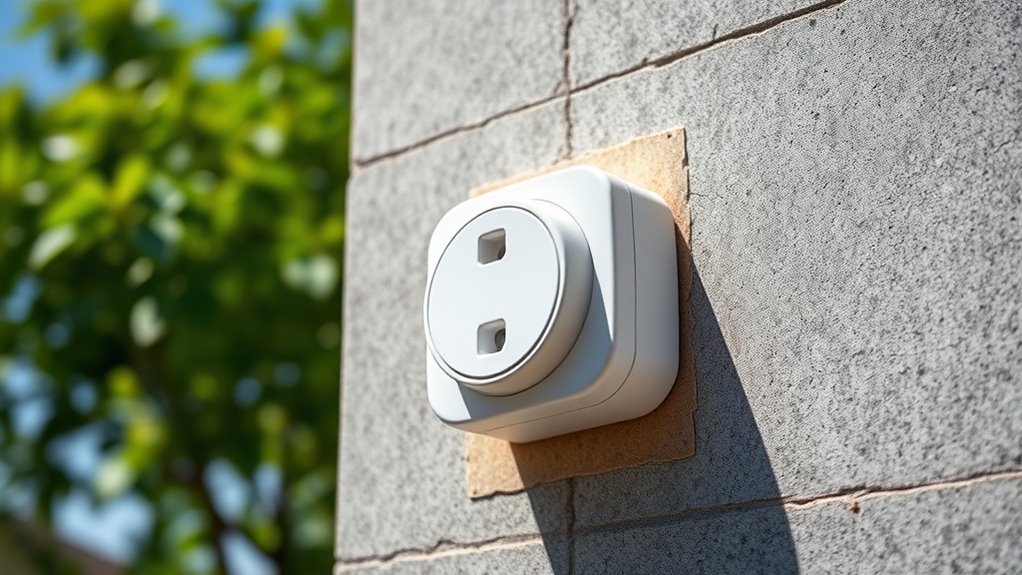
Typically, the National Electrical Code (NEC) recommends installing receptacles at least 18 inches above the finished grade. This height minimizes exposure to water, mud, and debris, helping keep the outlet dry and operational. However, if your receptacle is intended for outdoor use, it must be housed in a weatherproof enclosure. These enclosures protect the outlet from rain, snow, and dirt, which is vital for maintaining safety and preventing short circuits or electrical shocks. When choosing a weatherproof enclosure, look for one that is rated for outdoor use, with a proper gasket and sealing features to keep moisture out, regardless of weather conditions.
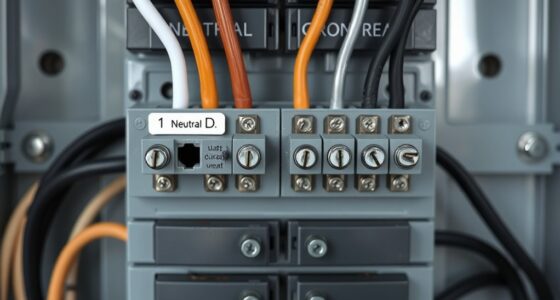
Grounding requirements are another critical aspect to consider at the right height. Ensuring that your outdoor receptacle is properly grounded not only complies with electrical codes but also enhances safety. Proper grounding helps prevent electrical shocks if a fault occurs. When installing, verify that the grounding wire is securely connected to the receptacle’s grounding terminal and that the entire system is grounded to the main electrical panel. Proper grounding, combined with weatherproof enclosures, reduces the risk of electric shock and protects your equipment.
Choosing the correct height also involves practical considerations. If your outdoor outlets are to be used for gardening, power tools, or outdoor appliances, installing them at a height that’s accessible for your needs is essential. For example, placing receptacles too low makes them vulnerable to water splashes or accidental kicks, while placing them too high might make plugging and unplugging inconvenient. Striking the right balance ensures safety, ease of use, and compliance with local codes. Additionally, understanding grounding requirements helps ensure your installation is both safe and compliant with electrical standards.
Remember that local building codes may have specific height requirements or additional safety standards, especially for outdoor installations. Always check with your local authority before starting your project. Properly installed outdoor receptacles, with the right height, weatherproof enclosures, and grounding, will provide you with reliable power while keeping water out, ensuring safety and peace of mind.
Frequently Asked Questions
What Is the Ideal Height for Outdoor Receptacles in Residential Areas?
You should install outdoor receptacles about 12 to 18 inches above ground to prevent water intrusion and guarantee wiring accessibility. Use weatherproof covers to keep out moisture during rain or snow, maintaining a safe power supply. Positioning receptacles at this height makes them easy to access while protecting the wiring from environmental damage. Always follow local electrical codes and consider consulting a professional for proper installation.
Are There Specific Height Requirements for Commercial Outdoor Outlets?
You’ll find that commercial outdoor outlets often follow stricter height requirements, typically around 18 to 24 inches, to meet safety codes. To keep water out and guarantee accessibility, you need robust weatherproofing measures and thoughtful placement. Forget the “one size fits all” approach — prioritize safety and convenience. After all, who wants a power outlet that’s a splash zone or impossible to reach? Not you, obviously.
How Does Height Affect the Safety and Durability of Outdoor Receptacles?
You should install outdoor receptacles at a height that prevents water intrusion and guarantees durability. Proper weatherproofing techniques, like waterproof covers and sealed enclosures, are essential. Additionally, grounding considerations help protect against electrical faults and improve safety. When you position receptacles correctly, you reduce exposure to water and debris, extending their lifespan. This approach keeps power reliable, minimizes damage, and maintains safety in various weather conditions.
Can Outdoor Receptacle Height Vary by Local Electrical Codes?
You should know that outdoor receptacle heights can vary by local electrical codes, which often mandate specific standards for safety. An interesting stat is that around 50% of electrical accidents happen due to improper receptacle installation. Local codes typically require weatherproof covers and ground fault protection, influencing height requirements. Always verify your area’s regulations to confirm your outdoor outlets are safe and compliant, keeping water out and power on reliably.
What Tools Are Needed to Install Receptacles at the Correct Height?
To install receptacles at the correct height, you’ll need a drill, a tape measure, and a level to guarantee proper placement. Use cable strippers to prepare the wiring and a voltage tester to confirm power is off before working. These tools help you install the receptacle safely and accurately, ensuring it’s positioned at the right height to keep water out and maintain a reliable power connection.
Conclusion
So, when you install your outdoor receptacles at the right height, you’re not just preventing water from sneaking in—you’re also ensuring your power stays on when you need it most. It’s funny how a simple detail can make such a difference, isn’t it? Just like finding a forgotten umbrella on a rainy day, the right height keeps surprises at bay, letting you enjoy your outdoor space without worry. Trust me, it’s worth the small effort.