To guarantee your electrical connection lasts for years, it’s essential to use high-quality insulation materials like rubber, PVC, or silicone that protect against moisture and environmental damage. Secure connections properly without tension or strain, and choose corrosion-resistant components like coated connectors or stainless steel. Regularly inspect and maintain fittings, address issues promptly, and apply protective coatings when necessary. Staying proactive with proper installation and care can greatly extend the lifespan of your electrical system—discover more tips to keep your system safe and durable.
Key Takeaways
- Use high-quality, durable insulation materials like rubber, PVC, or silicone to protect conductors from environmental damage.
- Employ corrosion-resistant connectors and protective coatings to prevent rust and oxidation over time.
- Ensure proper installation with tight, secure fittings and correct wiring practices to avoid mechanical stress and faults.
- Conduct regular inspections to identify and address signs of wear, corrosion, or insulation damage early.
- Incorporate sealing techniques and weatherproof components to shield connections from moisture, dust, and contaminants.
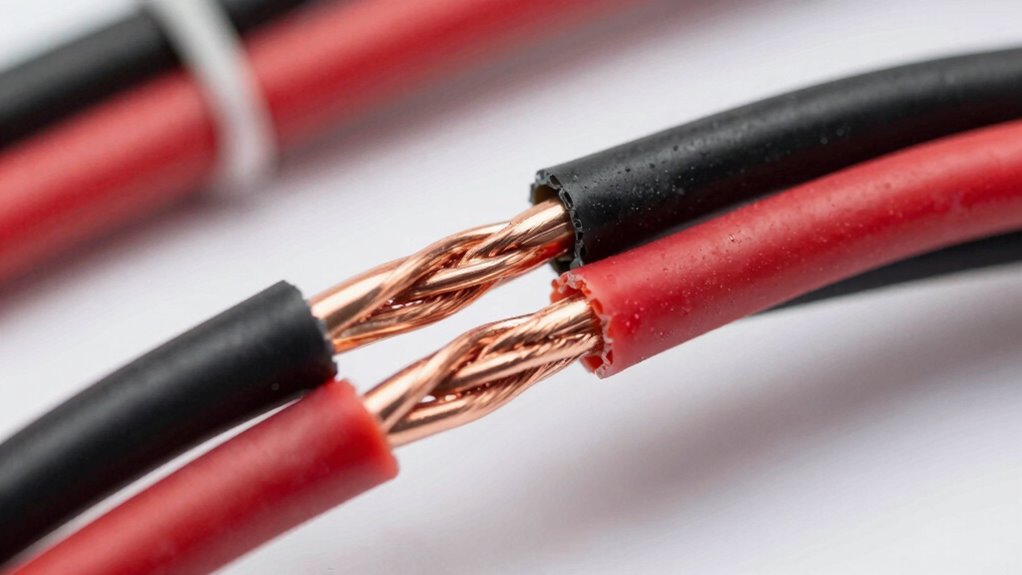
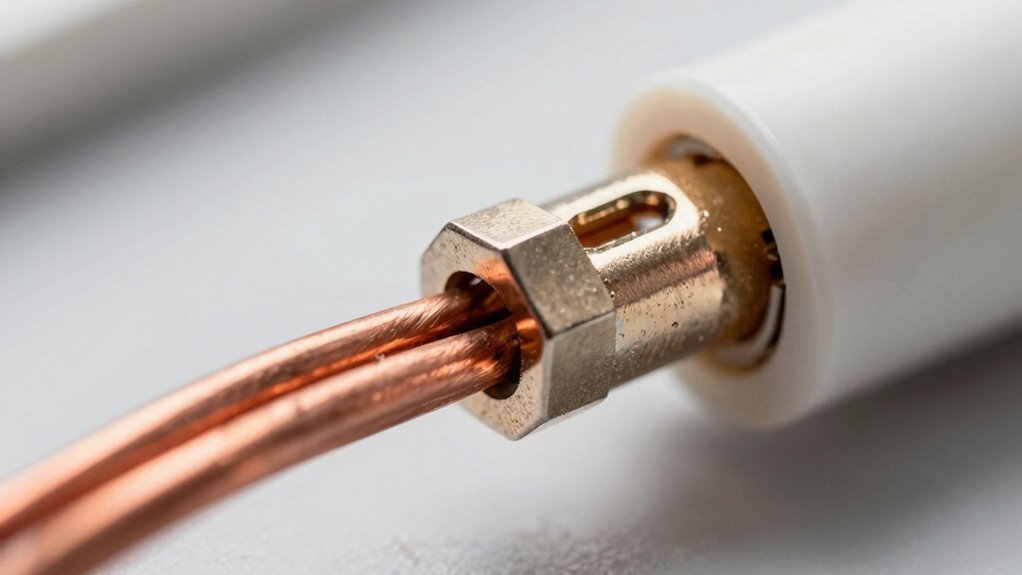
Electrical connections are a critical part of any electrical system, and their longevity directly affects safety, efficiency, and maintenance costs. When you focus on creating durable connections, paying attention to factors like wire insulation and corrosion resistance is essential. Proper wire insulation protects the conductors from external elements, preventing accidental contact or short circuits. High-quality insulation prevents moisture, dust, and other contaminants from reaching the conductive core, which helps maintain a stable connection over time. Choosing wires with durable insulation materials, like rubber, PVC, or silicone, ensures they withstand environmental stressors, such as temperature fluctuations or physical wear. This protection minimizes the risk of insulation breakdown, which could otherwise lead to electrical faults or failures.
Proper wire insulation safeguards conductors from external elements, ensuring long-lasting, safe electrical connections.
Corrosion resistance plays a vital role in extending the lifespan of your electrical connections. When you select components with good corrosion resistance, you’re safeguarding your system against rust, oxidation, and other forms of deterioration that can compromise conductivity. Exposure to moisture, chemicals, or salty environments accelerates corrosion, making it essential to use corrosion-resistant materials like coated connectors, stainless steel, or specially treated metals. Applying protective coatings or sealants can further shield vulnerable parts, especially in outdoor or humid settings. Proper installation practices, such as ensuring tight, secure connections and avoiding exposure to corrosive elements, also contribute greatly to corrosion resistance. Regular inspections, including checking for signs of corrosion or wear, help ensure ongoing protection.
In addition to using quality materials, you should regularly inspect your electrical connections. Look for signs of wear, such as frayed insulation, corrosion spots, or loose fittings. Addressing these issues promptly prevents small problems from escalating into major failures. When you tighten connections properly and use appropriate tools, you reduce mechanical stress that could weaken the connection over time. Ensuring that wires are correctly sized and that connections are free from strain or undue tension helps maintain insulation integrity and prevents premature failure. Moreover, selecting connectors designed with corrosion-resistant materials can substantially enhance the durability of your electrical system. Incorporating proper sealing techniques can also help protect connections from environmental exposure and extend their lifespan. Additionally, using quality connectors designed specifically for your application can further improve connection longevity.
Ultimately, the key to a safe electrical connection lasting for years lies in combining the right materials with diligent maintenance. Prioritizing high-quality wire insulation and corrosion-resistant components creates a strong foundation for long-term durability. When you stay proactive in your approach—regularly inspecting, maintaining, and upgrading components as needed—you greatly extend the life of your electrical system. This not only safeguards your property and people but also keeps your system running efficiently and reduces unexpected repair costs over time.

2 Rolls High Temp Wire Harness Tape (100FT Total) – OEM-Grade Automotive Cloth Fabric Tape for Engine Wiring Loom, Cable Protection & Noise Dampening
High temp Wire Harness Automotive Cloth Tape capable of withstanding harsh temperatures (-40℉ to 250℉) while delivering excellent…
As an affiliate, we earn on qualifying purchases.
As an affiliate, we earn on qualifying purchases.
Frequently Asked Questions
How Often Should I Inspect Electrical Connections for Safety?
You should inspect electrical connections at least once a year to guarantee safety. During inspections, look for signs of electrical corrosion, which can weaken connections, and tighten any loose fittings to prevent arcing or overheating. Regular checks help you catch problems early, maintaining a safe and reliable electrical system. Don’t delay these inspections, especially in humid or corrosive environments, to keep your connections lasting for years.
Can Environmental Factors Affect Electrical Connection Lifespan?
Yes, environmental factors can considerably impact your electrical connection’s lifespan. Harsh conditions like moisture and corrosion can cause deterioration, risking safety and performance. To prevent this, focus on corrosion prevention and moisture resistance through proper sealing and protective coatings. Ignoring these factors may lead to early failure, so regularly inspect and maintain connections, especially in exposed or humid environments, ensuring your electrical system stays safe and reliable for years to come.
Are There Specific Tools Recommended for Checking Connection Integrity?
For checking connection integrity, you should use tools like multimeters and connector testers. These devices help with connector testing by measuring electrical continuity, resistance, and voltage, ensuring your connections are solid. Incorporate these tools into your quality assurance process to identify potential issues early. Regular testing guarantees your electrical connections stay safe and reliable over time, preventing failures and extending their lifespan.
What Are Common Signs of a Failing Electrical Connection?
Like a ship’s hull showing signs of wear, common signs of a failing electrical connection include flickering lights, warm outlets, and frequent breaker trips. You might notice corrosion prevention measures failing, leading to discoloration or rust. Thermal expansion can cause looseness or sparking. If these issues appear, it’s a sign you should inspect and tighten connections promptly, ensuring safety and longevity by addressing these early warning signs.
How Does Improper Installation Impact Connection Durability?
Improper installation can severely impact your connection’s durability by causing loose fittings or inadequate corrosion prevention. When connections aren’t tightened properly, they become vulnerable to movement and corrosion, which accelerates wear and failure. Ensuring proper connection tightening and applying corrosion prevention measures help maintain a secure, lasting electrical connection. This reduces risks of electrical faults, improves safety, and extends the lifespan of your system.

haisstronica 120PCS Solder Seal Wire Connectors, Marine Grade Heat Shrink Butt Splice Connectors for Electrical, Stereo, Corrosion and Weatherproof
Haisstronica solder seal wire connectors hot melt adhesive systems provide the right amount of adhesive,which cools,hardens,and reaches its…
As an affiliate, we earn on qualifying purchases.
As an affiliate, we earn on qualifying purchases.
Conclusion
To guarantee your electrical connections stand the test of time, always prioritize proper installation, regular inspections, and quality materials. Think of it like tending a well-loved family heirloom—care and attention keep it shining brightly through the years. Don’t let your home be caught unprepared like a ship without a rudder in a storm. By taking these simple steps, you’ll enjoy safe, reliable power for years to come, just as our ancestors once did with their trusted, steadfast connections.

15PCS Waterproof Wire Electrical Connectors 22AWG-14AWG,Outdoor Seal Electrical Twist Nuts Caps Cable Terminal Connector for Landscape Light, Irrigation Valves, Wet Location Installation
Efficient Waterproof Protection:The waterproof end caps for electrical wire adopts IP68 waterproof design and pre-filled with the right…
As an affiliate, we earn on qualifying purchases.
As an affiliate, we earn on qualifying purchases.
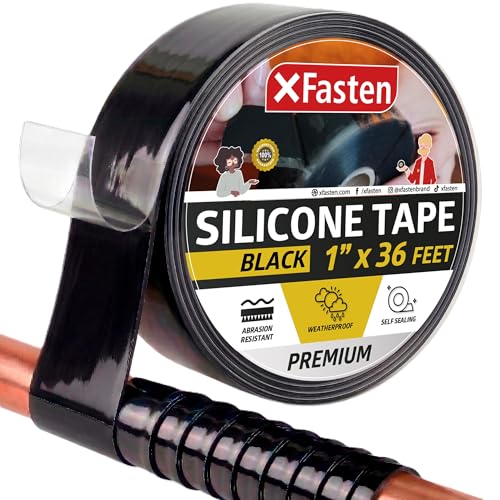
XFasten Self Fusing Silicone Tape Waterproof – 1" x 36 Feet Black, Self Amalgamating Tape, Silicone Rubber for Plumbing, Sealing Pipes, Hose Repair, Outdoor Coax and Electrical Cables – Weatherproof
Self-fusing Silicone Tape that does not melt up to 260°C (500°F) making it ideal for emergency repairs for…
As an affiliate, we earn on qualifying purchases.
As an affiliate, we earn on qualifying purchases.