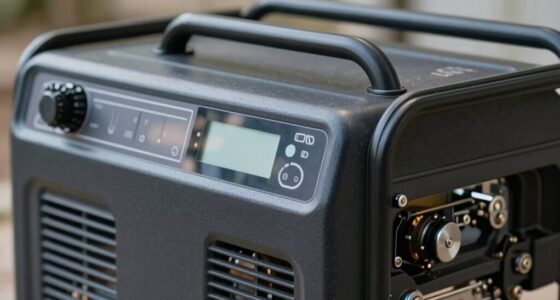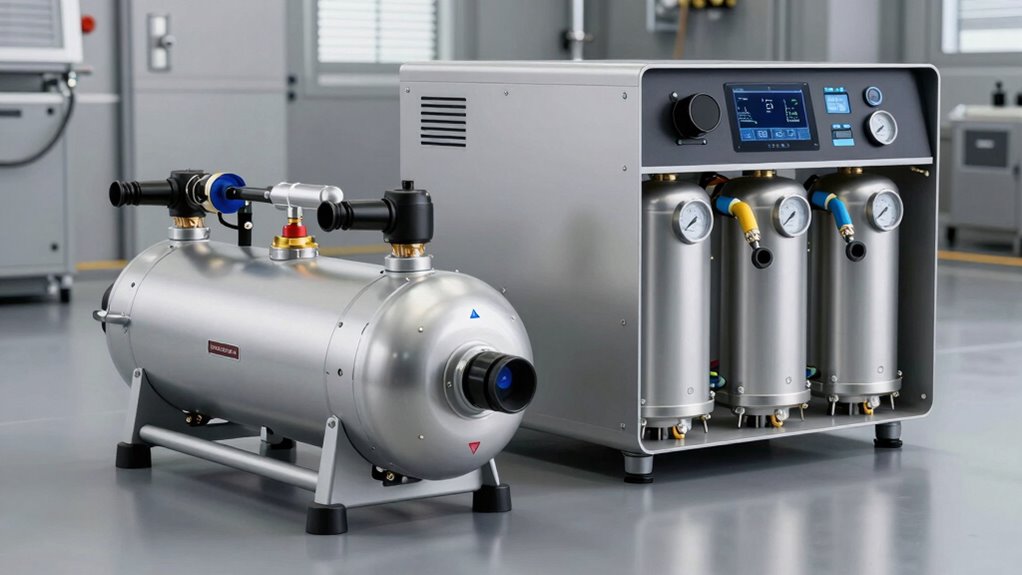

Dual fuel systems run on two fuels, like gasoline and propane, offering a simple, cost-effective backup option. Tri fuel systems add a third fuel, such as natural gas, providing even more flexibility and peace of mind. The main difference is the number of fuel sources they support, allowing you to switch seamlessly and stay powered during fuel shortages. Want to discover how choosing the right system can protect you in emergencies? Keep exploring to find out more.

Get backup power and energy gear delivered free — and shop member deals
- Fast, free delivery on millions of items
- Access to Prime Big Deal Days deals on October 6–7
- Prime Video, Amazon Music and more included
Key Takeaways
- Dual fuel systems operate on gasoline and propane, while tri fuel systems add a third fuel, such as natural gas.
- Tri fuel systems offer greater flexibility and more fuel options than dual fuel systems.
- Tri fuel systems are generally more complex and costly to install compared to dual fuel setups.
- Both systems allow fuel switching, but tri fuel systems provide seamless transition among three fuels.
- Compatibility requirements and system design are crucial for reliable operation of both dual and tri fuel systems.
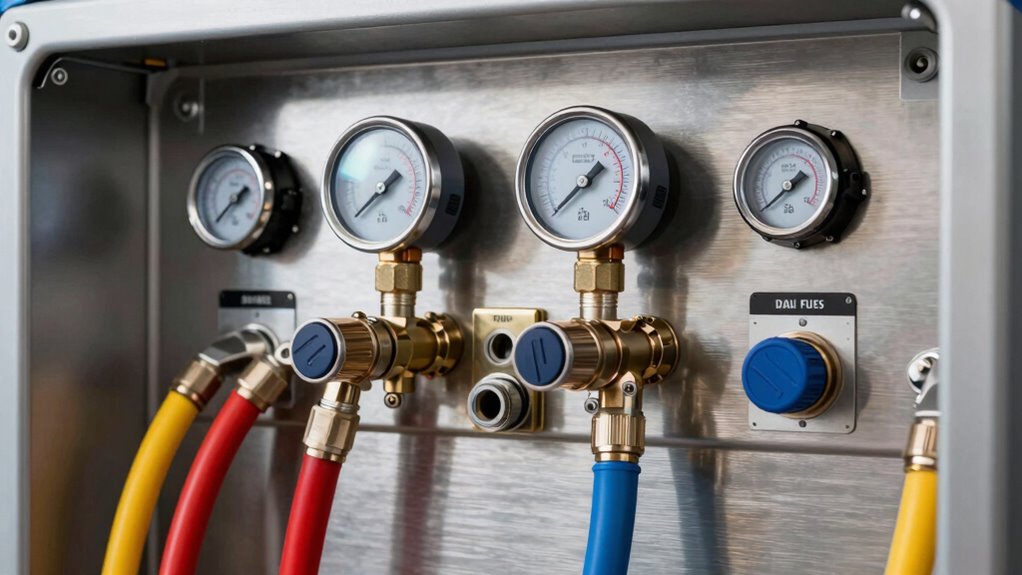
Are you prepared for power outages? If you’re considering backup power solutions, understanding the differences between dual fuel and tri fuel systems is essential. These systems are designed to provide reliable energy when the grid fails, but their capabilities depend heavily on features like fuel switching and system compatibility. In essence, dual fuel systems typically run on two types of fuel, often gasoline and propane, while tri fuel systems add a third, such as natural gas. This additional fuel source offers greater flexibility and peace of mind, especially during extended outages.
Fuel switching is a critical advantage in these systems. It allows you to seamlessly switch between fuel sources based on availability, cost, or performance needs. For example, if your propane supply runs low during a prolonged outage, you can switch to natural gas if your system supports it, ensuring continuous power. Tri fuel systems excel here because they incorporate three fuel options, giving you increased options and reducing dependency on a single fuel source. This flexibility can be a game-changer during emergencies, especially when fuel supplies are disrupted or prices fluctuate.
System compatibility plays an important role in how effectively these systems operate. Not all backup generators are compatible with multiple fuel types, so you need to verify that your chosen system can handle the fuels you intend to use. Compatibility issues can lead to operational failures or damage, which is why it’s important to select a system designed for multi-fuel operation. A tri fuel system, for instance, must be compatible with the specific fuel delivery mechanisms for each fuel type, including the necessary valves, regulators, and fuel lines. Ensuring proper system compatibility means your backup generator will perform reliably and safely, regardless of which fuel you select. Additionally, understanding how fuel switching works can help you optimize your system’s performance and longevity.
While dual fuel systems are often more affordable and easier to install, they might limit your fuel options, especially if you only have access to gasoline or propane. Tri fuel systems, although more complex and typically more expensive, provide the ultimate versatility. They’re especially advantageous if you want the freedom to choose the most available or economical fuel at any given time. In either case, understanding how fuel switching works and ensuring system compatibility are key factors in choosing the right backup system for your needs. When you’re prepared with the right setup, you gain confidence knowing your home or business can withstand power outages without interruption.
As an affiliate, we earn on qualifying purchases.
Frequently Asked Questions
How Do Dual and Tri Fuel Systems Impact Overall Energy Efficiency?
Dual and tri fuel systems boost your energy efficiency by offering fuel versatility, allowing you to switch between different fuel sources based on availability and cost. This flexibility helps optimize efficiency, reducing fuel waste and operational costs. Tri fuel systems, in particular, enhance this benefit by integrating three fuel options, ensuring continuous power and maximizing efficiency, especially during fuel shortages or price fluctuations.
Are There Specific Maintenance Requirements for Tri Fuel Systems?
You might wonder if tri fuel systems demand special care. The answer is yes. Fuel compatibility is essential, so you need to regularly check for contaminants and guarantee the right fuel mix. Maintenance protocols include inspecting filters, cleaning injectors, and monitoring fuel lines to prevent clogs. Staying vigilant keeps your tri fuel system running smoothly, avoiding unexpected failures and securing maximum efficiency when you need backup power most.
Can Dual or Tri Fuel Systems Be Integrated With Renewable Energy Sources?
Yes, you can integrate dual or tri fuel systems with renewable energy sources like solar or wind. This renewable integration enhances your system’s flexibility and reduces reliance on fossil fuels. It also offers environmental benefits, such as lowering carbon emissions and supporting sustainability goals. By combining these systems, you optimize energy use and improve backup power resilience, making your setup more eco-friendly and cost-effective in the long run.
What Is the Typical Lifespan of These Backup Systems?
You can expect the typical lifespan of dual fuel and tri fuel backup systems to be around 15 to 30 years, depending on fuel compatibility and system durability. Regular maintenance helps extend their life, ensuring components like engines and fuel systems stay reliable. High-quality systems with proper care withstand wear and tear better, providing dependable backup power when you need it most.
Are There Safety Concerns Unique to Tri Fuel Systems?
You should know that tri fuel systems do have unique safety concerns related to fuel compatibility. Since they use multiple fuel types, ensuring proper safety protocols is essential to prevent leaks, fires, or explosions. Regular maintenance, correct fuel handling, and adherence to manufacturer guidelines help mitigate these risks. Always stay vigilant and follow safety protocols to keep your system operating safely, regardless of the fuel you’re using.
As an affiliate, we earn on qualifying purchases.
Conclusion
Understanding the difference between dual fuel and tri fuel backup systems helps you choose the right power solution. Did you know that tri fuel systems can operate on three different fuel sources, offering up to 40% more flexibility? This means you’re less likely to face downtime during fuel shortages. With this knowledge, you’re better equipped to select a system that guarantees reliable, efficient power, no matter the circumstances. Stay prepared and power on with confidence!
As an affiliate, we earn on qualifying purchases.
backup generator with fuel switching
As an affiliate, we earn on qualifying purchases.
As an affiliate, we earn on qualifying purchases.
Fall Picks
fall essentials
As an affiliate, we earn on qualifying purchases.