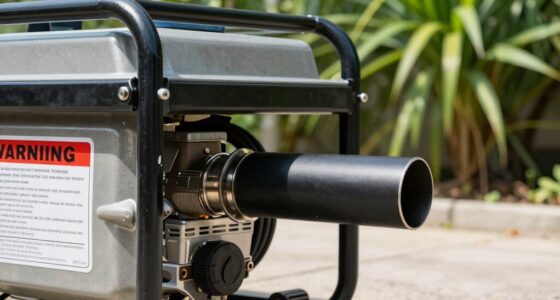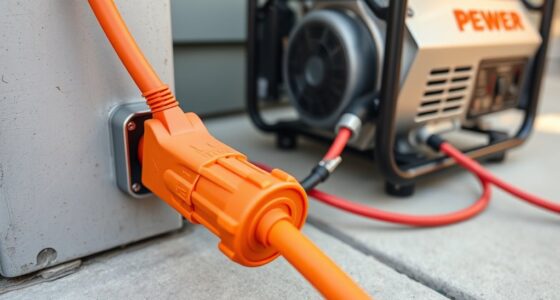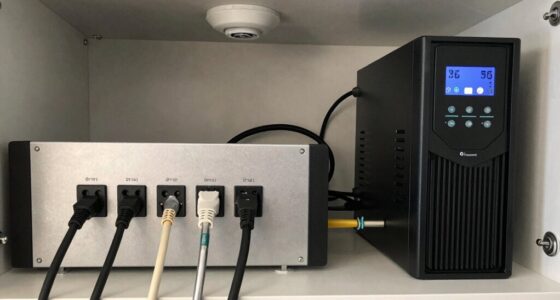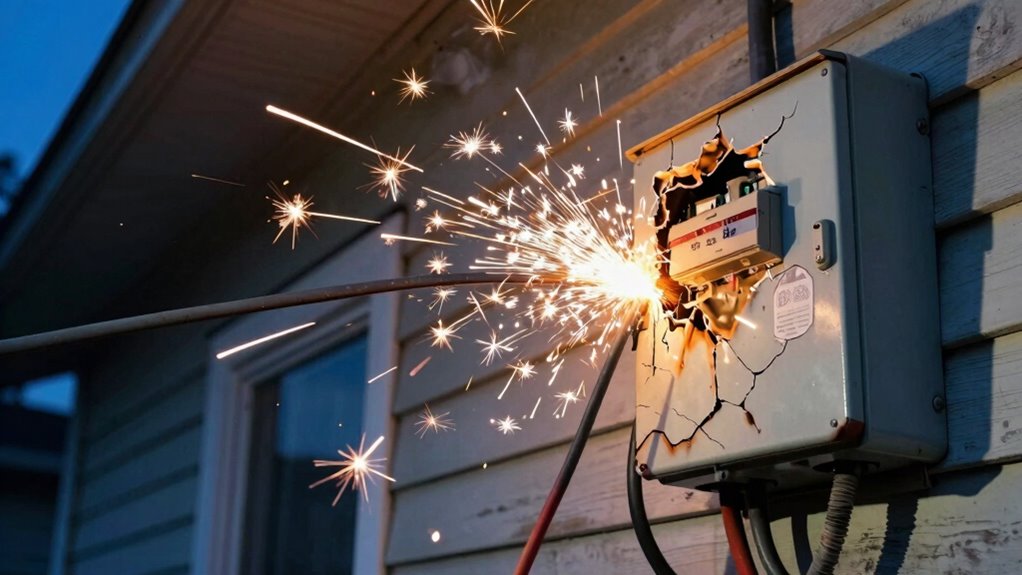

Backfeeding your home is extremely dangerous because it pushes electricity back into power lines, risking serious injury, fires, and damage to your appliances. It can also mislead utility workers about whether lines are energized, creating a major hazard for them and those nearby. Using makeshift connections or extension cords increases your risk of electrocution and property damage. To stay safe, you need proper equipment and professional help—learn the important safety steps involved before considering any backup power solutions.
Listen free for 30 days with Audible
Thousands of audiobooks and originals — cancel anytime.
As an affiliate, we earn on qualifying purchases.
Key Takeaways
- Backfeeding can send dangerous electrical currents back through power lines, risking injury or death to utility workers.
- It can cause electrical surges that damage home appliances and electronics.
- Using improper methods like extension cords bypasses safety systems, increasing fire and electrocution risks.
- Without a transfer switch, backfeeding can energize the entire grid, endangering anyone working on power lines.
- Ignoring proper safety protocols can result in costly property damage, fires, and serious injuries.
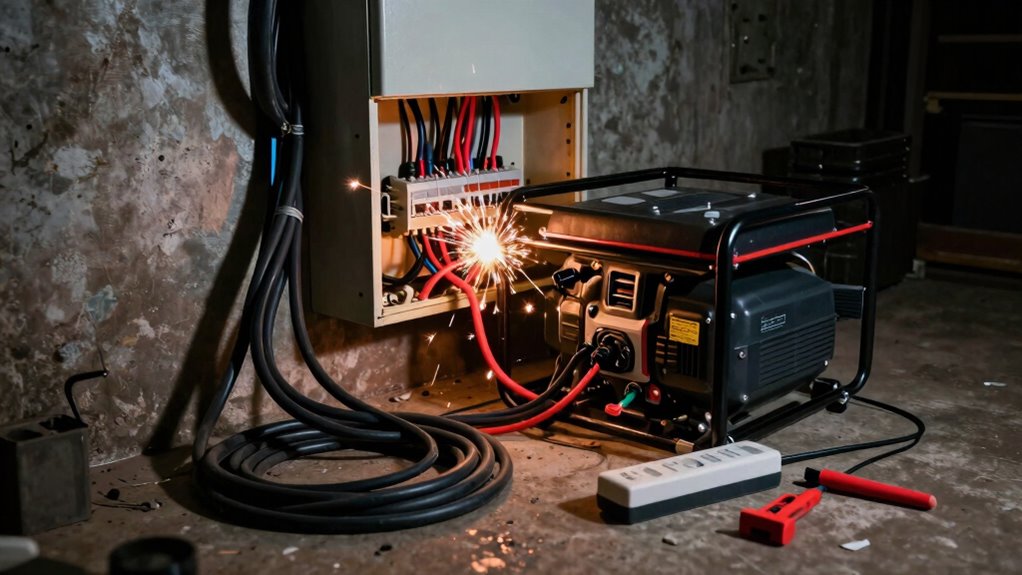
Backfeeding a home—connecting your house directly to an alternative power source like a generator or another electrical system—may seem like a quick fix during an outage, but it’s incredibly dangerous. While it might appear to be a simple way to keep your lights on or power essential devices, it bypasses essential safety measures designed to protect you and utility workers. This shortcut can lead to severe injuries, fires, or even fatalities. It’s imperative to understand that generator safety isn’t just about appliance protection; it’s about safeguarding your life and the lives of others.
Backfeeding a home is extremely dangerous and can cause serious injuries or fatalities. Always prioritize safety and proper equipment.
When you backfeed your home without proper equipment, you risk sending dangerous currents back through power lines. Utility workers rely on accurate readings to repair and maintain the grid, and backfeeding can mislead them into thinking lines are de-energized when they aren’t. This puts repair crews at risk of electrocution, which can be fatal. Additionally, improper backfeeding can cause electrical surges that damage your appliances or create sparks that ignite fires in your home. Understanding the importance of proper installation can help prevent these hazards. Proper handling of raw foods, especially raw meats, emphasizes the need for knowledge of safe sourcing to reduce bacterial risks, which parallels the importance of proper electrical sourcing for safety. Recognizing the significance of electrical safety protocols**** is crucial for preventing accidents during emergency power situations.
Moreover, many homeowners underestimate the importance of home security systems in protecting their property during emergencies, which can be a vital part of overall safety planning. Emergency preparedness is about more than just having a generator; it’s about using it safely and correctly. You should never attempt to backfeed your house with a standard extension cord or by connecting directly to a power line. Instead, you need a transfer switch installed by a qualified electrician. This device isolates your home’s wiring from the grid, preventing electricity from flowing back into power lines when you’re using a generator. It’s an essential safety feature that guarantees your generator’s power stays within your home and doesn’t endanger utility workers or others nearby.
Taking shortcuts with generator safety can lead to costly consequences. Not only do you put yourself at risk, but you also jeopardize the safety of neighbors, utility workers, and emergency responders. Proper emergency preparedness involves understanding how to use backup power sources safely, following manufacturer instructions, and consulting professionals for installation. It’s also wise to keep a supply of fuel stored safely and maintain your generator to ensure it operates reliably when needed.
In the end, the dangers of backfeeding outweigh any perceived convenience. It might seem like a quick fix during a blackout, but it’s a reckless approach that can cause serious harm. Prioritize safety by using the right equipment, following safety protocols, and ensuring your emergency preparedness plan includes proper generator use. This way, you protect yourself, your loved ones, and everyone around you, turning a potentially dangerous situation into a safe and manageable one.
home transfer switch for generator
As an affiliate, we earn on qualifying purchases.
As an affiliate, we earn on qualifying purchases.
Frequently Asked Questions
Can Backfeeding Be Done Safely With Proper Equipment?
Backfeeding can’t be done safely, even with proper equipment. Generator safety is essential, and power transfer methods like transfer switches are designed to prevent hazards. Attempting to backfeed without the right setup risks electrical shock or fires, endangering you and utility workers. Always use approved transfer switches and follow manufacturer instructions. Consult a licensed electrician for safe, reliable generator connections, and never compromise on safety standards or procedures.
What Are the Legal Consequences of Backfeeding a Home?
You might think backfeeding is a clever way to save money, but the legal consequences tell a different story. You could face serious legal liability if something goes wrong, including fines or criminal charges. Plus, your insurance coverage might be voided, leaving you responsible for damages. Ignoring the legal risks isn’t just dangerous — it’s a gamble that can cost you a lot more than you bargained for.
How Does Backfeeding Impact Utility Company Operations?
Backfeeding impacts utility company operations by disrupting grid safety and causing utility interference. When you backfeed, you send electricity into the grid, risking accidents for utility workers trying to maintain or repair lines. This can lead to power outages, equipment damage, and dangerous situations. Utility companies must then work harder to guarantee safety, often delaying repairs and risking further complications, which ultimately jeopardizes the entire electrical system’s reliability.
Are There Safer Alternative Methods for Emergency Power?
You should opt for safer alternatives like using a transfer switch for generator safety during emergencies. Power transfer through a properly installed transfer switch isolates your home from the grid, preventing backfeeding hazards. This method guarantees you get reliable power without risking electrical shock or damaging utility equipment. Always have a professional handle the setup, and never bypass safety protocols, as the risks of improper power transfer can be severe.
What Are the Signs of an Unsafe Backfeeding Setup?
You might suspect an unsafe backfeeding setup if you notice exposed wiring or makeshift connections, which substantially increase generator safety risks. Sticking a generator into a wall outlet without proper transfer switches creates electrical hazards, risking shock or fire. Always guarantee your setup is certified and installed correctly. Unsafe backfeeding can cause dangerous feedback into the grid or damage your appliances, so double-check your connections and avoid improvising with electrical components.
electrical safety transfer switch
As an affiliate, we earn on qualifying purchases.
As an affiliate, we earn on qualifying purchases.
Conclusion
Backfeeding your home might seem like a quick fix, but it’s incredibly risky. Not only could you end up harming yourself or others, but it also poses a serious fire hazard. Did you know that electrical fires caused by improper wiring or backfeeding incidents account for thousands of house fires annually? Instead of risking your safety, always rely on a professional electrician and proper equipment. Your safety and that of your loved ones should always come first.
home backup generator transfer switch
As an affiliate, we earn on qualifying purchases.
As an affiliate, we earn on qualifying purchases.
proper generator transfer switch
As an affiliate, we earn on qualifying purchases.
As an affiliate, we earn on qualifying purchases.
Flea & tick season Picks
flea and tick prevention
As an affiliate, we earn on qualifying purchases.