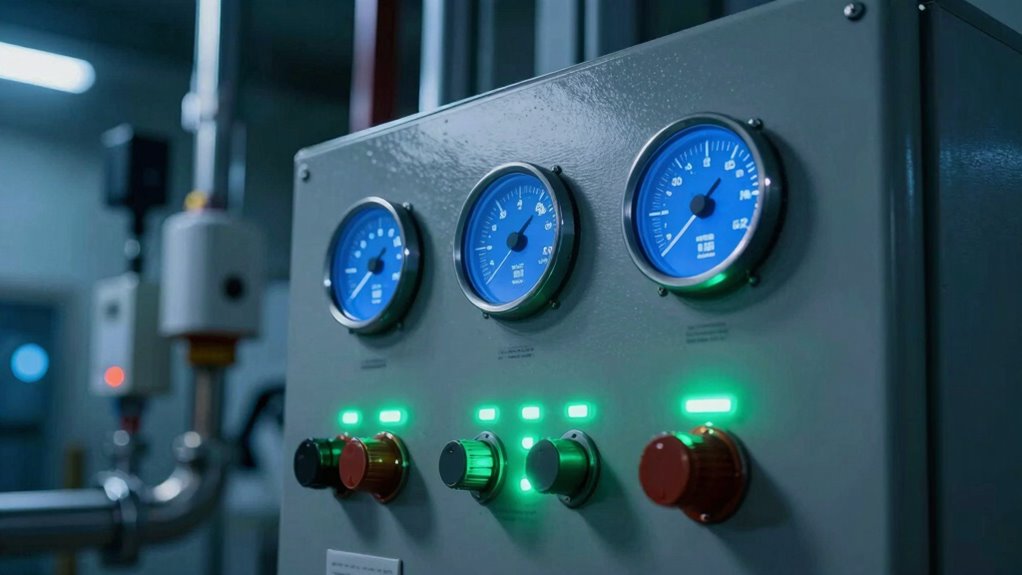

Backup alerts, alarms, and leak detection systems work behind the scenes to prevent costly damage and reduce downtime. They give you real-time insights, allowing swift action and automated responses to issues before they escalate. These systems help you maintain safety, support proactive maintenance, and guarantee compliance with regulations. By integrating advanced sensors, you boost overall efficiency and safeguard your operations. Keep exploring to discover how these hidden tools can transform your safety and productivity.
Key Takeaways
- Backup alerts and alarms provide critical early warnings that prevent costly damage and operational downtime.
- Leak detection systems help identify issues before they escalate into major disasters.
- Automated responses enable swift action, minimizing risks and enhancing safety.
- Real-time monitoring supports proactive maintenance, reducing repair costs and extending equipment lifespan.
- Detailed logs from alert systems ensure compliance, improve safety, and streamline incident documentation.
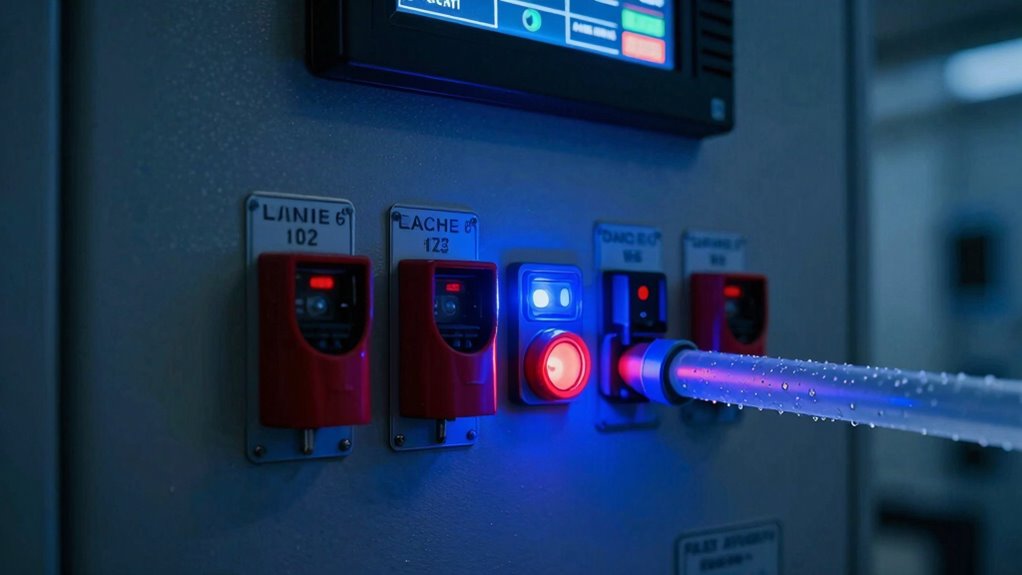
Backup alerts, alarms, and leak detection systems often go unnoticed until a problem occurs, yet their true worth lies in their ability to prevent costly damage and downtime before issues escalate. These systems are essential components of modern industrial and facility management, providing real-time insights that help you act swiftly and prevent small problems from snowballing into major disasters. When integrated with system automation, these alerts can trigger immediate responses—shutting down equipment, activating backup systems, or notifying personnel—without requiring manual intervention. This seamless interaction minimizes downtime and keeps your operations running smoothly.
Backup and leak detection alerts prevent costly downtime through real-time, automated responses.
One of the key advantages of these systems is their role in enhancing maintenance scheduling. Instead of relying on reactive repairs after a failure, you can leverage the data from alarms and leak detection to plan maintenance proactively. For example, if a leak detection sensor alerts you to a slow drip in a pipe, you can schedule a repair during regular maintenance windows rather than waiting for it to become a full-blown flood. This approach not only reduces emergency repairs but also extends the lifespan of your equipment. By analyzing patterns from alert data, you can identify recurring issues and address root causes before they cause significant disruptions. Additionally, leveraging real-time monitoring helps in making timely decisions and prevents escalation of minor issues. Incorporating advanced sensor technology can further enhance your system’s responsiveness to emerging problems.
Furthermore, system automation plays a crucial role in optimizing maintenance scheduling. Automated systems can log alerts, assess their severity, and prioritize tasks based on criticality. This means you’re no longer left guessing which issues need urgent attention; instead, you receive clear, actionable insights. Automated alerts can also trigger routine checks or calibration procedures, ensuring your systems stay in peak condition. Over time, this proactive approach to maintenance results in fewer failures, lower repair costs, and improved safety for your team. As the cost of security systems can vary, integrating these systems efficiently can provide both safety and economic benefits.
In addition, these alert systems help you comply with safety standards and regulations by providing detailed logs of incidents and responses. This documentation proves invaluable during audits and inspections, demonstrating your commitment to operational safety and environmental responsibility. As a result, you not only prevent damage but also protect your reputation and avoid potential fines. Incorporating preventive maintenance strategies supported by these systems can significantly improve overall operational efficiency and safety.
industrial leak detection system
As an affiliate, we earn on qualifying purchases.
As an affiliate, we earn on qualifying purchases.
Frequently Asked Questions
How Do Backup Alerts Integrate With Existing Security Systems?
Backup alerts seamlessly integrate with your existing security systems through system integration, ensuring you receive timely notifications during emergencies. When an alert triggers, it activates emergency protocols automatically, helping you respond swiftly. You can connect sensors and alarms to central control panels or smart home platforms, creating a cohesive safety network. This integration enhances your security, enabling coordinated responses and reducing risks during leaks, backups, or other hazards.
What Are the Costs Associated With Advanced Leak Detection Technologies?
The costs of advanced leak detection technologies vary based on features and complexity. A thorough cost analysis reveals expenses for equipment, installation, and ongoing maintenance. Integrating these systems with your existing security setup can add some costs but enhances overall safety. While initial investment might seem high, the long-term savings from preventing water damage and reducing insurance claims make advanced leak detection a wise choice for proactive protection.
Can Backup Alarms Be Customized for Different Facility Types?
Yes, backup alarms can be customized for different facility types through facility customization and alarm tailoring. You can set specific thresholds, sounds, and alert types to suit your facility’s unique needs. By tailoring alarms, you guarantee relevant notifications, reduce false alarms, and improve safety. Customization allows you to optimize backup alert systems, making them more effective and aligned with your facility’s operations and safety protocols.
How Quickly Do Leak Detection Systems Typically Identify Issues?
Leak detection systems usually identify issues within minutes, helping you prevent extensive water damage. Their quick response enhances leak prevention and boosts system reliability. By promptly alerting you to leaks, these systems allow you to act fast, minimizing potential harm and costly repairs. This rapid detection guarantees your facility stays safe and operational, giving you peace of mind knowing that leaks are caught early before they cause significant problems.
What Training Is Required to Interpret Backup Alerts Effectively?
To interpret backup alerts effectively, you need proper training in emergency preparedness and technician certification. You should understand what each alert signifies and how to prioritize responses quickly. Certification guarantees you’ve mastered the technical skills needed, while emergency preparedness training teaches you to act swiftly during incidents. Regular drills and ongoing education help sharpen your skills, making sure you respond accurately and efficiently to backup alerts, minimizing damage and downtime.
backup alarm system for facilities
As an affiliate, we earn on qualifying purchases.
As an affiliate, we earn on qualifying purchases.
Conclusion
By paying close attention to backup alerts, alarms, and leak detection, you can prevent costly damages and downtime. Did you know that businesses experience an average of 18 hours of unplanned downtime annually? That’s a significant loss, but with proactive monitoring, you can catch issues early and save money. Embrace these systems—they’re not just notifications, but powerful tools that safeguard your operations and boost your resilience. Stay vigilant and let alerts work for you.
automated leak detection sensors
As an affiliate, we earn on qualifying purchases.
As an affiliate, we earn on qualifying purchases.
real-time equipment monitoring system
As an affiliate, we earn on qualifying purchases.
As an affiliate, we earn on qualifying purchases.