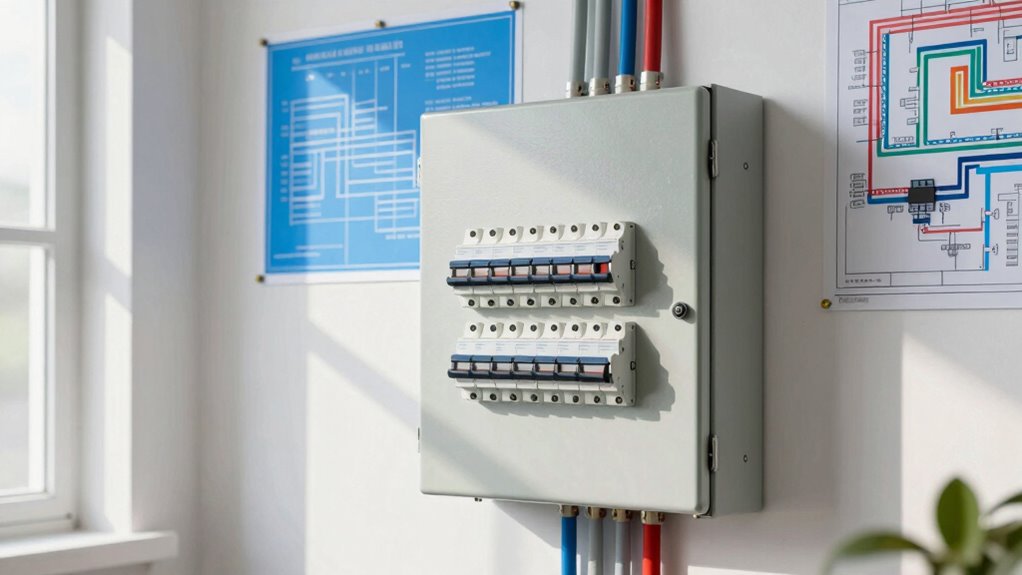

Better electrical planning helps you lower bills by optimizing energy use, supporting smart technology, and incorporating renewable solutions. It guarantees your wiring and systems can handle new devices, preventing costly upgrades later. Proper planning focuses on load capacity, efficiency, and safety, making your home more energy-efficient. Plus, it future-proofs your system for upcoming tech advancements and regulations. Keep exploring to discover how smart design can maximize savings and keep your energy costs down.

Get backup power and energy gear delivered free — and shop member deals
- Fast, free delivery on millions of items
- Access to Prime Big Deal Days deals on October 6–7
- Prime Video, Amazon Music and more included
Key Takeaways
- Proper planning optimizes wiring and components for energy efficiency, reducing overall electricity consumption.
- It ensures systems can handle new smart home and renewable energy technologies effectively.
- Accurate load capacity design prevents overuse and costly future upgrades.
- Tailored electrical systems align with specific energy usage patterns, promoting savings.
- Future-proofing and interoperability enable seamless upgrades, maintaining efficiency and reducing long-term costs.
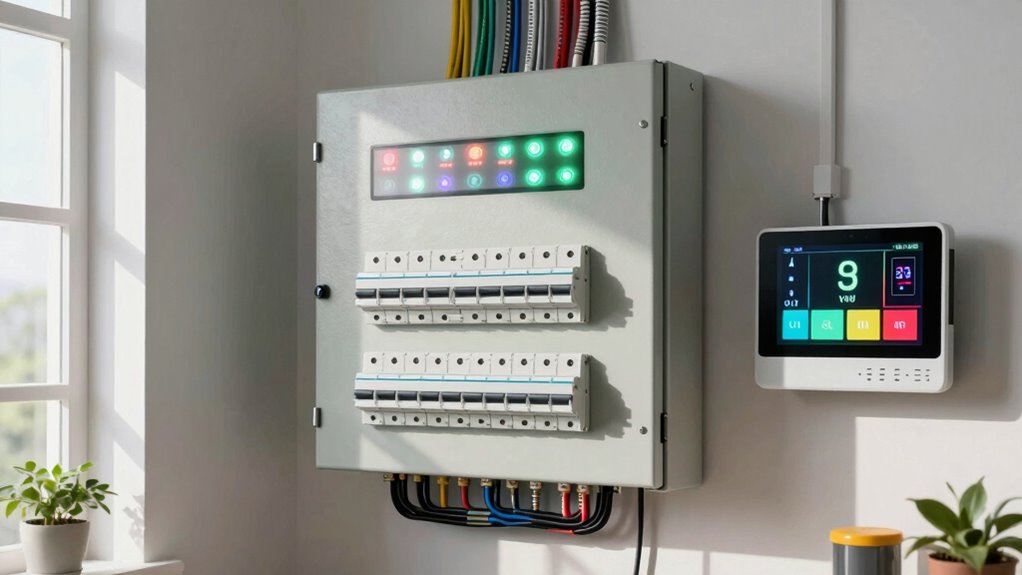
Are you looking for ways to cut costs on your energy bills? Improving your electrical planning is a smart move that can make a significant difference. When you focus on efficient electrical systems, you’re not just reducing expenses—you’re also contributing to a sustainable future. One of the key strategies is integrating smart home technology. Smart home integration allows you to control lighting, heating, and appliances remotely or set schedules that optimize energy use. For example, you can program your thermostat to lower the temperature when you’re away or asleep, which helps cut down on unnecessary energy consumption. These systems give you real-time insights into your energy use, so you can identify patterns and make smarter choices that save money over time.
Alongside smart home integration, adopting renewable energy solutions is another powerful way to lower your bills. Installing solar panels or small wind turbines can significantly decrease your reliance on traditional power sources. While there’s an upfront investment, the long-term savings are worth it. Renewable energy solutions often come with government incentives and tax credits, making the transition more affordable. Once installed, these systems generate free, clean energy that can power your entire home or supplement your existing grid connection. Over the years, this reduces your monthly energy costs and shields you from rising utility rates. Additionally, some renewable setups can be connected to your smart home system, giving you even more control over when and how you use this sustainable power.
Effective electrical planning also involves assessing your current system and planning for future needs. By working with professionals, you ensure your wiring and electrical components are capable of supporting new technologies like smart home devices and renewable energy systems. This proactive approach prevents costly upgrades later and maximizes your savings. Proper electrical planning means making informed decisions about load capacity, energy efficiency, and safety measures, all of which contribute to lower bills. It’s about creating a system that’s tailored to your lifestyle, enabling you to use energy more wisely and avoid waste. Understanding enterprise governance for AI agents can help ensure your electrical systems are managed securely and efficiently, especially when integrating advanced technologies. Additionally, considering compliance standards can help you stay aligned with safety regulations and optimize your system’s performance. Incorporating energy management principles can further enhance your ability to reduce waste and improve overall efficiency. A well-designed electrical plan also takes into account future technological advancements, ensuring your system remains adaptable and up-to-date for years to come. Recognizing system interoperability is essential for seamless integration of various energy technologies and smart devices, which can lead to even greater savings.
smart home energy management system
As an affiliate, we earn on qualifying purchases.
As an affiliate, we earn on qualifying purchases.
Frequently Asked Questions
How Often Should I Review My Electrical Plan for Efficiency?
You should review your electrical plan at least once a year to guarantee lighting efficiency and circuit load are optimized. As your energy needs change, updating your plan helps you avoid overloads and improve overall efficiency. Keep an eye on new lighting technologies or appliances, which could affect circuit load. Regular assessments help you identify potential issues early, saving money and maintaining a safe, energy-efficient system.
Can Electrical Planning Reduce Your Home’s Overall Energy Consumption?
Absolutely, electrical planning can cut your home’s energy consumption. Think of it as having a secret weapon—by integrating renewable energy sources and choosing energy-efficient appliances, you optimize power use. A well-thought-out plan guarantees your systems work harmoniously, reducing waste. This approach not only lowers bills but also minimizes your carbon footprint. With strategic planning, you’re harnessing the power of innovation to make your home more sustainable and cost-effective.
What Are the Common Mistakes in Electrical Planning That Increase Bills?
You often make mistakes like neglecting lighting efficiency, which wastes energy and boosts bills. Overloading circuits by not evaluating circuit capacity leads to inefficiencies and potential hazards, increasing your costs. Failing to plan for proper wiring or underestimating your energy needs causes unnecessary expenses. To avoid these issues, guarantee your electrical plan prioritizes lighting efficiency and accurately appraises circuit capacity, resulting in lower energy bills and safer, more reliable electrical systems.
How Does Electrical Planning Impact Future Energy Upgrades?
Good electrical planning shapes your future energy upgrades by ensuring your system is adaptable for energy sustainability and grid integration. When you plan properly, you create a flexible infrastructure that easily incorporates renewable sources and smart grid technology. This proactive approach reduces upgrade costs, minimizes disruptions, and helps you stay ahead of evolving energy standards, making your system more efficient and resilient in the long run.
Is Professional Electrical Planning Worth the Initial Investment?
Yes, professional electrical planning is worth the initial investment. You benefit from detailed cost analysis and risk assessment, which help identify potential issues and optimize system efficiency. This planning reduces unexpected expenses and future upgrades, saving you money long-term. By investing upfront, you guarantee your electrical system is safer, more reliable, and tailored to your needs, ultimately lowering energy bills and avoiding costly repairs down the line.
As an affiliate, we earn on qualifying purchases.
Conclusion
By planning your electrical system wisely, you can substantially cut down on energy costs and avoid unnecessary expenses. Think ahead and choose efficient solutions—it’s the smart way to save money now and in the future. Remember, “A penny saved is a penny earned.” Good electrical planning isn’t just about costs today; it’s about building a smarter, more economical future for yourself. Start planning smartly, and watch your bills shrink.
home electrical load capacity tester
As an affiliate, we earn on qualifying purchases.
As an affiliate, we earn on qualifying purchases.
energy-efficient wiring components
As an affiliate, we earn on qualifying purchases.
As an affiliate, we earn on qualifying purchases.
Fall Picks
fall essentials
As an affiliate, we earn on qualifying purchases.