TL;DR

Get backup power and energy gear delivered free with Prime
- Fast, free delivery on millions of items
- Prime Video, Amazon Music and more included
- Member-only deals all year
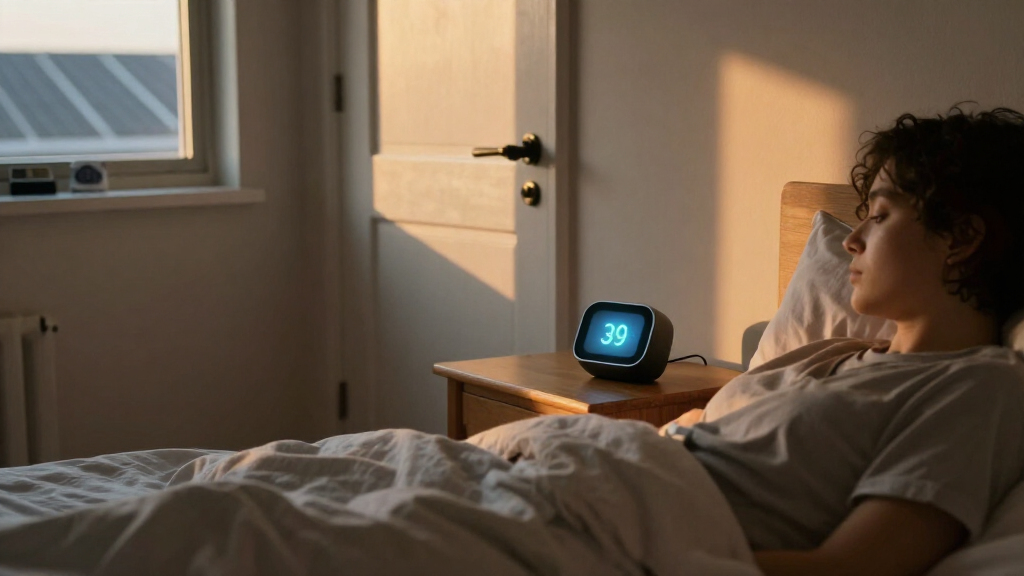
Amazon announced the Echo Time, a $199.99 Alexa smart clock with a 3.2-inch touchscreen and an opt-in alarm feature that estimates sleep stages using breathing and movement. A Verge hands-on report describes its display and features, but the sleep-sensing alarm’s real-world accuracy and usefulness have not yet been established.
Amazon has announced the Echo Time, a $199.99 Alexa smart alarm clock with a 3.2-inch touchscreen and an opt-in feature that estimates sleep stages from breathing and small movements. The device can use those estimates to wake a user at a chosen point up to an hour before the set alarm, though its effectiveness has not been established in the hands-on report.
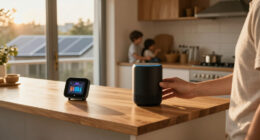
The Echo Time is a baseball-sized speaker with a round display, positioned as a bedside clock rather than a camera-equipped Echo Show. The Verge’s reporter tried the device at an Amazon event in New York City and described its screen as an upgrade over the Echo Spot’s 2.83-inch display. The larger clockface is intended to be easier to read across a room, and the interface returns to the clock after Alexa completes a task.
Amazon’s sleep feature uses an ultrasound transducer alongside the motion-sensing technology found in the new Echo Dot, according to the report. The device tracks breathing and small movements to estimate a person’s sleep stage, then may sound the alarm at an “optimal moment” within the hour before the scheduled alarm. The feature is opt-in, and users can disable it with the mute button. The report does not provide testing data or explain how accurately the device identifies sleep stages.
The screen can dim below 0.3 nits, and a night mode removes blue light, the report says. Other wake-up options include a sunrise effect that gradually brightens the clockface and alarm tones that build in intensity after a user snoozes. Users can set alarms using the touchscreen, a feature the reporter said could help avoid speaking aloud while a partner is asleep. The clock also supports Alexa and smart-home connections through Zigbee, Thread and Matter.
A Bedside Clock With Sleep Sensing
The Echo Time puts sleep sensing into a device people may already keep beside their bed, rather than asking them to wear a tracker overnight. Its appeal depends on whether its movement-and-breathing estimates can meaningfully time a gentler wake-up. Amazon’s announcement and the reported demonstration describe how the feature is intended to work, but they do not establish that it improves rest or how it compares with dedicated sleep-tracking products.
The design also brings practical bedside controls into focus. A touchscreen alarm setting, a display that returns to the clock, and very low dimming are aimed at nighttime use. At $199.99, the Time costs nearly twice as much as the Echo Spot did, according to The Verge’s comparison, making the value of those changes and the sleep feature relevant to potential buyers.
Privacy is another consideration for a bedside sensor. The report says the Time has no camera and that sleep sensing is optional. It does not detail what sleep data is stored, how long it is retained, or whether it is shared with other services, leaving those questions for buyers to check against Amazon’s product and privacy information.
Products Worth Considering

Philips Hue Bridge Pro Smart Lighting Hub

Philips Hue Large Smart Light Tube, Black – White and Color Ambiance LED Color-Changing Light – 1 Pack

Samsung 48-Inch S90H OLED 4K Smart TV (2026)
As an affiliate, we earn on qualifying purchases.
How It Builds on Echo Spot
The Echo Time resembles a larger hybrid of Amazon’s Echo Dot with Clock and Echo Spot, according to The Verge. Its fully round 3.2-inch screen replaces the Spot’s smaller, semicircular 2.83-inch display. The reporter, who described the Spot as one of their preferred smart alarm clocks, said the Time looked more polished but flagged its larger size as a concern.
Amazon also announced a new Echo Dot the same week. The report says the Time shares that device’s hardware, including a built-in smart-home hub supporting Zigbee, Thread and Matter. That lets it connect with compatible lights, which can be used alongside the clock’s gradual sunrise effect. The report’s impressions of the dim display and sunrise feature came from a demonstration at a brightly lit event, not extended use in a bedroom.
Amazon is also offering children’s versions in galactic grape and cosmic lime for $209.99. Those editions include a year of Amazon Kids Plus and a Sleep Studio with guided bedtime routines, wind-down prompts and gradual dimming, according to the source report. The kids’ clockfaces include animated characters and analog displays intended for children learning to tell time.
“The Time “prioritizes the clock at all times.””
— The Verge reporter
Sleep Tracking Still Needs Testing
The report is based on time with a demonstration unit, not long-term testing. It does not verify whether the Echo Time can reliably distinguish sleep stages or whether waking within its one-hour window leaves users feeling more rested. Amazon’s sensing method, its performance across different sleepers, and the effect of room layout or distance are not detailed in the supplied material.
Other practical questions also remain unanswered in the report, including the device’s full dimensions, availability or delivery dates beyond being available to order, and the data-handling rules for sleep estimates. The reporter said the screen’s very low brightness would need to be tested on a bedside table; the sunrise effect likewise appeared subtle in a brightly lit room. Those impressions should not be treated as results from overnight use.
Real-World Use Will Test Claims
The Echo Time is available to order for $199.99, according to the report. The next useful test is how it performs over repeated nights: whether its estimates produce a comfortable wake-up, whether the sunrise lighting is visible in a dark bedroom, and whether the clock’s size and dimming work well at bedside distance. Buyers will also need product details and Amazon’s privacy terms to understand how sleep information is handled.
For the children’s editions, the report lists a $209.99 price and a year of Amazon Kids Plus but does not specify a separate shipping timeline. No independent sleep-tracking results or broader user feedback are included in the source material, so the clock’s practical value remains an open question.
Key Questions
What is the Amazon Echo Time?
It is an Alexa smart alarm clock with a 3.2-inch touchscreen, motion and ultrasound sensing, and standard Alexa and smart-home features, according to The Verge’s report.
How does its sleep-sensing alarm work?
The device uses breathing and small-movement signals to estimate sleep stages, then can sound an alarm at a selected point up to one hour before the set alarm. The report does not establish how accurate those estimates are.
How much does the Echo Time cost?
The standard Echo Time is listed at $199.99 and is available to order, according to the source report. Children’s versions are listed at $209.99 and include a year of Amazon Kids Plus.
Does the Echo Time have a camera?
No camera is described; the report says the Time has no camera, like the Echo Spot. Sleep sensing is optional and can be disabled with the mute button.
Has the sleep alarm been shown to improve sleep?
The supplied report does not provide clinical evidence or long-term testing showing that the alarm improves sleep or makes users feel more rested. Its effectiveness remains unclear.
Source: theverge.com