Convenience automation makes your daily routines easier by handling tasks automatically, like adjusting lights or opening blinds, creating a comfortable environment without much effort. Useful automation, on the other hand, helps you stay organized and boosts productivity, such as sending reminders or automating workflows. Both types serve different needs—convenience focuses on comfort, while useful automation supports efficiency. Understanding these differences helps you design smarter setups that match your lifestyle; explore further for detailed insights.

Get backup power and energy gear delivered free — and shop member deals
- Fast, free delivery on millions of items
- Access to Prime Big Deal Days deals on October 6–7
- Prime Video, Amazon Music and more included
Key Takeaways
- Convenience automation simplifies daily routines for comfort and ease, like lighting adjustments and automatic locks.
- Useful automation enhances productivity by organizing tasks, reminders, and workflow management.
- Convenience automations focus on comfort, while useful automations prioritize efficiency and goal achievement.
- Balancing both automations creates a smart environment that is comfortable and productive.
- Understanding their roles helps tailor automation solutions to individual lifestyle and work needs.
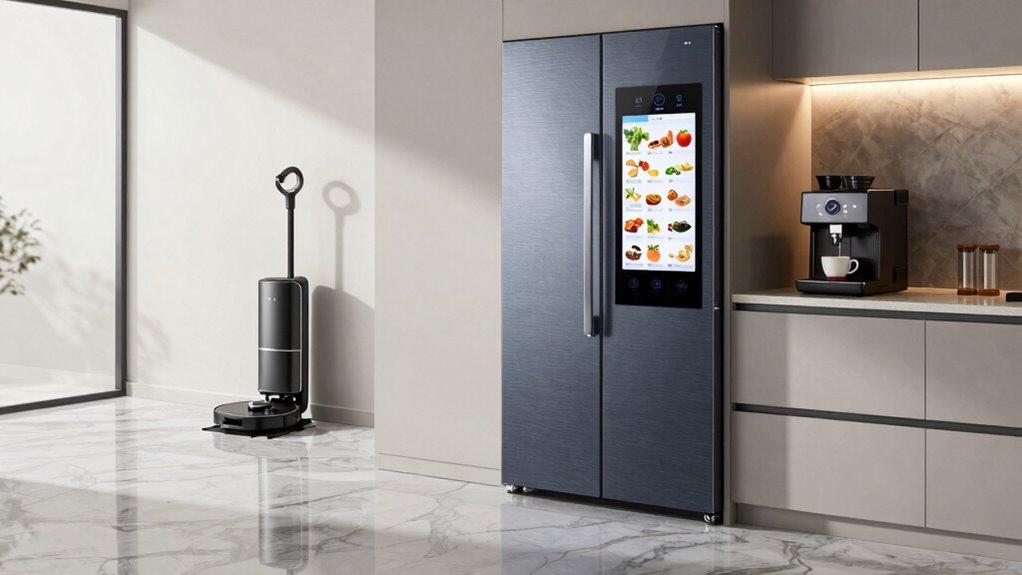
Automation has become a key part of daily life, but not all automated solutions serve the same purpose. Some focus on making everyday activities more comfortable and effortless, while others aim to improve efficiency and productivity. Recognizing the difference helps you decide which type best fits your needs. For example, a smart home setup often includes both convenience and useful automation, but understanding their roles can clarify what to prioritize.
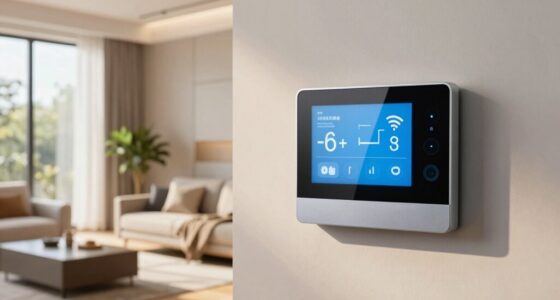
Convenience automation is designed to simplify your life by handling routine tasks without much input. Think of smart home devices that turn lights on when you enter a room or adjust the thermostat based on your schedule. These automations are about creating a seamless environment, saving you time and effort. They don’t necessarily improve your productivity but make daily routines smoother. Task management automation, on the other hand, focuses on organizing and streamlining your responsibilities. It involves setting up reminders, automating emails, or scheduling appointments to ensure you stay on top of your commitments. These tools help you work smarter, reducing the mental load and preventing important things from slipping through the cracks.
Convenience automation simplifies routines, while task management automation helps organize responsibilities and boost productivity.
When you lean into convenience automation, you’re primarily enhancing comfort and ease. For example, a smart home system that automatically locks doors at night or adjusts window blinds based on sunlight is all about creating a more comfortable living space without requiring your constant attention. It’s about making your environment adapt to your preferences or habits effortlessly. Conversely, useful automation is more goal-oriented. It’s about optimizing your task management—whether it’s automating report generation, syncing calendars, or setting up workflows that keep your projects on track. This type of automation directly contributes to your productivity, helping you accomplish more in less time. Understanding automation types can help you design a more balanced and effective smart home environment.
Understanding the distinction also impacts how you design your smart home. If your focus is on automation trends, you might prioritize automations that add comfort and ease of use. But if your goal is to enhance efficiency, you’ll want to set up automations that support your work or personal goals. Both types have their place, but knowing which to emphasize depends on your lifestyle and priorities. Ultimately, striking a balance between convenience and useful automation can create a smart home that not only feels comfortable but also supports your productivity and task management needs effectively.
Frequently Asked Questions
How Do I Determine Which Automation Type Best Suits My Needs?
To decide which automation suits your needs, evaluate your goals and identify tasks that truly improve efficiency gains. Be cautious of automation pitfalls like over-automating or creating unnecessary complexity. Focus on automations that save time and boost productivity, rather than just adding convenience. By analyzing your workflows critically, you’ll find the right balance, ensuring your automation enhances your work without creating new challenges.
Can Convenience Automation Become Useful Over Time?
Did you know that 67% of people say their habits improved with automation? Convenience automation can indeed become useful over time through habit formation and technology adaptation. As you use these tools consistently, they often evolve from simple shortcuts to essential workflows. By integrating automation into your daily routines, you naturally adapt and find more ways it can support your goals, making what once was just convenient now genuinely useful.
What Are Common Mistakes in Implementing Convenience Automation?
A common mistake in implementing convenience automation is neglecting user engagement; you may focus too much on adding features without understanding what truly benefits users. Prioritizing features that improve convenience over useful automation can lead to low adoption and frustration. To avoid this, you should balance convenience with actual value, ensuring your automation enhances user experience and addresses real needs, rather than just making tasks easier without meaningful impact.
How Do Costs Compare Between Convenience and Useful Automation?
You’ll find that convenience automation typically costs 20-30% less upfront than useful automation, making it appealing for quick wins. However, during expense analysis, useful automation often proves more cost-effective long-term, as it boosts productivity and reduces manual work. While convenience automation may have lower initial costs, investing in useful automation can lead to higher savings and efficiency over time, justifying the higher initial expense.
Are There Industries More Prone to Benefit From Useful Automation?
Certain industries, like manufacturing and healthcare, benefit most from useful automation because it considerably boosts industry efficiency and enhances customer satisfaction. You’ll find that automating complex tasks reduces errors, speeds up processes, and allows staff to focus on more critical roles, directly improving service quality. These industries thrive when automation provides tangible value, making them more prone to adopting useful automation to stay competitive and meet customer expectations effectively.
Conclusion
Ultimately, understanding the difference between convenience and useful automation helps you make smarter choices. Convenience makes life easier, but useful automation truly adds value by solving problems and improving efficiency. Remember, “A stitch in time saves nine”—investing in automation that’s genuinely helpful pays off in the long run. By focusing on what truly benefits you, you’ll harness automation’s power to work smarter, not just faster.
Evergreen bestsellers Picks
bestsellers
As an affiliate, we earn on qualifying purchases.