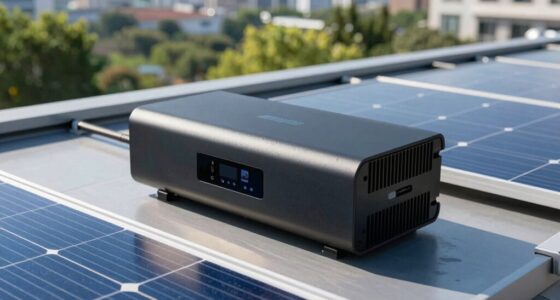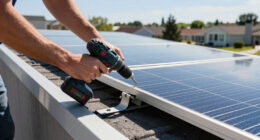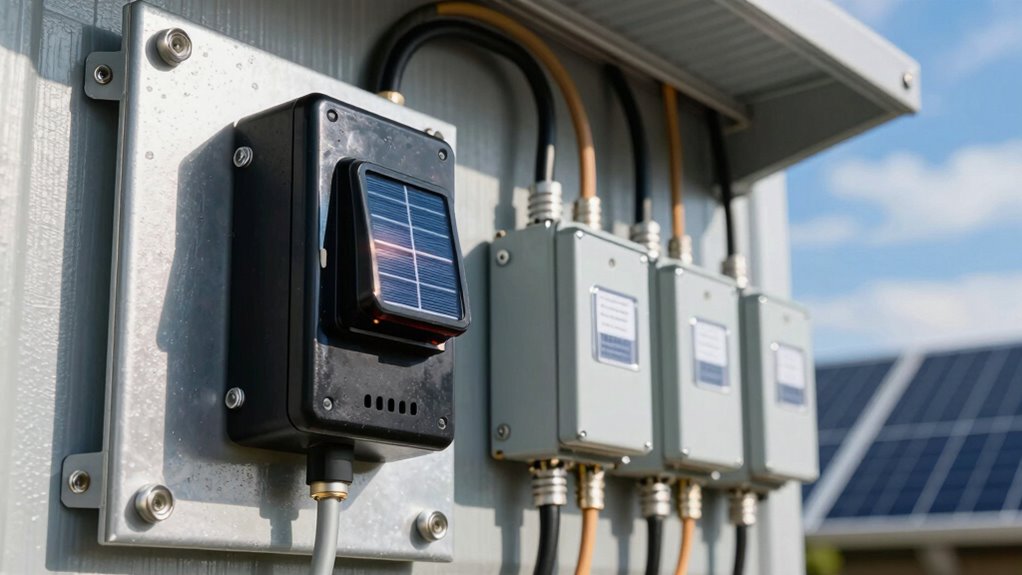

Solar disconnects and combiner boxes are essential for your system’s safety because they protect you from electrical hazards and help prevent shocks or fires. They enable you to safely shut down your system during maintenance or emergencies and prevent dangerous voltage spikes. Proper installation and durable, weather-resistant components ensure reliable operation over time. Staying aware of these safety features helps keep your solar setup secure—continue to learn how these components safeguard your system and your safety.

Get backup power and energy gear delivered free — and shop member deals
- Fast, free delivery on millions of items
- Access to Prime Big Deal Days deals on October 6–7
- Prime Video, Amazon Music and more included
Key Takeaways
- Solar disconnects enable safe shutdowns during maintenance or emergencies, preventing electrical shocks and fires.
- Combiner boxes consolidate multiple strings, reducing wiring complexity and minimizing the risk of faults or overloads.
- Properly rated disconnects and combiner boxes protect systems from voltage spikes and electrical faults.
- They facilitate easier inspection and maintenance, ensuring safety features function correctly over time.
- Using durable, environmentally resilient components maintains long-term safety in various weather conditions.
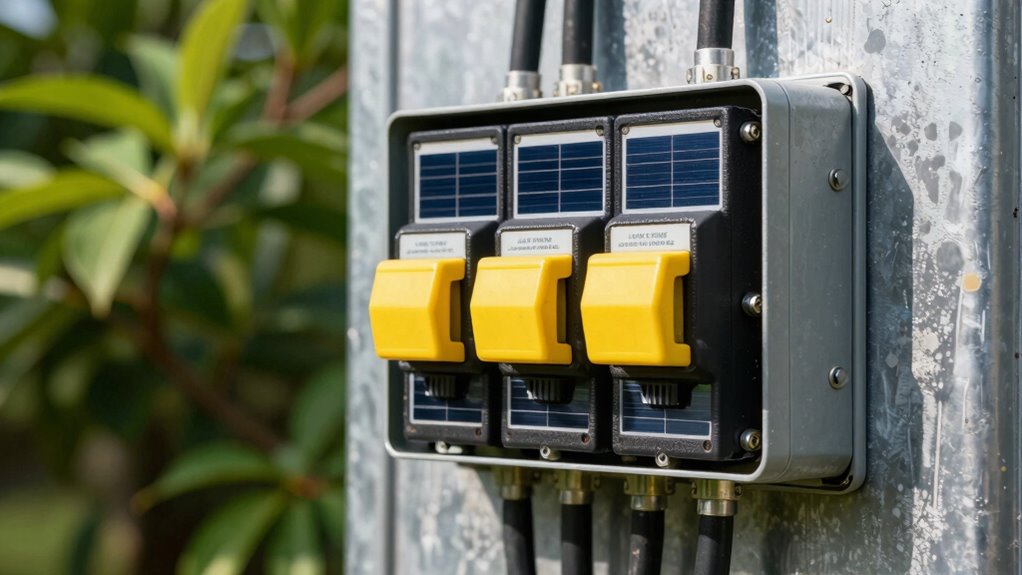
Have you ever contemplated how crucial safety is when working with solar disconnects and combiner boxes? These components play a critical role in protecting both your system and yourself from potential electrical hazards. Guaranteeing safety isn’t just about avoiding shocks; it also involves maintaining proper voltage regulation and supporting component durability. When these systems are designed and maintained correctly, they prevent dangerous voltage fluctuations that could damage your equipment or cause system failures. Reliable voltage regulation ensures that the electrical flow remains steady, reducing the risk of overheating, short circuits, or fires. By understanding how these devices function to control and isolate electrical currents, you can better appreciate their importance in the overall safety framework. Proper component installation and regular maintenance are essential to ensure these safety features work effectively. Component durability is another essential factor to consider. Solar disconnects and combiner boxes are exposed to various environmental conditions—sun, rain, wind, and temperature swings. Selecting high-quality, durable components means they can withstand these elements over time without deteriorating or malfunctioning. When these parts are built for longevity and resilience, you minimize the risk of unexpected failures that could lead to electrical faults or safety hazards. Durable components also help maintain consistent performance, preventing voltage irregularities that could harm your system or compromise safety. Investing in robust disconnects and combiner boxes ensures that your entire solar setup remains safe and reliable, even under harsh conditions. Additionally, understanding the importance of environmental resilience can guide you in choosing components suited for your specific climate and environmental challenges. Proper installation procedures and routine inspections are vital for identifying potential issues early and preventing safety risks. Faulty wiring or loose connections in disconnects and combiner boxes can cause voltage spikes or arcs, which pose serious risks. Guaranteeing that these components are correctly installed and inspected frequently reduces the chances of electrical faults. Properly functioning disconnects allow you to safely shut down sections of your system during maintenance or emergencies, preventing dangerous shocks or fires. Additionally, using high-quality components with proven durability minimizes the need for frequent replacements, saving you time and money while keeping safety at the forefront. Understanding the importance of safety in solar systems is essential, as it emphasizes the need for continuous vigilance and adherence to best practices. As technology advances, incorporating smart safety features can further enhance system protection and monitoring capabilities. Ultimately, solar disconnects and combiner boxes matter because they serve as essential safety barriers within your solar energy system. They regulate voltage to prevent overloads and protect your equipment, while their durability ensures they remain reliable through changing conditions. You’re responsible for understanding their importance and ensuring they’re properly installed, maintained, and upgraded when necessary. Doing so not only protects your investment but also keeps you and those around you safe from electrical hazards associated with solar power systems. Remember, safety isn’t just a feature—it’s a continuous commitment to keeping your solar energy system functioning securely and effectively.
As an affiliate, we earn on qualifying purchases.
Frequently Asked Questions
Can Solar Disconnects Be Manually Operated During Emergencies?
Yes, solar disconnects can be manually operated during emergencies. They’re designed for quick, easy manual operation, allowing you to perform emergency shutdowns swiftly to guarantee safety. By flipping the disconnect switch, you can cut off power from the solar system, preventing hazards or damage. Always familiarize yourself with the disconnect’s location and operation procedures beforehand, so you’re prepared to act quickly during an emergency.
What Are the Common Signs of Faulty Combiner Boxes?
Imagine your combiner box turning into a rusted, moaning ghost—faulty connections and corrosion issues are signs you’re in trouble. You’ll notice flickering lights, frequent tripping, or a burning smell that screams, “Fix me!” These symptoms indicate moisture intrusion or loose wiring that could spark a fire or cause system failure. Address them promptly, or your solar setup might just become your home’s theatrical disaster.
Are There Specific Safety Standards for Installing Solar Disconnects?
Yes, there are specific safety standards for installing solar disconnects. You must follow standards like the NEC (National Electrical Code) to guarantee proper electrical grounding and safe operation of your solar panel system. These standards require disconnects to be easily accessible, properly rated, and correctly installed to prevent electrical shock or fire hazards. Adhering to these guidelines helps protect you and your property, ensuring a safe and reliable solar energy setup.
How Often Should Solar Disconnects and Combiner Boxes Be Inspected?
You should inspect solar disconnects and combiner boxes at least once a year to guarantee safety and proper functioning. Follow your maintenance schedules and inspection procedures diligently, looking for signs of wear, corrosion, or damage. Regular inspections help catch issues early, preventing potential electrical hazards. If your system experiences harsh weather or unusual performance, consider more frequent checks to maintain safety standards and system efficiency.
What Are the Risks of Improper Wiring in Combiner Boxes?
Like a ship sailing through treacherous waters, improper wiring in combiner boxes risks electrical fires, shocks, or system failure. You could face hazards if wiring accuracy isn’t maintained or component compatibility isn’t checked. Miswiring can cause arcs, overheating, or damage to your solar system, risking safety and costly repairs. Always guarantee correct wiring and compatible components to keep your system safe and reliable, avoiding potential disaster.
solar combiner box with weather resistance
As an affiliate, we earn on qualifying purchases.
As an affiliate, we earn on qualifying purchases.
Conclusion
Remember, solar disconnects and combiner boxes are more than just components—they’re your safety net in a potential fire or electrical hazard. Without them, your solar system becomes a ticking time bomb, risking damage and danger. Think of them as the calm in the storm, preventing chaos before it starts. Prioritize proper installation and maintenance, because in solar safety, prevention beats repair—your peace of mind depends on it.
As an affiliate, we earn on qualifying purchases.
As an affiliate, we earn on qualifying purchases.
Fall Picks
fall essentials
As an affiliate, we earn on qualifying purchases.