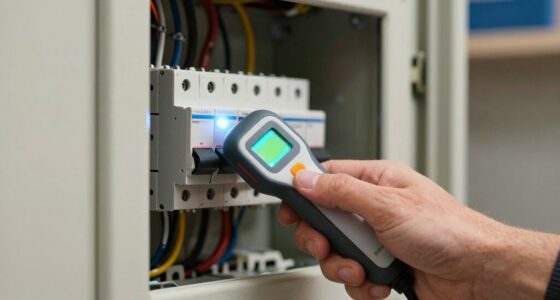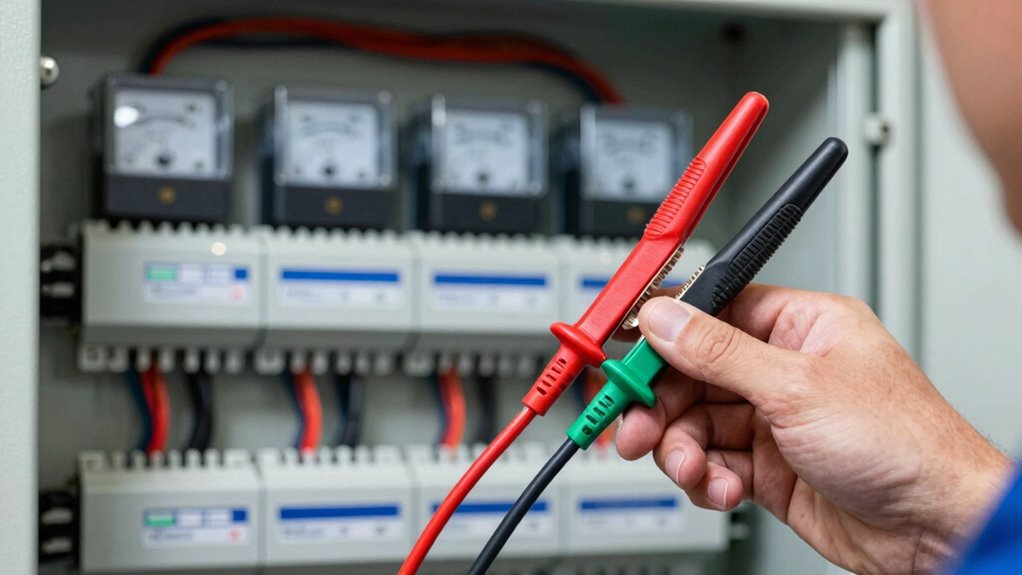

Using high-quality test leads is vital for accurate electrical work because they guarantee reliable measurements and help prevent errors that could cause safety hazards or equipment damage. Good leads with proper insulation reduce the risk of shocks and short circuits, and regular inspection keeps them safe and functional. Investing in quality leads means fewer replacements and more dependable results. If you want to understand how these leads improve your safety and accuracy, keep exploring the details.

Get backup power and energy gear delivered free with Prime
- Fast, free delivery on millions of items
- Prime Video, Amazon Music and more included
- Member-only deals all year
Key Takeaways
- High-quality test leads ensure accurate and reliable electrical measurements, preventing troubleshooting errors.
- They help reduce safety risks like electric shocks and short circuits through proper insulation and material integrity.
- Regular inspection and maintenance of quality leads extend their lifespan and maintain optimal performance.
- Durable materials in test leads withstand harsh environments, enhancing safety and reducing replacement costs.
- Using quality leads promotes compliance with safety standards and supports a safe, organized workspace.
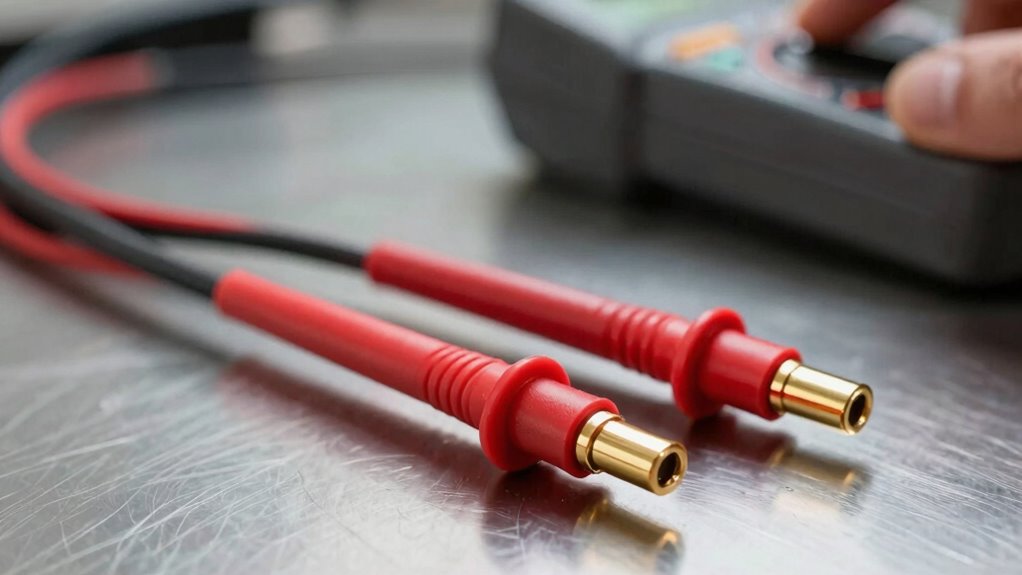
When it comes to electrical work, the quality of your test leads can make all the difference in guaranteeing accurate readings and safe operations. High-quality test leads are essential because they directly impact the reliability of your measurements. If your test leads are subpar, you risk inaccurate readings that could lead to faulty troubleshooting or even dangerous situations. Accurate measurements are critical for diagnosing issues effectively, and poor-quality leads can introduce errors that compromise your work. Investing in good test leads isn’t just about precision; it’s about safety too. Using reliable leads helps you avoid potential electrical shocks or equipment damage caused by faulty connections or insulation failures.
Safety protocols are at the core of any electrical job, and the right test leads support these protocols by minimizing risk. When your test leads are well-maintained and made from quality materials, they’re less likely to fail unexpectedly, which can prevent accidents. Cheaper or worn-out leads may have cracks, exposed wiring, or compromised insulation, all of which increase the chance of electric shock or short circuits. Regular equipment maintenance, including inspecting your test leads before use, guarantees that you’re not unknowingly using compromised tools. It’s a simple but essential step to guarantee your safety and the safety of others around you. Proper maintenance extends the lifespan of your test leads, keeping them performing at their best and reducing the need for frequent replacements. Additionally, utilizing landscaping in your workspace can help create a safer environment by reducing clutter and potential hazards around your electrical setup. Paying attention to material quality in your test leads can significantly impact their durability and safety features over time, especially when exposed to harsh environments. Ensuring that your workspace adheres to fire safety standards can also prevent hazards related to electrical faults and heat buildup, further emphasizing the importance of using high-quality, well-maintained test leads.
high quality electrical test leads
As an affiliate, we earn on qualifying purchases.
As an affiliate, we earn on qualifying purchases.
Frequently Asked Questions
How Often Should Test Leads Be Replaced for Safety?
You should replace test leads when their durability diminishes or signs of wear appear, typically every 1 to 2 years, depending on usage. Regularly inspecting for cracks, frays, or damaged insulation is essential. Frequent testing and replacement guarantee safety and accuracy. Remember, relying on high-quality test leads with good durability extends their lifespan, but never ignore visible damage—replacing them promptly reduces risk and maintains reliable electrical testing.
Are There Specific Certifications to Look for in Test Leads?
Think of test leads like the foundation of a building — if they’re not certified, cracks can appear. Look for certifications like IEC 61010 or CAT ratings, which guarantee durability and safety. Certified test leads meet strict standards, reducing risks and ensuring reliable readings. Investing in quality, certified leads means you’re safeguarding your work and avoiding costly mistakes, much like sturdy foundations prevent structural issues down the line.
Can Low-Quality Test Leads Cause False Readings?
Yes, low-quality test leads can cause false readings, risking your safety and accuracy. Poorly calibrated test leads may not meet electrical safety standards, leading to unreliable measurements. Always guarantee your test leads are properly calibrated and adhere to electrical safety standards, as this minimizes errors. Investing in high-quality test leads helps maintain measurement integrity and safety during electrical work, preventing costly mistakes or hazardous situations.
What Are the Signs of Damaged Test Leads?
Imagine a fragile spider web trembling with the slightest breeze—that’s what damaged test leads look like. Signs include cracked or frayed electrical insulation, exposed wires, or inconsistent readings. Poor test lead durability can cause these issues, leading to unsafe situations. Always inspect your test leads carefully; if you see any damage, replace them before proceeding. Trust in intact, well-insulated leads to keep your electrical work safe and accurate.
How Do Test Lead Materials Affect Electrical Safety?
Test lead materials directly impact your electrical safety by guaranteeing durability and reliable conductivity. High-quality materials meet strict conductivity standards, preventing overheating or short circuits during testing. Durable materials resist wear and tear, reducing the risk of exposed wires or breaks that could cause shocks. By choosing test leads made from robust, standards-compliant materials, you minimize hazards and ensure safe, accurate electrical testing every time.
insulated test leads for multimeter
As an affiliate, we earn on qualifying purchases.
As an affiliate, we earn on qualifying purchases.
Conclusion
Remember, using high-quality test leads is like planting a sturdy foundation for a house—without it, everything else risks falling apart. I once saw a technician trust cheap leads, only to face inaccurate readings that caused costly delays. Don’t let subpar tools be the weak link in your electrical projects. Invest in quality test leads, and you’ll build safety, accuracy, and confidence—because in electrical work, the right tools can make all the difference between success and failure.
As an affiliate, we earn on qualifying purchases.
As an affiliate, we earn on qualifying purchases.
Halloween Picks
halloween
As an affiliate, we earn on qualifying purchases.