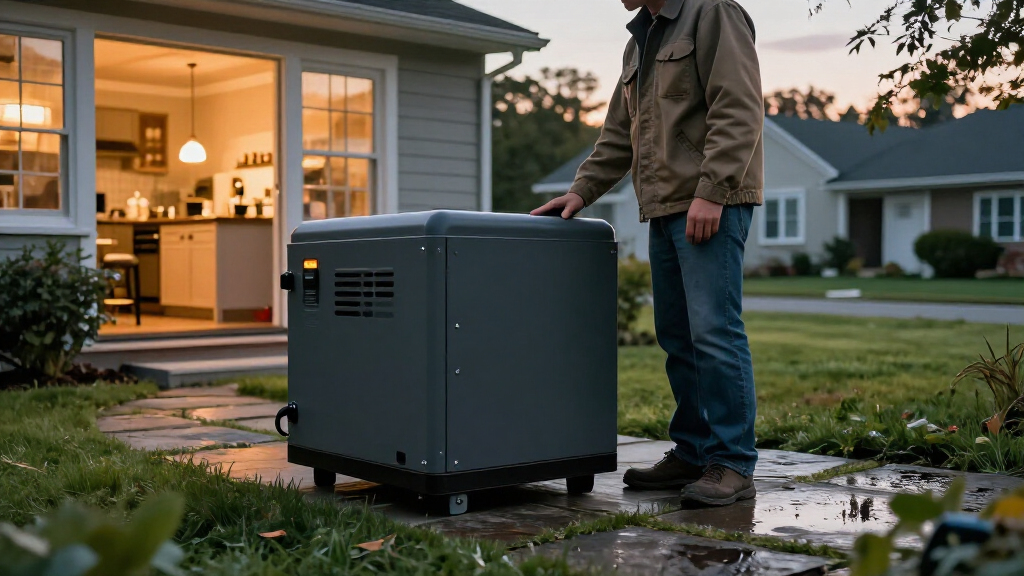
Whole-house standby generators can restore power automatically, but the right size depends on which appliances and systems you need to run at once. I rank the Generac 22 kW Whole Home Standby Generator with Cellular Connectivity as the best overall balance in this lineup; the Generac 14 kW Guardian models suit smaller, carefully managed loads, while the Generac 28 kW model is the higher-capacity choice for homes with heavier demand. The main tradeoffs are generator capacity, included transfer-switch equipment, and monitoring type, along with installation requirements that vary by property. Read on for the full comparison, buying guidance, and picks by household need.

Get backup power and energy gear delivered free with Prime
- Fast, free delivery on millions of items
- Prime Video, Amazon Music and more included
- Member-only deals all year
Complete the kit


Key Takeaways
- The 22 kW Generac models are the lineup’s middle ground: they offer more capacity than the 14 kW options without moving to the highest-output tier.
- Capacity alone does not define value: several listings include a transfer switch, while others do not specify one in the product name, so verify the complete package before comparing.
- The 14 kW options call for load planning: they are better suited to essential circuits or homes with modest simultaneous demand than to running every major appliance at once.
- The 26–28 kW models target larger or more demanding loads: buyers should confirm their electrical and fuel requirements rather than assuming extra capacity automatically means whole-home coverage.
- Monitoring and transfer-switch details separate similar Generac choices: Wi-Fi and cellular features may suit different connectivity needs, while the Kohler 26 kW option is the lineup’s non-Generac alternative.


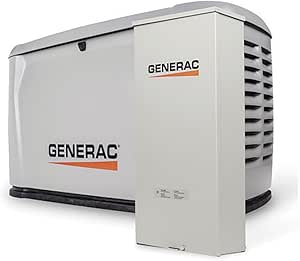


| whole house standby generator | Fuel | Voltage | Warranty | Connectivity |
|---|---|---|---|---|
| Generac 22 kW Whole Home Stand | Natural gas or propane | 240 volts | 5-year limited warranty | Built-in cellular; Mobile Link app |
| Generac 24 kW Whole-Home Stand | Natural gas or propane | 240 volts | 5-year limited warranty | Built-in cellular; Mobile Link app |
| Generac 14kW Whole Home Genera | LP or natural gas | 240 volts | — | — |
| Generac 18 kW Whole-Home Stand | Natural gas or liquid propane | 240 volts | — | Built-in cellular; Mobile Link app |
| Generac 28 kW Whole-Home Stand | LP or natural gas | 240 volts | 5-year limited warranty | Built-in cellular; Mobile Link app |
| Kohler 26RCAL-200SELS 26 kW Ai | Liquid propane or natural gas | — | 5 years | — |
| Generac 22 kW Whole-Home Stand | LP or natural gas | 240 V | 5-year limited warranty | Built-in cellular; Mobile Link premium subscription required |
| Generac Guardian 14 kW Home St | Natural gas or LP gas | 240 V | 5-year limited warranty | — |
| Generac 26 kW Whole-Home Stand | Natural gas or propane | 240 V | 5-year limited warranty | Built-in cellular; Mobile Link app monitoring and control |
| Generac Guardian 22 kW Home St | Natural gas or LP gas | — | 5-year limited warranty | — |
| Generac 26kW Whole Home Genera | Liquid propane or natural gas | 240 V | Five-year limited | — |
More Details on Our Top Picks
Generac 22 kW Whole Home Standby Generator with Cellular Connectivity
I’d put this 22 kW model near the top for households that want substantial automatic backup without stepping up to the lineup’s largest unit. It runs on natural gas or propane and includes cold-start support, oil-level monitoring, and built-in cellular connectivity for outage and maintenance updates. Compared with the Generac 24 kW Whole-Home Standby Generator, it gives up 2 kW of capacity, but its slightly lower output may be a sensible match for homes whose calculated load does not need the extra headroom. The shared cabinet dimensions and similar monitoring setup mean the choice is mainly about power demand, not a smaller footprint. At 451 pounds, installation calls for proper site preparation, and the app’s remote features require a premium subscription. I’d have a qualified installer verify load requirements and transfer-switch compatibility before choosing.
Pros:- Automatically supplies residential backup power during an outage
- Runs on an existing natural gas or propane supply
- Built-in cellular connectivity supports remote monitoring and control
- Cold-start support, oil-level monitoring, and a 5-year limited warranty
Cons:- Mobile Link remote features require a premium subscription
- At 451 pounds, it requires careful planning for delivery and installation
Best for: Homeowners who want automatic, remotely monitored backup and have a household load that fits a 22 kW generator.
Not ideal for: Owners with high simultaneous electrical demand who need more capacity, or buyers who do not want a paid subscription for cellular remote features.
- Fuel:Natural gas or propane
- Voltage:240 volts
- Connectivity:Built-in cellular; Mobile Link app
- Weight:451 pounds
- Dimensions:46.4 x 26.3 x 30.7 inches
- Warranty:5-year limited warranty
Our verdict“Choose this 22 kW model if your home’s load fits its capacity and you want cellular monitoring without moving up to the 24 kW unit.”
Generac 24 kW Whole-Home Standby Generator with Cellular Connectivity
The 24 kW output makes this a step up from the Generac 22 kW model for homes with greater backup demand, while retaining natural-gas or propane operation and automatic outage response. That additional capacity can provide more room for household loads, but it does not replace a load calculation: the right fit depends on which equipment runs at once and the transfer setup. Built-in cellular monitoring and maintenance alerts add remote visibility, though the Mobile Link premium subscription is required for those features. The cabinet dimensions match the 22 kW model, but this generator weighs 461 pounds, so the extra output does not come with a more compact installation. I’d favor it over the 22 kW option when a qualified installer confirms the added capacity is useful; buyers with more modest needs can avoid paying for output they may not use by choosing the lower-capacity model.
Pros:- Provides 24 kW of residential backup output
- Runs on natural gas or propane
- Automatically responds to outages and offers cellular maintenance alerts
- Includes cold-start support and a 5-year limited warranty
Cons:- Mobile Link remote monitoring requires a premium subscription
- Weighs 461 pounds and has the same cabinet dimensions as the lower-output 22 kW model
Best for: Households whose calculated backup load exceeds what a 22 kW generator can support and that want cellular maintenance alerts.
Not ideal for: Homes with modest backup requirements, or buyers seeking remote monitoring without a premium app subscription.
- Running wattage:24 kW
- Fuel:Natural gas or propane
- Voltage:240 volts
- Frequency:60 Hz
- Connectivity:Built-in cellular; Mobile Link app
- Weight:461 pounds
- Warranty:5-year limited warranty
Our verdict“Pick the 24 kW version over the Generac 22 kW when a load assessment shows your home needs the extra capacity.”
Generac 14kW Whole Home Generator, Transfer Switch & Cellular Capability
At 14 kW, this Generac is the capacity-conscious choice in a group that also includes 18, 22, 24, and 28 kW models. Its automatic start and cellular alerts suit homeowners who want essential circuits backed up and prefer remote status updates; the description also says it can serve an entire house, but actual coverage depends on the home’s load and installation. Compared with the Generac 18 kW Whole-Home Standby Generator, this model offers less output, so it is the better fit when a load calculation supports a smaller system rather than a way to power every appliance at once. Electronic fuel control and compatibility with Generac’s Home Energy ecosystem add useful integration options. The tradeoff is a still-substantial 391-pound unit and a premium subscription requirement for full Mobile Link monitoring.
Pros:- Automatically detects power loss and starts backup generation
- Cellular app capability provides remote monitoring and alerts
- Electronic fuel control is designed to improve efficiency and reduce emissions
- Compatible with Generac Home Energy products, including ecobee thermostats and PWRcell batteries
Cons:- Lower output than the 18 kW and larger generators in this group
- Full Mobile Link remote monitoring requires a premium subscription
- At 391 pounds, it requires planned delivery and installation
Best for: Homeowners who want automatic backup for essential circuits and have a load assessment that fits a 14 kW system.
Not ideal for: Households planning to run many large electrical loads at once, or buyers who want full cellular monitoring without a subscription.
- Maximum power output:14 kW
- Running wattage:14,000 watts
- Fuel:LP or natural gas
- Voltage:240 volts
- Frequency:60 hertz
- Weight:391 pounds
- Dimensions:46.4 x 26.3 x 30.7 inches
- Material:Stainless steel
Our verdict“Choose this model for essential-circuit coverage when a verified load calculation favors 14 kW over the larger Generac 18 kW.”
Generac 18 kW Whole-Home Standby Generator with Cellular Connectivity
The Generac 18 kW sits between the 14 kW and 22 kW options, giving buyers a middle-capacity choice rather than forcing a jump to a larger system. It automatically detects an outage and uses an existing natural gas or liquid propane supply; cold-start improvements and oil-level sensors support readiness in challenging weather. Built-in cellular connectivity offers remote monitoring and control, but the Mobile Link premium subscription adds an ongoing requirement that does not apply to the generator’s core automatic operation. Compared with the Generac 14kW Whole Home Generator, it supplies more output for households with additional loads; compared with the Generac 22 kW, it may be a better fit where a load calculation does not justify the extra capacity. The 426-pound weight and shared cabinet dimensions make installation planning important, and the listed starting-wattage figure is unusual, so I’d confirm specifications with the seller or installer.
Pros:- Provides an 18 kW middle ground between smaller and higher-capacity models
- Automatically starts when utility power fails
- Uses natural gas or liquid propane
- Includes cold-start improvements, oil-level sensors, and cellular capability
Cons:- Mobile Link remote monitoring and control require a premium subscription
- Weighs 426 pounds, complicating delivery and placement
- The supplied starting-wattage specification should be confirmed before purchase
Best for: Homeowners whose backup needs fall above a 14 kW system but do not call for the capacity of a 22 kW generator.
Not ideal for: Buyers needing greater verified capacity, or those who want cellular remote features without a premium subscription.
- Power output:18,000 watts (18 kW)
- Listed starting wattage:180,000 watts
- Fuel:Natural gas or liquid propane
- Voltage:240 volts
- Features:Automatic idle control, dual fuel, enclosed design, overload protection
- Connectivity:Built-in cellular; Mobile Link app
- Weight:426 pounds
- Dimensions:46.4 x 26.3 x 30.7 inches
Our verdict“Choose the 18 kW model when your load assessment calls for more than 14 kW but does not support stepping up to the Generac 22 kW.”
Generac 28 kW Whole-Home Standby Generator with Transfer Switch and Cellular Monitoring
With 28 kW of output, this is the highest-capacity option among the five products in this batch. It is aimed at homes with substantial backup loads, not buyers who simply want the largest number on a spec sheet: a qualified installer should check the home’s demand, fuel supply, and transfer-switch arrangement first. Compared with the Generac 24 kW model, the 28 kW offers more rated output, while both use natural gas or propane and provide cellular monitoring through Mobile Link. Remote app features require a premium subscription, so connectivity carries a continuing cost beyond installation. This unit also weighs 524 pounds, the heaviest in this batch, and its cabinet dimensions are similar to the smaller models. Cold-start support, oil-level monitoring, and a 5-year limited warranty round out the package, but the extra capacity brings a more demanding placement and delivery plan.
Pros:- Highest rated output in this five-product batch at 28 kW
- Runs on an existing LP or natural gas supply
- Includes cellular monitoring, cold-start support, and oil-level monitoring
- Comes with a 5-year limited warranty
Cons:- Mobile Link remote features require a premium subscription
- At 524 pounds, it is the heaviest generator in this batch
- Higher capacity may be unnecessary when a home’s calculated load is lower
Best for: Owners of larger homes with high electrical demand whose installer confirms a 28 kW system and fuel supply are appropriate.
Not ideal for: Households with lower backup loads, tight access for delivery, or no interest in paying for cellular app features.
- Running wattage:28 kW
- Fuel:LP or natural gas
- Voltage:240 volts
- Frequency:60 hertz
- Connectivity:Built-in cellular; Mobile Link app
- Weight:524 pounds
- Dimensions:46.4 x 26.3 x 30.7 inches
- Warranty:5-year limited warranty
Our verdict“Choose the 28 kW model over the Generac 24 kW when a professional load assessment justifies the added capacity and your site can handle its weight.”
Kohler 26RCAL-200SELS 26 kW Air-Cooled Standby Generator with 200 Amp Transfer Switch
The Kohler 26RCAL-200SELS pairs 26 kW output on propane with a 200 amp automatic transfer switch, making it a strong fit for homes where quick, unattended restoration matters. Its stated 10-second response gives it a clear point of difference from the Generac 26 kW Whole-Home Standby Generator with Cellular Connectivity, which offers the same listed output but highlights remote monitoring rather than a specific recovery time. Kohler also accepts natural gas or liquid propane, though output falls to 24 kW on natural gas, so fuel choice affects available capacity. The commercial-grade engine is described as designed for extreme weather, but that does not make this a light-duty installation: at 625 pounds, it is heavier than the Generac 26 kW. I’d shortlist it for buyers prioritizing automatic response and a bundled switch, not those who need an easier-to-position unit.
Pros:- Runs on either liquid propane or natural gas.
- Includes a 200 amp automatic transfer switch.
- Specified to restore power within 10 seconds.
- Commercial-grade engine is described as designed for extreme weather.
Cons:- At 625 pounds, it is the heaviest of these five options.
- Output is 24 kW on natural gas rather than 26 kW on propane.
Best for: Homeowners with a 200 amp service who want a high-capacity generator, automatic transfer, and a stated fast response, especially if propane is their preferred fuel.
Not ideal for: Buyers who need a lighter installation or plan to run on natural gas while relying on the full 26 kW rating; its weight and lower natural-gas output are meaningful limits.
- Engine:999 cc Command Pro V-Twin, 4-stroke
- Fuel:Liquid propane or natural gas
- Transfer switch:200 amp automatic
- Voltage and frequency:240 V, 60 Hz
- Starting method:Electric start
- Dimensions and weight:47 × 26 × 32 in; 625 lb
- Warranty:5 years
Our verdict“Choose the Kohler if quick automatic recovery and propane-rated 26 kW capacity matter more than installation weight.”
Generac 22 kW Whole-Home Standby Generator with 200 Amp Transfer Switch and Cellular Connectivity
This 22 kW Generac is the monitoring-focused choice for homeowners who want to check generator status and receive maintenance alerts away from home. Its built-in cellular connection distinguishes it from the Generac Guardian 22 kW Home Standby Generator with Transfer Switch and Wi-Fi Monitoring: cellular does not depend on the home’s Wi-Fi network, though this model’s Mobile Link features require a premium subscription. Both offer 22 kW and a 200 amp automatic transfer switch, so the deciding factor is connectivity preference rather than listed capacity. Cold-start support, oil-level sensors, and low-oil shutdown add useful operating safeguards, while the 5-year limited warranty and 24/7 customer support add ownership support. At 451 pounds, it is still a substantial permanent-installation unit, and buyers who do not want subscription-based app access may prefer the Wi-Fi Guardian.
Pros:- Provides 22 kW of residential standby output.
- Includes a 200 amp automatic transfer switch.
- Built-in cellular connectivity supports remote monitoring and maintenance alerts.
- Includes cold-start support, oil-level safeguards, a 5-year limited warranty, and 24/7 customer support.
Cons:- Mobile Link remote features require a premium subscription.
- At 451 pounds, it requires a permanent installation and suitable handling.
Best for: Homeowners who want cellular-based status checks and maintenance alerts, particularly where home Wi-Fi coverage is unreliable near the generator.
Not ideal for: Buyers who want app monitoring without a recurring premium subscription or who prefer a lighter, portable backup solution.
- Output:22 kW (22,000 W)
- Fuel:LP or natural gas
- Voltage:240 V
- Transfer switch:200 amp automatic
- Connectivity:Built-in cellular; Mobile Link premium subscription required
- Listed features:Cold-start support, oil-level sensors, automatic voltage regulation, low-oil shutdown
- Dimensions and weight:46.4 × 26.3 × 30.7 in; 451 lb
- Warranty:5-year limited warranty
Our verdict“Pick this Generac if cellular monitoring and support matter more to you than avoiding a subscription for app features.”
Generac Guardian 14 kW Home Standby Generator with Transfer Switch and Wi-Fi Monitoring
At 14 kW, this Guardian is the lower-capacity pick in this group, suited to buyers who want standby coverage for selected household needs rather than the broader output of the 22 kW and 26 kW models. It includes a 200 amp transfer switch and Wi-Fi monitoring for status and maintenance alerts, giving it a useful control package without the cellular subscription requirement listed for the Generac 22 kW Whole-Home Standby Generator with Cellular Connectivity. Its 16,800 W starting wattage provides more starting capacity than its 14,000 W rating, but load planning still matters: larger simultaneous demands may call for one of the higher-output generators. The G-Force 800 Series engine is described as designed for reliable operation with reduced maintenance. At 385 pounds it is the lightest option here, although it remains a heavy fixed-installation unit and calls for qualified installation.
Pros:- Includes a 200 amp transfer switch.
- Wi-Fi monitoring provides generator status and maintenance alerts.
- Runs on natural gas or LP gas.
- Lowest listed weight among these five generators at 385 pounds.
Cons:- Its 14 kW rated output is well below the 22 kW and 26 kW options in this lineup.
- Installation is recommended by a certified, licensed electrician.
Best for: Households prioritizing essential circuits and remote Wi-Fi status alerts over running a broad set of large electrical loads at once.
Not ideal for: Owners who expect high simultaneous demand from major appliances or want the greater capacity of a 22–26 kW whole-home model.
- Starting wattage:16,800 W
- Fuel:Natural gas or LP gas
- Transfer switch:200 A
- Engine:Generac G-Force 800 Series, 816 cc
- Voltage:240 V
- Dimensions and weight:48 × 25 × 29 in; 385 lb
- Warranty:5-year limited warranty
Our verdict“Choose this Guardian when essential-load coverage and Wi-Fi monitoring are a better fit than the higher capacity of the 22 kW models.”
Generac 26 kW Whole-Home Standby Generator with Cellular Connectivity
This Generac’s main appeal is its combination of 26 kW output and built-in cellular monitoring, aimed at homes with heavier backup loads and owners who want to check status remotely. Compared with the Generac 22 kW Whole-Home Standby Generator with 200 Amp Transfer Switch and Cellular Connectivity, it offers 4 kW more listed capacity, while retaining similar cellular app features and the same need for a Mobile Link premium subscription. It runs on natural gas or propane and includes cold-start support, oil-level monitoring, and low-oil shutdown, giving buyers useful operating safeguards. The tradeoff is physical: at 524 pounds, it is heavier than the 22 kW cellular model, and the supplied product data does not list a transfer switch. I’d verify switch and installation requirements before choosing it over the Kohler 26RCAL, which explicitly includes a 200 amp switch.
Pros:- Offers 26 kW of listed residential output.
- Runs on natural gas or propane.
- Built-in cellular connectivity supports remote monitoring and maintenance alerts.
- Includes cold-start support, oil-level monitoring, and a 5-year limited warranty.
Cons:- Mobile Link app features require a premium subscription.
- At 524 pounds, it is difficult to position and install.
- The supplied product details do not specify an included transfer switch.
Best for: Homeowners with substantial backup loads who want 26 kW capacity and cellular monitoring and are prepared to confirm transfer-switch requirements.
Not ideal for: Buyers seeking a clearly bundled 200 amp transfer switch, subscription-free app access, or a lighter unit.
- Output:26 kW (26,000 W)
- Fuel:Natural gas or propane
- Voltage:240 V
- Engine and ignition:Internal combustion; electronic ignition
- Connectivity:Built-in cellular; Mobile Link app monitoring and control
- Listed features:Cold-start support, oil-level monitoring, automatic voltage regulation, low-oil shutdown
- Dimensions and weight:46.4 × 26.3 × 30.7 in; 524 lb
- Warranty:5-year limited warranty
Our verdict“Choose this model for 26 kW capacity with cellular monitoring, after confirming the transfer switch and subscription needs fit your installation.”
Generac Guardian 22 kW Home Standby Generator with Transfer Switch and Wi-Fi Monitoring
The Guardian 22 kW combines a 200 amp outdoor transfer switch with Wi-Fi monitoring, making it a straightforward choice for buyers who want automatic household backup and local-network status alerts. Its output matches the Generac 22 kW Whole-Home Standby Generator with Cellular Connectivity, but the connection type changes the ownership fit: this Guardian uses Wi-Fi, while the cellular model can monitor independently of the home network and requires a premium subscription for app features. The G-Force 1000 Series engine is described as designed for reduced maintenance, and the generator accepts natural gas or LP. Its 999 cc engine and 22 kW rating sit below the 26 kW options, including the Kohler 26RCAL-200SELS, so homes with heavier simultaneous loads may need more capacity. At 466 pounds, it also calls for professional planning and handling.
Pros:- Provides 22 kW of automatic residential backup power.
- Includes a 200 amp NEMA 3R outdoor transfer switch.
- Wi-Fi monitoring provides generator status and maintenance alerts.
- Runs on natural gas or LP and uses a G-Force engine designed for reduced maintenance.
Cons:- Wi-Fi monitoring depends on a suitable home network.
- At 466 pounds, it requires careful handling and permanent installation.
- Its output is lower than the 26 kW options in this roundup.
Best for: Homeowners with reliable Wi-Fi who want a 22 kW standby unit and an included 200 amp outdoor transfer switch.
Not ideal for: Buyers with weak or unavailable Wi-Fi near the generator, or homes whose expected simultaneous loads call for 26 kW capacity.
- Power output:22 kW (22,000 W)
- Fuel:Natural gas or LP gas
- Engine:Generac G-Force 1000 Series, 999 cc
- Transfer switch:200 amp, NEMA 3R
- Voltage and frequency:240 V, 60 Hz
- Monitoring:Mobile Link Wi-Fi
- Dimensions and weight:50 × 27 × 29 in; 466 lb
- Warranty:5-year limited warranty
Our verdict“Pick this Guardian if you have dependable Wi-Fi and want a 22 kW package with the transfer switch explicitly included.”
Generac 26kW Whole Home Generator, Transfer Switch & Cellular Capability
I’d choose this 26 kW Generac when a home needs more output headroom than the 22 kW and 24 kW Generac options in this roundup. It can supply essential circuits or an entire house, though the actual load it can support depends on the home’s appliances and installation. The included 200 A transfer switch handles automatic changeover, while cellular monitoring can send performance updates and alerts through Mobile Link. That remote access is useful when the property is unattended, but the premium monitoring service requires a paid subscription.
Cold-start enhancements, oil sensors, and a five-year limited warranty add practical reassurance, but this is no compact installation: at 524 lb, it needs a suitable site and professional setup. I’d compare it with the 28 kW Generac if maximum listed capacity is the priority; this 26 kW model is a more moderate high-output choice, but it still calls for careful load planning and a qualified electrician.
Pros:- 26 kW capacity offers more output than the 22 kW and 24 kW Generac options in this roundup.
- Included 200 A transfer switch supports automatic outage changeover.
- Cellular Mobile Link monitoring provides remote performance updates and alerts.
- Cold-start enhancements, oil sensors, and a five-year limited warranty support dependable ownership.
Cons:- At 524 lb and 46.4 inches long, it needs significant space and professional installation.
- Remote monitoring features require a paid Mobile Link premium subscription.
- Transfer-switch installation typically requires a qualified electrician.
Best for: Homeowners with substantial electrical loads who want automatic backup, an included 200 A transfer switch, and remote cellular monitoring.
Not ideal for: Owners with limited installation space, smaller backup needs, or no interest in paying for Mobile Link premium monitoring.
- Fuel:Liquid propane or natural gas
- Voltage:240 V
- Frequency:60 Hz
- Transfer switch:200 A included
- Dimensions (L × W × H):46.4 × 26.3 × 30.7 in
- Weight:524 lb
- Warranty:Five-year limited
Our verdict“Choose this model for higher-capacity automatic home backup with cellular monitoring, provided your site can accommodate a large generator and your electrician confirms the load plan.”

How We Picked
I compared the 11 listed generators using the details available in their product names: stated output, transfer-switch inclusion, and monitoring method. I treated these as clues to fit, not proof that a unit can power every circuit in every home; actual coverage depends on electrical loads, starting demand, fuel supply, and installation design. I also favored listings that make the system components easier to identify, since a generator and a compatible transfer switch need to work together.
The ranking gives the strongest position to flexible mid-capacity options, then separates smaller essential-load choices from higher-output models designed for heavier demand. A named transfer switch and clear monitoring description improve a product’s practical appeal, but they do not replace a load calculation or installer confirmation. The lineup has multiple closely related Generac models, so I distinguish them by the stated package and monitoring rather than treating near-identical capacity figures as meaningfully different performance. The Kohler earns a distinct place as the alternative brand, though its fit still depends on local service and installation support.
| whole house standby generator | Fuel | Connectivity |
|---|---|---|
| Generac 22 kW Whole Home Stand | Natural gas or propane | Built-in cellular; Mobile Link app |
| Generac 24 kW Whole-Home Stand | Natural gas or propane | Built-in cellular; Mobile Link app |
| Generac 14kW Whole Home Genera | LP or natural gas | — |
| Generac 18 kW Whole-Home Stand | Natural gas or liquid propane | Built-in cellular; Mobile Link app |
| Generac 28 kW Whole-Home Stand | LP or natural gas | Built-in cellular; Mobile Link app |
| Kohler 26RCAL-200SELS 26 kW Ai | Liquid propane or natural gas | — |
| Generac 22 kW Whole-Home Stand | LP or natural gas | Built-in cellular; Mobile Link premium subscription required |
| Generac Guardian 14 kW Home St | Natural gas or LP gas | — |
| Generac 26 kW Whole-Home Stand | Natural gas or propane | Built-in cellular; Mobile Link app monitoring and control |
| Generac Guardian 22 kW Home St | Natural gas or LP gas | — |
| Generac 26kW Whole Home Genera | Liquid propane or natural gas | — |
Factors to Consider When Choosing Whole House Standby Generators
Before choosing among these models, decide what “whole house” means for your household. A generator may cover essential circuits, selected high-draw appliances, or a broader set of loads depending on its capacity and how the electrical system is configured. These factors can prevent an expensive mismatch between the unit you buy and the backup coverage you expect.
Size for simultaneous demand, not the house label
Square footage alone cannot tell you which generator size will work. List the appliances and systems you expect to operate at the same time, including heating or cooling equipment, a well pump, refrigeration, and cooking loads. Motors can draw more power at startup than during normal operation, so ask an electrician to account for starting demand as well as running demand. A 14 kW model may be a sensible fit when you prioritize selected circuits, but it can require careful load management. Moving to 22 kW or higher may support more simultaneous use, yet only a site-specific calculation can confirm that. Avoid choosing the biggest listed unit by default; it may add capacity you cannot use while leaving fuel and installation questions unanswered.
Define what whole-home coverage means to you
Some owners want lights, refrigeration, and communications; others expect heating, cooling, laundry, and cooking to run during an outage. Those expectations lead to different system designs even in houses of similar size. Ask whether the installation will back up the entire panel or selected circuits, and how the installer will handle loads that exceed generator capacity. Load-shedding equipment or staged operation may let a smaller generator support more priorities, but it changes how appliances behave during an outage. Put your must-run loads in writing before requesting a quote. This makes comparisons between a 14 kW unit and a 26–28 kW option more meaningful than relying on broad “whole house” wording.
Check the transfer-switch package and system scope
A standby generator needs a transfer switch to route power safely between utility service and generator supply. In this lineup, some product names explicitly include a 200 amp or other transfer switch, while others do not name one. Confirm the exact switch model, amperage, compatibility, and included accessories in the seller’s package rather than inferring them from a generator listing. A 200 amp switch label does not mean the generator can supply 200 amps of load; generator output and service-panel capacity are separate figures. Also ask whether required wiring, permits, a concrete pad, and connection materials are part of the installation quote. The lowest-friction choice is often the package whose system components are clearly specified, not simply the one with the largest output.
Choose monitoring around your home’s connectivity
Cellular and Wi-Fi monitoring can provide status information and alerts, but they rely on different connections and may involve separate service requirements. Check whether the monitoring feature needs a subscription, a strong signal at the installation location, or a home network that remains available during outages. A router connected to the same electrical supply may lose service unless it is backed up too. Cellular connectivity can avoid dependence on the household network, though signal quality still matters. Monitoring is useful for remote awareness, but it does not replace periodic maintenance or a clear plan for responding to a fault. Pick the connection method that is practical at your property rather than treating one label as automatically superior.
Verify fuel supply and installation conditions early
Fuel type, available supply, and local rules can narrow your choices before capacity does. Have an installer confirm that the property’s natural-gas line or propane setup can support the generator under expected load, and ask what changes would be required. Placement also affects sound exposure, service access, exhaust clearance, and compliance with local codes or utility requirements. A larger generator may need different site preparation and fuel planning than a smaller unit. Get a written assessment of these conditions before ordering, especially if the proposed location is close to windows, property lines, or shared spaces. A compatible generator on paper is not a workable backup system until the site can support it safely.
Compare ownership support, not just hardware
Standby generators need routine service, and access to trained technicians can matter more during a long outage than a small difference in listed capacity. Ask who handles commissioning, scheduled maintenance, warranty work, and urgent repairs in your area. Compare maintenance intervals and required service tasks using the manufacturer documentation for the exact model. Brand preference can be less useful than the availability of qualified local support, particularly when comparing the Generac-heavy lineup with the Kohler alternative. Request a full installed-system proposal that identifies the generator, switch, site work, fuel work, permits, and ongoing service assumptions. That gives you a clearer ownership comparison than a product listing alone.
Frequently Asked Questions
How do I know whether 14 kW is enough for my home?
Start with the circuits and appliances you want available during an outage, then have an electrician calculate their running and startup loads. A 14 kW generator is more naturally suited to a defined set of essential loads than to unrestricted use of every major appliance. Homes with electric heating, central air conditioning, well pumps, or multiple large appliances running together may need a larger unit or a load-management plan. Ask whether the proposed design will shed selected loads automatically when demand rises. Do not decide from square footage or a product title alone.
Does a 200 amp transfer switch mean the generator can power a 200 amp load?
No. The transfer-switch rating refers to the switch’s service capacity, while the generator has its own output limit. A 200 amp switch can be part of a system connected to a 200 amp service, but the generator may provide far less power than the home could draw from the utility. The installer must match the generator, switch, panel, and load-management approach. Ask for the generator’s usable output and a written description of which circuits will remain powered.
Should I choose cellular monitoring or Wi-Fi monitoring?
Choose based on which connection is more dependable at the generator location and during an outage. Wi-Fi monitoring uses the home network, which may need backup power to stay online; cellular monitoring can work independently of that network but still depends on local signal coverage and its service terms. Confirm whether the exact model includes the monitoring hardware and whether ongoing connectivity has a separate requirement. Either option can provide useful status alerts, but neither takes the place of regular maintenance or a service plan.
If the product name includes a transfer switch, is the system ready to install?
Not necessarily. A transfer switch in the package does not confirm that the switch matches your panel, that the site has suitable fuel capacity, or that permits and installation work are covered. Check the exact switch specifications, included components, and any exclusions with the seller and installer. The installation may also require wiring, site preparation, fuel-line changes, and local approvals. Get a complete written scope before treating a bundled listing as a ready-to-run system.
When does it make sense to choose a 26–28 kW generator over a 22 kW model?
The higher-capacity tier may fit a home with larger simultaneous loads or a goal of operating more equipment without active load management. It is not automatically the better choice if your essential circuits use much less power or your fuel supply cannot support the larger unit. Have an installer compare startup loads, expected operating loads, and fuel requirements for both sizes. Also check whether the added capacity changes the site work, service needs, or installation plan. Choose the larger model when a load calculation supports it, not simply as a hedge against uncertainty.
Conclusion
For most buyers seeking a balanced starting point, I recommend the Generac 22 kW Whole Home Standby Generator with Cellular Connectivity as the best overall pick in this lineup. For value, I would start with the 14 kW Generac options if a load calculation confirms that essential circuits are enough; they are not a shortcut to full, unrestricted coverage. Buyers wanting more output can compare the Generac 28 kW model as the premium, higher-capacity choice, while the Generac Guardian 14 kW Wi-Fi model is a straightforward fit for beginners with modest backup needs and a dependable home network. If you need a named 200 amp transfer-switch package or want a non-Generac alternative, compare the relevant bundled Generac models with the Kohler 26 kW option and confirm local service support. I would make the final choice only after an installer verifies loads, fuel supply, switch compatibility, and the full installation scope.
Halloween Picks
halloween
As an affiliate, we earn on qualifying purchases.