
Buzzing or humming in your light fixture often results from loose wiring, faulty connections, or vibrations caused by poor-quality bulbs or incompatible dimmer switches. Issues with fixture design or worn internal parts can also contribute to noise. Sometimes, the problem stems from vibrations transmitted through the fixture due to manufacturing flaws or improper installation. If you want to identify the precise cause and fix it safely, there’s more to discover below.

Get backup power and energy gear delivered free with Prime
- Fast, free delivery on millions of items
- Prime Video, Amazon Music and more included
- Member-only deals all year
Key Takeaways
- Loose or faulty wiring connections can cause vibrations and produce humming sounds in fixtures.
- Incompatible or low-quality bulbs may vibrate, leading to buzzing or flickering noises.
- Dimmer switches not suited for the bulb type can generate vibrations and humming.
- Internal fixture components or design flaws can vibrate at certain frequencies, creating noise.
- Poor manufacturing quality or worn parts can cause fixtures to rattle or produce buzzing sounds.
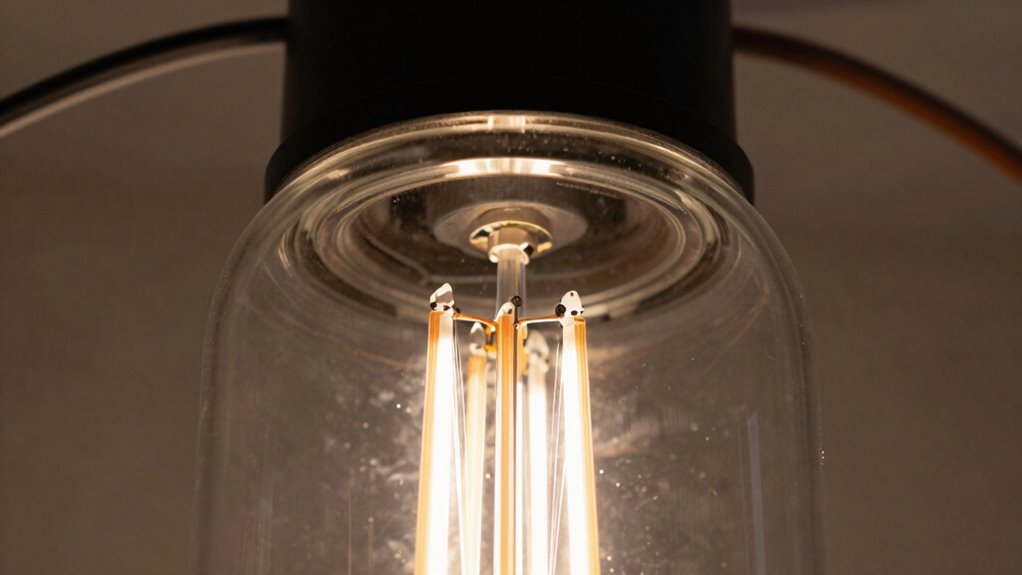
Have you ever noticed a buzzing or humming sound coming from your light fixtures? If so, you’re not alone. This common issue can be caused by several factors, and understanding the underlying reasons can help you troubleshoot and fix it efficiently. One of the most frequent culprits is the electrical wiring behind your fixtures. Over time, loose connections or faulty wiring can create vibrations that produce a buzzing noise. When wires aren’t securely connected, they can generate a subtle but persistent hum as electricity passes through them. This isn’t just an annoyance—it can also pose safety risks, so it’s vital to address wiring issues promptly.
Another common source of buzzing in light fixtures relates to the type of bulbs you’re using. Certain bulbs, especially older incandescent or low-quality LEDs, can cause vibrations in the fixture or flickering that results in noise. Upgrading to high-quality, compatible bulbs often reduces this problem. However, wiring and bulb quality aren’t the only factors at play. The presence of dimmer switches can greatly influence the noise level. Dimmer switches, especially those not designed for use with certain types of bulbs, can cause humming sounds. This occurs because dimmers work by rapidly switching the electrical current on and off, and if they aren’t compatible with the bulb or aren’t installed correctly, they can generate vibrations that lead to a hum.
Using incompatible bulbs or faulty dimmers can cause buzzing and flickering in your fixtures.
If your light fixture is connected to a dimmer switch, consider whether it’s compatible with your bulb type. Many older dimmers are designed for incandescent bulbs and may not work well with LEDs or CFLs. Replacing the dimmer switch with a modern, LED-compatible model can often eliminate the humming. Additionally, if the dimmer isn’t installed properly or if it’s faulty, it can cause vibration in the electrical wiring or the fixture itself, resulting in noise. Making sure all connections are tight and secure is essential; loose wiring inside the switch or fixture can cause vibrations that translate into audible buzzing. Addressing Electrical wiring issues, in particular, is crucial since they can be a common cause of persistent buzzing and should be inspected by a professional if you’re unsure. Proper installation techniques and understanding wiring standards can significantly reduce noise issues.
In some cases, the buzzing can also stem from the fixture itself, especially if it has a poorly designed or damaged component. Sometimes, the fixture’s internal parts vibrate at certain frequencies when powered, creating sound. If you’ve checked the wiring and replaced incompatible dimmer switches but still hear noise, it might be time to examine or replace the fixture. It’s also helpful to consider fixture design and whether certain materials or construction methods contribute to noise. Additionally, considering manufacturing quality can help identify fixtures that are more prone to vibration issues. Overall, buzzing or humming in light fixtures usually points to issues with electrical wiring, incompatible dimmer switches, or bulb quality. Addressing these factors carefully will not only restore quiet to your space but also guarantee your lighting setup remains safe and efficient.
LED dimmer switch compatible with LED bulbs
As an affiliate, we earn on qualifying purchases.
As an affiliate, we earn on qualifying purchases.
Frequently Asked Questions
Can Buzzing Be a Sign of Electrical Danger?
Buzzing in light fixtures can indeed be a sign of electrical danger. It’s essential to prioritize electrical safety and avoid disregarding these sounds. You should seek a sound diagnosis from a qualified electrician to identify the cause. Persistent buzzing could indicate loose wiring, overloaded circuits, or faulty components, which pose risks like fire hazards. Addressing these issues promptly ensures your safety and prevents potential electrical failures.
How Do I Identify the Source of Humming in Fixtures?
Think of your light fixture as a delicate dance, where vibrations and interference disturb the rhythm. To identify the source of humming, listen closely to pinpoint where the vibrations are strongest. Check for loose bulbs or fittings causing fixture vibrations. Electrical interference from nearby appliances or faulty wiring could also be the culprit. Tighten connections, replace worn components, and consider turning off other devices to isolate the source and restore harmony.
Are Certain Bulb Types More Prone to Buzzing?
Yes, certain bulb types are more prone to buzzing. Incandescent bulbs often hum less due to their simple filament design, while CFLs and LED bulbs can buzz more if they’re not compatible with your fixture. Ensuring bulb compatibility and considering fixture design helps minimize noise. When bulbs are mismatched or incompatible, vibrations increase, leading to buzzing. Always check the manufacturer’s recommendations to reduce humming and improve fixture performance.
Is Buzzing Common in LED Light Fixtures?
Buzzing is quite common in LED light fixtures, especially if you have dimming switches. The vibrations caused by incompatible dimmers can make the electrical components rattle, leading to that noise. You might need to upgrade your dimmer or check if the fixture’s vibrations are from loose parts. Don’t ignore it—addressing these issues can prevent future problems and make certain your lighting stays bright and quiet.
When Should I Call an Electrician for Buzzing Lights?
You should call an electrician if your buzzing lights are persistent or worsening, especially when using lighting dimmers or experiencing fixture vibrations. Buzzing can indicate loose wiring, incompatible dimmers, or faulty fixtures that pose safety risks. An electrician will diagnose the issue safely, check if your dimmers need replacing, and confirm everything is properly grounded. Don’t ignore ongoing noise, as it could lead to electrical failures or fire hazards.
As an affiliate, we earn on qualifying purchases.
Conclusion
So, next time your light fixture hums like a rock concert, don’t just ignore it — consider it your home’s way of saying, “Hey, I’m a little stressed!” Whether it’s loose wiring, a faulty bulb, or a dimmer switch throwing a tantrum, addressing these issues keeps your home peaceful and your electricity happy. Because, frankly, who needs a personal concert in the living room when you can have a quiet, humming-free sanctuary?
electrical wiring tester for light fixtures
As an affiliate, we earn on qualifying purchases.
As an affiliate, we earn on qualifying purchases.
As an affiliate, we earn on qualifying purchases.
Halloween Picks
halloween
As an affiliate, we earn on qualifying purchases.