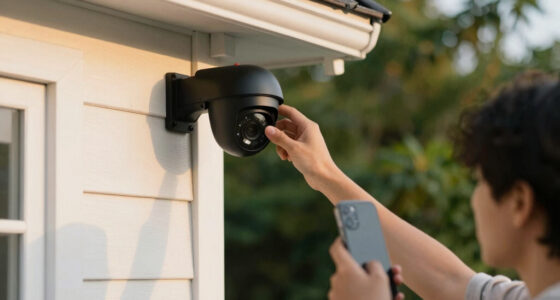
The best smart thermostats in 2027 do more than adjust your home’s temperature—they learn your routines, integrate with your smart home ecosystem, and help cut energy waste. After comparing 15 leading models, the ecobee Smart Thermostat Premium stands out as the best overall for its built-in Siri and Alexa, bundled room sensor, and polished app experience. The Google Nest Learning Thermostat (4th Gen) is a close contender for its self-learning scheduling, while the Honeywell Home X8S appeals to those who prioritize a premium hardware design and granular control. The main tradeoffs you’ll face are between learning algorithms and manual scheduling, plus which voice assistant and smart home protocols you already use. Keep reading for the full breakdown of all 15 models, including who each one suits best.

Get backup power and energy gear delivered free with Prime
- Fast, free delivery on millions of items
- Prime Video, Amazon Music and more included
- Member-only deals all year
Key Takeaways
- The ecobee Smart Thermostat Premium and Google Nest Learning Thermostat (4th Gen) are the only models with built-in voice assistants, making them the strongest picks for hands-free control without needing separate smart speakers.
- Room sensors separate the premium tier: ecobee‘s SmartSensor and Honeywell‘s X8S sensor support deliver per-room temperature management, while cheaper models like the Amazon Smart Thermostat and meross MTS300 lack this capability entirely.
- C-wire requirements are the biggest installation barrier—most models need a common wire, but the Google Nest Learning Thermostat E and Sensi ST55 offer battery power or alternatives that ease retrofits in older homes.
- Ecosystem lock-in is real: Google Nest thermostats work natively with Google Home but have limited HomeKit support, while ecobee and Aqara offer broad compatibility including Matter, making them safer for mixed-ecosystem households.
- Energy reporting varies widely—ecobee and Honeywell X8S provide detailed usage insights and alerts, whereas budget picks like the Amazon Smart Thermostat and meross MTS300 offer only basic scheduling with minimal data feedback.
| Honeywell Home RTH9585WF1004 Wi-Fi Smart Color Programmable Thermostat |  | Best for Clear On-Wall Controls | Model: RTH9585WF1004 | Connectivity: Wi-Fi | Display: Customizable color touchscreen | VIEW LATEST PRICE | See Our Full Breakdown |
| Google Nest Learning Thermostat Pro Edition (4th Gen, 2024) with Temperature Sensor, Polished Silver |  | Best for Learning and Room-Based Comfort | Generation: 4th Gen (2024) | Model number: G5AJK GJQ8U | Connectivity: Bluetooth and Wi-Fi | VIEW LATEST PRICE | See Our Full Breakdown |
| Aqara Smart Thermostat W200 with Apple Adaptive Temperature |  | Best for Matter-First Smart Homes | Display: 4-inch full-color touchscreen | HVAC compatibility: About 85% of HVAC systems, including furnaces, air conditioners, heat pumps, boilers, and PTAC units | Connectivity: Dual-band Wi-Fi, 2.4 GHz and 5 GHz | VIEW LATEST PRICE | See Our Full Breakdown |
| Honeywell Home X7S Smart Wi-Fi Programmable Thermostat |  | Best for Matter-Compatible Honeywell Control | Display: 4.3-inch customizable touchscreen | Connectivity: Wi-Fi, 2.4 or 5.0 GHz | Voltage: 24 volts | VIEW LATEST PRICE | See Our Full Breakdown |
| Honeywell Home T5 Smart Wi-Fi Thermostat |  | Best for Geofenced Scheduling | Model: RTH8800WF2022 | Connectivity: Wi-Fi | Display: 4.95-inch LCD touchscreen | VIEW LATEST PRICE | See Our Full Breakdown |
| Google Nest Learning Thermostat (4th Gen) with Nest Temperature Sensor (2nd Gen), Obsidian |  | Best for Adaptive Comfort | HVAC compatibility: Most 24V systems, including gas, electric, oil, forced air, heat pump, and radiant | Temperature control: Heating and cooling | Connectivity: Wi-Fi | VIEW LATEST PRICE | See Our Full Breakdown |
| Amazon Smart Thermostat |  | Best for Alexa Homes | HVAC compatibility: Most 24V systems, including forced air, heat pump, and radiant boiler | Power requirement: C-wire or separately sold power adapter kit | Wi-Fi: 2.4 GHz, 802.11 b/g/n; does not support 5 GHz | VIEW LATEST PRICE | See Our Full Breakdown |
| meross Matter Smart Thermostat (MTS300) – Wi-Fi Enabled, Compatible with Apple Home, Alexa, and Google Home |  | Best for Matter Smart Homes | Model: MTS300 | Connectivity: Wi-Fi and Matter | Smart-home compatibility: Apple Home, Amazon Alexa, Google Home, Home Assistant, and Samsung SmartThings | VIEW LATEST PRICE | See Our Full Breakdown |
| ecobee Smart Thermostat Enhanced |  | Best for C-Wire Flexibility | HVAC compatibility: Listed as compatible with 90% of HVAC systems; 24V | Connectivity: Wi-Fi | Smart-home compatibility: Amazon Alexa, Android, Apple HomeKit, Google Assistant, and iOS | VIEW LATEST PRICE | See Our Full Breakdown |
| ecobee Smart Thermostat Essential with Wi-Fi |  | Best for Straightforward Scheduling | Connectivity: Wi-Fi | Display: 3.74-inch LCD touchscreen | HVAC compatibility: Most 24 VAC systems, including gas, oil, electric, dual fuel, forced air, heat pumps, and boilers | VIEW LATEST PRICE | See Our Full Breakdown |
| Sensi ST55 Wi-Fi Smart Thermostat |  | Best for Broad Smart-Home Compatibility | Model: ST55 | Connectivity: Wi-Fi | Compatible platforms: Amazon Alexa, Apple HomeKit, Google Assistant, SmartThings, Vera | VIEW LATEST PRICE | See Our Full Breakdown |
| ecobee Smart Thermostat Premium with Wi-Fi, SmartSensor, and Built-In Siri and Alexa |  | Best for Room-by-Room Comfort | Connectivity: Wi-Fi | Voice assistants: Siri and Alexa built in | Included sensor: SmartSensor | VIEW LATEST PRICE | See Our Full Breakdown |
| Google Nest Learning Thermostat E 3rd Generation Bundle |  | Best for Automatic Schedule Learning | Brand and model: Google Nest Learning Thermostat E, 3rd Generation | Connectivity: Wi-Fi | Control compatibility: Android and iOS | VIEW LATEST PRICE | See Our Full Breakdown |
| Honeywell Home X8S Premium Smart Wi-Fi Thermostat with Room Sensor, White |  | Best for a Large Touchscreen and Matter | Display: Customizable 5-inch touchscreen | Connectivity: Wi-Fi at 2.4 or 5 GHz; Matter | Included sensor: Wireless room sensor with range up to 200 feet | VIEW LATEST PRICE | See Our Full Breakdown |
| Google Nest Smart Thermostat, Snow |  | Best for Simple Google Home Scheduling | Connectivity: Wi-Fi at 2.4 GHz and 5 GHz; Bluetooth Low Energy | Smart-home compatibility: Amazon Alexa, Google Assistant, Android, iOS, Nest | Suitable systems: Heating, cooling, heat pump | VIEW LATEST PRICE | See Our Full Breakdown |
| smart thermostat | Connectivity | Display | Power | HVAC compatibility |
|---|---|---|---|---|
| Honeywell Home RTH9585WF1004 W | Wi-Fi | Customizable color touchscreen | AC power; C-wire required | — |
| Google Nest Learning Thermosta | Bluetooth and Wi-Fi | LCD | — | — |
| Aqara Smart Thermostat W200 wi | Dual-band Wi-Fi, 2.4 GHz and 5 GHz | 4-inch full-color touchscreen | — | About 85% of HVAC systems, including furnaces, air conditioners, heat pumps, boilers, and PTAC units |
| Honeywell Home X7S Smart Wi-Fi | Wi-Fi, 2.4 or 5.0 GHz | 4.3-inch customizable touchscreen | — | Up to 3 heat/2 cool heat pump with electric backup, or 2 heat/2 cool conventional systems |
| Honeywell Home T5 Smart Wi-Fi | Wi-Fi | 4.95-inch LCD touchscreen | 24 volts; C-wire or power adapter may be required | — |
| Google Nest Learning Thermosta | Wi-Fi | — | Battery powered; 1 CR2 battery included | Most 24V systems, including gas, electric, oil, forced air, heat pump, and radiant |
| Amazon Smart Thermostat | — | — | — | Most 24V systems, including forced air, heat pump, and radiant boiler |
| meross Matter Smart Thermostat | Wi-Fi and Matter | 3.6-inch LCD | — | — |
| ecobee Smart Thermostat Enhanc | Wi-Fi | 4-inch LCD | Corded electric; Power Extender Kit included | Listed as compatible with 90% of HVAC systems; 24V |
| ecobee Smart Thermostat Essent | Wi-Fi | 3.74-inch LCD touchscreen | Battery powered; a Power Extender Kit may be needed without a C-wire | Most 24 VAC systems, including gas, oil, electric, dual fuel, forced air, heat pumps, and boilers |
| Sensi ST55 Wi-Fi Smart Thermos | Wi-Fi | 5-inch LED | 24 V AC; two included AA batteries | Air conditioner, boiler, furnace, heat pump |
| ecobee Smart Thermostat Premiu | Wi-Fi | — | — | Compatible with 95% of HVAC systems |
| Google Nest Learning Thermosta | Wi-Fi | LCD/LED | Battery powered | — |
| Honeywell Home X8S Premium Sma | Wi-Fi at 2.4 or 5 GHz; Matter | Customizable 5-inch touchscreen | — | — |
| Google Nest Smart Thermostat | Wi-Fi at 2.4 GHz and 5 GHz; Bluetooth Low Energy | 1.07-inch LCD | Battery powered | — |
More Details on Our Top Picks
Honeywell Home RTH9585WF1004 Wi-Fi Smart Color Programmable Thermostat
I’d choose the Honeywell Home RTH9585WF1004 for a household that wants scheduling and remote access without making the wall control feel secondary. Its customizable color touchscreen makes temperature changes and schedule adjustments easy to see, while temporary, permanent, and vacation holds offer more flexibility than a basic weekly program. It also provides energy reports, equipment reminders, and indoor temperature and humidity alerts—useful information for owners who want to keep tabs on the system from the app.
Compared with the Honeywell Home T5, this model puts more emphasis on its color display and system alerts rather than geofencing. Its tradeoffs are practical: it requires a C-wire and won’t work with 120–240V electric baseboard heat. I’d place it below newer Matter-focused choices like the Honeywell Home X7S for smart-home flexibility, but it remains a capable pick for compatible HVAC systems and straightforward app or voice control.
Pros:- Customizable color touchscreen makes local controls easy to read and personalize.
- Supports temporary, permanent, and vacation schedule holds.
- Works with Alexa and Google Home for voice control.
- Provides energy reports, equipment reminders, and indoor climate alerts.
Cons:- Requires a C-wire for power.
- Does not support 120–240V electric baseboard heating.
- Lacks the Matter support offered by the Honeywell Home X7S.
Best for: Homeowners with compatible forced-air, hot-water, steam, or heat-pump systems who want a customizable on-wall display, flexible holds, and app-based monitoring.
Not ideal for: People with 120–240V electric baseboard heat or HVAC wiring without a C-wire who want to avoid wiring changes.
- Model:RTH9585WF1004
- Connectivity:Wi-Fi
- Display:Customizable color touchscreen
- Programming:Flexible scheduling with temporary, permanent, and vacation holds
- Compatible systems:Forced-air gas, oil, or electric; hot water; steam; heat pumps with electric backup
- Smart home compatibility:Amazon Alexa and Google Home
- Power:AC power; C-wire required
- Certification:ENERGY STAR
Our verdict“Choose this Honeywell if you want a prominent color touchscreen and useful system alerts, and your HVAC setup has a C-wire.”
Google Nest Learning Thermostat Pro Edition (4th Gen, 2024) with Temperature Sensor, Polished Silver
The Google Nest Learning Thermostat Pro Edition is the strongest fit here for buyers who want the thermostat to adapt to routines and account for a room beyond the wall where it’s installed. It learns temperature preferences, and the included Nest Temperature Sensor can help direct comfort toward a chosen room. That distinction matters in homes where the thermostat’s location doesn’t reflect how warm or cool bedrooms and living spaces feel.
Compared with the more hands-on Honeywell Home RTH9585WF1004, Nest puts more emphasis on learning and sensor-based control than on a customizable color touchscreen and detailed equipment reminders. Its broad 24V compatibility also covers systems such as radiant, geothermal, and zoned HVAC. The tradeoff is that professional installation is recommended, so it’s less appealing to buyers who want a simple DIY swap. I’d also compare it with the standard fourth-generation Nest before choosing: this Pro Edition’s clearest extra is the included sensor.
Pros:- Learns temperature preferences to adapt programmable control to household routines.
- Includes a Nest Temperature Sensor for room-based temperature control.
- Supports a broad range of 24V systems, including radiant, geothermal, and zoned HVAC.
- Offers app connectivity over Wi-Fi and Bluetooth.
Cons:- Professional installation is recommended.
- Compatibility is limited to supported 24V heating and cooling systems.
- Buyers who prefer direct touchscreen scheduling may favor the Honeywell RTH9585WF1004.
Best for: Homeowners with a supported 24V system who want adaptive schedules and a sensor to prioritize a room that differs from the thermostat’s location.
Not ideal for: DIY-focused buyers seeking a straightforward installation, or households with non-24V heating systems.
- Generation:4th Gen (2024)
- Model number:G5AJK GJQ8U
- Connectivity:Bluetooth and Wi-Fi
- Display:LCD
- Temperature control:Programmable, learning, and smart/remote
- Compatible systems:Most supported 24V systems, including gas, electric, oil, forced air, heat pump, radiant, dual-fuel, geothermal, and zoned HVAC
- Included accessory:Nest Temperature Sensor
- Mounting:Wall mount
Our verdict“Pick the Nest Pro Edition if learning controls and an included room sensor matter more to you than a DIY-first setup.”
Aqara Smart Thermostat W200 with Apple Adaptive Temperature
I’d give the Aqara Smart Thermostat W200 the nod for a home built around several smart-home platforms rather than one thermostat brand’s app. Its Matter 1.4 support spans Apple Home, Google Home, Alexa, and SmartThings, while the thermostat also includes a Zigbee hub, Matter controller, and Thread border router. That built-in connectivity can give compatible devices a central point for automations. A 4-inch touchscreen and mmWave presence detection add visible controls and occupancy-based possibilities.
Compared with the Honeywell Home X7S, the W200 offers a broader collection of built-in smart-home roles, but its ecosystem features come with more dependencies. Apple Adaptive Temperature needs a compatible Apple home hub and recent software, and the C-wire adapter is sold separately. Clean Energy Guidance is also limited to the contiguous United States. I’d choose it over the simpler Honeywell Home T5 when platform integration is the priority, but skip it if you want core thermostat functions without setup requirements tied to other devices.
Pros:- Matter 1.4 supports Apple Home, Google Home, Alexa, and SmartThings.
- Includes a Zigbee hub, Matter controller, and Thread border router.
- Built-in mmWave detection supports occupancy-based automations.
- Large 4-inch full-color touchscreen and included trim kit.
Cons:- C-wire adapter is sold separately for systems without a C-wire.
- Some Apple features require a compatible home hub and newer software.
- Clean Energy Guidance is available only in the contiguous United States.
Best for: Smart-home enthusiasts with compatible HVAC who want one thermostat to connect Matter, Thread, and Zigbee devices across Apple, Google, Alexa, or SmartThings.
Not ideal for: Buyers who want a basic standalone thermostat, lack compatible wiring or hubs, or need Apple Adaptive Temperature features without supported Apple devices and software.
- Display:4-inch full-color touchscreen
- HVAC compatibility:About 85% of HVAC systems, including furnaces, air conditioners, heat pumps, boilers, and PTAC units
- Connectivity:Dual-band Wi-Fi, 2.4 GHz and 5 GHz
- Smart-home protocols:Matter 1.4, Zigbee, and Thread
- Presence detection:Built-in mmWave radar
- Apple Adaptive Temperature requirements:Apple TV or HomePod home hub and iPhone or Apple Watch running version 26 or later
- C-wire support:Aqara C-Wire Adapter sold separately
- Clean Energy Guidance:Available in the contiguous United States only
Our verdict“Choose the Aqara W200 when cross-platform smart-home integration is your priority and you’re comfortable meeting its device and wiring requirements.”
Honeywell Home X7S Smart Wi-Fi Programmable Thermostat
The Honeywell Home X7S stands out for combining a large, customizable display with occupancy detection and broad smart-home compatibility. Its 4.3-inch touchscreen gives household members a clear local control point, while auto-scheduling and occupancy sensing can reduce the need to make every adjustment manually. Matter support alongside Alexa, Google Assistant, and Apple Home makes it a more flexible fit across platforms than the older Honeywell Home RTH9585WF1004.
Compared with the Aqara W200, the X7S has a more narrowly described HVAC range and doesn’t list built-in Zigbee, Thread, or mmWave hardware. Its appeal is a more direct mix of Honeywell scheduling, app control, and mainstream integrations. The C-wire is required, though an adapter voucher is included if needed. Humidity monitoring may also depend on additional HVAC equipment or accessories, so I wouldn’t buy it solely for humidity features. Skip it for electric baseboard heat or systems outside its listed capacities.
Pros:- Customizable 4.3-inch touchscreen offers clear on-wall control.
- Occupancy detection and auto-scheduling can reduce manual adjustments.
- Supports Matter, Alexa, Google Assistant, and Apple Home.
- Includes a C-wire adapter voucher if an adapter is needed.
Cons:- Requires a C-wire or use of the provided adapter option.
- Does not support 120–240V electric baseboard heat.
- Humidity monitoring may require additional HVAC equipment or accessories.
Best for: Households with supported 24V conventional or heat-pump HVAC that want a large touchscreen, occupancy-aware scheduling, and Matter compatibility.
Not ideal for: Owners of 120–240V electric baseboard systems or buyers who need humidity monitoring without added equipment.
- Display:4.3-inch customizable touchscreen
- Connectivity:Wi-Fi, 2.4 or 5.0 GHz
- Voltage:24 volts
- Features:Auto-scheduling, occupancy detection, and humidity monitoring
- Smart-home compatibility:Matter, Amazon Alexa, Google Assistant, and Apple Home
- HVAC compatibility:Up to 3 heat/2 cool heat pump with electric backup, or 2 heat/2 cool conventional systems
- Wiring requirement:C-wire required; C-wire adapter voucher included if needed
- Certification:ENERGY STAR
Our verdict“Choose the X7S if you want Honeywell scheduling with a large display and Matter support, provided your system matches its wiring and HVAC limits.”
Honeywell Home T5 Smart Wi-Fi Thermostat
The Honeywell Home T5 earns its place for buyers who want schedules to respond to whether someone is home, not just what time it is. Its geofencing and auto-away mode can adjust heating or cooling as household members come and go, while seven-day programming, vacation mode, and auto changeover cover the more predictable parts of a routine. Remote control and voice-assistant support add convenience without requiring the larger, more feature-focused display of the Honeywell Home X7S.
Compared with the Honeywell RTH9585WF1004, the T5 puts more weight on location-based automation than color-screen customization and equipment alerts. That makes it a practical choice for people with changing schedules, but it has wiring and compatibility limits: a C-wire or power adapter may be required, and heating-only oil furnaces need a C-wire. It also lacks the X7S’s Matter support. I’d favor the T5 for geofencing, not for households seeking broad, newer smart-home protocol support.
Pros:- Geofencing and auto-away can adjust temperatures around household arrivals and departures.
- Seven-day scheduling, vacation mode, and auto changeover support routine control.
- Remote Wi-Fi control and compatibility with several voice assistants and mobile platforms.
- ENERGY STAR certified, with monthly energy reports and personalized energy tips.
Cons:- A C-wire or power adapter may be required, depending on the installation.
- Heating-only oil furnace systems require a C-wire.
- Does not list Matter support, unlike the Honeywell Home X7S.
Best for: Households with changing schedules that want geofencing, seven-day programming, and automatic home-and-away temperature control.
Not ideal for: Owners of heating-only oil furnaces without a C-wire, or buyers who want Matter support and the X7S’s occupancy detection.
- Model:RTH8800WF2022
- Connectivity:Wi-Fi
- Display:4.95-inch LCD touchscreen
- Supported systems:Air conditioner, furnace, and heat pump
- Scheduling:7-day programmable
- Features:Auto changeover, auto-away mode, geofencing, fan control, and vacation mode
- Power:24 volts; C-wire or power adapter may be required
- Energy certification:ENERGY STAR
Our verdict“Pick the T5 if geofencing and flexible weekly scheduling matter more to you than Matter support or a premium display.”
Google Nest Learning Thermostat (4th Gen) with Nest Temperature Sensor (2nd Gen), Obsidian
The Nest Learning Thermostat is the strongest fit here for buyers who want the thermostat to adapt to household routines rather than rely only on a manually built schedule. Its learning and Auto Away features can reduce the need for repeated adjustments, while the included second-generation temperature sensor gives you a way to account for a room that runs warmer or cooler than the thermostat’s location. That bundled sensor is an advantage over the ecobee Smart Thermostat Enhanced, which requires separately purchased SmartSensors for room-specific readings. The tradeoff is that Nest’s learning approach may feel less direct than setting fixed schedules yourself, and compatibility still depends on your HVAC wiring and system. It suits a connected home, but buyers who want a straightforward schedule-first thermostat may prefer the Amazon model.
Pros:- Learns temperature preferences and adjusts schedules around household routines.
- Includes a second-generation temperature sensor for room-specific temperature management.
- Works with most 24V heating and cooling systems, and a C-wire is not required in most homes.
- Supports app control, compatible voice assistants, and Matter-compatible smart homes.
Cons:- Learning-based control may be less predictable for buyers who want to set every schedule manually.
- Compatibility should be confirmed for the specific HVAC system before installation.
- The included sensor and thermostat use a CR2 battery.
Best for: Households with changing routines that want adaptive scheduling and a sensor for a room that is hard to keep comfortable.
Not ideal for: Buyers who prefer explicit, fixed schedules or whose HVAC system has not been checked for 24V compatibility.
- HVAC compatibility:Most 24V systems, including gas, electric, oil, forced air, heat pump, and radiant
- Temperature control:Heating and cooling
- Connectivity:Wi-Fi
- Smart home compatibility:Amazon Alexa, Android, Apple HomeKit, Google Assistant, iOS; Matter-compatible smart homes
- Control:Google Home app and compatible voice assistants
- Included sensor:Nest Temperature Sensor (2nd Gen)
- Power:Battery powered; 1 CR2 battery included
- Mounting and finish:Wall mount; Polished Obsidian aluminum, round touchscreen display
Our verdict“Choose the Nest if adaptive temperature control and an included room sensor matter more to you than a fully manual schedule-first approach.”
Amazon Smart Thermostat
The Amazon Smart Thermostat makes the most sense for buyers already using Alexa who want guided setup, remote adjustments, and scheduling without paying for learning features they may not use. Its Alexa app includes schedules, vacation mode, humidity sensing, and an energy dashboard; automatic adjustments can also respond to routines or presence. Compared with the Google Nest Learning Thermostat, it offers a more schedule-led experience and lacks an included room sensor, but its guided app setup and supplied wall plates help with a conventional replacement. The main installation hurdle is power: it needs a C-wire or separately sold adapter. It also works on 2.4 GHz Wi-Fi only and has no built-in far-field microphone, so voice control depends on a compatible Alexa device. Skip it if your home relies on electric baseboard heat or you want broad platform flexibility.
Pros:- Alexa app provides guided installation and remote thermostat control.
- Supports schedules with up to seven time periods per day, plus vacation mode.
- Includes humidity sensing, emergency heat mode, and an energy dashboard.
- Supplied wall plates and installation tool can simplify a thermostat replacement.
Cons:- Requires a C-wire or separately sold power adapter kit.
- Does not support 5 GHz Wi-Fi.
- No built-in far-field microphone; voice control needs a compatible Alexa-enabled device.
Best for: Alexa households with a compatible 24V HVAC system that want guided setup, flexible schedules, and remote control.
Not ideal for: Homes with electric baseboard or other 110–240V systems, homes without a C-wire or adapter, and buyers seeking built-in voice control.
- HVAC compatibility:Most 24V systems, including forced air, heat pump, and radiant boiler
- Power requirement:C-wire or separately sold power adapter kit
- Wi-Fi:2.4 GHz, 802.11 b/g/n; does not support 5 GHz
- Controls:Three touch buttons, Alexa app, and compatible Alexa voice control
- Scheduling:Up to seven time periods per day
- App features:Humidity sensing, emergency heat mode, vacation mode, energy dashboard, and automatic air filter ordering
- Dimensions:3.56 x 3.56 x 0.84 inches
- Included items:Thermostat, installation tool, wall plate, cosmetic plate, and quick start guide
Our verdict“Pick this model for an Alexa-centered home that has compatible wiring and favors guided setup over room sensors or broader smart-home flexibility.”
meross Matter Smart Thermostat (MTS300) – Wi-Fi Enabled, Compatible with Apple Home, Alexa, and Google Home
The meross MTS300 is the clearest choice in this group for buyers who want their thermostat to fit into a Matter-centered home spanning different platforms. It supports Apple Home, Alexa, Google Home, Home Assistant, and SmartThings, with local Matter integration intended to reduce reliance on separate app-based control. Its 24/7 scheduling and alerts for filter life and system health make it more than a display upgrade: the alerts can prompt maintenance before a neglected filter or system issue affects comfort. Unlike the Amazon Smart Thermostat, it is not tied to Alexa as its main ecosystem. However, this flexibility comes with wiring limits: it requires a C-wire for some configurations and excludes baseboard, millivolt, and two-wire systems. Choose it for cross-platform integration, not for homes that need broad compatibility with unusual heating setups.
Pros:- Matter-certified integration supports several major smart-home platforms.
- Local control can reduce dependence on separate platform apps.
- Flexible 24/7 scheduling supports detailed temperature routines.
- Filter-life and system-health alerts can help prompt timely maintenance.
Cons:- Not compatible with 110V, 120V, or 240V electric baseboard heaters.
- Does not support millivolt thermostats or two-wire systems.
- Some wiring configurations require a C-wire, which can add installation work.
Best for: Smart-home owners using Matter across Apple, Google, Alexa, Home Assistant, or SmartThings who have a compatible 24V HVAC system.
Not ideal for: Households with electric baseboard, millivolt, or two-wire systems, or buyers whose wiring cannot provide the required C-wire setup.
- Model:MTS300
- Connectivity:Wi-Fi and Matter
- Smart-home compatibility:Apple Home, Amazon Alexa, Google Home, Home Assistant, and Samsung SmartThings
- Voltage:24V
- Display:3.6-inch LCD
- Material and finish:Plastic with glass panel; Ivory
- Mounting:Wall mount
- Warranty:2 years
Our verdict“Choose the meross if multi-platform Matter control and maintenance alerts outweigh its narrower HVAC wiring compatibility.”
ecobee Smart Thermostat Enhanced
The ecobee Smart Thermostat Enhanced is a practical pick for homes that need wiring flexibility without giving up broad smart-home support. Its included Power Extender Kit can help install it in a home without a C-wire, avoiding the separate adapter purchase required by the Amazon Smart Thermostat. Occupancy, schedules, and humidity inform its temperature adjustments, so it can respond to patterns beyond a fixed timetable. It also works with Alexa, Google Assistant, Apple HomeKit, and SmartThings, giving it wider platform reach than the Alexa-focused Amazon model. The compromise is room-level control: unlike the Google Nest Learning Thermostat, it does not include a temperature sensor, and compatible SmartSensors are sold separately. Buyers should also verify HVAC compatibility before installation, even though the product is listed for 90% of systems.
Pros:- Includes a Power Extender Kit for installations without a C-wire.
- Occupancy, schedule, and humidity inform temperature adjustments.
- Supports Alexa, Google Assistant, Apple HomeKit, and SmartThings.
- App control allows remote temperature changes.
Cons:- Compatible SmartSensors for room-by-room comfort are sold separately.
- Specific HVAC compatibility should be checked before installation.
Best for: Owners of common 24V HVAC systems who need a no-C-wire installation option and want compatibility with several major smart-home platforms.
Not ideal for: Buyers who want a room sensor included in the box or prefer a thermostat with a self-contained learning schedule.
- HVAC compatibility:Listed as compatible with 90% of HVAC systems; 24V
- Connectivity:Wi-Fi
- Smart-home compatibility:Amazon Alexa, Android, Apple HomeKit, Google Assistant, and iOS
- Display:4-inch LCD
- Control method:App control
- Power:Corded electric; Power Extender Kit included
- Included accessories:Power Extender Kit and trim kit
- Certification and warranty:ENERGY STAR; 3 years
Our verdict“Choose the ecobee Enhanced if wiring flexibility and broad platform support matter more than having a room sensor included.”
ecobee Smart Thermostat Essential with Wi-Fi
The ecobee Smart Thermostat Essential is a good match for buyers who want a color touchscreen, app access, and home-and-away scheduling without stepping up to a model centered on extra sensors. Its auto-away and auto-scheduling features can reduce unnecessary heating or cooling when routines change, while fan control and indoor humidity detection add useful everyday adjustments. It supports Apple HomeKit, Google Assistant, and Alexa, making it more versatile across platforms than the Amazon Smart Thermostat. Compared with the ecobee Smart Thermostat Enhanced, this model is positioned around straightforward scheduling rather than the same focus on occupancy-based adjustment and included Power Extender Kit. Homes without a C-wire may need to buy that kit separately, and SmartSensors and a trim kit are also separate. Check system compatibility before choosing it.
Pros:- Color touchscreen and app controls offer convenient local and remote adjustments.
- Auto-away and auto-scheduling can adapt temperature settings to home routines.
- Works with Apple HomeKit, Google Assistant, and Alexa.
- Supports fan control and indoor humidity detection.
Cons:- Homes without a C-wire may need a separately sold Power Extender Kit.
- SmartSensor and trim kit are sold separately.
- Compatibility depends on the specific HVAC system.
Best for: Households with a common 24 VAC HVAC system that want touchscreen controls, app access, and automatic home-and-away scheduling.
Not ideal for: Buyers who need a Power Extender Kit included, want room sensors in the box, or have an HVAC system outside its supported 24 VAC range.
- Connectivity:Wi-Fi
- Display:3.74-inch LCD touchscreen
- HVAC compatibility:Most 24 VAC systems, including gas, oil, electric, dual fuel, forced air, heat pumps, and boilers
- Smart-home compatibility:Apple HomeKit, Google Assistant, and Amazon Alexa
- Features:Auto-away, auto-scheduling, fan control, programmable temperature control, and indoor humidity detection
- Power:Battery powered; a Power Extender Kit may be needed without a C-wire
- Mounting and material:Wall mount; plastic
- Color:White
Our verdict“Choose the Essential for accessible touchscreen scheduling and broad assistant support, but budget for separate accessories if your wiring or room-control needs require them.”
Sensi ST55 Wi-Fi Smart Thermostat
The Sensi ST55 suits buyers who want flexible app and voice control without committing to one smart-home ecosystem. Its support for Alexa, Apple HomeKit, Google Assistant, SmartThings, and Vera is broader than the Google Nest Smart Thermostat, which is a better fit for homes already centered on Google Home. Sensi also covers practical everyday needs—scheduling, remote adjustments, energy reports, HVAC alerts, and filter reminders—while its installation app and built-in level help with a DIY setup. A C-wire is not needed in most applications, though some systems still require one. The tradeoff is a simpler plastic body and button-led interface rather than the polished touchscreen experience of the ecobee Smart Thermostat Premium. Choose Sensi for compatibility and useful controls, not a premium display or room-sensor package.
Pros:- Works with Alexa, Apple HomeKit, Google Assistant, SmartThings, and Vera.
- Offers flexible schedules, remote access, and energy usage reports.
- DIY setup includes app instructions and a built-in level.
- HVAC alerts and filter reminders support routine system maintenance.
Cons:- Some installations may still require a C-wire.
- Plastic construction and button controls feel more basic than premium touchscreen models.
Best for: Homeowners with mixed smart-home devices who want scheduling, remote access, and voice control across several major platforms.
Not ideal for: Buyers who want a large, premium touchscreen or occupancy-based room sensing; the Sensi has a more basic plastic design and no included room sensor.
- Model:ST55
- Connectivity:Wi-Fi
- Compatible platforms:Amazon Alexa, Apple HomeKit, Google Assistant, SmartThings, Vera
- HVAC compatibility:Air conditioner, boiler, furnace, heat pump
- Power:24 V AC; two included AA batteries
- Common wire:Not required in most applications
- Controls:Buttons, app, touch, voice
- Display:5-inch LED
Our verdict“Choose the Sensi ST55 if cross-platform compatibility and practical scheduling matter more than a high-end display or room-sensing features.”
ecobee Smart Thermostat Premium with Wi-Fi, SmartSensor, and Built-In Siri and Alexa
The ecobee Smart Thermostat Premium is the standout for households where the thermostat’s hallway reading does not reflect comfort in bedrooms or living areas. Its included SmartSensor and occupancy sensing let the system respond to room use, a more targeted approach than the Google Nest Smart Thermostat’s away adjustments. It also adds air-quality monitoring, alerts, and a built-in speaker with Siri and Alexa, giving it a broader home-monitoring role than the simpler Sensi ST55. The Power Extender Kit can help homes without a C-wire, and the package includes a trim kit. Those extras bring setup and ecosystem caveats: Siri needs an Apple home hub, some security features require a subscription, and doorbell viewing depends on compatible ecobee hardware. Pick it for richer sensing and monitoring, not for the simplest or least dependent setup.
Pros:- Included SmartSensor supports comfort adjustments based on room occupancy.
- Built-in air-quality monitoring provides alerts and filter reminders.
- Power Extender Kit supports installation in homes without a C-wire.
- Built-in speaker supports Siri, Alexa, and audio streaming.
Cons:- Siri features require an Apple home hub.
- Some security features require an ecobee Smart Security subscription.
- Doorbell camera viewing requires a compatible ecobee Smart Doorbell Camera.
Best for: Households with uneven temperatures between rooms that want occupancy-aware comfort, air-quality alerts, and built-in voice control.
Not ideal for: Buyers who want a straightforward thermostat without smart-home dependencies, subscription-linked security features, or room-sensor functions.
- Connectivity:Wi-Fi
- Voice assistants:Siri and Alexa built in
- Included sensor:SmartSensor
- HVAC compatibility:Compatible with 95% of HVAC systems
- C-wire support:Power Extender Kit included for homes without a C-wire
- Monitoring:Air quality and radar-based occupancy sensing
- Energy certification:ENERGY STAR certified
- Warranty:3 years
Our verdict“Choose the ecobee Premium if room occupancy and air-quality monitoring matter more than a simpler setup or fewer ecosystem requirements.”
Google Nest Learning Thermostat E 3rd Generation Bundle
The Google Nest Learning Thermostat E is aimed at people who would rather let the thermostat shape a routine than build every schedule themselves. It learns temperature patterns and pairs them with Home/Away Assist, so an empty home can shift to an eco temperature without relying only on manual adjustments. Compared with the Google Nest Smart Thermostat, this model puts more emphasis on learning your schedule; compared with the ecobee Smart Thermostat Premium, it lacks an included room sensor and air-quality monitor. Remote control and HVAC alerts add useful oversight, while included mounting hardware helps with installation. The tradeoff is that full app functionality depends on Wi-Fi and a compatible phone, and the battery needs periodic replacement. Room-specific control also means buying a Nest Temperature Sensor separately. This is a learning-focused pick, not the strongest choice for multi-room sensing.
Pros:- Learns schedules and adjusts temperatures automatically.
- Home/Away Assist can set an eco temperature when the home is empty.
- Nest app supports remote adjustments from compatible devices.
- HVAC monitoring provides system alerts and maintenance reminders.
Cons:- A Nest Temperature Sensor for room-specific control is sold separately.
- Full remote functionality depends on Wi-Fi and a compatible iOS or Android device.
- Battery-powered design requires periodic battery replacement.
Best for: Google Nest households that want a thermostat to learn recurring temperature habits and automate away-mode adjustments.
Not ideal for: Buyers who need included room sensors, air-quality monitoring, or a thermostat that works fully without Wi-Fi and a compatible mobile device.
- Brand and model:Google Nest Learning Thermostat E, 3rd Generation
- Connectivity:Wi-Fi
- Control compatibility:Android and iOS
- Power:Battery powered
- Voltage:24 V AC
- Display:LCD/LED
- Mounting:Wall mount
- Additional features:Programmable temperature control, Home/Away Assist, HVAC monitoring alerts
Our verdict“Choose the Nest Learning Thermostat E if automatic schedule learning is your priority and you do not need an included room sensor.”
Honeywell Home X8S Premium Smart Wi-Fi Thermostat with Room Sensor, White
The Honeywell Home X8S makes sense for buyers who want a large, customizable interface and room sensing without choosing ecobee’s built-in speaker and air-quality emphasis. Its 5-inch touchscreen, wireless room sensor, and Matter support combine local display convenience with broad smart-home integration. The included sensor can be placed up to 200 feet away, giving it a useful advantage over the Google Nest Learning Thermostat E bundle, which requires a separate Nest sensor for room-specific control. The X8S also supports indoor air-quality monitoring and compatible video doorbell viewing, but those features may call for extra equipment. Installation is less forgiving than the Sensi ST55: a C-wire is required, and this model does not support 120–240V electric baseboard heat. It is a feature-rich choice for compatible systems, not a universal replacement for every heating setup.
Pros:- Customizable 5-inch touchscreen offers an expansive on-wall control interface.
- Included wireless room sensor supports targeted comfort and flexible placement.
- Matter, Alexa, Google Assistant, and Apple Home compatibility broaden smart-home options.
- Supports indoor air-quality monitoring and control.
Cons:- Requires a C-wire, though a C-wire adapter voucher is included if needed.
- Does not support 120–240V electric baseboard heating.
- Doorbell viewing requires a separately purchased compatible video doorbell.
Best for: Homeowners with compatible conventional or heat-pump systems who want a large touchscreen, a wireless room sensor, and Matter integration.
Not ideal for: Homes with 120–240V electric baseboard heating or no C-wire; buyers should also skip it if they want doorbell viewing without separate compatible hardware.
- Display:Customizable 5-inch touchscreen
- Connectivity:Wi-Fi at 2.4 or 5 GHz; Matter
- Included sensor:Wireless room sensor with range up to 200 feet
- System compatibility:Up to 3 heat/2 cool heat pump with electric backup, or 2 heat/2 cool conventional systems
- Power requirement:C-wire required; adapter voucher included if needed
- Smart-home compatibility:Amazon Alexa, Google Assistant, Apple Home
- Certification:ENERGY STAR
- Mounting:Wall mount
Our verdict“Choose the X8S for its touchscreen, included room sensor, and Matter support if your HVAC system meets its wiring and compatibility requirements.”
Google Nest Smart Thermostat, Snow
The Google Nest Smart Thermostat is the more straightforward Nest choice for buyers who want schedules, away adjustments, and app control without paying for the learning-focused design of the Nest Learning Thermostat E. Its Google Home app control and automatic adjustments when you’re away cover the main day-to-day tasks, while HVAC alerts and maintenance reminders add a little extra oversight. It also supports Alexa and compatible voice assistants, though voice control needs a separate compatible device. Compared with the Sensi ST55, Nest offers a tighter Google-centered experience rather than Sensi’s broader platform list. The compact 1.07-inch LCD keeps the wall presence modest, but it is less suited to shoppers who want a large touchscreen like the Honeywell Home X8S. Most homes do not need a C-wire, though some systems require one or a compatible power accessory.
Pros:- Programmable schedules and remote control work through the Google Home app.
- Automatic away adjustments can reduce heating or cooling in an empty home.
- ENERGY STAR certified and compatible with supported voice assistants.
- Self-installation is designed to take about 30 minutes or less.
Cons:- Some systems may require a C-wire or compatible power accessory.
- Remote features and notifications depend on internet and Wi-Fi.
- Voice control requires a compatible smart device.
Best for: Google Home users who want app-based schedules, away adjustments, and a compact thermostat for a compatible heating or cooling system.
Not ideal for: Buyers who need a large on-device touchscreen, included room sensing, or guaranteed C-wire-free installation across every system type.
- Connectivity:Wi-Fi at 2.4 GHz and 5 GHz; Bluetooth Low Energy
- Smart-home compatibility:Amazon Alexa, Google Assistant, Android, iOS, Nest
- Suitable systems:Heating, cooling, heat pump
- Power:Battery powered
- Voltage:24 volts
- Display:1.07-inch LCD
- C-wire requirement:Not required in most homes; may be needed for some systems
- Certification:ENERGY STAR
Our verdict“Choose the Google Nest Smart Thermostat for compact, Google Home-centered scheduling and away control, provided your HVAC wiring is compatible.”

How We Picked
To rank these 15 smart thermostats, I evaluated them on six core criteria: installation flexibility (C-wire requirements and power options), scheduling intelligence (learning vs. manual programming), smart home integration (Alexa, Google Home, Apple Home, Matter), sensor support (room sensors, occupancy detection), energy reporting (usage history and insights), and hardware design (display quality, build, and ease of use). I also weighed price relative to features, though the final ranking prioritizes value for the majority of buyers.
Models that earned higher positions generally combine broad compatibility with at least one standout feature—like ecobee’s voice control or Nest’s learning algorithm. Budget picks still made the list because they cover the basics reliably, but they lost points for missing sensors or weak energy analytics. The ranking reflects what matters most to a typical homeowner: saving energy without sacrificing comfort or fighting with installation.
Factors to Consider When Choosing Best Smart Thermostats
Beyond the product reviews, there are several factors that will determine which smart thermostat is right for your home. Here’s what to consider before you buy.
Check C-Wire Compatibility Before Anything Else
The most common reason a smart thermostat won’t install is a missing C-wire (common wire), which provides constant power. Most models in this roundup—including the ecobee Enhanced and Honeywell T5—require a C-wire, though some like the Google Nest Learning Thermostat E can work without it using a battery or a power-stealing method. If your home was built before the 1990s, you may need to run a new wire or use an adapter. Always check your current thermostat’s wiring before purchasing—a quick look under the faceplate can save you from a frustrating return. The Sensi ST55 is particularly forgiving here, offering battery power that simplifies retrofits.
Learning vs. Manual Scheduling: Which Fits Your Lifestyle?
Learning thermostats like the Google Nest Learning Thermostat and the ecobee Premium observe your habits and build a schedule automatically. They’re ideal if you have a predictable routine and want a set-and-forget device. Manual programming, found on the Honeywell T5 and Amazon Smart Thermostat, gives you precise control but requires you to set schedules yourself. If you work irregular hours or travel often, a learning model will adapt better, but if you prefer explicit control, a manual schedule is simpler and often cheaper. The meross MTS300 sits in between—it offers geofencing and basic scheduling but no true learning, which suits tech-savvy users who don’t mind tinkering.
Smart Home Ecosystem: Don’t Get Locked Out
Your thermostat should play nice with the voice assistants and apps you already use. Google Nest thermostats work seamlessly with Google Home and Alexa (via a skill), but they lack native Apple HomeKit support. Ecobee models, on the other hand, support HomeKit, Alexa, and Google Home, and the Aqara W200 adds Matter support for cross-platform control. If you’re invested in Apple Home, choose an ecobee or Aqara model; if you’re a Google household, Nest is the natural fit. The Amazon Smart Thermostat is designed for Alexa users and offers little else. Consider future-proofing—Matter compatibility, as seen on the meross and Aqara, ensures your device won’t become obsolete as protocols evolve.
Room Sensors: Do You Need Per-Room Comfort?
Single-zone thermostats measure temperature at the wall unit, which can leave bedrooms too warm or living rooms too cool. Room sensors solve this by letting you prioritize specific rooms or average readings across multiple sensors. The ecobee Smart Thermostat Premium and Enhanced come with at least one SmartSensor, while the Honeywell X8S includes a room sensor in the box. If you have a multi-story home or a room that’s always uncomfortable, sensors are worth the extra cost. Budget models like the Amazon Smart Thermostat and meross MTS300 lack sensor support entirely, so you’ll have to rely on the main unit’s reading. The Nest Learning Thermostat (4th Gen) supports a separate Temperature Sensor (sold separately), adding flexibility if you’re willing to pay extra.
Energy Reporting: The Hidden Value of Data
Most smart thermostats claim to save energy, but only some give you the data to prove it. Ecobee’s app provides detailed monthly reports, run-time history, and alerts for unusual usage. Honeywell’s X8S offers similar insights, including humidity tracking. The Google Nest Learning Thermostat shows energy history in the Google Home app, though it’s less granular. If you’re serious about cutting your utility bills, prioritize a model with robust energy analytics—these features help you identify wasteful patterns and adjust your schedule. The Amazon Smart Thermostat and meross MTS300 provide only basic usage graphs, which is fine for casual users but not for data-driven homeowners.
Display and Physical Design: More Than Looks
The thermostat sits on your wall every day, so design matters more than you might think. The Honeywell X8S and ecobee Premium feature large, colorful touchscreens with crisp text, while the Google Nest Learning Thermostat has a unique circular display that rotates for menu navigation. The Nest Thermostat (non-learning) uses a simpler touch bar. If you value a glanceable interface with clear temperature readouts, prioritize a model with a backlit display. Some models like the Sensi ST55 use a monochrome screen that’s harder to read from across the room. Also consider physical controls—some users prefer a touchscreen, others like physical buttons for tactile feedback. The Aqara W200 offers a sleek, minimalist design with an easy-to-read LCD, but its touch controls can be finicky.
Frequently Asked Questions
Do I need a C-wire for a smart thermostat?
Most smart thermostats require a C-wire to provide constant power, but there are exceptions. The Google Nest Learning Thermostat E and Sensi ST55 can operate on battery power or use power-stealing methods, making them easier to install in older homes without a C-wire. If your system doesn’t have a C-wire, you have three options: hire an electrician to run a new wire, use a power adapter kit (like the one included with some ecobee models), or choose a thermostat that explicitly supports no-C-wire operation. Before buying, check the wiring at your existing thermostat—if you see a blue or black wire that isn’t connected, you likely have a C-wire available. The Amazon Smart Thermostat and Honeywell T5 both require a C-wire, so they’re not the best choice for older homes.
What’s the difference between a learning thermostat and a programmable one?
A learning thermostat, like the Google Nest Learning Thermostat or ecobee Premium, automatically builds a schedule based on your daily routines and adjusts itself when you’re away. It uses sensors, geofencing, and your manual adjustments to create a personalized program. A programmable thermostat, such as the Honeywell T5 or Amazon Smart Thermostat, requires you to manually set heating and cooling periods for different times of day. Learning models are more convenient and often save more energy because they adapt to unexpected changes, but they cost more upfront. Programmable models give you full control and are typically cheaper, but they only save energy if you diligently maintain the schedule. If you’re someone who forgets to adjust the thermostat, a learning model is the better investment.
Can I control a smart thermostat with voice assistants like Alexa or Google Assistant?
Yes, almost all smart thermostats support voice control through Alexa, Google Assistant, or Siri, but the level of integration varies. The ecobee Smart Thermostat Premium has built-in Alexa and Siri, so you can talk directly to the thermostat without a separate speaker. The Google Nest Learning Thermostat works with Google Assistant and Alexa, but you’ll need a compatible smart speaker or display. The Amazon Smart Thermostat is designed specifically for Alexa and integrates seamlessly with Echo devices. The meross MTS300 and Aqara W200 support Alexa, Google Home, and Apple Home, giving you flexibility. If voice control is a priority, check whether the thermostat has a built-in microphone or relies on external speakers—built-in mics are convenient but raise privacy considerations.
How do room sensors improve comfort and energy savings?
Room sensors allow your thermostat to measure temperature in specific rooms rather than just at the wall unit. This is particularly useful in homes with uneven heating or cooling, like multi-story houses or rooms with large windows. With ecobee’s SmartSensor or Honeywell’s room sensor, you can tell the thermostat to prioritize the bedroom at night or average temperatures across multiple sensors. The result is more consistent comfort and less wasted energy—you won’t be heating the whole house just to keep one room warm. Sensors also help with occupancy detection, so the thermostat can automatically adjust when no one is in a room. However, sensors add cost, and not all thermostats support them. If you have a single-story, open-plan home, a sensor might be unnecessary, but for larger homes, they’re a worthwhile upgrade.
Will a smart thermostat really save me money on energy bills?
Yes, but the savings depend on your habits and how much you were already optimizing. On average, smart thermostats save 10-15% on heating and cooling costs by automatically adjusting temperatures when you’re asleep or away. Models with learning algorithms, like the Google Nest Learning Thermostat, can save more by adapting to your schedule without manual input. Energy reporting features, found on ecobee and Honeywell X8S, help you identify waste and make informed adjustments. However, if you’re already diligent about setting back your thermostat manually, the savings may be smaller. The biggest gains come from homes with predictable schedules and central HVAC systems. Also, many utility companies offer rebates for installing smart thermostats, which can offset the upfront cost—check with your local provider.
Conclusion
Choosing the right smart thermostat comes down to your home’s wiring, your preferred smart home ecosystem, and how much control you want. For the best overall, the ecobee Smart Thermostat Premium is the complete package: built-in voice assistants, a room sensor, detailed energy reports, and broad compatibility. If you want best value, the Amazon Smart Thermostat delivers core smart features at a budget price, especially for Alexa users, while the meross MTS300 offers Matter support for a similar cost. For best premium, the Honeywell Home X8S impresses with its large touchscreen, room sensor, and refined build—though it’s pricier than most. Beginners should start with the Google Nest Thermostat (Snow) for its simple interface and easy installation, or the Sensi ST55 if they need no-C-wire flexibility. Finally, for specific needs like Apple Home integration or learning capabilities, the ecobee Enhanced and Google Nest Learning Thermostat (4th Gen) are the standouts. Match the thermostat to your priorities, and you’ll enjoy both comfort and savings for years.
Black Friday Picks

Philips Hue Play Floor Lamp, RGBWWIC LED, 53 Inch, Black
As an affiliate, we earn on qualifying purchases.