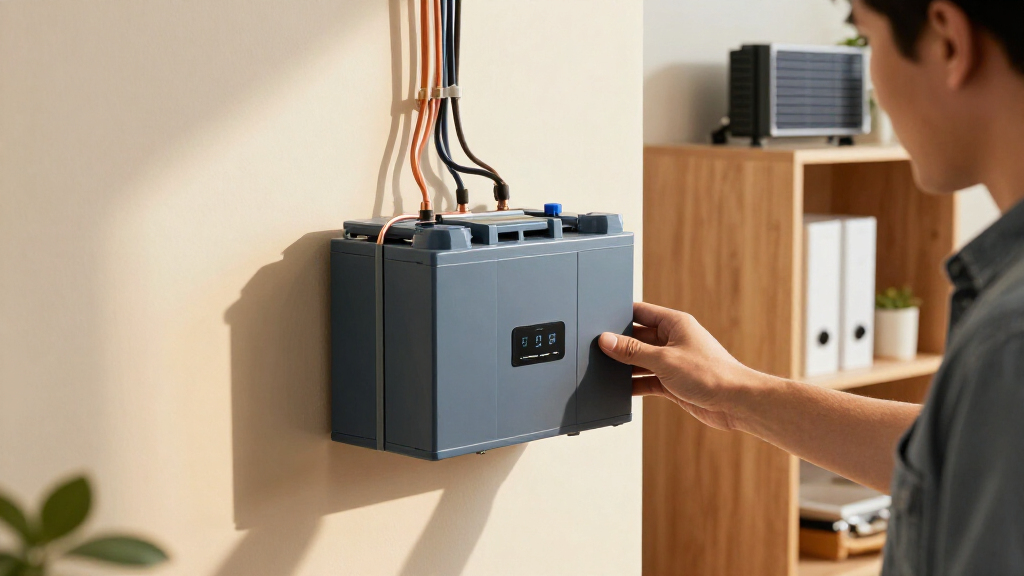

For buyers seeking the best sodium-ion batteries in this roundup, I rank the CSI Group 31 Starter Battery first for its clear starting focus and built-in jump-start button. The Down4Sound DNA-27 is a stronger match for car-audio systems that need more capacity than the smaller DNA-13, while the Limitless Lithium NoLi-50AH stands out for buyers who need a larger-capacity option. The main tradeoff is choosing between a battery built for starting, one aimed at audio loads, and a compact powersports fit. Capacity alone does not confirm that a battery will fit or work with your vehicle’s charging system. Read on for the full breakdown and guidance on matching each option to its intended use.

Get backup power and energy gear delivered free with Prime
- Fast, free delivery on millions of items
- Prime Video, Amazon Music and more included
- Member-only deals all year
Key Takeaways
- The CSI Group 31 earns the lead for buyers focused on starting, with a dedicated jump-start button that sets it apart from the car-audio-oriented Down4Sound models.
- The DNA-27’s 27Ah rating gives it a capacity advantage over the DNA-13’s 13.5Ah rating, making the larger unit the more relevant Down4Sound pick for heavier audio demands.
- The NoLi-50AH has the largest stated capacity in the lineup, but its 10–16V range makes checking system compatibility especially important.
- The Acoucou YTX7A-Na is the lineup’s motorcycle-specific option; its value depends on matching the bike’s battery format and electrical requirements, not on comparing capacity figures alone.
- The YGSAM H6’s 10,000mAh and universal-fit wording should not replace a physical fit and specification check; its stated capacity is lower than the DNA-13’s when expressed in amp-hours.


| sodium-ion batterie | Capacity | Chemistry | Voltage | Weight |
|---|---|---|---|---|
| Down4Sound DNA-27 27Ah 12V Sod | 27Ah | Sodium-ion | 12V | 11.1 pounds |
| Down4Sound DNA-13 13.5Ah 12V S | 13.5Ah | Sodium-ion | 12V | 6.1 pounds |
| CSI 12V Group 31 Sodium-Ion St | 68Ah | Sodium-ion | 12V | 24 pounds |
| Limitless Lithium NoLi-50AH So | 50Ah | Sodium-ion | — | 14.4 pounds |
| Acoucou YTX7A-Na Sodium-Ion Mo | 3.4Ah | Sodium-ion | 12V | 2.4 pounds |
| YGSAM H6 Sodium-Ion Car Batter | 10,000mAh (10Ah) | — | 12V | — |
More Details on Our Top Picks
Down4Sound DNA-27 27Ah 12V Sodium-Ion Car Audio Battery
The Down4Sound DNA-27 is the strongest fit here for a car-audio system rated at 6,000–9,000W. Its 27Ah capacity and 800A pulse output are aimed at brief, demanding power draws; that 800A rating lasts only three seconds, so it is not a promise of continuous output. Compared with the smaller Down4Sound DNA-13, the DNA-27 supports a higher stated system-power range and offers twice the pulse rating, though it also weighs more. Its stated 10,000-plus pulse-cycle life and side-mount capability suit installations where repeated bursts and a compact footprint matter. I would skip it if the vehicle’s charging system is stock: the maker recommends a high-output alternator and Big 3 upgrade, which add complexity beyond the battery itself.
Pros:- Specified for car-audio systems rated at 6,000–9,000W
- Delivers up to 800A for a three-second pulse
- Rated for more than 10,000 pulse cycles
- Side-mount capable and weighs 11.1 pounds
Cons:- A high-output alternator and Big 3 wiring upgrade are recommended
- The 800A maximum is limited to three seconds
Best for: Car-audio builders running a 6,000–9,000W system who can upgrade the alternator and wiring.
Not ideal for: Drivers with a stock charging system or buyers needing sustained rather than brief high-current output.
- Chemistry:Sodium-ion
- Voltage:12V
- Capacity:27Ah
- Maximum pulse discharge:800A for 3 seconds
- Recommended system power:6,000–9,000W
- Pulse cycle life:10,000+ cycles
- Maximum charging voltage:15.8V
- Weight:11.1 pounds
- Mounting:Side-mount capable
Our verdict“Choose the DNA-27 for a properly upgraded 6,000–9,000W audio build that needs high short-duration output.”
Down4Sound DNA-13 13.5Ah 12V Sodium-Ion Car Audio Battery
For a smaller high-output audio setup, the Down4Sound DNA-13 keeps the same sodium-ion, pulse-focused approach as the DNA-27 in a 6.1-pound package. Its 400A pulse rating and stated 3,500–5,500W system range make it a better match for a midrange build than its larger sibling, whose 27Ah capacity and 800A pulse rating target more demanding systems. The DNA-13’s 10,000-plus pulse-cycle rating is a useful fit for repeated bursts, but its maximum discharge rating is still limited to three seconds. That makes it a poor substitute for a battery chosen for sustained loads. A high-output alternator and Big 3 upgrade are recommended here too, so its smaller size does not remove the need to plan for charging-system changes.
Pros:- Specified for 3,500–5,500W car-audio systems
- Provides up to 400A for a three-second pulse
- Rated for over 10,000 pulse cycles
- Weighs 6.1 pounds and supports side mounting
Cons:- A high-output alternator and Big 3 upgrade are recommended
- Maximum pulse discharge lasts only three seconds
Best for: Car-audio owners with 3,500–5,500W systems who want a lighter, side-mount-capable sodium-ion battery.
Not ideal for: Owners of systems above the stated power range or anyone unable to upgrade the vehicle’s charging system.
- Chemistry:Sodium-ion
- Voltage:12V
- Capacity:13.5Ah
- Maximum pulse discharge:400A for 3 seconds
- Supported audio system power:3,500–5,500W
- Pulse cycle life:Over 10,000 cycles
- Maximum charging voltage:15.8V
- Weight:6.1 pounds
- Mounting:Side-mount capable
Our verdict“Pick the DNA-13 over the DNA-27 when your audio system fits its lower power range and compact weight matters.”
CSI 12V Group 31 Sodium-Ion Starter Battery with Jump Start Button
The CSI Group 31 serves a different job from the Down4Sound batteries: it is a vehicle starter battery, not a dedicated car-audio pulse bank. Its 1,500 CCA rating is the key figure for buyers starting heavy-duty engines, while 68Ah capacity and a 24-pound weight suit applications such as trucks, RVs, marine use, generators, and construction equipment. The built-in jump start button can provide power below the programmed state-of-charge limit, adding a recovery feature absent from the DNA-27 and DNA-13. The tradeoff is limited published guidance on charging requirements and vehicle-system compatibility. I would check fit and charging specifications with the supplier before replacing an existing battery, especially in a vehicle with specific battery-management or charging needs.
Pros:- Rated at 1,500 CCA for heavy-engine starting
- 68Ah capacity in a Group 31 format
- Jump start button can provide power below the programmed state-of-charge limit
- Built-in battery protections and a three-year warranty
Cons:- Charging requirements and compatibility with specific vehicle systems are not detailed
- At 24 pounds, it is heavier than the car-audio-focused DNA-13
Best for: Truck, RV, marine, and equipment owners seeking a Group 31 sodium-ion starter battery with high cold-cranking output.
Not ideal for: Car-audio builders seeking a specified high-wattage pulse battery or buyers who need clearly documented charging compatibility.
- Chemistry:Sodium-ion
- Voltage:12V
- Group size:31
- Capacity:68Ah
- Cold cranking amps:1,500 CCA
- Weight:24 pounds
- Dimensions:6.8 × 13 × 9.4 inches (D × W × H)
- Warranty:3 years
- Terminal:Standard battery terminal
Our verdict“Choose the CSI Group 31 for heavy-duty starting needs if its fit and charging compatibility are confirmed for your vehicle.”
Limitless Lithium NoLi-50AH Sodium Battery, 50Ah, 10–16V
The Limitless Lithium NoLi-50AH is the most power-focused option in this group, built for motorsport installations rather than standard replacement use. At a 16V input it is rated for 13,000W RMS and up to 15,000W burst, with a stated 1,000A standalone burst for ten seconds. That gives it a different role from the 12V Down4Sound DNA-27, whose stated audio-system range is lower and whose pulse window is shorter. The NoLi’s 50Ah capacity and 4,000-cycle rating at 80% depth of discharge add useful context, but this is not a plug-and-play choice: it has no battery management system, and charging above 450A shortens cycle life. Buyers need to match the 10–16V operating range and charging setup to the vehicle.
Pros:- Rated for up to 13,000W RMS and 15,000W burst at 16V input
- Provides a 1,000A standalone burst for up to 10 seconds
- 50Ah capacity with a stated 4,000 cycles at 80% depth of discharge
- High listed cranking output of 3,000A CA and 2,250A CCA
Cons:- Battery management system is not installed
- Charging above 450A shortens cycle life
- Its 10–16V range and high-current charging needs make compatibility planning important
Best for: Motorsport and competition-audio builders with a compatible 16V charging system and experience managing battery charging.
Not ideal for: Everyday vehicle owners seeking a simple 12V replacement or buyers who require an installed battery management system.
- Chemistry:Sodium-ion
- Capacity:50Ah
- Voltage range:10–16V
- Maximum RMS wattage:13,000W at 16V input with a 250A high-output alternator
- Maximum burst wattage:15,000W at 16V input
- Standalone burst current:1,000A for 10 seconds at 16V
- Cycle life:4,000 cycles at 80% depth of discharge
- Weight:14.4 pounds
- Battery management system:Not installed
Our verdict“Choose the NoLi-50AH for a motorsport build that can use its 16V output and accommodate a battery without an installed management system.”
Acoucou YTX7A-Na Sodium-Ion Motorcycle Battery
The Acoucou YTX7A-Na is the only motorcycle-specific choice in this group, and its 2.4-pound weight makes it a better fit for riders prioritizing low mass than the 24-pound CSI Group 31 starter battery. It supplies 200A of starting current and is rated for 3,000-plus cycles, while its listed operating range of -40°F to 176°F covers a broad range of conditions. The key ownership constraint is charging: Acoucou calls for a dedicated sodium-ion charger and specifies a charging voltage of 14.8V ± 0.2V, with a 15.00V maximum. Its dimensions and left-positive, right-negative terminal layout also need to match the motorcycle. Compared with the Down4Sound DNA-13, this is a starter battery for a motorcycle, not an audio-system power upgrade.
Pros:- Light 2.4-pound design for motorcycle use
- Provides 200A starting current
- Rated for 3,000-plus cycles
- Specified operating range spans -40°F to 176°F
Cons:- Requires a dedicated sodium-ion charger
- Charging voltage must not exceed 15.00V
- Dimensions and left-positive terminal polarity need to match the motorcycle
Best for: Motorcycle owners seeking a lightweight sodium-ion starter battery who can use the required charger and confirm terminal layout.
Not ideal for: Riders who need a battery that works with an unverified existing charger or whose motorcycle requires different dimensions or terminal polarity.
- Chemistry:Sodium-ion
- Voltage:12V
- Capacity:3.4Ah
- Energy:40.8Wh
- Starting current:200A
- Cycle life:3,000+ cycles
- Operating temperature:-40°F to 176°F (-40°C to 80°C)
- Weight:2.4 pounds
- Charging voltage:14.8V ± 0.2V; do not exceed 15.00V
Our verdict“Choose the Acoucou YTX7A-Na if your motorcycle fits its case and polarity and you can charge it with a dedicated sodium-ion charger.”
YGSAM H6 Sodium-Ion Car Battery, 12V, 10,000mAh, Universal Fit
The YGSAM H6 is the most ATV-focused pick in this lineup: its 12V, 10Ah capacity and stated universal fit make it a compact option for buyers who want a sodium-ion battery without moving to a larger car-audio setup. Its 1,500-cycle claim and maintenance-free design point toward less routine upkeep, while pure copper terminals provide a conductive connection. Compared with the Acoucou YTX7A-Na, which is specifically styled as a motorcycle battery, the YGSAM’s stated ATV compatibility may better suit some powersports buyers, though neither listing gives detailed vehicle-fit guidance. The tradeoff is uncertainty: confirm terminal layout and dimensions against your vehicle, especially because the description gives conflicting dimensions. Its 10Ah capacity also trails larger options such as the Down4Sound DNA-13, so it is not the choice for buyers needing more stored energy.
Pros:- 10Ah capacity with a stated 1,500-cycle performance claim
- Pure copper terminals
- Designed for universal fit and listed as ATV-compatible
- Maintenance-free design
Cons:- Specific vehicle compatibility and terminal layout are not detailed
- Product description gives conflicting dimensions
- 10Ah capacity is below the Down4Sound DNA-13 and DNA-27
Best for: ATV owners looking for a maintenance-free 12V sodium-ion battery who can verify fit and terminal layout with their vehicle requirements.
Not ideal for: Buyers who need confirmed compatibility for a specific vehicle, greater than 10Ah capacity, or a clearly consistent dimensional listing.
- Battery type:Sodium-ion
- Voltage:12V
- Capacity:10,000mAh (10Ah)
- Number of cells:6
- Terminal material:Pure copper
- Compatible vehicle type:ATV
- Dimensions:6.89 x 9.53 x 7.48 in (D x W x H); description gives conflicting dimensions
- Item weight:14.3 lb
- Cycle life:1,500 cycles to at least 70% capacity
Our verdict“Choose the YGSAM H6 for a maintenance-free ATV-oriented sodium-ion battery if its fit checks out; choose a higher-capacity option for heavier energy demands.”
How We Picked
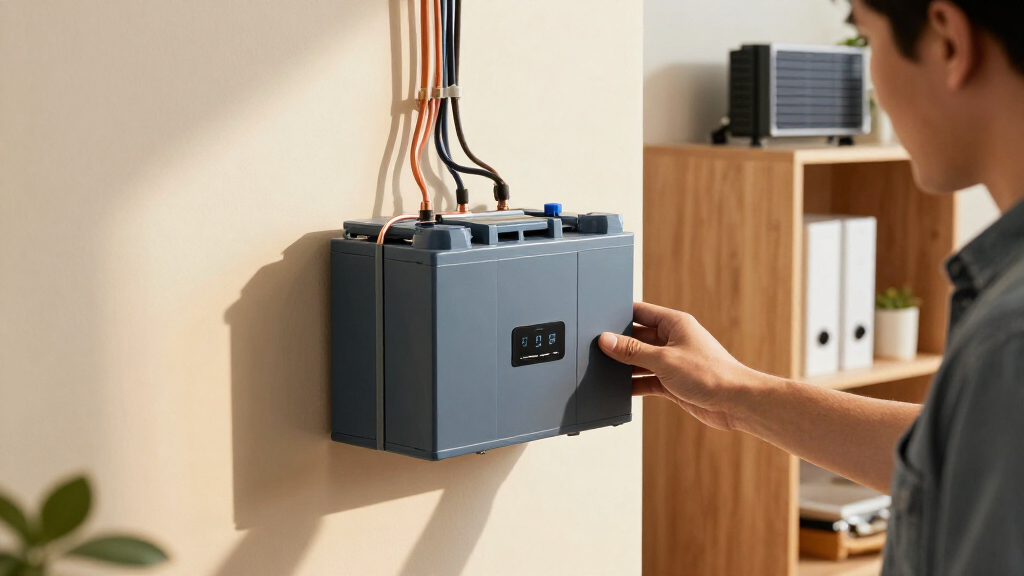
I ranked these six options by how clearly each one serves a real automotive or powersports job, then weighed stated capacity, application-specific design, and the information a buyer needs to check before installation. Starting batteries, car-audio batteries, and motorcycle batteries solve different problems, so I did not treat a larger capacity figure as proof that one model is better for every vehicle. A jump-start feature, a recognizable group or powersports format, and a stated operating-voltage range each matter only when they match the buyer’s system.
The CSI Group 31 takes the overall lead because it has a defined starting role and a jump-start button. The DNA-27 ranks ahead of the DNA-13 for audio buyers who need more stated capacity, while the NoLi-50AH is the capacity-focused choice rather than the default starter pick. The Acoucou is ranked for motorcycle fit, and the YGSAM is a more cautious option because “universal fit” still requires verification against the vehicle and its electrical requirements. I favor clear application fit over broad claims, and I treat missing specifications as a reason to verify details with the seller or manufacturer before buying.
Factors to Consider When Choosing Best Sodium-ion Batteries
Before choosing a model, I would match the battery to the vehicle’s job and installation requirements, rather than starting with capacity. Sodium-ion options in this lineup span car audio, engine starting, and motorcycle use, and those roles are not interchangeable. These checks can prevent a battery with an appealing headline specification from becoming a fit, charging, or performance mismatch.
Match the Battery to Its Main Job
Decide whether the battery must start an engine, support a car-audio system, or power a motorcycle before comparing models. A battery described for audio use should not automatically be treated as a starter battery; the relevant starting specifications may differ. Likewise, a starter with a jump-start button is not necessarily the best match for sustained accessory loads. Check the manufacturer’s stated application and required starting performance for your vehicle. If your setup combines starting and high accessory demand, ask whether the battery is approved for both jobs or whether a separate battery is recommended. Choosing by use case first narrows the field more reliably than comparing capacity alone.
Check Physical Fit, Terminals, and Polarity
Before ordering, compare the battery compartment with the manufacturer’s dimensions and confirm terminal locations, polarity, and cable reach. Group 31, H6, and YTX7A labels can help identify a format, but they do not guarantee every vehicle’s tray, hold-down, or connections will match. “Universal fit” is a claim to verify, not a substitute for measurements. A battery that sits loosely or places terminals on the wrong side can create installation and safety problems. Also check whether adapters or changes to the hold-down are permitted by the vehicle maker. This matters especially when replacing a lead-acid battery with a different chemistry or case design.
Read Capacity Alongside Output Requirements
Amp-hours give a rough indication of stored energy, but they do not tell the whole story about starting ability or how well a battery supports an audio load. Compare the battery’s continuous and peak current ratings with the demands of the vehicle or amplifier, and confirm what conditions those figures describe. For car audio, think about listening duration and amplifier draw rather than choosing only the largest number. For starting, verify the manufacturer’s required cranking performance and the battery’s published rating under a comparable standard. Do not compare milliamp-hours and amp-hours without converting units: 10,000mAh equals 10Ah. If key output figures are not listed, request them before relying on the battery for a demanding setup.
Confirm Charging-System Compatibility
A replacement battery must work with the vehicle’s charging voltage and charging profile. Check the battery’s permitted voltage range, recommended charging method, and any restrictions on alternators, chargers, or battery-management systems. The NoLi-50AH’s stated 10–16V range is a prompt to read its charging instructions carefully, not a guarantee that every system within that range is suitable. Do not assume a charger designed for another lithium chemistry is appropriate for sodium-ion. Ask the manufacturer about compatibility when documentation is unclear, especially if the vehicle has a smart alternator or a modified charging system. A mismatch can limit performance or damage equipment.
Balance Capacity Against Size and Use
Higher capacity can be useful for longer accessory use, but it may bring a larger case, added weight, or a less direct fit for a small vehicle. The DNA-27 and NoLi-50AH are more relevant when energy storage is a priority; they are not automatically better choices for compact starting needs. Motorcycle buyers should put the specified case format and electrical requirements ahead of raw capacity comparisons. Think through how often the battery will face long accessory loads, short trips, or extended storage. Then compare the required capacity with the physical space and the maker’s guidance for that use. Paying for capacity your setup cannot use may add complication without improving the result.
Check Support, Warranty, and Storage Instructions
Battery care and support terms can matter as much as the headline chemistry, particularly for a newer battery type. Read the warranty for application limits, charging-related exclusions, and the process for diagnosing a problem. Check the manufacturer’s instructions for storage charge, temperature limits, and periodic maintenance instead of assuming familiar lead-acid habits apply. If the battery will sit unused for months, ask how to store it and whether it needs periodic charging. Keep the product documentation and record the installation date, since those details can help with troubleshooting. Clear instructions and responsive technical support are useful signals when product specifications leave questions open.
Frequently Asked Questions
Can I use a sodium-ion car-audio battery as my vehicle’s starter battery?
Only if the manufacturer specifically approves that model for engine starting and publishes starting-performance specifications that meet your vehicle’s requirements. The Down4Sound DNA batteries are presented as car-audio batteries, so I would not assume either can replace a starter battery based on voltage and capacity alone. Starting requires high current over a short period, while audio use can involve sustained loads. Check the vehicle maker’s required battery type, terminal layout, and cranking rating before swapping. If the product documentation does not clearly confirm starting use, choose a model explicitly designed for that job or ask the manufacturer for written guidance.
Does the NoLi-50AH work with a standard 12V vehicle charging system?
The stated 10–16V range does not, by itself, confirm compatibility with every standard 12V charging system. Check the battery’s charging instructions for the permitted charging voltage, profile, and any required controls, then compare them with the vehicle’s actual alternator behavior. Smart alternators and modified systems can behave differently from a conventional charging setup. Do not rely on a charger or alternator setting intended for another battery chemistry unless the manufacturer permits it. If the documentation does not answer the question, confirm compatibility with Limitless Lithium before installation.
Is the YGSAM H6 a safe choice if a listing says it has universal fit?
I would treat “universal fit” as a starting point for checking, not a guarantee. Compare its case dimensions, H6 format, terminal position, polarity, hold-down method, and cable reach with the vehicle’s original battery. Its listed 10,000mAh capacity converts to 10Ah, which may not meet the needs of every car even if the case fits. Also confirm the required starting output and charging compatibility in the manufacturer’s specifications. If any of those details are missing, get confirmation before buying rather than relying on the listing label.
How should I choose between the Down4Sound DNA-13 and DNA-27?
Both are identified as 12V sodium-ion car-audio batteries, but the DNA-27 has 27Ah of stated capacity compared with 13.5Ah for the DNA-13. That makes the DNA-27 the more natural candidate when an audio setup needs more stored energy, while the DNA-13 may suit a smaller setup where space and demand are lower. Capacity is not a substitute for checking current output, amplifier demand, or installation fit. Compare the battery specifications with the audio system’s draw and the manufacturer’s recommendations. If the system also depends on the battery to start the vehicle, confirm that dual use is explicitly supported.
What should I check before replacing a motorcycle battery with the Acoucou YTX7A-Na?
Confirm that the motorcycle calls for the YTX7A format or that the Acoucou manufacturer lists your exact model as compatible. Check dimensions, terminal position, polarity, hold-down fit, and the bike’s required starting output rather than relying on the model name alone. Review the charging-system requirements and storage instructions, since motorcycle batteries may spend long periods unused. Also verify that the battery is intended for your riding conditions and electrical accessories. If the bike’s manual specifies a different battery format or chemistry restriction, follow that guidance or seek confirmation before installing the replacement.
Conclusion
My best overall pick is the CSI Group 31 for buyers who need a starter-focused option and value its jump-start button. For best value within the audio-focused choices, I would start with the Down4Sound DNA-13 when its 13.5Ah capacity meets the system’s needs; step up to the DNA-27 when additional capacity is the priority. The Limitless Lithium NoLi-50AH is my premium, capacity-led pick for buyers whose setup can use its 50Ah rating and whose charging system meets its requirements. For a beginner replacing a starter battery, the CSI is the clearest starting point, provided the group size and electrical specifications match. Motorcycle owners should choose the Acoucou YTX7A-Na only after confirming their bike’s format and charging requirements, while the YGSAM H6 makes sense only when its fit and 10Ah capacity check out. In every case, I would verify dimensions, output ratings, and charging instructions before ordering.