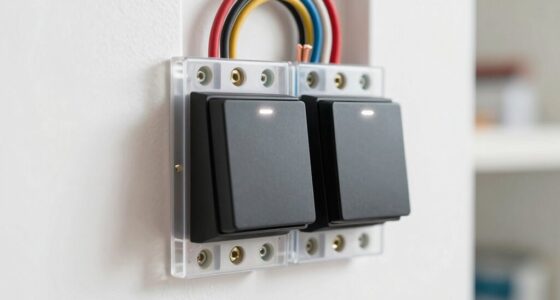
Choosing better electrical boxes guarantees your installation is safe, durable, and compliant with code. High-quality boxes match wire gauge capacity, prevent overcrowding, and provide secure grounding, reducing fire and shock risks. Proper placement and sturdy materials improve accessibility and longevity. When you select the right box, you make future repairs easier and boost your system’s reliability. Keep exploring to discover how these choices can protect your home and guarantee lasting performance.

Get backup power and energy gear delivered free with Prime
- Fast, free delivery on millions of items
- Prime Video, Amazon Music and more included
- Member-only deals all year
Key Takeaways
- High-quality boxes ensure safety, durability, and compliance with electrical codes.
- Properly sized boxes prevent overcrowding and reduce fire hazards.
- Durable materials resist environmental damage, extending installation lifespan.
- Correct placement and secure mounting improve accessibility and reduce wiring issues.
- Reliable grounding and proper wiring techniques enhance overall system safety.

Proper installation of electrical boxes is indispensable for guaranteeing safety, accessibility, and code compliance in any electrical project. When you choose the right box and install it correctly, you set the foundation for a reliable, safe, and efficient electrical system. One of the key factors to weigh is the wire gauge you use, as it directly impacts the box’s capacity and safety. Thicker wires, like 12-gauge or 14-gauge, require boxes that can accommodate their size comfortably, preventing overcrowding that can lead to overheating or short circuits. Confirming the box is rated for the wire gauge you plan to use helps maintain proper insulation and reduces fire hazards.
Grounding techniques also play an essential role in better electrical box installations. When you properly ground the electrical system, you create a safe path for electrical faults, reducing the risk of shock or fire. Using grounding screws and clamps, you connect the grounding wire to the box itself if it’s metallic, confirming a continuous grounding path. This step not only improves safety but also helps the system comply with electrical codes. A well-grounded box provides peace of mind, knowing that in the event of a fault, the excess current will safely travel to the ground rather than causing damage or injury. Additionally, understanding electrical safety standards is crucial for ensuring your installation meets all necessary regulations and best practices. Incorporating quality materials into your project further enhances durability and safety over time. Paying attention to wire gauge requirements is vital for preventing overheating and ensuring safe electrical flow. Proper placement and securing of the box are fundamental, and selecting a durable box material can significantly extend the lifespan of your installation, especially in challenging environments.
To further optimize your installation, considering circuit capacity and load distribution helps prevent overloading and potential failures. When you install a better box, you’re also making it easier to access the wiring later for repairs or upgrades, which saves you time and effort. Additionally, proper placement and securing of the box are fundamental. You should install the box at the correct height and ensure it’s firmly anchored to the wall or stud. This prevents movement and potential damage to the wiring. When you pay close attention to these details, you reduce the chance of loose connections, which can cause arcing or power interruptions. In sum, choosing superior electrical boxes and following proper grounding techniques, along with mindful wiring practices respecting wire gauge requirements, leads to safer, more reliable, and code-compliant electrical installations. This not only protects your property and loved ones but also ensures your work stands the test of time.
electrical boxes for safety and durability
As an affiliate, we earn on qualifying purchases.
As an affiliate, we earn on qualifying purchases.
Frequently Asked Questions
How Do I Choose the Right Electrical Box Size?
To choose the right electrical box size, consider the number of wires and devices you’ll install. Use box materials like plastic or metal based on your environment and code requirements. Check local electrical codes for box capacity guidelines. Follow installation tips such as leaving enough space for proper wiring and avoiding overcrowding. Picking a box that fits your needs guarantees safety, easier wiring, and a professional-looking finish.
Are There Specific Electrical Boxes for Outdoor Use?
Yes, there are specific electrical boxes for outdoor use. You should look for weatherproof enclosures made from UV-resistant materials to withstand the elements. These boxes protect your wiring from moisture, dust, and UV damage, ensuring safety and durability. Choosing the right outdoor electrical box helps prevent corrosion and short circuits, making your installation safer and longer-lasting. Always select boxes explicitly designed for outdoor environments for best performance.
What Safety Standards Should I Look for in Electrical Boxes?
You should look for electrical boxes that meet safety standards like grounding requirements and fire-resistant materials. Confirm they are UL-listed or certified by relevant safety organizations for outdoor or specific use. Proper grounding prevents electrical shocks, while fire-resistant materials reduce fire hazards. These features guarantee safer installations, especially in challenging environments. Always verify the labels and certifications before purchasing to ensure your electrical boxes comply with local safety codes.
Can I Replace an Old Electrical Box Myself?
Can you replace an old electrical box yourself? Yes, but only if you’re confident in your electrical skills and understand wire gauge and circuit capacity. You need to guarantee the new box can handle the current load safely and that wiring matches the box’s specifications. Have you turned off the power and double-checked your connections? If not, it’s safer to hire a professional to avoid risks like shorts or overloads.
How Often Should Electrical Boxes Be Inspected or Replaced?
You should inspect your electrical boxes at least once every 3 to 5 years to guarantee electrical safety. Regular inspection frequency helps you identify signs of wear, corrosion, or damage early, preventing potential hazards. If you notice flickering lights, warm outlets, or sparks, replace or upgrade your electrical boxes immediately. Keeping up with inspections ensures your electrical system remains safe, reliable, and compliant with safety standards.
metal electrical boxes for grounding
As an affiliate, we earn on qualifying purchases.
As an affiliate, we earn on qualifying purchases.
Conclusion
So, next time you’re tempted to cut corners with cheap electrical boxes, remember—they might seem like a small detail, but they can turn your perfect installation into a dangerous mess. Ironically, skimping here could cost you more in repairs—or worse, safety hazards. Investing in better boxes isn’t just about neat wiring; it’s about peace of mind. After all, who wants to gamble with electricity when the right box can keep things safe and simple?
As an affiliate, we earn on qualifying purchases.
electrical box with wire gauge capacity
As an affiliate, we earn on qualifying purchases.
As an affiliate, we earn on qualifying purchases.
Fall Picks
fall essentials
As an affiliate, we earn on qualifying purchases.