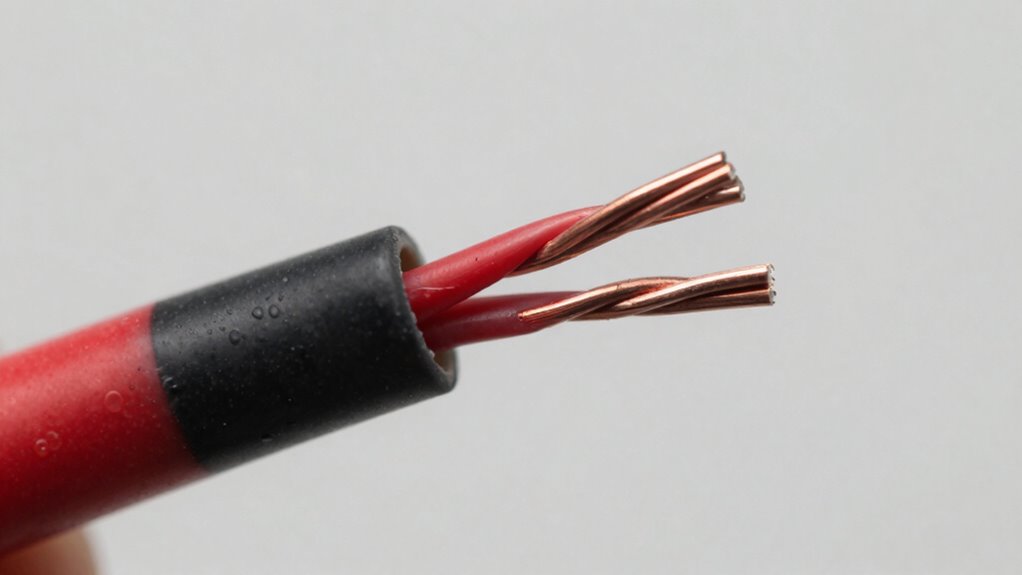

To make a good electrical splice reliable over time, you should choose corrosion-resistant materials like nickel-plated brass or stainless steel, and apply protective coatings or heat-shrink tubing with adhesive lining. Use proper installation techniques, such as tightly twisting, soldering, and crimping to guarantee secure connections. Regularly inspect and maintain your splices to prevent mechanical issues and environmental damage. Keep going to discover how these best practices can help your splices last longer.

Get backup power and energy gear delivered free — and shop member deals
- Fast, free delivery on millions of items
- Access to Prime Big Deal Days deals on October 6–7
- Prime Video, Amazon Music and more included
Key Takeaways
- Use corrosion-resistant materials and protective coatings to prevent environmental degradation.
- Ensure secure, properly crimped or soldered connections to maintain electrical integrity.
- Seal splices with heat-shrink tubing or insulating covers for moisture and contaminant protection.
- Follow proper installation practices to prevent mechanical stress and future failures.
- Conduct regular inspections and maintenance to detect and address potential issues early.
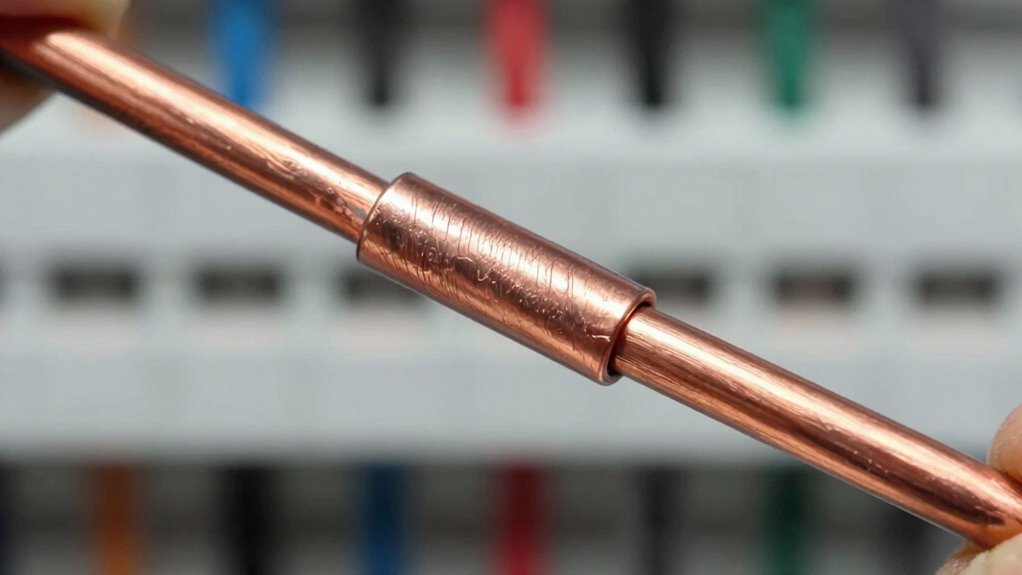
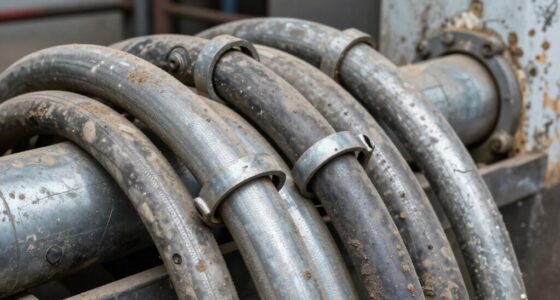
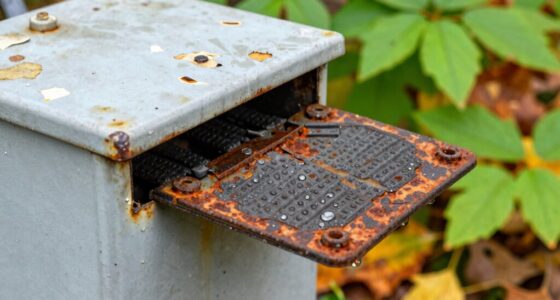
Corrosion prevention is crucial because moisture, air, and other environmental elements can cause oxidation or corrosion at the splice point. This degradation weakens the electrical connection, increases resistance, and may eventually cause failure. To prevent this, you should use corrosion-resistant connectors or terminals, and consider applying protective coatings or sealants around the splice area. Heat-shrink tubing with adhesive lining is an excellent option, as it provides a tight seal against moisture and contaminants. Additionally, choosing connectors made from corrosion-resistant materials like nickel-plated brass or stainless steel can greatly extend the lifespan of your splice. Proper wiring practices are also essential for maintaining reliable connections over time. A good electrical splice also depends on proper technique. Ensuring that the wires are tightly twisted and securely connected reduces contact resistance and prevents loosening over time. Soldering can offer a highly reliable connection if done correctly, providing both mechanical stability and low resistance. Follow this with appropriate crimping or compression, which applies uniform pressure and maintains the integrity of the connection. After completing the splice, inspect it for any signs of damage or exposed conductors. Applying heat-shrink tubing or a suitable insulating cover over the splice not only enhances insulation but also provides additional mechanical protection. Using proper installation techniques can significantly reduce the risk of future failures. Incorporating best practices for electrical safety further ensures long-term reliability and prevents potential hazards. Employing environmentally resistant materials can also help protect the splice from harsh conditions, extending its durability. Additionally, understanding the science of corrosion can inform better preventative measures and material choices. In the end, a reliable electrical splice combines quality materials, correct installation practices, and preventive measures like proper wire insulation and corrosion protection. These elements work together to guarantee your connection remains stable, safe, and efficient over time. When you prioritize these factors, you’re less likely to encounter issues that compromise your system’s safety or performance. With careful attention to detail and the right choices, you can make sure that your electrical splices endure the test of time.
corrosion resistant electrical connectors
As an affiliate, we earn on qualifying purchases.
As an affiliate, we earn on qualifying purchases.
Frequently Asked Questions
How Does Temperature Affect Electrical Splice Durability?
Temperature greatly influences your electrical splice’s durability. When it gets too hot, thermal expansion can stress the connection, causing it to loosen or crack. Conversely, cold temperatures can make materials brittle. High temperatures also accelerate insulation degradation, increasing the risk of short circuits or failure over time. To guarantee reliability, you need to take temperature effects into account carefully, use appropriate insulation, and avoid exposing splices to extreme heat or cold.
What Are Common Signs of a Failing Electrical Splice?
Imagine your electrical system as a delicate dance — when a splice begins to falter, signs emerge. You might notice corrosion around the connection, or increased resistance causing flickering lights. Connection instability leads to intermittent power or complete failure. These signs point to a failing electrical splice, risking safety and system performance. Regular inspections catch these issues early, ensuring your connections stay secure and corrosion-free over time.
Can Electrical Splices Be Repaired After Corrosion?
Yes, electrical splices can be repaired after corrosion, but it’s crucial to address the root cause. First, remove the corrosion using proper tools and corrosion prevention techniques. Then, replace the damaged splice material with high-quality, corrosion-resistant materials to guarantee durability. Properly sealing and insulating the splice will prevent future corrosion. Regular inspections and maintenance help maintain a reliable, long-lasting electrical connection over time.
How Often Should Electrical Splices Be Inspected?
You should inspect electrical splices at least once a year to guarantee safety and reliability. During inspections, check the splice insulation for signs of wear or corrosion and verify that connection tightening is secure. Regularly monitoring these aspects helps prevent future failures. If you notice loose connections or damaged insulation, tighten or replace components promptly to maintain the integrity of your electrical system over time.
Are There Specific Tools Recommended for Reliable Splicing?
You should use specific tools like wire strippers for clean wire stripping and a quality crimping tool for secure connector crimping. While simple tools might seem enough, precision matters—imagine the difference between a loose connection and a reliable splice. Good tools guarantee proper termination, reducing future issues. Investing in these tools makes your splices more dependable over time, preventing failures and ensuring safety in your electrical system.
heat-shrink tubing with adhesive lining
As an affiliate, we earn on qualifying purchases.
As an affiliate, we earn on qualifying purchases.
Conclusion
Remember, if you want your electrical splices to last forever, just sprinkle some fairy dust and hope for the best. Or, you know, follow proper techniques—use quality connectors, guarantee tight crimps, and protect against environmental horrors like moisture. Because nothing says “reliable” like a splice that’s been cared for, not cursed. So, be diligent, or you’ll be the star of the next “Electrical Malfunction” video—trust me, it’s not as glamorous as it sounds.
crimping tool for electrical wires
As an affiliate, we earn on qualifying purchases.
As an affiliate, we earn on qualifying purchases.
electrical splice insulation covers
As an affiliate, we earn on qualifying purchases.
As an affiliate, we earn on qualifying purchases.
Fall Picks
fall essentials
As an affiliate, we earn on qualifying purchases.