Understanding your utility bill means recognizing the difference between demand and energy. Energy, measured in kilowatt-hours (kWh), is the total power used over time, while demand, in kilowatts (kW), reflects your peak power at any moment. Managing both helps control costs—particularly demand charges for high peaks. If you want to learn how to reduce your bills by adjusting demand and energy usage, there’s more to explore ahead.
Key Takeaways
- Energy measures total electricity used over time (kWh), while demand indicates the highest power level at any moment (kW).
- Utility bills often include separate charges for energy consumption and peak demand.
- Managing demand, especially during peak periods, can reduce overall utility costs and demand charges.
- Peak shaving techniques, like scheduling high-energy tasks or using batteries, help lower demand charges.
- Understanding both energy and demand helps optimize usage and control your utility expenses effectively.
Have you ever wondered how demand and energy differ in the world of power consumption? Understanding this distinction is essential to managing your utility bill effectively. Energy refers to the total amount of electricity you use over a period—measured in kilowatt-hours (kWh). Demand, on the other hand, is the highest level of power your home draws at any moment, known as your peak demand, and is measured in kilowatts (kW). Utility companies often charge based on both your total energy consumption and your peak demand because these metrics influence how they supply power and maintain grid stability.
Peak shaving plays an important role in controlling these costs. It involves reducing your maximum power use during periods of high demand, typically during hot afternoons when air conditioners run at full blast. By shaving your peak demand, you can lower your demand charges, which are often included in your utility bill. This can be achieved through load management strategies, such as scheduling high-energy tasks during off-peak hours or using energy storage systems like batteries to supply power during demand spikes. Load management helps smooth out your power usage, preventing sudden surges that spike your demand charges. For instance, instead of running multiple appliances simultaneously, you can stagger their operation or automate smart systems to optimize energy use.
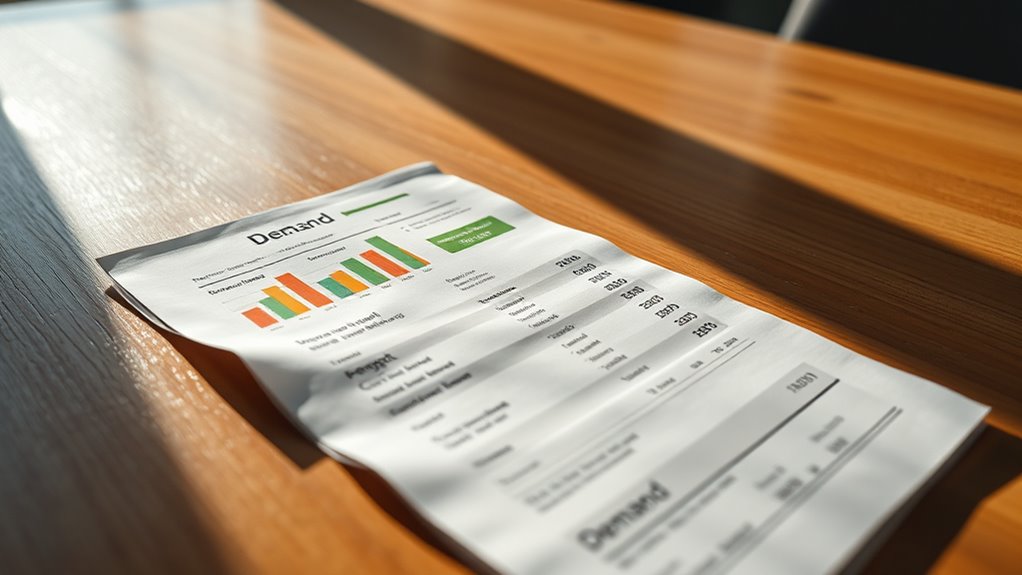
The distinction between demand and energy becomes clearer when you review your utility bill. You might notice separate charges for energy consumption and demand, with the demand component reflecting your highest recorded usage. Even if your overall energy consumption remains steady, a few brief periods of high demand can greatly increase your bill. This is why managing your load during those critical moments is essential. Implementing peak shaving techniques not only reduces costs but also lessens strain on the electrical grid, contributing to a more sustainable energy system. Additionally, understanding demand management strategies can help you identify effective ways to reduce your peak usage further.
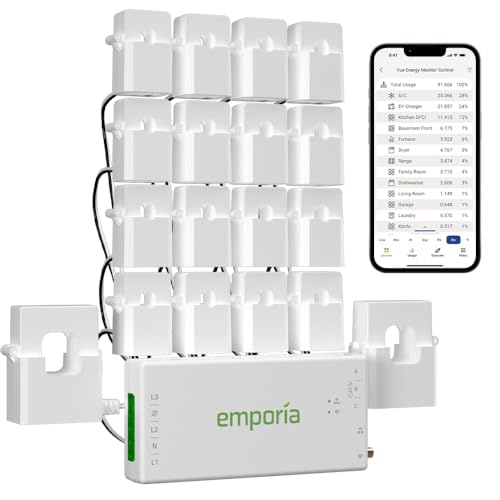
Emporia Vue 3 Home Energy Monitor – Smart Home Automation Module and Real Time Electricity Usage Monitor, Power Consumption Meter, Solar and Net Metering for UL Certified Safe Energy Monitoring
SAFETY YOU CAN TRUST WITH UL CERTIFICATION: With Emporia Energy, your home energy monitoring is safe, reliable, and…
As an affiliate, we earn on qualifying purchases.
As an affiliate, we earn on qualifying purchases.
Frequently Asked Questions
How Can I Reduce My Demand Charges Effectively?
To reduce your demand charges, focus on demand management by spreading out your energy use during peak times. Implement peak shaving strategies, like scheduling high-power equipment to operate during off-peak hours or using energy storage systems. These actions help lower your peak demand, reducing charges. Stay aware of your utility’s peak periods and plan accordingly to optimize energy consumption, saving you money on your bill.
What Factors Influence My Peak Energy Demand?
Your peak energy demand is influenced by factors like demand forecasting, which predicts when your energy use will spike, and your operational habits. To manage this, you can implement peak shaving strategies, reducing your highest energy loads during peak times. These actions help you avoid costly demand charges and smooth out your energy consumption, making it easier to control your utility costs and improve overall efficiency.
Are There Specific Times When Demand Is Highest?
Yes, demand peaks during specific times, usually in the late afternoon and early evening, known as peak hours. During these demand peaks, your utility company sees the highest energy usage, often caused by people returning home and using appliances. To save costs, try to avoid running major appliances during these peak hours. Being aware of demand peaks helps you manage your energy use more efficiently and potentially reduce your bill.
How Does Demand Impact My Overall Energy Costs?
Demand directly impacts your overall energy costs because utilities often charge for peak usage, which is influenced by your power factor and load management. When your demand spikes, your power factor drops, leading to higher penalties or charges. By managing your load effectively and improving your power factor, you can reduce peak demand, ultimately lowering your utility bill and making your energy use more efficient.
Can Energy Storage Devices Lower My Demand Charges?
Did you know that properly sized batteries can reduce demand charges by up to 30%? Energy storage devices help with peak shaving, which lowers your maximum demand during high usage periods. By correctly sizing your battery system, you can effectively manage your demand, resulting in significant savings on your utility bill. So, investing in energy storage is a smart move to control costs and improve your energy efficiency.

Smart Safety Management of Energy Storage Batteries
As an affiliate, we earn on qualifying purchases.
As an affiliate, we earn on qualifying purchases.
Conclusion
Think of your utility bill as a garden: energy is the steady sunlight helping your plants grow, while demand is the sudden storm that tests their resilience. By understanding both, you can better manage your resources and keep your energy costs in check. Don’t let high demand storms surprise you—prepare and nurture your energy habits wisely. With awareness, you’ll cultivate a healthier, more balanced energy future, turning your utility experience from a storm into a calm, fruitful garden.
peak demand load management system
As an affiliate, we earn on qualifying purchases.
As an affiliate, we earn on qualifying purchases.

The Smart Grid: Enabling Energy Efficiency and Demand Response
As an affiliate, we earn on qualifying purchases.
As an affiliate, we earn on qualifying purchases.