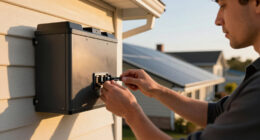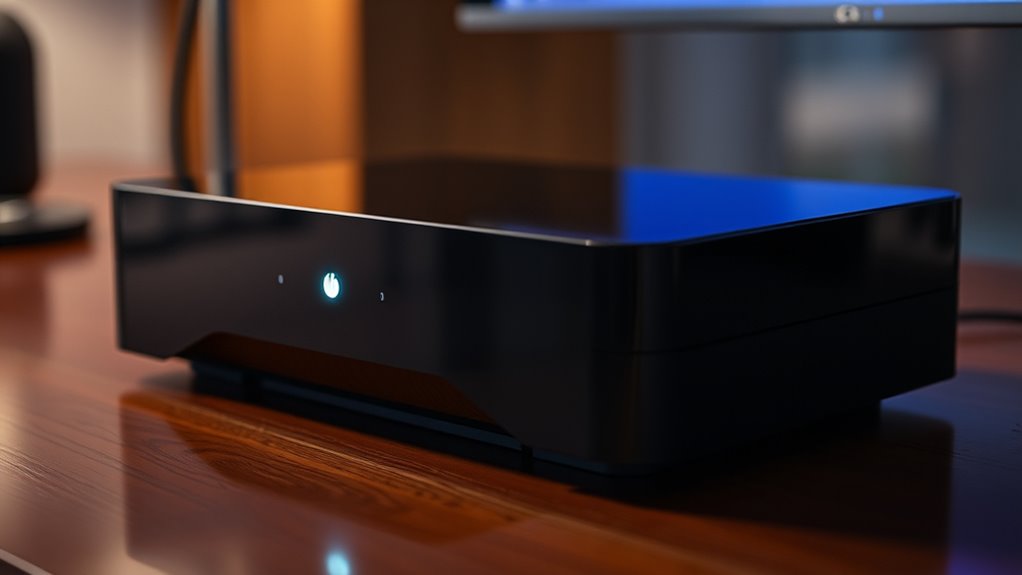

Standby power is when your devices are off but still draw energy to be ready for quick activation, while idle power occurs when they are on but not actively working, such as a computer waiting for commands. Both states use electricity—standby at lower levels, idle at higher. These hidden power draws can add up, increasing your energy bills and environmental impact. Keep exploring to discover how managing these modes can save you money and energy.
Key Takeaways
- Standby power is minimal and used for quick activation, while idle power is higher due to active components keeping the device ready.
- Both modes involve energy consumption, with standby drawing less wattage than idle.
- Power management features can reduce energy use during both standby and idle states.
- Devices in standby or idle continuously drain small amounts of power, adding up over time.
- Managing device states and activating power-saving features help prevent wattage from “disappearing” into unnecessary energy use.

Have you ever wondered how much energy your devices consume when they’re not fully on? It’s a common question, especially as you try to cut down on electricity bills and reduce your environmental impact. The answer lies in understanding the difference between standby and idle power modes. Both are designed to keep your devices ready for quick use, but they do so in different ways that impact energy consumption and device readiness. When your device is in standby mode, it’s technically off but still plugged in and drawing power. It’s like leaving a lamp on with the switch turned off; the device remains partially powered so that it can quickly wake up or perform functions without a full restart. Idle power, on the other hand, is when a device is powered on but not actively performing its primary task. Think of it as a car idling—running but not moving. In this state, the device consumes energy to maintain its readiness, but it’s not actively doing any work. Additionally, some devices include power management features that help reduce energy consumption during these states. Understanding these distinctions helps you realize where your watts go. Standby power tends to be lower than when a device is fully operational, but it still adds up over time. For example, leaving a TV in standby mode might only consume a few watts, but if you have multiple devices, that small amount becomes a significant source of unnecessary energy consumption. Idle power, however, can be more substantial. When your computer or gaming console is idling, it uses more energy than in standby because many internal components remain active, ready to jump into action. This continual energy drain impacts your overall energy consumption, especially if your devices stay in these states for hours or days.
As an affiliate, we earn on qualifying purchases.
Frequently Asked Questions
How Do Different Devices Vary in Standby Power Consumption?
Different devices vary in standby power consumption based on their specifications and power management features. You’ll notice that newer models often have better power management, reducing standby wattage. Older devices or those without efficient specifications tend to draw more power even when idle. To save energy, check device specifications for low standby power ratings and enable power management settings whenever possible, ensuring minimal wattage loss during standby mode.
Can Switching off Devices Save More Energy Than Using Standby Mode?
Switching off devices can save more energy than using standby mode, especially if you want to cut down your electricity bill and be eco-friendly. Think of your appliances as energy vampires; turning them off is like sealing their fangs. Using eco-friendly appliances with smart power management features helps reduce unnecessary power draw. Always unplug or turn off devices when not in use to maximize savings and support sustainable living.
What Are the Environmental Impacts of Standby Power Usage?
Standby power usage harms the environment by wasting energy, which increases greenhouse gas emissions. This impacts eco-friendly initiatives by making it harder to reduce carbon footprints. Your efforts in turning off devices can complement renewable energy integration, decreasing overall energy demand. By cutting standby power, you help lessen pollution and support sustainable practices, contributing to a healthier planet and a more eco-conscious future.
How Accurate Are Energy Meters in Measuring Standby Power?
Think of your energy meter as a trustworthy compass for power measurement; it’s generally quite accurate but not perfect. Like a slightly off clock, device accuracy varies based on quality and calibration. I once used a high-quality meter to measure standby power, and it was within 5% accuracy. While most meters provide reliable readings, cheaper models might drift, so always check calibration for precise results.
Are There Any Regulations Limiting Standby Power Consumption?
Regulatory standards do set limits on standby power consumption, ensuring devices don’t waste excessive energy. You need to check compliance requirements in your region, as many countries have specific rules for appliance efficiency. Manufacturers aim to meet these standards, which help reduce energy waste and save you money. Staying informed about these regulations can help you choose energy-efficient devices and promote sustainable energy use in your home.
smart power strips with surge protection
As an affiliate, we earn on qualifying purchases.
As an affiliate, we earn on qualifying purchases.
Conclusion
Understanding the difference between standby and idle power is like knowing where your money goes—sometimes quietly slipping away without you noticing. While standby keeps devices ready to go, idle power is what they consume when not in use but still plugged in. Being aware helps you cut down on energy waste, saving watts like a smart shopper saves dollars. So, stay vigilant—because your power footprint is like a shadow, always there, waiting to be trimmed.
As an affiliate, we earn on qualifying purchases.
As an affiliate, we earn on qualifying purchases.