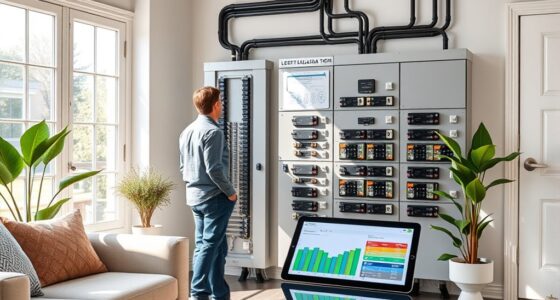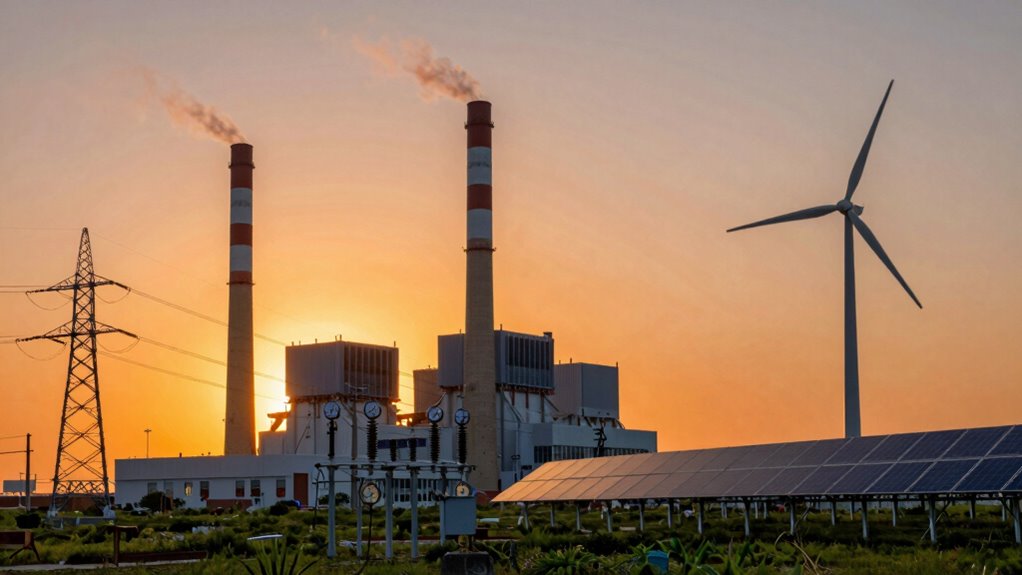

Power is how quickly electricity is used or produced at a moment, measured in watts (W) or kilowatts (kW). Energy is the total amount used over time, in watt-hours (Wh) or kilowatt-hours (kWh). Electricity use combines both power and duration, influencing your bills and environmental impact. Knowing the difference helps you manage consumption better and save money. Keep exploring to understand how these concepts can lead to smarter energy choices.
Prime for Young Adults — start your free trial
Fast free delivery, streaming and member deals for eligible 18–24 year olds.
As an affiliate, we earn on qualifying purchases.
Key Takeaways
- Power measures how quickly energy is used or produced at a specific moment, in watts (W).
- Energy represents the total amount of electricity used over time, in watt-hours (Wh).
- Electricity use encompasses both the power consumption rate and the total energy consumed during a period.
- High-power devices may use energy quickly, but total energy depends on usage duration.
- Managing both power and energy helps optimize efficiency and reduce utility costs.
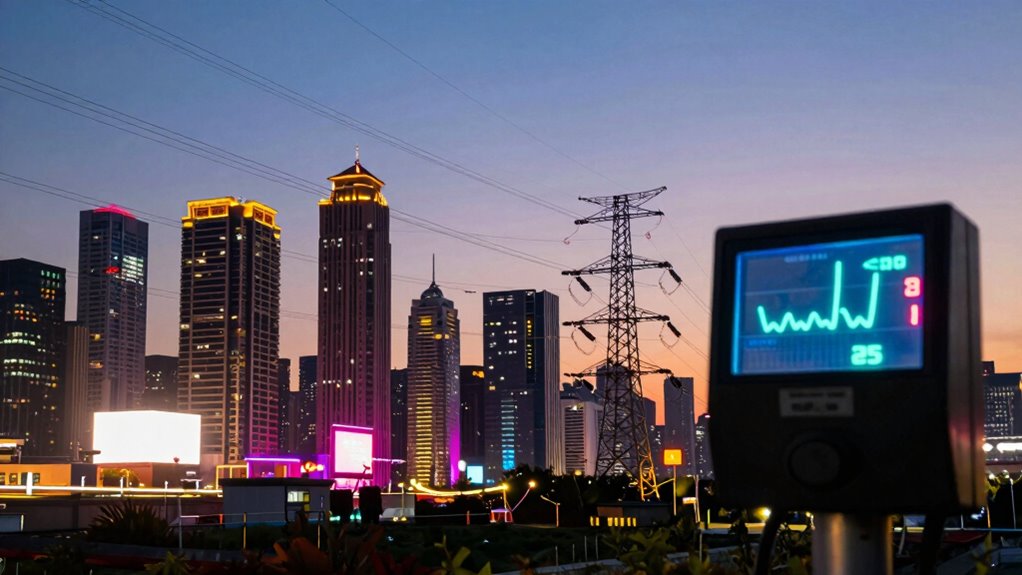
Understanding the difference between power, energy, and electricity use is essential if you want to make smarter decisions about your consumption. These terms are often used interchangeably, but they have distinct meanings that influence how you manage your electricity habits. Power refers to the rate at which electricity is used or transferred, measured in watts (W) or kilowatts (kW). It tells you how quickly a device consumes or produces energy at any given moment. Energy, on the other hand, is the total amount of work done or electricity used over a period, measured in watt-hours (Wh) or kilowatt-hours (kWh). When you see your electric bill, it’s based on the energy you’ve consumed, not just the power of your devices. Electricity use encompasses both these aspects—how much power a device draws and the total energy it consumes over time.
Knowing this difference helps you understand your overall consumption patterns. For example, a small LED bulb might have a low wattage (power), but if you leave it on all day, it accumulates considerable energy use. Conversely, a high-powered appliance like an air conditioner uses a lot of power during operation but might run intermittently, affecting your total energy consumption. Recognizing the relationship between power and energy can guide you in making smarter choices, such as opting for energy-efficient appliances or managing usage to reduce waste. Additionally, understanding energy efficiency** can help you select devices that deliver the same performance with less power, ultimately reducing your overall consumption. Being aware of device operation time and how it impacts your total energy use emphasizes the importance of mindful usage habits. Implementing practices such as adjusting usage patterns or upgrading to more efficient models can further enhance your energy conservation efforts. By focusing on reducing energy use, you not only save money but also lessen the environmental impact of your electricity consumption. Recognizing the relationship between power and energy helps you better grasp how your daily habits influence your utility bills and environmental footprint. Knowing how power and energy relate empowers you to optimize your habits and appliances for better efficiency. It’s about being mindful of how long and how often you use certain devices, especially those with high power ratings. Implementing energy conservation strategies, such as upgrading to renewable sources when possible, supports a more sustainable lifestyle. These actions make a tangible difference, helping you reduce your carbon footprint and contribute to a cleaner planet. In effect, understanding these differences puts you in control of your electricity use, enabling smarter, greener choices that benefit both your wallet and the environment. Additionally, awareness of renewable energy sources** can inspire you to adopt more sustainable practices at home.
energy-efficient LED light bulbs
As an affiliate, we earn on qualifying purchases.
As an affiliate, we earn on qualifying purchases.
Frequently Asked Questions
How Do Power and Energy Relate in Real-World Applications?
In real-world applications, power and energy are closely linked—you use power to do work at any moment, while energy measures the total work done over time. Renewable sources like solar and wind generate energy, which you can store for later use. Efficient energy storage helps you manage fluctuations in power supply, ensuring a steady flow of electricity even when renewable sources aren’t producing. This connection optimizes your energy consumption and sustainability efforts.
What Are Common Units Used to Measure Electricity Consumption?
When it comes to electricity billing, you’ll often see kilowatt-hours (kWh) as the common unit to measure your consumption. This unit reflects how much energy you use over time, and understanding it helps you practice energy conservation wisely. By monitoring your kWh usage, you can make smarter choices, reduce costs, and contribute to a more sustainable environment. Remember, small savings today can lead to a brighter future.
Can Electricity Use Be Reduced Without Changing Power Levels?
Yes, you can reduce electricity use without changing power levels by managing voltage fluctuations and utilizing battery storage. Voltage fluctuations can cause inefficiencies, so stabilizing voltage helps lower unnecessary consumption. Battery storage allows you to store excess energy during low demand and use it later, reducing reliance on continuous power supply. These strategies optimize your energy usage, helping you save electricity without altering the power levels of your appliances.
How Does Temperature Affect Energy Efficiency?
Did you know that a 10°F increase in temperature can boost your heating costs by up to 25%? Temperature fluctuations directly impact energy efficiency, making insulation optimization essential. When temperatures drop, your heating system works harder, increasing energy use. Proper insulation minimizes heat loss, helping you maintain comfort while reducing energy consumption. By managing temperature effects through insulation, you can save money and improve overall energy efficiency.
What Are the Environmental Impacts of Different Energy Sources?
You should know that different energy sources have varying environmental impacts. Renewable resources like wind, solar, and hydro produce little to no carbon emissions, making them eco-friendly options. In contrast, fossil fuels release high levels of carbon emissions, contributing to climate change. By choosing cleaner energy sources, you can help reduce environmental harm and support sustainable development. Switching to renewable energy is essential for a healthier planet.
As an affiliate, we earn on qualifying purchases.
Conclusion
Now that you see how power, energy, and electricity use are intertwined, it’s almost like they dance together in perfect harmony. Just as a simple flick of a switch can light up a room or power a device, understanding these differences makes you more aware of your daily energy choices. It’s funny how something as routine as flipping a switch can connect you to a vast, invisible world of energy—proof that knowledge often appears just when you need it most.
As an affiliate, we earn on qualifying purchases.
As an affiliate, we earn on qualifying purchases.
NFL season / tailgating Picks
team gear
As an affiliate, we earn on qualifying purchases.