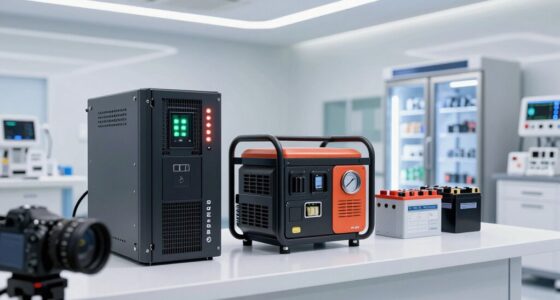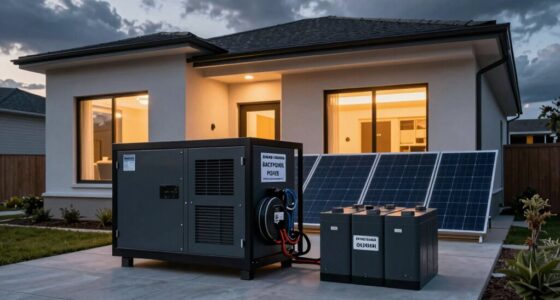
Starting with better load planning is key to a reliable whole-house backup because it helps you identify essential appliances and prevent overloads. By understanding your household’s power needs, you can design a backup system that’s safe, efficient, and cost-effective. It guarantees your home stays functional during outages and minimizes backup size and expenses. Good load planning also helps you stay compliant with electrical codes and prepares you for future upgrades. Keep going to discover how to make your backup system even more effective.
Key Takeaways
- Proper load planning ensures the backup system can handle essential household appliances safely and efficiently.
- It helps identify critical devices to prioritize during power outages, preventing overloads.
- Effective load management reduces backup system size, cost, and energy consumption.
- Planning for future needs ensures the backup system remains reliable as household demands evolve.
- Compliance with electrical codes and standards enhances safety, system performance, and long-term durability.
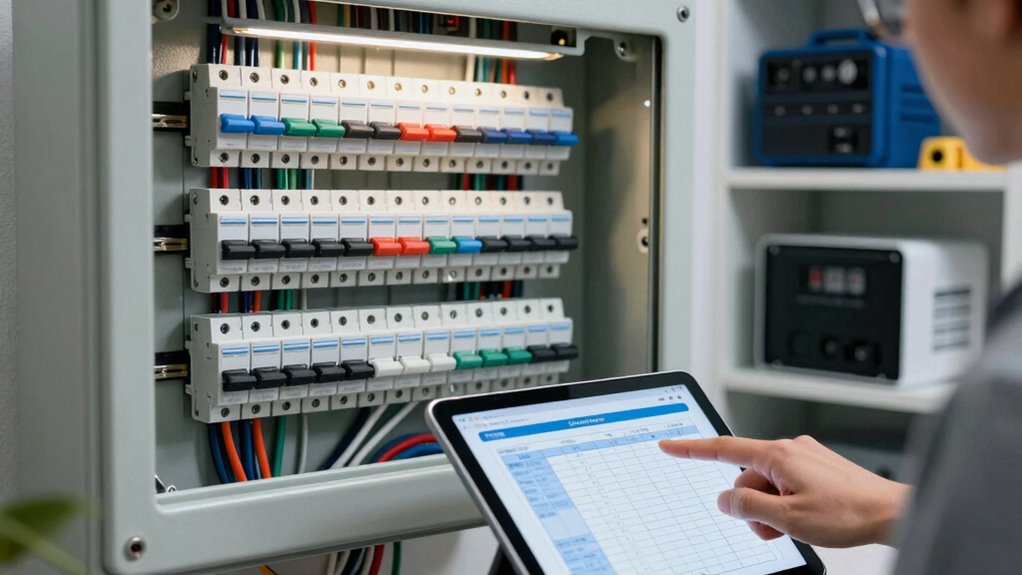
Planning your whole house backup load is vital to guarantee your home remains functional during power outages. When you understand your household’s power needs, you can design an effective backup system that keeps your critical appliances running smoothly. One of the first steps is evaluating which devices and systems are essential, then determining their total power consumption. Incorporating energy efficient appliances can considerably reduce your backup load, making it easier to sustain your home during outages. These appliances use less electricity, which means your generator or backup system doesn’t have to be as large or costly. By choosing energy efficient options, you not only lower your current energy bills but also lessen the strain on your backup power source in times of need.
Understanding your power needs and choosing energy-efficient appliances ensures a reliable, cost-effective backup system during outages.
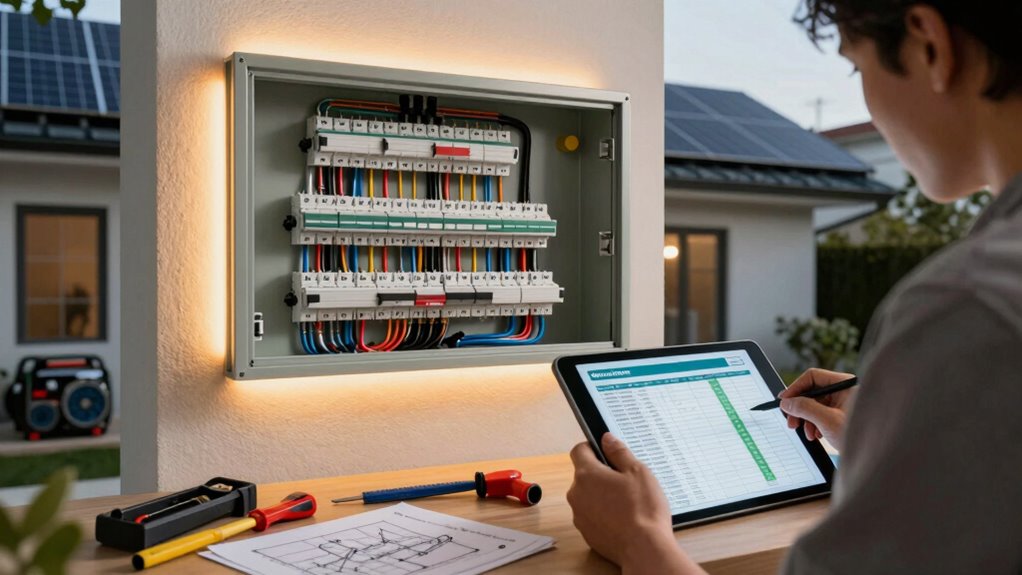
Another vital aspect of load planning is guaranteeing electrical code compliance. It’s important to follow local regulations and standards when designing your backup system. Electrical code compliance ensures that your installation is safe, reliable, and capable of handling your household’s power demands. Failing to adhere to these codes can lead to dangerous situations, such as electrical fires or system failures, especially during critical moments. Working with a licensed electrician helps you navigate the requirements and guarantees your backup system is both compliant and safe. Proper wiring, grounding, and circuit protection are all integral parts of code compliance, preventing overloads and potential hazards. Additionally, understanding enterprise governance frameworks for AI and cybersecurity can help ensure your backup system aligns with best practices for safety and security. Incorporating industry standards can further enhance the safety and efficiency of your backup setup. Moreover, staying informed about power storage options can help you select the most reliable and sustainable solutions for your needs. Considering emerging technologies can also provide innovative ways to optimize your backup system.
As you plan your backup load, consider future needs as well. Upgrading to energy efficient appliances now can make a noticeable difference down the line. Think about the total wattage your system will need to support, and avoid overloading your generator or backup source. It’s wise to prioritize essential appliances such as refrigeration, heating or cooling systems, lighting, and communication devices. By doing this, you create a streamlined, manageable load that your backup system can handle comfortably. Remember, the goal is to keep your home operational without risking overload or compromising safety.
Ultimately, better load planning begins with understanding your household’s power requirements and making smart choices about appliances and system design. Incorporating energy efficient appliances not only reduces your backup load but also promotes sustainability. Guaranteeing electrical code compliance guarantees safety and reliability. When you approach your whole house backup system with careful planning, you set yourself up for a resilient, efficient, and safe power solution that keeps your home running smoothly during outages.

Generac 26kW Whole Home Generator, Cellular Capability
- Whole House Protection: Automatic backup during outages
- Cost-Efficient Operation: Optimized fuel use and lower emissions
- Remote Monitoring: Cellular connectivity for app control
As an affiliate, we earn on qualifying purchases.
As an affiliate, we earn on qualifying purchases.
Frequently Asked Questions
How Often Should I Review My Load Plan?
You should review your load plan at least once a year or whenever your power needs change. Regular reviews help you adjust load scheduling and backup priorities, ensuring your system remains efficient. If you add new appliances or experience changes in usage, update your plan promptly. Staying current with your load plan guarantees your backup system provides reliable power when you need it most, avoiding surprises during outages.
What Tools Are Best for Load Calculation?
Think of load calculation tools as your ship’s compass, guiding you through the stormy seas of equipment sizing and load estimation. Use software like Homer or SKM PowerTools for precise measurements, or manual tools like load calculation spreadsheets for smaller projects. These tools help you chart the right course, ensuring your backup system can handle your home’s power needs without oversizing or underestimating, keeping your home safe and efficient.
Can Load Planning Improve Energy Efficiency?
Yes, load planning can improve your energy efficiency by helping you identify ways to reduce peak demand and better integrate renewable energy sources. When you plan your loads carefully, you can optimize appliance use, shift energy-consuming tasks to off-peak times, and incorporate renewable options like solar. This not only lowers your utility bills but also supports a greener, more sustainable energy system for your home.
How Does Load Planning Affect Generator Lifespan?
Did you know poorly managed loads can shorten your generator’s lifespan by up to 30%? Load planning plays a vital role in protecting your generator. By practicing peak load management, you reduce stress on the system, minimizing wear and tear. Regular generator maintenance guarantees peak performance, but smart load planning prevents overloads from happening in the first place, extending your generator’s life and saving you money in the long run.
Is Professional Help Necessary for Load Planning?
Yes, professional help isn’t always necessary for load planning, but it can be beneficial. If you’re comfortable with a DIY assessment, you can evaluate your power needs and consider cost considerations yourself. However, a professional can guarantee accuracy, optimize your system, and prevent costly mistakes. If your setup is complex or your knowledge is limited, consulting an expert might save you time and money in the long run.

4PC Electricity Saving Box, Energy Saving Device Smart, Save Plug Power Saver Voltage Optimization Surge Protection Thermoregulation Outlet Home Office Compact Plug and Play Energy Efficiency
- Power Optimization & Energy Savings: Stabilizes voltage and reduces waste
- Wide Compatibility & Applications: Suitable for various appliances and settings
- Safe & Durable Construction: Made of flame-retardant ABS with protection features
As an affiliate, we earn on qualifying purchases.
As an affiliate, we earn on qualifying purchases.
Conclusion
By now, you see that good load planning is the backbone of effective whole house backup. Think of it as your trusty compass, guiding you through the storm with confidence. Without it, you might find yourself lost in the dark or chasing shadows. Remember, a little foresight and smart planning today can keep your home warm and safe when the power’s out—just like a good old-fashioned lantern lighting your way through the night.
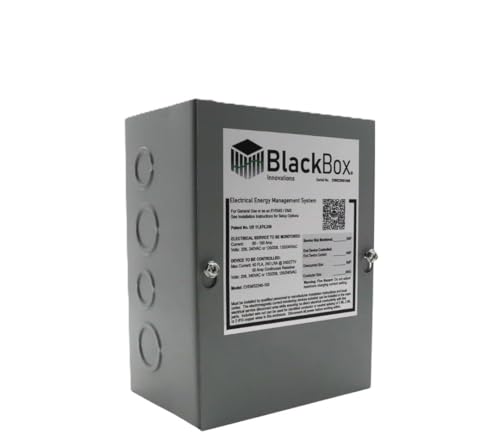
EV Charger BLACKBOX 240V 60-100A Service – No Electrical Panel or Service Upgrade Required. Allows 240 Volt up to 48 Amp (60Amp) EV Fast Charge Rate EV Load Management System Save $$
- Versatile Charging Support: Supports multiple EV charge rates
- Compact Installation Size: Fits easily near electrical panels
- No Service Upgrade Needed: Allows 240V up to 48A charging
As an affiliate, we earn on qualifying purchases.
As an affiliate, we earn on qualifying purchases.
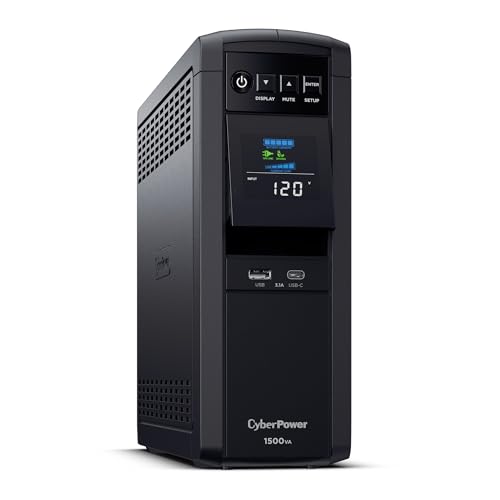
CyberPower CP1500PFCLCD PFC Sinewave UPS Battery Backup and Surge Protector, 1500VA/1000W, 12 Outlets, AVR, Mini Tower, UL Certified
- Power Capacity: 1500VA/1000W PFC sine wave UPS
- Number of Outlets: 12 outlets with surge protection
- Outlet Types: Six battery backup, six surge protected
As an affiliate, we earn on qualifying purchases.
As an affiliate, we earn on qualifying purchases.