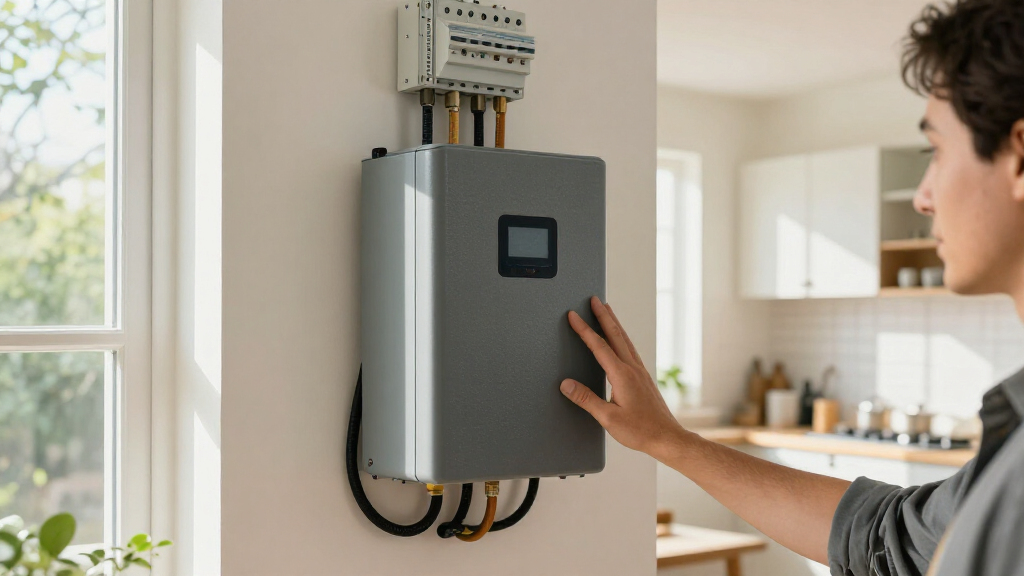

The best battery energy storage systems balance usable capacity, inverter compatibility, expandability, and installation needs—not just a large kWh figure. For whole-home backup with a broad expansion range, the Anker SOLIX E10 Power Dock and Extra Battery stands out; the WattCycle 51.2V 400Ah kit suits buyers seeking a substantial rack-based system, while the WattCycle dual-battery and 12kW inverter bundle pairs storage and conversion equipment. The main tradeoffs are system integration versus component flexibility, upfront capacity versus room to expand, and a ready-to-use setup versus DIY wiring and configuration. This roundup also includes battery enclosures and books, which serve different needs from complete storage systems. Read on for the full breakdown and guidance on matching a system to your home, cabin, or project.

Get backup power and energy gear delivered free with Prime
- Fast, free delivery on millions of items
- Prime Video, Amazon Music and more included
- Member-only deals all year
Key Takeaways
- The lineup spans different kinds of purchases: Anker SOLIX E10 is an integrated expansion platform, rack batteries are storage components, and three titles are educational resources—not interchangeable complete systems.
- Capacity alone does not determine backup performance: A large battery still needs a compatible inverter and enough continuous output to run the loads a buyer cares about.
- Bundles can reduce compatibility work: WattCycle‘s dual-battery and 12kW inverter package groups key components, while standalone batteries give experienced buyers more freedom to select the inverter.
- Large-capacity choices favor planned installations: ECO-WORTHY Cubix100’s six-pack and WattCycle‘s 20.48kWh kit target substantial storage needs, but call for careful space, wiring, and system planning.
- DIY flexibility comes with added responsibility: The HiXiMi battery box does not include cells, making it a project enclosure rather than a ready battery; buyers need to source compatible cells and manage assembly.
| Battery Energy Storage System (BESS) for Everyone: A Beginner’s Guide |  | Best for Learning the Basics | Product type: Beginner’s guide | Subject: Modern battery energy storage systems (BESS) | Audience: Beginners | VIEW LATEST PRICE | See Our Full Breakdown |
| SUNGOLDPOWER CoreX 5 Elite 100Ah 48V Lithium Battery |  | Best Wall-Mounted Battery | Capacity: 100Ah | Nominal voltage: 48V (rated 51.2V) | Maximum power: 5,120W | VIEW LATEST PRICE | See Our Full Breakdown |
| HiXiMi 48V LiFePO4 Battery Box with 200A BMS, Cells Not Included |  | Best for DIY Battery Builders | Battery chemistry: LiFePO4 | System voltage: 48V | BMS: 16S, 200A, with temperature protection | VIEW LATEST PRICE | See Our Full Breakdown |
| VEVOR 48V 400Ah LiFePO4 Server Rack Battery with 100A BMS |  | Best Single-Battery Rack Capacity | Model: LPS48100-B | Voltage: 51.2V | Capacity: 400Ah (4 x 100Ah) | VIEW LATEST PRICE | See Our Full Breakdown |
| ECO-WORTHY Cubix100 48V 600Ah LiFePO4 Server Rack Battery System, 6-Pack |  | Best for High-Capacity Expansion | Battery count: 6 | Voltage: 51.2V per battery | Capacity: 100Ah per battery; 600Ah total | VIEW LATEST PRICE | See Our Full Breakdown |
| The BESS Book: A Cell-to-Grid Guide to Utility-Scale Battery Energy Storage Systems |  | Best for Understanding Utility-Scale Systems | Subject: Utility-scale battery energy storage systems | Coverage: Individual cells through grid integration | Format: Book | VIEW LATEST PRICE | See Our Full Breakdown |
| WattCycle 51.2V 400Ah LiFePO4 Server Rack Battery Kit (4-Pack, 20.48kWh) |  | Best for High-Capacity Modular Storage | Total energy: 20.48kWh | Configuration: 4 × 5.12kWh batteries | Voltage and capacity: 51.2V, 400Ah total | VIEW LATEST PRICE | See Our Full Breakdown |
| GOKWH 48V 100Ah LiFePO4 Server Rack Battery |  | Best for Scalable Single-Battery Builds | Nominal voltage: 48V class (51.2V) | Capacity: 100Ah | Energy: 5.12kWh | VIEW LATEST PRICE | See Our Full Breakdown |
| WattCycle Dual 48V 100Ah Server Rack Batteries & 12kW Split Phase Inverter |  | Best Integrated System for Whole-Home Backup | Battery capacity: 10.24kWh | Battery configuration: 2 × 48V 100Ah LiFePO4 batteries | Inverter output: 12kW | VIEW LATEST PRICE | See Our Full Breakdown |
| MFUZOP 48V 100Ah LiFePO4 Server Rack Battery with 100A BMS |  | Best for a Feature-Rich Single-Battery Start | Nominal voltage: 51.2V (48V class) | Capacity and energy: 100Ah; 5.12kWh | Chemistry: LiFePO4 | VIEW LATEST PRICE | See Our Full Breakdown |
| ECO-WORTHY Powermega 48V 314Ah LiFePO4 Battery with 16.07kWh Capacity |  | Best for Large DIY Storage Banks | Chemistry: LiFePO4 | Nominal voltage: 51.2V | Capacity: 314Ah | VIEW LATEST PRICE | See Our Full Breakdown |
| Battery Energy Storage Systems: A Global Engineering Handbook |  | Best for Utility-Scale System Learning | Product type: Engineering handbook | Subject: Utility-scale battery energy storage | Coverage: Grid integration and power systems | VIEW LATEST PRICE | See Our Full Breakdown |
| Anker SOLIX E10 Power Dock and Extra Battery, Expandable 12–90 kWh |  | Best for Integrated Whole-Home Backup | Battery chemistry: LFP | Included storage: 12kWh with two B6000 battery modules | Expandable capacity: Up to 90kWh | VIEW LATEST PRICE | See Our Full Breakdown |
More Details on Our Top Picks
Battery Energy Storage System (BESS) for Everyone: A Beginner’s Guide
This is the only entry here that helps a buyer understand battery energy storage before choosing hardware. It is positioned as a beginner’s guide to modern BESS, making it a different kind of pick from the SUNGOLDPOWER CoreX 5 Elite or VEVOR rack battery, which are physical storage products. That can be useful for readers still sorting out system concepts and terminology, but the provided product information does not describe its chapters, technical depth, format, or included diagrams. I would treat it as a possible starting point rather than a substitute for equipment specifications or installation guidance. Compared with the HiXiMi DIY battery box, which assumes a hands-on build, this title appears aimed at newcomers; the lack of detail makes it difficult to judge how much practical instruction it provides.
Pros:- Introduces modern battery energy storage systems
- Explicitly aimed at beginners
- May help readers build familiarity before comparing hardware options
Cons:- No chapter list or description of the topics covered is provided
- Format and level of technical detail are unspecified
- It is educational material, not a battery or complete storage system
Best for: First-time BESS shoppers who want an introductory resource before comparing batteries, inverters, and system designs
Not ideal for: Buyers seeking a battery, detailed installation instructions, or a book whose technical scope and format are clearly documented
- Product type:Beginner’s guide
- Subject:Modern battery energy storage systems (BESS)
- Audience:Beginners
- Author:Not provided
- Format:Not provided
- Content details:Not provided
Our verdict“Choose this as a possible introductory read, but look elsewhere if you need documented technical guidance or storage hardware.”
SUNGOLDPOWER CoreX 5 Elite 100Ah 48V Lithium Battery
The CoreX 5 Elite suits buyers who want a single wall-mounted 48V battery with useful monitoring and inverter communication built in. Its 100Ah capacity and 5,120W maximum power make it a more compact-scale choice than the VEVOR 400Ah rack battery or ECO-WORTHY Cubix100 six-pack, both of which offer far more total storage. The tradeoff is physical: at 105.8 pounds, this unit needs a suitably strong mounting surface and careful installation. Its Bluetooth, Wi-Fi, display, CAN, and RS485 connections give homeowners several ways to check status and integrate the battery, while support for up to 15 units in parallel leaves room to expand. Compared with the HiXiMi enclosure, this is a ready battery rather than a DIY pack project, but it offers less capacity per unit.
Pros:- Tier-1 EVE lithium-ion cells
- Bluetooth, Wi-Fi, and an onboard display support local and remote monitoring
- CAN and RS485 connections support compatibility with major inverter brands
- Supports up to 15 units in parallel and lists a 10-year warranty
Cons:- 100Ah capacity is substantially lower than the VEVOR 400Ah battery and ECO-WORTHY 600Ah system
- Its 105.8-pound weight and wide enclosure make mounting a substantial installation task
Best for: Homeowners building a modest 48V solar or backup system who want a wall-mounted battery with app monitoring and room to add units
Not ideal for: Buyers needing substantial storage from one unit or lacking a wall that can support a battery weighing 105.8 pounds
- Capacity:100Ah
- Nominal voltage:48V (rated 51.2V)
- Maximum power:5,120W
- Output current:100A
- Cell type:Lithium-ion, Tier-1 EVE cells
- Connectivity:Bluetooth, Wi-Fi, CAN, RS485
- Weight:105.8 lb
- Dimensions:22.05 x 18.9 x 5.39 in
- Warranty:10 years
Our verdict“Pick the CoreX 5 Elite for a monitorable, expandable wall-mounted setup, not for high capacity from a single battery.”
HiXiMi 48V LiFePO4 Battery Box with 200A BMS, Cells Not Included
The HiXiMi is an enclosure-and-controls kit, not a complete battery: buyers supply compatible cells separately. That makes it the most hands-on route in this group, with a 16S 200A BMS, temperature protection, Bluetooth monitoring, and CANbus and RS485 communication included for a custom 48V LiFePO4 pack. Its supported 280Ah–314Ah cells can yield a larger DIY build than the SUNGOLDPOWER CoreX 5 Elite’s 100Ah, but the final system depends on sourcing and assembling the cells correctly. By contrast, the VEVOR arrives as a complete 400Ah battery, so it is the simpler choice for buyers who want ready-to-install storage. The HiXiMi’s two-year warranty is also shorter than the warranties listed for those finished battery options.
Pros:- Includes a 16S 200A BMS with temperature protection
- Bluetooth monitoring plus CANbus and RS485 communications
- Supports several high-capacity cell options from 280Ah to 314Ah
- Includes enclosure, busbars, communication board, and assembly accessories
Cons:- Battery cells are not included, so it is not a ready-to-use storage system
- Cell selection and pack assembly add compatibility and build work
- Two-year warranty is shorter than the warranties listed for the SUNGOLDPOWER and ECO-WORTHY systems
Best for: Experienced DIY solar builders who can source compatible 280Ah–314Ah cells and want a customizable 48V LiFePO4 pack
Not ideal for: First-time buyers seeking a complete battery, or anyone unwilling to handle cell sourcing, assembly, and compatibility checks
- Battery chemistry:LiFePO4
- System voltage:48V
- BMS:16S, 200A, with temperature protection
- Supported cell capacities:280Ah, 302Ah, 304Ah, 314Ah
- Communications:Bluetooth, CANbus, RS485
- Enclosure material:Steel aluminum alloy
- Batteries included:No
- Warranty:2 years
Our verdict“Choose the HiXiMi if you want to build a custom high-capacity pack and are prepared to source and assemble its cells yourself.”
VEVOR 48V 400Ah LiFePO4 Server Rack Battery with 100A BMS
With 400Ah of capacity in one 51.2V LiFePO4 battery, the VEVOR offers a straightforward way to get more storage than the SUNGOLDPOWER CoreX 5 Elite without assembling a DIY pack like the HiXiMi. Its 100A BMS, LCD, app monitoring, and RS485 and CAN connections support system oversight and inverter integration, while the listed 6,000-plus-cycle life points to a battery designed for repeated use. The main constraint is installation: this is a 103.6-pound rack-format unit, so buyers need compatible rack infrastructure and help moving it into place. Compared with the ECO-WORTHY Cubix100 six-pack, it provides less total energy than that 30.72kWh package, but it avoids buying and arranging six separate batteries. The listed safety standards are useful product data, though buyers should confirm their system’s specific certification requirements.
Pros:- 400Ah capacity in a single battery
- LiFePO4 chemistry with a listed 6,000-plus-cycle life
- LCD, Bluetooth, Wi-Fi, RS485, and CAN support monitoring and system communication
- UL1973 and UL9540 standards are listed
Cons:- At 103.6 pounds, moving and installing the battery may require assistance
- Rack infrastructure is needed to take advantage of its server-rack format
- Its total capacity is below the ECO-WORTHY Cubix100 six-battery system’s 30.72kWh
Best for: Homeowners or solar installers who want a high-capacity, single-unit 48V rack battery with multiple monitoring and communications options
Not ideal for: Buyers without a compatible rack, needing a lightweight installation, or seeking the larger total capacity of a multi-battery system
- Model:LPS48100-B
- Voltage:51.2V
- Capacity:400Ah (4 x 100Ah)
- Battery type:LiFePO4 lithium
- BMS current:100A
- Cycle life:6,000+ cycles
- Connectivity:LCD, Bluetooth, Wi-Fi, RS485, CAN
- Weight:103.6 lb
- Listed safety standards:UL1973, UL9540
Our verdict“Choose the VEVOR for substantial storage in one rack-mounted battery, provided you have the rack and installation support it needs.”
ECO-WORTHY Cubix100 48V 600Ah LiFePO4 Server Rack Battery System, 6-Pack
The Cubix100 is the strongest fit here for buyers who need a large storage bank from the outset: six 51.2V, 100Ah batteries combine for 30.72kWh. That is considerably more total energy than the VEVOR’s 400Ah single battery, though the multi-unit package takes more space and requires a rack, which is not included. Its UL9540, UL1973, and CEC certifications, RSD button, and included parallel and communication cables make it a more complete package than buying a single battery and piecing together accessories. Bluetooth, Wi-Fi, CAN, and RS485 support monitoring and inverter communication; expansion is listed up to 32 batteries in parallel. That ceiling gives it a wider growth path than the SUNGOLDPOWER CoreX 5 Elite’s 15-unit limit, but buyers must plan for the added equipment, installation, and possible multiple shipments.
Pros:- Six batteries provide 30.72kWh of total energy storage
- UL9540, UL1973, and CEC certifications are listed
- CAN, RS485, Bluetooth, and Wi-Fi support system communication and app monitoring
- Supports up to 32 batteries in parallel and includes an RSD button and cables
Cons:- Server rack is not included
- Six units require more space and installation planning than the VEVOR single-battery option
- The package may arrive in multiple shipments
Best for: Homeowners or installers planning a large solar or backup system who want 30.72kWh now and a path to expand the battery bank
Not ideal for: Buyers with limited rack space, seeking a compact single-battery setup, or unwilling to source a server rack separately
- Battery count:6
- Voltage:51.2V per battery
- Capacity:100Ah per battery; 600Ah total
- Energy storage:30.72kWh
- Battery chemistry:LiFePO4
- Certifications:UL9540, UL1973, CEC
- Communication:CAN, RS485, Bluetooth, Wi-Fi
- Maximum parallel units:32
- Warranty:10-year limited warranty
Our verdict“Choose the Cubix100 when high total capacity and future expansion outweigh the need to provide your own rack and manage a six-battery installation.”
The BESS Book: A Cell-to-Grid Guide to Utility-Scale Battery Energy Storage Systems
This is a technical guide, not a battery or storage system, so it belongs on a shortlist for readers evaluating utility-scale projects rather than homeowners shopping for backup power. Its cell-to-grid scope offers a way to understand how battery components relate to system integration, a wider view than the residential hardware in the WattCycle Dual 48V 100Ah Server Rack Batteries & 12kW Split Phase Inverter. That makes it a different kind of resource: it can help build context for project decisions, but it cannot supply energy, specify a buyer’s installation, or replace product documentation. The provided information does not include details on edition, length, author, or specific topics beyond its broad scope, so I would not choose it based on technical depth alone. It makes the most sense for readers seeking system-level knowledge, not equipment.
Pros:- Covers battery storage from individual cells through grid integration.
- Focuses on utility-scale systems rather than only household equipment.
- Can provide system-level context alongside hardware research.
Cons:- It is a book, not an energy storage product.
- The supplied details do not identify its depth, format, edition, or specific technical coverage.
Best for: Energy professionals, students, and project stakeholders who want a cell-to-grid introduction to utility-scale battery storage.
Not ideal for: Homeowners seeking a battery, inverter, installation instructions for a specific product, or a beginner-focused residential guide.
- Subject:Utility-scale battery energy storage systems
- Coverage:Individual cells through grid integration
- Format:Book
- System scale:Utility-scale
- Energy capacity:Not provided
- Author or edition:Not provided
Our verdict“Choose this guide for utility-scale system context, but choose a battery product if you need storage hardware.”
WattCycle 51.2V 400Ah LiFePO4 Server Rack Battery Kit (4-Pack, 20.48kWh)
For buyers who need substantial battery capacity in rack-mount form, this four-unit kit delivers 20.48kWh from the outset, avoiding the piecemeal setup of starting with a single 5.12kWh battery such as the GOKWH 48V 100Ah LiFePO4 Server Rack Battery. Grade-A prismatic LiFePO4 cells, a stated 6,000+ cycle life, and 3A active balancing support long-term, multi-battery use. The LCD, Bluetooth, and CAN/RS232/RS485 connections provide useful monitoring and integration options, though those communications depend on inverter compatibility. This is a substantial 3U rack installation, not a lightweight backup box: buyers need suitable rack space and a plan for handling the four-unit configuration. It suits demanding home or off-grid storage better than buyers who want a compact, simple, standalone system.
Pros:- Provides 20.48kWh across four 5.12kWh battery units.
- LiFePO4 chemistry and a stated 6,000+ cycle life suit frequent cycling.
- 3A active balancing and a 100A continuous BMS support managed operation.
- Offers LCD and Bluetooth monitoring plus CAN, RS232, and RS485 connections.
Cons:- Four rack batteries are heavy and require suitable rack space and installation planning.
- Communication features depend on compatibility with the inverter and system.
- The manufacturer warns against disassembly, limiting user maintenance.
Best for: Homeowners and off-grid system builders who need around 20kWh of rack-mounted storage and have a compatible inverter and rack infrastructure.
Not ideal for: Buyers with limited installation space, those who need a portable battery, or anyone expecting a simple standalone setup without inverter compatibility checks.
- Total energy:20.48kWh
- Configuration:4 × 5.12kWh batteries
- Voltage and capacity:51.2V, 400Ah total
- Chemistry and cells:LiFePO4, Grade-A prismatic cells
- BMS:100A continuous
- Balancing and cycle life:3A active balancing; 6,000+ cycles
- Form factor:3U rack-mount
- Monitoring and communication:3.2-inch LCD touchscreen, Bluetooth, CAN, RS232, RS485
- Warranty:5 years
Our verdict“Choose this kit when you need substantial rack-based capacity in one purchase and can support its installation and inverter requirements.”
GOKWH 48V 100Ah LiFePO4 Server Rack Battery
The GOKWH is a practical starting point for a rack-based storage system: one battery supplies 5.12kWh, and the design supports expansion to as many as 16 units. That lets buyers add capacity over time instead of committing immediately to the WattCycle 51.2V 400Ah LiFePO4 Server Rack Battery Kit and its four-battery, 20.48kWh setup. A 100A Smart BMS, stated 6,000+ cycle life, and CAN/RS485 plus app monitoring cover the essentials for an integrated home solar or off-grid system. The tradeoff is that the first unit is not a complete whole-home solution by itself, and its 111-pound weight makes placement a planned installation task. Inverter compatibility also matters; buyers should confirm system communication before relying on its monitoring and expansion features.
Pros:- Starts at 5.12kWh and supports expansion to 16 batteries.
- Stated 6,000+ cycle life supports frequent charge and discharge use.
- Smart BMS includes cell balancing and protection features.
- CAN/RS485 and app monitoring provide multiple ways to check system status.
Cons:- A single battery may not provide enough storage for larger backup loads.
- At 111 pounds, installation and placement can require assistance.
- Full system integration depends on inverter compatibility.
Best for: Solar and off-grid builders who want to start with one rack battery and expand capacity as their system grows.
Not ideal for: Buyers who need high capacity immediately, want a portable battery, or lack a compatible inverter and help positioning a 111-pound unit.
- Nominal voltage:48V class (51.2V)
- Capacity:100Ah
- Energy:5.12kWh
- Chemistry:LiFePO4
- BMS current:100A
- Cycle life:6,000+ cycles
- Parallel expansion:Up to 16 batteries; up to 81kWh stated
- Connectivity:CAN, RS485, mobile app
- Weight and dimensions:111 lb; 21 × 15 × 7.08 in
Our verdict“Choose this battery for an expandable rack system you plan to build gradually, rather than for a high-capacity setup ready in one purchase.”
WattCycle Dual 48V 100Ah Server Rack Batteries & 12kW Split Phase Inverter
Unlike the standalone batteries elsewhere in this group, this package pairs 10.24kWh of LiFePO4 storage with a 12kW split-phase inverter. That integrated approach can simplify component selection for a 120V/240V residential backup system, while the stated under-10ms transfer time is aimed at keeping connected equipment running through a power interruption. Dual MPPT controllers accept up to 24,000W of solar input, a capability that sets it apart from the battery-only GOKWH 48V 100Ah LiFePO4 Server Rack Battery, which requires a separate inverter. The package still demands careful system design: a high solar-input figure is not a substitute for verifying array, wiring, and inverter compatibility. Professional installation, dedicated rack space, and ventilation make this a stronger fit for planned home backup than a casual plug-in solution.
Pros:- Combines 10.24kWh of battery storage with a 12kW split-phase inverter.
- 120V/240V output suits residential split-phase system designs.
- Stated transfer time below 10ms supports rapid backup response.
- Dual MPPT controllers support up to 24,000W solar input, with expansion options.
Cons:- Professional installation is appropriate for its high-power split-phase configuration.
- Rack space and ventilation are required.
- The 10.24kWh battery capacity may not cover extended outages with heavy household loads.
Best for: Homeowners planning a professionally installed 120V/240V backup system who want batteries and a high-output inverter bundled together.
Not ideal for: Buyers seeking a portable or simple plug-in battery, or those without space, installation support, and a compatible system plan.
- Battery capacity:10.24kWh
- Battery configuration:2 × 48V 100Ah LiFePO4 batteries
- Inverter output:12kW
- Output voltage:120V/240V split phase
- Solar input:Up to 24,000W via dual MPPT controllers
- Transfer time:Less than 10ms
- BMS:100A intelligent BMS with 3A active balancing
- Monitoring:Bluetooth and LCD touchscreen
- Expansion:Up to 6 parallel inverters and 20 parallel batteries, as specified
Our verdict“Choose this package for a planned whole-home backup installation when you want the inverter and batteries matched in one system.”
MFUZOP 48V 100Ah LiFePO4 Server Rack Battery with 100A BMS
MFUZOP’s 5.12kWh battery is aimed at buyers who want monitoring and protection features in a single rack unit before expanding. It combines a 100A BMS, 125A circuit breaker, power switch, and Bluetooth app, with CAN/RS485 communication for compatible inverter systems. Those details make it more control-oriented than the bare essentials of a battery-only setup, while the GOKWH 48V 100Ah LiFePO4 Server Rack Battery offers a clearly stated expansion path to 16 units compared with MFUZOP’s limit of 15. This unit can expand to 76.8kWh, but it is still one 5.12kWh battery to start with; the listed 12,000-watt figure should not be confused with its stored energy. The rack is not included, and its roughly 95–100-pound listed weight calls for installation planning.
Pros:- Provides 5.12kWh of LiFePO4 storage in a 3U rack format.
- Includes a 100A BMS, 125A circuit breaker, and power switch.
- Bluetooth app monitoring and CAN/RS485 connections support system oversight.
- Supports expansion to 15 batteries and includes installation cables and hardware.
Cons:- Rack is not included, so buyers need to source suitable mounting infrastructure.
- A single unit provides only 5.12kWh of storage.
- Listed weight varies between approximately 94.8 and 100 pounds, and inverter compatibility is required.
Best for: Solar, RV, and off-grid system owners who want one rack battery with app monitoring, a built-in breaker, and a defined expansion path.
Not ideal for: Buyers who need a rack included, require high storage capacity immediately, or have not confirmed inverter compatibility.
- Nominal voltage:51.2V (48V class)
- Capacity and energy:100Ah; 5.12kWh
- Chemistry:LiFePO4
- BMS and breaker:100A BMS; 125A circuit breaker
- Form factor:3U server rack; rack not included
- Expansion:Up to 15 batteries; up to 76.8kWh stated
- Communication:CAN, RS485, Bluetooth app
- Weight:Approximately 94.8 lb; product information also lists 100 lb
- Warranty:5-year limited warranty
Our verdict“Choose MFUZOP for a monitored, protected first rack battery, but plan for a separate rack and verify inverter support before expanding.”
ECO-WORTHY Powermega 48V 314Ah LiFePO4 Battery with 16.07kWh Capacity
The Powermega suits buyers who want substantial storage in a single battery rather than assembling a bank from smaller units. Its 16.07kWh capacity is larger than the 12kWh starting capacity of the Anker SOLIX E10, and support for up to 15 units in parallel gives system builders room to expand. A 200A active-balancing BMS, circuit breaker, and aerosol fire-suppression modules add layers of battery management and protection, while the touchscreen and wireless monitoring make system status easier to check. RS485 and CAN ports also support inverter integration. The tradeoff is logistics: this is a large, heavy battery that requires truck delivery to an address able to receive it. Unlike the Anker, it is a battery rather than a bundled whole-home backup system, so buyers must plan the inverter and installation separately.
Pros:- 16.07kWh capacity provides substantial storage from one battery.
- Supports parallel expansion up to 15 units, with listed system capacity up to 241kWh.
- 200A active-balancing BMS, circuit breaker, and aerosol fire-suppression modules add protection features.
- Touchscreen, WiFi, Bluetooth, RS485, and CAN support monitoring and inverter communication.
Cons:- Large size and weight require pallet delivery by truck.
- The battery alone does not provide the bundled power dock and whole-home coverage offered by the Anker SOLIX E10.
- Buyers need to confirm inverter compatibility and arrange the rest of the system.
Best for: DIY solar and backup-system builders who need more than 16kWh in one battery and have space and delivery access for pallet freight.
Not ideal for: Homeowners seeking a ready-to-install whole-home backup package, or buyers whose delivery location cannot accommodate a truck.
- Chemistry:LiFePO4
- Nominal voltage:51.2V
- Capacity:314Ah
- Energy:16.07kWh
- BMS:200A smart BMS with active cell balancing
- Certification:UL 1973
- Parallel expansion:Up to 15 units; listed system capacity up to 241kWh
- Monitoring and communications:7-inch HD touchscreen, WiFi, Bluetooth, RS485, and CAN
- Safety and warranty:Two-pole circuit breaker, aerosol fire-suppression modules, and 10-year manufacturer warranty
Our verdict“Choose the Powermega for high-capacity, expandable DIY storage if you can manage freight delivery and source compatible system components.”
Battery Energy Storage Systems: A Global Engineering Handbook
This handbook is the most useful choice in this group for readers seeking engineering context rather than household battery hardware. Its stated coverage spans utility-scale storage, grid integration, power systems, artificial intelligence, safety, and future energy infrastructure. That makes it a different kind of resource from the BESS Book: a buyer comparing physical systems such as the ECO-WORTHY Powermega will need product-level details like capacity, interfaces, and installation requirements, none of which are supplied here. The handbook’s value instead lies in its broad subject mix for readers studying how storage fits into larger energy networks. The available product information gives no details on edition, author, length, or technical depth, so readers cannot judge how far it goes beyond an overview. It is not a battery system and will not help provide backup power by itself.
Pros:- Covers utility-scale battery energy storage and grid integration.
- Includes subject areas spanning power systems, AI, and safety.
- Provides a learning-focused alternative to hardware options such as the ECO-WORTHY Powermega.
Cons:- It is a handbook, not an energy storage product for home backup.
- Available product details do not specify the author, edition, length, or level of technical detail.
Best for: Energy students, engineers, and grid-planning professionals seeking a reference on utility-scale storage and grid integration.
Not ideal for: Homeowners shopping for backup hardware or readers who need confirmed details about the book’s author, edition, length, or depth before choosing a reference.
- Product type:Engineering handbook
- Subject:Utility-scale battery energy storage
- Coverage:Grid integration and power systems
- Additional topics:Artificial intelligence and safety
- Broader focus:Future energy infrastructure
- Author, edition, and length:Not provided in the available product data
Our verdict“Choose this handbook for utility-scale energy-storage study, not for a physical battery system or a home-backup purchase.”
Anker SOLIX E10 Power Dock and Extra Battery, Expandable 12–90 kWh
The Anker SOLIX E10 is the clearest fit here for homeowners who want a coordinated backup setup rather than a battery that still needs system components selected around it. The package includes a power module, Power Dock, and two B6000 battery modules, with 200A whole-home coverage and automatic switchover in 20 milliseconds or less. Its 12kWh starting capacity is below the ECO-WORTHY Powermega’s 16.07kWh, but the E10 can expand to 90kWh and accepts up to 9kW of solar input per unit. Weatherproofing and wall- or floor-mount options broaden placement choices. The tradeoffs are a five-year E10 warranty, shorter than the Powermega’s 10-year warranty, and possible separate dispatch of the E10 and Power Dock. Professional installation may also be needed.
Pros:- 200A whole-home coverage and automatic switchover in 20 milliseconds or less.
- Storage expands from 12kWh to 90kWh.
- Accepts up to 9kW of solar input per unit and supports up to 10kW turbo output per unit.
- Weatherproof design with wall- or floor-mount installation options.
Cons:- The E10 has a five-year warranty, shorter than the Power Dock warranty and the Powermega battery warranty.
- The E10 and Power Dock may be dispatched separately.
- Professional installation may be needed, adding planning and installation work.
Best for: Homeowners planning whole-home backup who want an integrated power dock, fast automatic switchover, and a system that can grow with added storage.
Not ideal for: DIY buyers seeking a standalone high-capacity battery with a 10-year warranty, or households that cannot accommodate installation and coordination of separately dispatched components.
- Battery chemistry:LFP
- Included storage:12kWh with two B6000 battery modules
- Expandable capacity:Up to 90kWh
- Continuous output:7.6kW
- Turbo output:10kW per unit; up to 30kW with three units
- Whole-home coverage:200A
- Solar input:Up to 9kW per unit
- Switchover and operating temperature:20ms or less; -4°F to 131°F
- Warranty:5 years for E10; 10 years for Power Dock
Our verdict“Choose the E10 for expandable, integrated whole-home backup and fast switchover, provided you are prepared for installation and separate component delivery.”
How We Picked
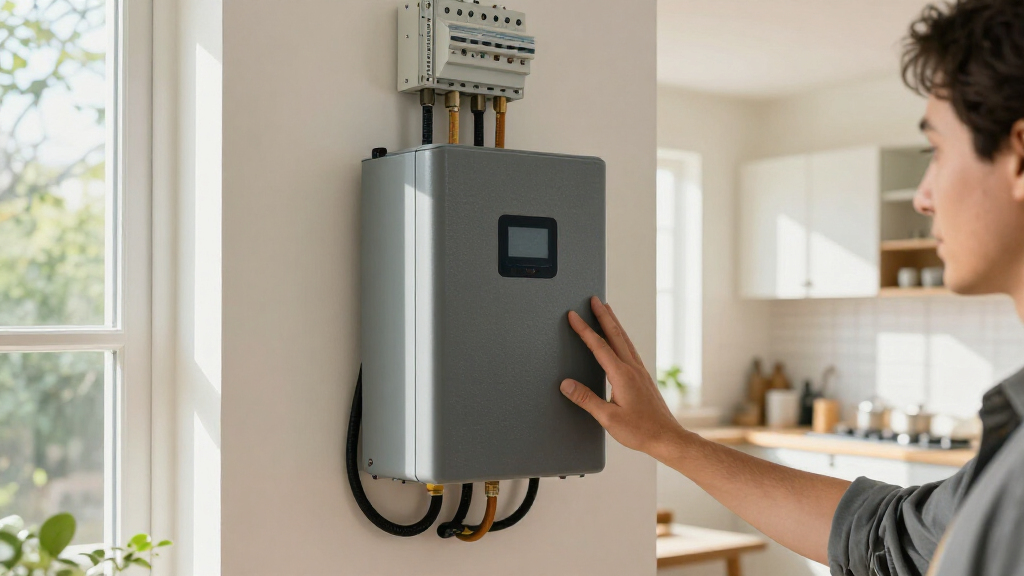
I compared these 13 entries by how directly they serve as a working energy storage solution, how clearly their capacity and system components are presented, and how much compatibility or installation work the buyer must handle. I also considered expandability, battery chemistry where specified, integration with an inverter, and whether an option is better suited to home backup, off-grid use, a DIY build, or learning about the category.
The ranking favors products that give buyers a clearer path from purchase to a usable storage setup, while accounting for flexibility and scale. Integrated systems and bundles can reduce component-matching work; standalone rack batteries can offer more choice but require a compatible inverter and careful system design. The three books are included because they address the topic, but they rank below hardware for buyers seeking an operating system. The HiXiMi box also ranks as a DIY component, not as a complete battery. Specifications and compatibility should be confirmed with the manufacturer before purchase.
Factors to Consider When Choosing Best Battery Energy Storage Systems
Before choosing a battery, I would define the job the system must do and identify the equipment needed to make it work. A storage unit’s capacity is only one part of the decision: inverter output, electrical compatibility, installation, and expansion plans all affect whether it fits.
Separate energy capacity from power output
Capacity, measured in kWh, describes stored energy; power, measured in kW, describes how much can be delivered at once. A battery with ample capacity may still be unable to start or run several high-demand appliances together if its inverter or discharge limits are too low. Make a list of essential loads, note their running and startup demands, and decide which ones must operate simultaneously. Do not assume that a large Ah figure translates directly into a complete backup solution: voltage, usable capacity, discharge limits, and inverter settings matter too. For longer outages, estimate daily energy use rather than sizing only for a brief peak. This distinction can prevent buying a large battery bank that cannot support the appliances you intended to use.
Check inverter, voltage, and communication compatibility
A battery and inverter must work as a system, even when sold separately. Confirm nominal voltage, supported charging ranges, continuous current, breaker requirements, and whether the inverter can communicate with the battery’s management system. Matching communication protocols can help coordinate charging and protection, while a system without supported communication may need manual configuration or may not be approved by the manufacturer. Ask about compatibility with the exact inverter model rather than relying on a general claim that a battery is suitable for 48V systems. Bundles can reduce this matching burden, but they may limit your choice of components. Keep written documentation of approved configurations for installation and future troubleshooting.
Size for usable energy and a realistic backup plan
Do not size a system from nominal capacity alone; usable energy depends on operating limits, reserve settings, temperature, and conversion losses. Start with the circuits you want to back up, estimate their daily consumption, and decide how many hours or days of autonomy you need. A smaller battery can be a better fit when it supports a focused critical-load panel, while whole-home backup usually calls for more storage and greater inverter capability. Leave headroom if the system may later serve new loads, but avoid paying for capacity that will sit unused. Also plan for how the battery will recharge during an extended outage, whether from solar, a generator, or grid power. A backup plan that accounts for both consumption and recharge is more useful than a capacity target chosen in isolation.
Plan installation, space, and service access
Rack batteries and multi-unit kits need room beyond their listed dimensions. Check floor loading, ventilation guidance, cable routing, clearances, temperature limits, and access for disconnects or service before settling on a location. A compact rack footprint can still require substantial wall space for an inverter, breakers, and wiring. Larger banks may require additional protection equipment and professional electrical work, so ask an installer to review the design before ordering multiple units. Keep expansion in mind: adding batteries later can be harder if the original system is not designed for parallel operation or if newer units have different specifications. Installation requirements vary by product and location, so verify local electrical and permitting rules with a qualified professional.
Choose integrated equipment or a modular build
Integrated systems trade some component freedom for a more coordinated setup, while modular batteries leave more choices to the buyer. A bundled battery and inverter can make sense for someone who wants fewer compatibility decisions and a defined equipment package. Standalone rack batteries are better suited to buyers who already have a compatible inverter or want to build around specific equipment. DIY enclosures add another layer: a box without cells is not a ready-to-use battery and requires suitable cell sourcing, assembly, protection, and technical skill. Compare the full bill of materials, including inverter, wiring, disconnects, mounting, and labor, rather than comparing battery-only listings. The lowest-complexity route is not always the cheapest, but the most flexible route can demand more expertise.
Review expansion limits, warranty, and support
Expansion claims need practical details behind them: maximum parallel units, supported battery combinations, inverter limits, and any required firmware or communication hardware. Ask whether the warranty covers the intended operating conditions and whether mixing units purchased at different times affects coverage. Confirm the warranty term, cycle or throughput limits, service process, and who handles troubleshooting before buying. A system with a long expansion range is useful only if compatible batteries and support remain available. For a fixed installation, dependable documentation and accessible technical support may matter more than a headline capacity. Save product manuals, serial information, and installation records so future service does not depend on reconstructing the setup.
Frequently Asked Questions
Can I use a 48V rack battery as a complete home backup system?
Usually not by itself. A rack battery stores DC energy, but a home backup setup also needs a compatible inverter or inverter-charger, suitable overcurrent protection, disconnects, and a safe way to connect supported circuits. The inverter’s output rating determines how much load can run at once, while the battery bank’s capacity affects how long those loads can run. Verify the battery’s communication and charging compatibility with the exact inverter model. A qualified installer can confirm whether the design meets local electrical requirements and supports the backup mode you want.
Should I buy one large battery or several smaller batteries?
Several compatible batteries can offer more flexibility, since a system may be expanded in stages or gain redundancy if one unit needs service. A single large unit can reduce wiring and connections, but may be harder to move or replace and can leave fewer options if your needs change. The right choice depends on supported parallel configurations, inverter limits, available space, and the manufacturer’s rules for mixing units. Compare the complete installed system, not only the listed capacity of each battery. Ask how expansion affects warranty coverage and whether future units must match the original model or production specifications.
Is an enclosure that ships without cells a good way to save money?
Only if you are prepared to build and validate the battery yourself. A cell-free enclosure is not a ready storage system; you must source compatible cells and confirm their dimensions, electrical characteristics, and condition. Assembly also involves battery-management settings, busbars, wiring, protection, and safe handling procedures. The apparent savings can shrink once you include cells, tools, testing, and expert help. Buyers without battery-building experience are usually better served by a complete, documented battery product with manufacturer support.
Do I need an integrated battery system, or can I mix brands?
Mixing brands can work only when the exact components are compatible and supported. Matching nominal voltage is not enough: charging limits, current ratings, communication protocols, protection behavior, and inverter configuration all matter. An integrated package can reduce setup decisions, while a modular build may let an experienced buyer select equipment for a particular installation. Before combining products, check both manufacturers’ compatibility lists and warranty terms in writing. If the combination is not documented, get an installer or technical support team to approve the design before purchase.
How much battery capacity do I need for an outage?
Start with the loads you will actually run, not the size of the house. Add up their daily energy use, decide how long you want them powered, and account for inverter losses and a reserve for unexpected demand. Then check that the inverter can handle the appliances’ combined running load and any startup surge. A critical-load plan covering items such as refrigeration, communications, and selected lighting may need far less storage than whole-home backup. Also account for how quickly solar or another charging source can refill the battery during a long outage, since a larger bank alone does not solve limited recharge capacity.
Conclusion
For most buyers seeking a coordinated, expandable home backup platform, I would start with the Anker SOLIX E10 Power Dock and Extra Battery, while confirming its fit with the home’s backup and installation plan. The best value for a substantial rack-based build is the WattCycle 51.2V 400Ah kit, provided its inverter and installation requirements suit the project; buyers wanting a paired storage-and-inverter package should compare the WattCycle dual-battery bundle. For beginners, the BESS guidebook is a useful learning resource, but it is not hardware and cannot provide backup power. For DIY builders, HiXiMi’s cell-free box offers a project foundation rather than an assembled battery; for large planned storage needs, compare the ECO-WORTHY Cubix100 and Powermega with a qualified system designer. I would choose among these by first defining the backup loads, then confirming inverter compatibility, installation needs, and room to expand.