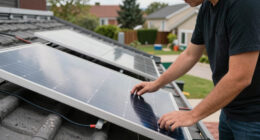
Exterior electrical boxes differ from indoor ones because they are designed with weatherproof features like gasketed covers, sealed joints, and corrosion-resistant materials to protect against water, moisture, and debris. They use durable materials such as heavy-duty plastic, aluminum, or galvanized steel to withstand harsh outdoor conditions. Proper weatherproofing and material selection guarantee longevity and safety in severe weather. If you want to discover how these features compare to indoor options, keep exploring the details.
Key Takeaways
- Exterior boxes feature gasketed covers and sealed joints to prevent water, dust, and debris ingress, unlike indoor boxes.
- They are constructed from durable, corrosion-resistant materials like galvanized steel, aluminum, or heavy-duty plastic.
- Weatherproofing techniques, such as UV-resistant coatings, are used in exterior boxes to withstand sun and weather exposure.
- Indoor boxes prioritize ease of installation and environmental shielding, with less emphasis on weatherproofing.
- Exterior boxes are designed to handle environmental stresses and physical impacts, ensuring long-term outdoor durability.

Are you wondering whether to choose exterior electrical boxes or indoor boxes for your project? The decision hinges on understanding how each type is designed to handle their environment. Exterior electrical boxes are built with specific features that protect your wiring and devices from the elements, while indoor boxes are optimized for controlled indoor conditions. Weatherproofing techniques are a critical aspect of exterior boxes—they often come with gasketed covers, sealed joints, and corrosion-resistant coatings to prevent water ingress and damage. These features guarantee that moisture, dust, and debris won’t compromise your electrical connections, which is essential when your project faces rain, snow, or humidity. In contrast, indoor boxes don’t require such extensive weatherproofing because they’re typically installed in environments with stable temperature and humidity levels. Using an outdoor box indoors or vice versa can lead to issues like corrosion, short circuits, and premature failure of your electrical system. Proper installation practices are vital to ensure continued safety and performance in outdoor settings. Additionally, selecting the right material durability for your specific environment further enhances the longevity and reliability of your electrical setup. material durability also sets exterior boxes apart from indoor options. Exterior boxes are made from sturdier, more resilient materials such as heavy-duty plastic, aluminum, or galvanized steel. These materials resist rust, corrosion, and physical impacts better than typical indoor boxes, which may be made from lighter plastic or non-coated metal. The durability of exterior boxes ensures they stand up to harsh weather conditions and physical wear over time, providing long-lasting protection for your wiring connections. Furthermore, environmental factors like UV exposure and temperature fluctuations significantly influence the material choice, emphasizing the importance of selecting appropriately rated materials for outdoor use. Outdoor boxes often incorporate UV-resistant coatings to withstand prolonged sun exposure, which is less relevant for indoor boxes. Indoor boxes are designed with less emphasis on extreme durability because they’re generally shielded from environmental stress. Proper material selection based on the environment is crucial for ensuring your electrical system’s longevity. Choosing the right box means matching its material properties to your environment—using a durable, weather-resistant box outdoors and a lightweight, easy-to-install box indoors. The differences in weatherproofing techniques and material durability reflect the core purpose of each box type. Exterior electrical boxes are engineered to withstand the unpredictable and often severe conditions outside, making them essential for outdoor lighting, outlets, or equipment that needs protection from the elements. Indoor boxes, meanwhile, focus on simplicity and ease of installation inside walls, with less concern for environmental exposure. If you’re installing a box outside, you must prioritize weatherproofing techniques to prevent water damage and ensure safety. Conversely, indoor boxes can forgo some of these features, but still need to meet electrical code standards for safety and functionality. Understanding these distinctions helps you select the right type, ensuring your electrical system remains safe, durable, and reliable in whatever environment you’re working in.

Hrensaw Medium Outdoor Electrical Box(10.6×5.5×4.5inch),Weatherproof Connection Box w/6 Cable Entry,IP54 Waterproof Extension Cord Cover Protect Power Strip,Timer,Plug,Holiday Lights,Black
SIZE:Fits row plugs length<10". External size: 10.6” x 5.5” x 4.5”. Inner size: 9.8” x 4.7” x 3.4”,…
As an affiliate, we earn on qualifying purchases.
As an affiliate, we earn on qualifying purchases.
Frequently Asked Questions
Are Exterior Electrical Boxes More Durable Than Indoor Ones?
Yes, exterior electrical boxes are more durable than indoor ones. They use tougher materials like weather-resistant plastic or metal, which withstand elements like rain, snow, and UV rays. Durability factors include corrosion resistance and impact strength, ensuring they protect wiring better outdoors. You’ll find that exterior boxes are built to endure harsher conditions, making them a reliable choice for outdoor electrical setups compared to indoor boxes, which prioritize aesthetics and ease of access.
How Do Weather Conditions Affect Exterior Electrical Box Materials?
Weather conditions greatly impact exterior electrical box materials. You need to guarantee they have corrosion resistance to withstand moisture, salt, and humidity, preventing rust and deterioration. A weatherproof design is essential, as it keeps water, dirt, and debris out, maintaining safety and functionality. Harsh weather like rain, snow, and extreme temperatures tests these features, so choosing boxes with durable, weather-resistant materials ensures longevity and reliable performance outdoors.
Can Exterior Boxes Be Used Indoors Safely?
You can use exterior boxes indoors, but it’s not always recommended. Notably, over 60% of electrical issues stem from improper box use, so safety matters. Exterior boxes offer better corrosion resistance and meet insulation requirements for outdoor conditions, making them more durable. However, indoor environments may not need such protection, and using exterior boxes indoors could lead to unnecessary complications. Always check local codes and consult an electrician before repurposing.
What Maintenance Is Required for Outdoor Electrical Boxes?
You need to regularly inspect your outdoor electrical box for waterproof seals and corrosion resistance. Clean off dirt or debris that could compromise waterproofing, and check seals to guarantee they’re intact. Apply corrosion-resistant coatings if needed, especially in harsh weather conditions. Tighten any loose screws or fittings to prevent water entry. Proper maintenance keeps your outdoor electrical box safe, functional, and protected from the elements, extending its lifespan effectively.
Are There Specific Codes for Outdoor Electrical Box Installation?
Did you know that nearly 80% of electrical fires are caused by improper wiring or installation? You need to follow specific codes for outdoor electrical box installation to guarantee electrical safety. These standards, outlined in the National Electrical Code (NEC), mandate weatherproof enclosures, proper grounding, and secure mounting. Adhering to installation standards helps prevent hazards and ensures your outdoor wiring system remains safe and reliable over time.

LeMotech Junction Box, Electrical Box IP65 Water Resistant Dustproof ABS Plastic Project Enclosure for Electronics White, External Size 3.9 x 3.9 x 2.8 inch
[ High Quality ] Our outdoor electrical box offers exceptional water resistance, ensuring reliable performance. For optimal results,…
As an affiliate, we earn on qualifying purchases.
As an affiliate, we earn on qualifying purchases.
Conclusion
In summary, understanding the differences between exterior and indoor electrical boxes helps you make the right choice for safety and durability. Exterior boxes are built tough to withstand the elements, while indoor boxes prioritize accessibility and aesthetics. Remember, you don’t want to put all your eggs in one basket—using the appropriate box for each environment ensures your electrical system stays reliable and safe. When in doubt, it’s best to consult a professional.
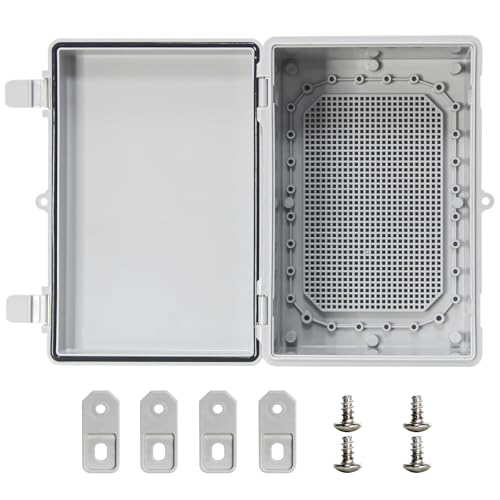
Waterproof Outdoor Junction Box Heavy Duty ABS Waterproof Box IP66, UV Resistant Electrical Enclosure for Marine, Garage & Solar Panel Installations Gray Cover 11.4"x7.4"x5.5"
【Easy Installation】Electrical box includes mounting plates for quick installation of single boards or devices inside the enclosure. Features…
As an affiliate, we earn on qualifying purchases.
As an affiliate, we earn on qualifying purchases.
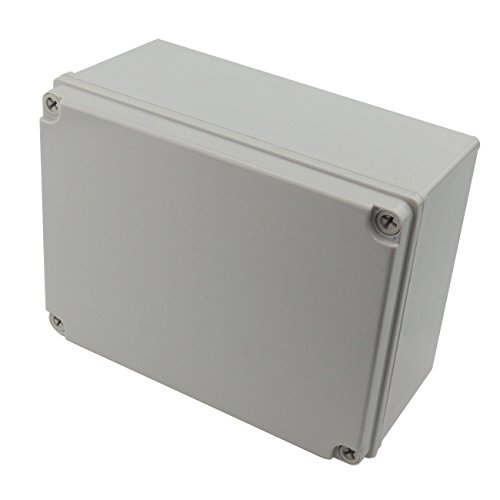
Ogrmar Plastic Dustproof IP65 Junction Box DIY Case Enclosure (8"x 6"x 4")
Ingress Protection Rating: IP65;
As an affiliate, we earn on qualifying purchases.
As an affiliate, we earn on qualifying purchases.