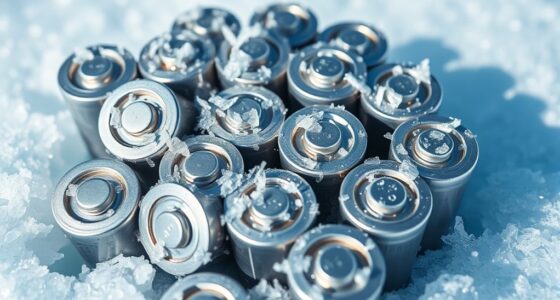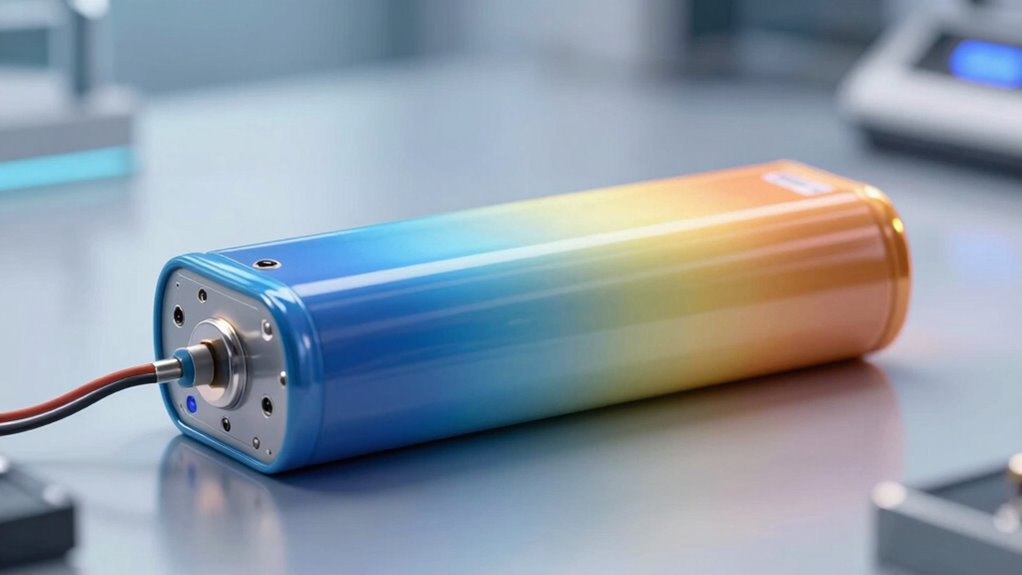

Your battery’s temperature secretly dictates its performance, lifespan, and safety. Too hot, and it speeds up chemical reactions, causing faster wear and capacity loss; too cold, and it slows down reactions, reducing power temporarily. Extreme temperatures can even lead to safety risks like thermal runaway. Proper thermal management keeps your battery working efficiently and lasts longer. Stay with us to uncover how controlling temperature can protect your device and improve its overall health.

Get backup power and energy gear delivered free — and shop member deals
- Fast, free delivery on millions of items
- Access to Prime Big Deal Days deals on October 6–7
- Prime Video, Amazon Music and more included
Key Takeaways
- Battery temperature directly affects chemical reactions, influencing both performance efficiency and capacity retention.
- Proper thermal management prevents overheating, which accelerates battery aging and reduces lifespan.
- Cold temperatures impair chemical activity, decreasing power output and delaying performance.
- Neglecting temperature control can lead to safety risks like thermal runaway and device failure.
- Maintaining optimal thermal conditions extends battery longevity and ensures consistent, reliable operation.
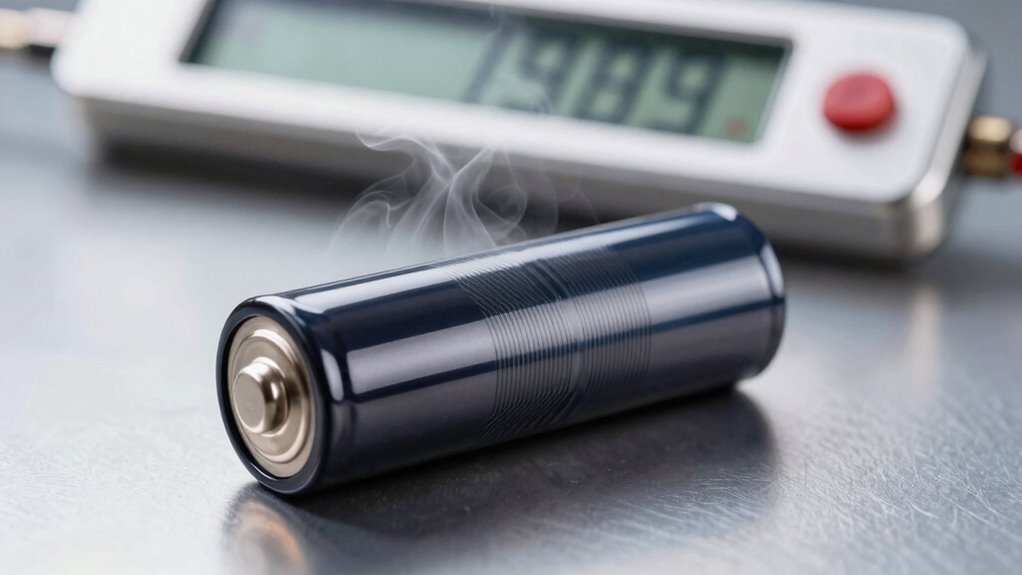
Battery temperature plays an essential role in determining its overall performance and longevity. When temperatures are too high or too low, it can accelerate battery aging, leading to a reduced lifespan and decreased efficiency. High temperatures, in particular, speed up chemical reactions inside the battery, causing faster wear and tear of the internal components. This process, known as thermal degradation, diminishes the battery’s capacity over time and can even cause safety issues. Conversely, low temperatures slow down these chemical reactions, impairing the battery’s ability to deliver power and reducing its overall performance temporarily. That’s why maintaining an ideal temperature range is key for guaranteeing your battery performs reliably and lasts longer.
Effective thermal management becomes your best defense against the adverse effects of temperature fluctuations. Proper thermal management involves controlling the heat generated during charging and discharging cycles, as well as preventing external environmental factors from causing extreme temperature shifts. Many modern batteries, especially in electric vehicles and portable devices, are equipped with cooling or heating systems that regulate temperature efficiently. These systems help keep the battery within the perfect range, minimizing the risk of excessive aging and performance loss. Additionally, using smart controls can optimize thermal regulation, further extending battery life. An understanding of thermal management principles can help users better maintain their batteries and avoid costly replacements. Regular monitoring of battery temperature can provide early warning signs of potential issues before they lead to significant damage. Maintaining optimal thermal conditions is also crucial for preventing unexpected failures and ensuring safety during operation.
You should be aware that neglecting thermal management can have serious consequences. For instance, exposure to excessive heat can cause rapid battery aging, which leads to a noticeable drop in capacity and runtime over time. On the other hand, operating in cold environments without proper heating can cause sluggish performance and increase the stress on internal components. To maximize your battery’s lifespan, always follow manufacturer recommendations regarding operating temperatures and consider investing in thermal management solutions if your device or vehicle doesn’t have them built-in. Proper thermal regulation is also essential for preventing safety hazards such as thermal runaway. Maintaining an appropriate temperature range isn’t just about immediate performance; it’s about safeguarding your investment by slowing down battery aging and prolonging the overall life of your power source.
Ultimately, understanding the importance of battery temperature and prioritizing thermal management can make a significant difference. Whether you’re charging a smartphone, driving an electric car, or using a portable power pack, keeping the battery within its ideal temperature range ensures you get the best performance now and preserve its capacity for years to come.
battery thermal management system
As an affiliate, we earn on qualifying purchases.
As an affiliate, we earn on qualifying purchases.
Frequently Asked Questions
How Does Ambient Temperature Affect Battery Temperature During Operation?
Ambient temperature directly influences your battery’s temperature during operation. If it’s hot outside, your thermal management and cooling systems work harder to keep the battery within safe limits. Conversely, in cooler environments, less cooling is needed, reducing strain on these systems. Maintaining ideal battery temperature helps improve performance and lifespan. So, controlling ambient temperature and supporting effective cooling systems are essential for maximum battery operation and longevity.
What Are the Signs of a Battery Overheating or Undercooling?
If your battery feels excessively hot to touch or emits a burning smell, it’s overheating, signaling poor thermal management or inadequate insulation. Conversely, if it’s cold and sluggish, it’s undercooling, risking diminished performance. For example, a Tesla Model S in winter showed reduced range due to undercooling. Regularly monitor temperature signs, and guarantee proper battery insulation and thermal management to prevent damage and optimize performance.
Can Temperature Fluctuations Damage Battery Lifespan?
Temperature fluctuations can indeed damage your battery’s lifespan. When your battery experiences extreme or inconsistent temperatures, it stresses the internal components. Proper thermal regulation and battery insulation help maintain stable temperatures, preventing damage caused by overheating or undercooling. By protecting your battery from temperature swings, you extend its life and guarantee ideal performance. So, managing temperature fluctuations is vital for preserving your battery’s health over time.
How Do Different Battery Chemistries Respond to Temperature Changes?
Different battery chemistries respond uniquely to temperature swings. You’ll find that lithium-ion batteries maintain electrolyte stability and voltage stability better at moderate temperatures, but heat can cause electrolyte breakdown, reducing lifespan. Conversely, lead-acid batteries are more tolerant but suffer from electrolyte evaporation in heat. Nickel-based batteries, while resilient, also face challenges with electrolyte stability at extreme temperatures. So, understanding these responses helps you optimize performance and longevity.
What Are the Best Practices for Maintaining Optimal Battery Temperature?
To maintain ideal battery temperature, you should use proper battery insulation to prevent heat loss or gain, especially in extreme weather. Incorporate effective cooling systems, like liquid cooling or fans, to regulate temperature during high usage. Regularly monitor battery temperature levels with sensors, and adjust cooling or insulation as needed. These practices guarantee your battery operates efficiently, prolongs lifespan, and avoids performance issues caused by temperature fluctuations.
As an affiliate, we earn on qualifying purchases.
Conclusion
Understanding how battery temperature impacts performance is vital—you can’t afford to overlook this detail. When you keep your battery within the ideal temperature range, you guarantee it runs smoothly and lasts longer. Ignoring temperature fluctuations is like putting all your eggs in one basket; it risks your device’s efficiency and lifespan. So, stay vigilant and give your battery the warm (or cool) reception it needs. After all, a stitch in time saves nine!
smart battery temperature monitor
As an affiliate, we earn on qualifying purchases.
As an affiliate, we earn on qualifying purchases.
electric vehicle battery thermal control
As an affiliate, we earn on qualifying purchases.
As an affiliate, we earn on qualifying purchases.
Halloween Picks
halloween
As an affiliate, we earn on qualifying purchases.