Weatherproofing your home EV charging equipment is essential to protect it from moisture, rain, snow, and other environmental elements that can cause damage or safety hazards. Proper sealing and outdoor-rated components prevent water intrusion, corrosion, and electrical failures, extending the lifespan and ensuring reliable charging. By safeguarding your setup, you reduce risks of electrical issues and costly repairs. To discover better ways to keep your charger safe and durable, look into the critical steps for weatherproofing.
Key Takeaways
- Protects equipment from moisture, rain, and snow, preventing damage and ensuring reliable operation.
- Prevents water ingress that can cause short circuits, corrosion, and safety hazards.
- Extends the lifespan of the charging station and solar components through durable, weather-resistant materials.
- Ensures compliance with safety standards and reduces the risk of electrical failures or fires.
- Maintains safe and efficient charging performance regardless of weather conditions.
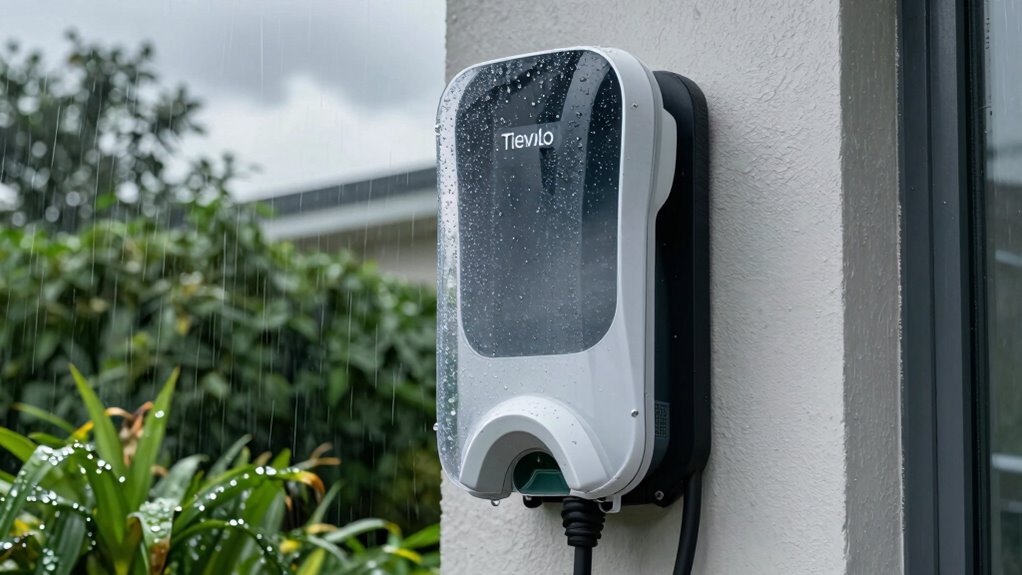
Are you prepared to protect your home EV charging station from the elements? Weatherproofing isn’t just about keeping rain or snow off your equipment; it’s about guaranteeing everything functions safely and efficiently over time. Your charging station is an investment that should be resilient against the weather, especially if you’ve integrated solar power into your setup. Solar integration can enhance your energy independence, but if your equipment isn’t properly protected, it could lead to costly damage or safety hazards. Water intrusion can short-circuit sensitive components, damage the solar inverter, or degrade the wiring, ultimately compromising electrical safety in your home.
Protect your home EV charger from weather to ensure safety, durability, and efficient performance—especially with solar integration.
The first step is understanding that weatherproofing isn’t just about sealing out moisture. It’s also about protecting your electrical connections from corrosion and confirming that all components are rated for outdoor use. Many EV chargers and their accessories come with weather-resistant enclosures, but these can still be vulnerable if not installed correctly. Proper sealing around cables and connectors is essential, especially where wires enter the unit or connect to your home’s electrical system. Using high-quality, outdoor-rated connectors and weatherproof junction boxes helps prevent water ingress that could cause shorts or sparks, creating safety hazards.
In addition to physical protection, you should also consider the importance of electrical safety when weatherproofing. Moisture and electricity don’t mix, so maintaining a safe environment requires attention to grounding and insulation. Ensuring your charger is properly grounded reduces the risk of electrical shock, particularly during storms or high humidity conditions. Regular inspections are indispensable to identify any wear or damage to insulation or seals. If your home’s EV charging station is integrated with solar, you must also safeguard the solar wiring and inverter from the elements. Properly rated outdoor solar wiring and protective covers prevent corrosion and safeguard your solar investment. Additionally, understanding weatherproofing standards**** can help you ensure your setup meets safety and durability requirements.
Another key aspect is confirming your setup complies with local electrical codes and standards, which often specify weatherproofing requirements. A professional installation can help you meet these standards, minimizing risks and maximizing safety. Investing in weatherproofing accessories, like covers or enclosures, is a smart move, especially if your charging station is exposed to the elements year-round. These measures not only extend the lifespan of your equipment but also protect your family by reducing the chances of electrical failures or fires caused by moisture intrusion. Being aware of installation best practices can further enhance your setup’s resilience and safety.
Ultimately, weatherproofing your home EV charging station is essential for safety, longevity, and top performance. When you adequately protect your setup from weather, you safeguard your investment and ensure that your charging remains reliable no matter the forecast. Proper integration of solar power and attention to electrical safety can give you peace of mind, knowing your home’s charging system is resilient, safe, and ready for all seasons. Recognizing the importance of outdoor-rated components can significantly improve your system’s durability against harsh weather conditions.

EV Charger Lock Box Outdoor, Wall-Mount Enclosure for Tesla Model Y/3/S/X & Most EV Chargers ≤17”×10”×7” – Weatherproof Anti-Theft with Multiple Cable Entry
- Compatibility & Size: Fits chargers up to 17”×10”×7”
- Wall-Mount Installation: Secure mounting with included hardware
- Flexible Cable Entry: Multiple knockout ports for cables
As an affiliate, we earn on qualifying purchases.
As an affiliate, we earn on qualifying purchases.
Frequently Asked Questions
What Materials Are Best for Weatherproofing EV Chargers?
You should choose weatherproofing materials like durable rubber or silicone seals, which resist moisture and temperature changes. These materials offer excellent material durability, preventing water ingress and damage to your EV charger. Regular seal maintenance is essential to guarantee ongoing protection. Additionally, weatherproof enclosures made from corrosion-resistant plastics or metals can further shield your charger from harsh elements, keeping it safe and functional in all weather conditions.
How Often Should Weatherproofing Seals Be Inspected or Replaced?
You should inspect weatherproofing seals at least once a year to guarantee seal integrity. Regular inspections help you spot signs of wear, cracks, or damage that could allow moisture intrusion. If you notice any deterioration or compromised seals, replace them promptly to prevent moisture intrusion, which can damage your EV charger. Maintaining proper seal integrity is essential to keep your charging equipment safe and functional in all weather conditions.
Can Weatherproofing Prevent All Types of Water Damage?
Weatherproofing considerably reduces water damage risks but can’t prevent all types. It enhances water resistance and corrosion prevention, protecting your EV charger from moisture that could cause short circuits or rust. However, extreme weather events or persistent leaks might still cause damage. Regular inspections and proper maintenance are crucial, as weatherproofing is an essential layer of defense, but not a foolproof solution against all water-related issues.
Are There Specific Weatherproofing Standards for Outdoor EV Chargers?
Imagine your outdoor EV charger as a brave knight battling rain and snow—those standards keep it shielded. Yes, there are specific weatherproofing standards for outdoor EV chargers, guiding proper placement and protection. You should consider strategic Charging station placement to avoid water exposure and follow seasonal maintenance tips to guarantee durability. Adhering to these standards assures your charger stays functional, no matter the weather’s mood swings.
How Does Temperature Fluctuation Affect Weatherproofing Effectiveness?
Temperature fluctuations can compromise your EV charger’s weatherproofing by disrupting temperature stability and reducing insulation efficiency. When temperatures vary widely, seals and materials may expand or contract, creating gaps or cracks that allow moisture and debris inside. This can lead to corrosion, electrical faults, or damage. To maintain effective weatherproofing, guarantee your charger’s insulation remains robust across temperature changes, and regularly inspect seals and protective enclosures for wear or damage.

YETLEBOX Outdoor Waterproof Electrical Box Junction Box Weatherproof IP67 ABS Plastic Enclosure Switch Router Project Box Electronics DIY Enclosure With Mounting Plate Wall Bracket Grey 8.6"x6.6"x4.3"
- Easy Mounting and Hanging: Includes mounting plate and wall brackets
- IP67 Waterproof Grade: Dust-tight and water-resistant for outdoor use
- DIY Friendly Design: Hinged cover with stainless steel latches
As an affiliate, we earn on qualifying purchases.
As an affiliate, we earn on qualifying purchases.
Conclusion
Think of weatherproofing your home EV charger as planting a sturdy seed in your future. It shields your investment from life’s storms, ensuring your electric journey remains uninterrupted. When you safeguard your charger, you’re not just protecting equipment—you’re nurturing a symbol of progress and resilience. With each rain or snow, your commitment to durability and sustainability blossoms, reminding you that preparing today paves the way for a brighter, more dependable tomorrow.
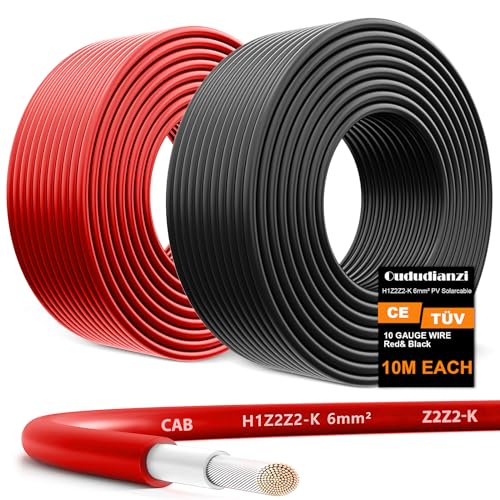
Oududianzi 2X 32FT Solar Panel Wire, 10AWG Solar Wire Tinned Copper PV Wire
- Upgraded 10AWG Tinned Copper Wire: Thicker diameter with 84 strands for low resistance
- High Conductivity and Corrosion Resistance: Pure copper with tin plating for durability in harsh environments
- Weather and UV Resistant Insulation: Double-layer XLPE/XLPO flame-retardant insulation withstands extreme temperatures
As an affiliate, we earn on qualifying purchases.
As an affiliate, we earn on qualifying purchases.

YONZEE Wall-Mounted EV Charger Protection Box – Weatherproof Charging Station Cover Case for Electric Vehicle Home Chargers, Compatible with Tesla, Standard Most EV Chargers
- Weatherproof Protection: Blocks rain, snow, frost, and dust
- Universal Compatibility: Fits Tesla and most EV chargers
- Durable Construction: Impact-resistant and temperature-resistant
As an affiliate, we earn on qualifying purchases.
As an affiliate, we earn on qualifying purchases.