Backfeeding your house can be extremely dangerous because it risks electric shocks, fires, and injuries. It can also harm utility workers, especially if the power flows back into the grid unexpectedly. Legally, most places prohibit unauthorized connections, which could lead to fines or legal trouble. Properly connecting a generator is complex and requires professional help. If you want to stay safe and legal, understanding the right options can prevent disasters—keep going to find out more.

Get backup power and energy gear delivered free — and shop member deals
- Fast, free delivery on millions of items
- Access to Prime Big Deal Days deals on October 6–7
- Prime Video, Amazon Music and more included
Key Takeaways
- Backfeeding can energize home circuits while the main breaker is off, risking electric shocks and injury to individuals working on the system.
- It creates dangerous power surges and fire hazards due to overloads, faulty wiring, or sparks.
- Unauthorized backfeeding violates electrical codes, risking legal penalties, fines, and voided insurance coverage.
- It endangers utility workers by confusing power sources and increasing the risk of electrocution during repairs.
- Improper backfeeding can cause permanent damage to appliances, wiring, and pose significant fire and safety hazards.
As an affiliate, we earn on qualifying purchases.
The Risks of Electric Shock and Injury

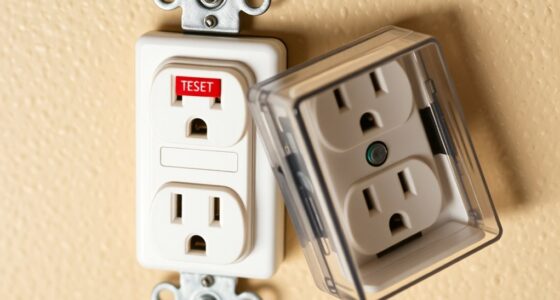
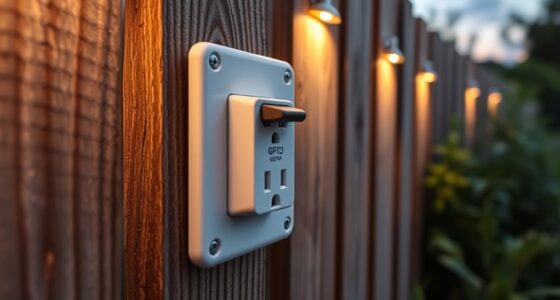
Backfeeding a house can expose you to serious risks of electric shock and injury. When you connect your generator improperly, you risk creating a ground fault, which occurs when electricity takes an unintended path to the ground. This can cause shocks to anyone touching appliances or outlets connected to the system. Additionally, backfeeding can lead to circuit overloads, overwhelming wiring not designed for the extra current. An overloaded circuit can cause wires to heat up dangerously, increasing the risk of electrical fires or shocks. Without proper safeguards, you may unknowingly energize parts of your home’s electrical system while the main breaker is off, putting you and others in harm’s way. Always prioritize safe, code-compliant methods to avoid these dangerous hazards. Electrical safety is essential when considering any modifications to your home’s wiring system. Furthermore, improper backfeeding can sometimes violate electrical codes, leading to legal consequences. Implementing proper installation procedures can significantly reduce these risks and ensure compliance with safety standards. Recognizing how electrical hazards can occur helps prevent accidents and promotes safe electrical practices.
electrical safety circuit breaker
As an affiliate, we earn on qualifying purchases.
As an affiliate, we earn on qualifying purchases.
How Backfeeding Can Cause Fires

Improper backfeeding can create a dangerous situation where electrical sparks or overheating wires ignite fires. When you bypass proper connection methods, you risk overloads that can start fires inside walls or electrical panels. Following fire prevention and safety protocols is essential to avoid this hazard. Additionally, understanding the importance of attention in creative practice can help emphasize the need for careful and focused electrical work to prevent accidents. Ensuring proper auditory processing during electrical inspections can aid in identifying potential hazards before they lead to disasters.
As an affiliate, we earn on qualifying purchases.
The Dangers to Utility Workers

When utility workers work on power lines, they face serious risks if a house is backfed incorrectly. You could be shocked by unexpected electrical currents or sudden surges that can cause injury. This increases the chance of accidents, making their job even more dangerous. Properly security systems can help prevent such dangerous backfeeding situations by providing alerts and monitoring. Additionally, implementing smart home technology can help detect improper wiring or power flow issues before workers arrive, further enhancing safety measures. Understanding field recording techniques and how they relate to electrical systems can aid in diagnosing potential backfeeding issues early. Familiarity with electrical system diagnostics can also improve the ability to identify and correct wiring problems proactively, especially during a cybersecurity incident that may disrupt standard safety protocols.
Risk of Electric Shock
Utility workers face a serious risk of electric shock when they encounter backfed power sources, which can energize lines they expect to be de-energized. If a line has a ground fault or is improperly isolated, the backfeed can create a shock hazard, even if the main power is turned off. This means you might assume a line is safe, only to be jolted by unexpected voltage. Backfed power can bypass safety measures designed to protect workers, increasing the chance of severe injury or electrocution. It’s essential to recognize that energized lines may appear de-energized but still carry dangerous electrical energy due to backfeeding. Always test lines thoroughly before working, and understand that backfed power considerably heightens the risk of electric shock to utility personnel.
Unpredictable Power Surges
Backfeeding a house can cause sudden, unpredictable power surges that pose serious risks to utility workers. These unexpected power surges can turn a routine maintenance task into a dangerous electrical hazard. When a backfed circuit energizes the utility lines, it creates unstable electrical conditions that are difficult to predict. Utility workers might assume the lines are de-energized, but a power surge can energize them unexpectedly. This increases the risk of electrocution or severe injury. Be aware that:
- Power surges can occur without warning
- Surges can be strong enough to damage equipment
- They can energize lines unexpectedly
- Utility workers may not see the surge coming
- Electrical hazards increase dramatically during backfeeding situations
Understanding the electrical grid and how backfeeding interacts with it is crucial for safety. Always prioritize safety and avoid backfeeding to prevent these dangerous electrical hazards. Risk assessment is essential to understanding and mitigating these dangers before attempting any electrical work. Additionally, understanding electrical safety protocols can help prevent accidents during such situations. Recognizing the potential for unexpected power surges can further enhance safety measures and preparedness. Properly functioning protective devices and regular maintenance can also reduce the likelihood of dangerous surges during electrical work.
Increased Accident Potential
Because backfeeding creates unpredictable electrical conditions, utility workers face a considerably higher risk of accidents. When lines are energized unexpectedly, they encounter serious electrical hazards that can lead to electrocution or severe injuries. Fire hazards also increase as faulty wiring or unintended current flow can ignite flammable materials. These dangers are compounded because utility workers may not be aware that a circuit is live, making routine repairs or inspections extremely risky. The inconsistency in power flow can cause equipment failures or sparks that ignite fires. Because of these hazards, utility workers must always exercise extreme caution around backfed systems. Attempting repairs without proper de-energization or awareness can result in life-threatening accidents, highlighting just how dangerous backfeeding is for those working on the power grid. Proper safety procedures and protective gear are essential to prevent accidents. Recognizing the importance of awareness in electrical systems helps reduce the likelihood of unintended energization and enhances safety protocols. Additionally, training on electrical safety can significantly improve a worker’s ability to identify and mitigate these risks effectively, reducing the chances of accidents. Furthermore, understanding GMC tuning can help inform safer practices when working with vehicle electrical systems, reducing the risk of accidental backfeeding into home wiring.
As an affiliate, we earn on qualifying purchases.
Legal Consequences of Unauthorized Backfeeding

Unauthorized backfeeding can lead to serious legal penalties, including fines and potential criminal charges. You might also face enforcement actions from regulatory agencies that oversee electrical safety standards. Additionally, your insurance coverage could be denied if damages occur due to illegal backfeeding, leaving you responsible for all costs.
Legal Penalties Enforcement Actions
When authorities discover that someone has illegally backfed their house, they often impose strict legal penalties to enforce compliance and deter future violations. These penalties can include significant contractual penalties and legal enforcement actions. If caught, you may face fines, criminal charges, or even arrest. Enforcement agencies actively pursue violations to protect public safety and the integrity of the electrical system. Additionally, violations of house backfeeding laws can negatively impact your dog names, as legal issues may distract from responsible pet ownership.
Key consequences include:
- Fines and monetary penalties
- Criminal prosecution
- Loss of electrical service privileges
- Mandatory court appearances
- Increased insurance premiums
These enforcement actions serve as serious warnings that unauthorized backfeeding isn’t just dangerous but also illegal. Ignoring these penalties can lead to long-term legal issues and financial burdens.
Insurance Coverage Denial
Insurance companies view backfeeding a house without proper authorization as a significant risk, and they often deny coverage if such illegal activity is discovered. If you submit an insurance claim related to damages caused by backfeeding, the insurer may investigate and find evidence of unauthorized electrical work. This can lead to a coverage denial, leaving you responsible for repair costs out of pocket. Insurance policies typically exclude coverage for damages resulting from illegal or unapproved modifications to your electrical system. Attempting to claim damages from an unpermitted backfeed not only jeopardizes your claim but also risks legal consequences. To avoid these issues, it’s essential to follow proper procedures and obtain the necessary permits before making any electrical modifications. Unauthorized activity can also pose safety hazards, increasing the risk of fire or electrocution. Additionally, engaging in unpermitted electrical work can result in fines or other legal penalties from local authorities. Proper permitting procedures are crucial to ensure safety, legality, and insurance coverage.
Regulatory Compliance Risks
Engaging in backfeeding without proper authorization can lead to serious legal consequences. Utility regulations require strict adherence to legal compliance standards, and unauthorized backfeeding often violates these rules. If caught, you risk fines, penalties, or even criminal charges. The consequences extend beyond legal trouble—your utility provider may disconnect service or refuse future connections. To avoid these risks, always follow proper procedures and obtain necessary approvals. Remember, neglecting utility regulations not only jeopardizes safety but also exposes you to costly legal issues. Be proactive in understanding and complying with local laws to prevent potential violations that could impact your household or property. Staying within legal boundaries ensures safety, peace of mind, and compliance with utility requirements.
The Complexity of Properly Connecting a Generator

Connecting a generator to your house isn’t as simple as plugging it in and flipping a switch. Proper generator setup requires careful planning, understanding your electrical system, and following safety protocols. You need to select the right transfer switch and ensure it’s correctly wired to prevent backfeeding. Wiring safety is essential; poor connections can lead to electrical shocks, fires, or damage to appliances. You must also consider load capacity, proper grounding, and ventilation to prevent carbon monoxide buildup. Skipping these steps or rushing the process increases risks greatly. If you’re not trained in electrical work, attempting this yourself can be dangerous. It’s best to consult a licensed electrician who understands the complexity involved in safely connecting a generator to your home.
The Potential for Damage to Electrical Systems

Backfeeding your house can cause serious damage to your electrical system. You might unknowingly spark electrical fires or overload circuits, putting your home at risk. Additionally, your appliances could suffer permanent damage from improper power flow.
Risk of Electrical Fires
When you backfeed a house, you increase the risk of electrical fires because your wiring and electrical components aren’t designed to handle this type of load or configuration. This can lead to overheating, sparks, and fires. Poor generator safety practices and ignoring electrical codes exacerbate these dangers. You might unknowingly overload circuits or create unintended power paths that cause wires to heat up dangerously. To reduce fire risks, ensure your setup follows electrical codes, use proper transfer switches, and never bypass safety measures. The potential for damage to electrical systems heightens with improper backfeeding, increasing fire hazards. Be aware that:
- Overloaded circuits can overheat
- Faulty wiring increases fire risk
- Unapproved connections cause sparks
- Poor grounding leads to shorts
- Ignoring electrical codes voids safety measures
Damage to Appliances
Using improper methods to power your home can cause serious damage to your appliances and electrical systems. When you backfeed electricity, you risk creating power surges that your appliances aren’t designed to handle. These unexpected surges can lead to appliance damage, shortening their lifespan or causing them to fail completely. Without proper surge protection, your devices become vulnerable to sudden voltage spikes, which can fry sensitive electronics or motors. Additionally, improper wiring or connections during backfeeding can overload circuits, resulting in costly repairs. To avoid these risks, always use certified equipment and ensure your system has adequate surge protection. Properly managing your electrical setup helps safeguard your appliances, saving you money and preventing the inconvenience of unexpected breakdowns.
How Backfeeding Interferes With Utility Operations

Because backfeeding creates a direct connection between a home’s generator and the utility lines, it can confuse utility workers and disrupt their operations. When workers cannot tell whether power is coming from the grid or a home, it increases the risk of accidents and delays. This can lead to:
- Utility grid disruption, affecting multiple customers
- Difficulty in locating the source of power issues
- Increased danger during maintenance or repairs
- Safety protocol violations, risking worker injuries
- Delays in restoring power after outages
These issues compromise the safety of utility crews and hinder their ability to perform essential tasks efficiently. Backfeeding blurs the lines of normal operation, making it harder for crews to safely manage the grid and increasing the risk of dangerous misunderstandings.
Proper Alternatives for Emergency Power

To guarantee you have reliable emergency power without risking safety or violating laws, it’s best to use properly installed and maintained backup systems. A generator that meets electrical codes ensures safe operation and reduces fire or electrocution risks. Always prioritize generator safety by following manufacturer instructions and scheduling regular maintenance. Consider installing a transfer switch, which safely isolates your home’s wiring from the grid during outages. This setup prevents backfeeding and complies with electrical codes.
| Option | Key Benefit |
|---|---|
| Standby Generator | Automatic, reliable backup power |
| Portable Generator | Flexible but requires careful operation |
| Solar Power Systems | Eco-friendly, silent, and renewable |
Safety Measures to Prevent Accidental Backfeeding

Preventing accidental backfeeding starts with installing proper safety devices and following best practices. To ensure generator safety and comply with electrical code, you should use transfer switches designed for your system. These devices prevent power from flowing back into the grid, avoiding dangerous backfeed scenarios. Additionally, always adhere to local electrical code requirements, which specify safe wiring methods. Consider these safety measures:
Install transfer switches and follow electrical codes to prevent dangerous backfeeding and ensure generator safety.
- Install a transfer switch rated for generator use
- Use outdoor-rated extension cords
- Label all switches clearly
- Regularly inspect and maintain your generator setup
- Never bypass safety devices or circuit breakers
The Importance of Professional Electrical Work

Hiring a licensed electrician is essential when working on your home’s electrical system, especially for tasks like backfeeding prevention and generator hookup. DIY installations might seem tempting, but they pose serious risks to homeowner safety if not done correctly. Professional electricians have the training and experience to handle complex wiring and code requirements, reducing the chance of accidents or fire hazards. Attempting to do it yourself can lead to dangerous mistakes, electrical shocks, or damage to your system. Plus, improper work can make your home illegal to insure or sell. By hiring a licensed professional, you ensure the job is done safely, efficiently, and up to code. Protect your home and loved ones by trusting the experts with critical electrical tasks.
Frequently Asked Questions
Can Backfeeding Damage My Home’s Electrical Appliances?
Backfeeding your house can damage your electrical appliances because it may cause power surges or inconsistent electricity flow. This practice bypasses proper generator safety protocols, risking appliance damage or failure. If you don’t use a transfer switch or proper wiring, you could overload circuits or harm sensitive devices. Always prioritize safe methods and professional installation to safeguard your appliances and ensure your generator operates safely and effectively.
What Permits Are Needed for Legal Generator Connections?
You need to obtain electrical permits before making legal generator connections. These permits guarantee safe generator safety and compliance with local codes. Skipping permits can lead to dangerous wiring mistakes and legal issues. Contact your local building department or electrical inspector to understand the specific requirements in your area. Securing the proper permits not only protects your home but also keeps you safe during power outages and ensures your generator setup is legal.
How Does Backfeeding Impact My Homeowner’s Insurance?
Backfeeding your house can negatively impact your homeowner’s insurance coverage. If an incident occurs due to unsafe backfeeding, your insurer might deny your claim, citing improper electrical practices. Many policies require proper connections and safety measures, so engaging in backfeeding risks coverage implications. To avoid losing protection, always consult with your insurer before attempting any alternative power setups, and make certain all work complies with local codes and regulations.
Are There Specific Safety Certifications for Electrical Work?
Yes, there are specific safety certifications for electrical work. You should guarantee your electrician follows safety standards and meets certification requirements set by organizations like the National Electrical Code (NEC) and local authorities. These certifications guarantee that the work adheres to safety standards, reducing risks like electrical fires or shocks. Always verify your electrician‘s certifications before hiring to ensure your home’s electrical system is safe and compliant with regulations.
What Signs Indicate Improper Backfeeding or Electrical Faults?
Think of your home’s electrical system as a busy highway. If improper backfeeding occurs, signs include flickering lights, burning smells, or unexpected outages—like traffic jams or accidents. You might also notice generator safety issues, such as sparks or unusual sounds. These electrical hazards signal faults or dangerous backfeeding, risking shock or fire. Always stay alert, and if you see these signs, turn off power and call a professional to fix the problem safely.
Conclusion
Backfeeding your house might seem like a quick fix, but it’s a dangerous gamble. While it offers temporary power, it risks severe injury, fires, and legal trouble. Like walking a tightrope over chaos, improperly connecting a generator can cause harm to you and utility workers. Instead, opt for proper, professional solutions—because safety isn’t just about avoiding danger; it’s about trusting the system that keeps everyone protected, even when the lights go out.
Fall Picks
fall essentials
As an affiliate, we earn on qualifying purchases.