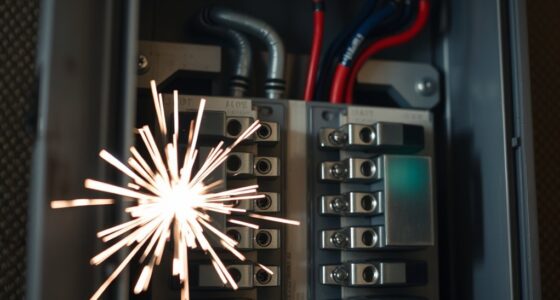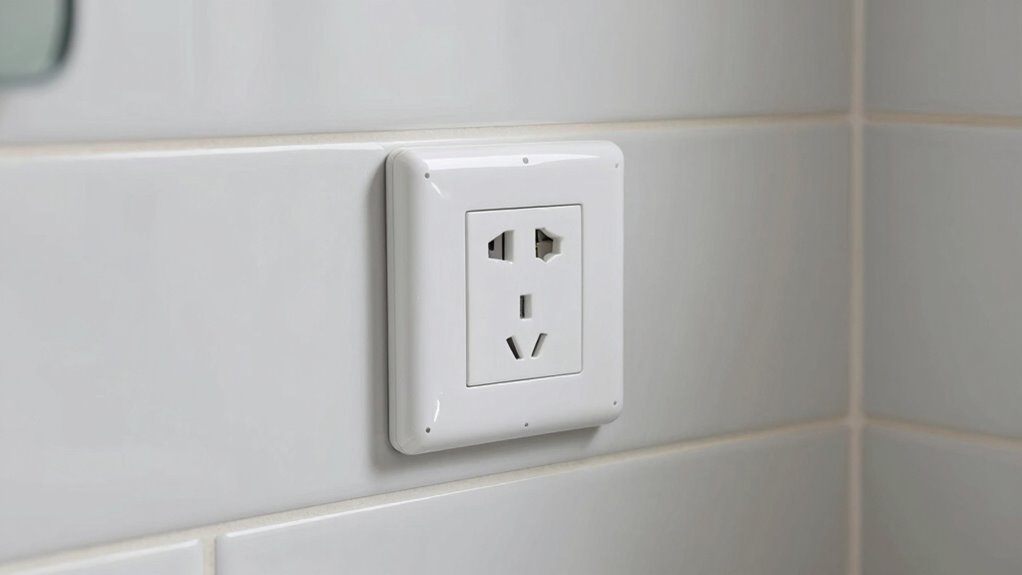

The hidden safety rule behind bathroom electrical design is ensuring GFCI protection in all outlets near water sources, like sinks and tubs, to prevent shocks. You should use moisture-resistant fixtures and follow proper wiring practices aligned with local codes. Keeping electrical devices away from moisture and inspecting fixtures regularly adds extra safety. If you keep these principles in mind, you’ll create a safer bathroom environment—there’s more to discover that can’t be overlooked.

Get backup power and energy gear delivered free — and shop member deals
- Fast, free delivery on millions of items
- Access to Prime Big Deal Days deals on October 6–7
- Prime Video, Amazon Music and more included
Key Takeaways
- GFCI protection is a mandatory safety feature to prevent electrical shocks from water contact in bathrooms.
- Proper placement and regular testing of GFCIs ensure reliable protection against electrical faults.
- Using moisture-resistant fixtures and correct wiring practices reduces corrosion and electrical hazards.
- Keeping electrical components away from water and maintaining a dry environment minimizes risk.
- Adhering to electrical codes and safety regulations is essential for safe bathroom electrical design.
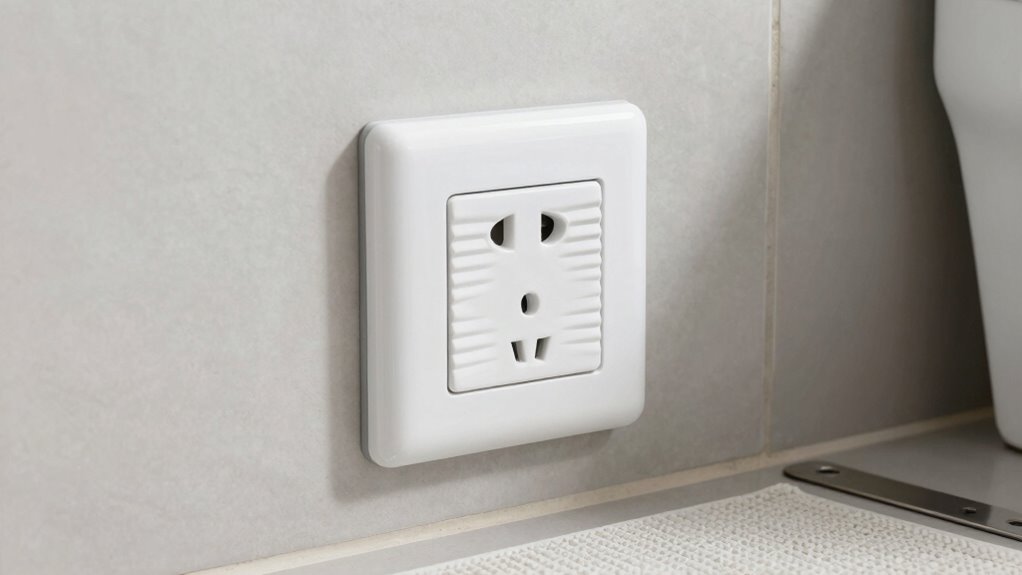
Bathrooms are one of the most common places where electrical accidents can occur, making safety precautions vital. The risks stem from the combination of water and electricity, which can lead to severe shocks or even fires if not properly managed. That’s why understanding the hidden safety rule behind bathroom electrical design is vital for your safety and peace of mind.
The core of this safety rule is the proper use of GFCI protection. Ground Fault Circuit Interrupters, or GFCIs, are designed to cut off electrical power instantly if they detect any imbalance in the flow of electricity, which could indicate a leak or fault. Installing GFCIs in all bathroom outlets is a necessity, especially near sinks, bathtubs, and showers. These devices serve as a first line of defense, preventing electrical shocks by shutting off power before harm can happen. You should also regularly test GFCIs to verify they’re functioning correctly, as they can sometimes fail over time.
Another important aspect of bathroom electrical safety is the use of moisture resistant fixtures. These fixtures are specially designed to withstand humid environments, preventing corrosion and electrical shorts caused by moisture buildup. When choosing outlets, switches, and lighting fixtures for your bathroom, look for those labeled as moisture resistant or weatherproof. This ensures that electrical components stay protected against the constant presence of steam and water splashes, reducing the risk of shorts or fires. Proper installation practices are essential to ensure these fixtures perform as intended and provide lasting safety. Additionally, utilizing appropriate wiring techniques can further enhance safety by minimizing the risk of faults and ensuring compliance with electrical standards. Incorporating proper grounding is also crucial for reducing potential electrical hazards and protecting both people and property.
Beyond these specific devices, proper wiring practices are critical. All wiring should comply with local electrical codes, which often specify that circuits in bathrooms must be dedicated and protected by GFCIs. You should also avoid using extension cords or adaptors in your bathroom, as they increase the risk of electrical faults. Instead, ensure your outlets are conveniently located and properly grounded. Additionally, understanding the importance of electrical safety regulations can help ensure your bathroom wiring is up to code and safe.
Maintaining a dry environment is equally important. Keep electrical fixtures and outlets away from direct contact with water, and wipe away any moisture promptly. Avoid clutter around electrical devices, which can trap water or reduce airflow, increasing humidity and potential hazards. Regular inspections of wiring, fixtures, and GFCIs can help catch issues early before they become dangerous.
As an affiliate, we earn on qualifying purchases.
Frequently Asked Questions
Are There Specific Materials Recommended for Bathroom Electrical Wiring?
You should use wiring with water-resistant insulation to prevent moisture damage in bathrooms. It’s also essential to install ground fault protection, which quickly cuts off power if a leak occurs, keeping you safe. Look for wiring rated specifically for damp or wet locations, and guarantee all electrical components are up to code. Proper materials and safety devices together help minimize risks associated with bathroom electrical systems.
How Often Should Bathroom Electrical Systems Be Inspected for Safety?
You should inspect your bathroom electrical systems at least once a year, like tending to a garden before weeds take over. During inspections, check bathroom ventilation and waterproof lighting for damage or wear. Make certain outlets are grounded, switches work properly, and no moisture is seeping into fixtures. Regular maintenance keeps your bathroom safe, preventing hazards that can lurk behind the scenes, just like unseen roots threatening the stability of your garden.
Can I Install Electrical Outlets Near a Bathtub or Shower?
You shouldn’t install standard electrical outlets near a bathtub or shower. Instead, opt for waterproof outlets with GFCI protection, which automatically shut off electricity if they detect a ground fault. These outlets are designed to handle moisture and reduce the risk of electric shock. Always follow local electrical codes and safety guidelines, and consider consulting a licensed electrician to make certain proper installation and safety compliance.
What Are the Common Signs of Electrical Hazards in Bathrooms?
Ever wondered if your bathroom’s electrical system is safe? Look out for signs like frequent tripping circuit breakers, sparks, or flickering lights—these indicate potential hazards. Water and moisture can cause issues, so make certain waterproof wiring and moisture-resistant fixtures are properly installed. Rusted switches, scorch marks, or a persistent burning smell also signal danger. Address these signs promptly to prevent electrical shocks or fires and keep your bathroom safe.
Are Special Circuit Breakers Required for Bathroom Electrical Systems?
Yes, you need special circuit breakers for bathroom electrical systems. GFCI protection is vital, as it quickly cuts off power if it detects a ground fault, preventing shocks. Waterproof fixtures also help guarantee safety by resisting moisture and reducing electrical hazards. Installing GFCI circuit breakers in bathroom circuits is a key safety measure, and pairing them with waterproof fixtures creates a safer environment by minimizing the risk of electrical shocks and damage.
moisture resistant bathroom fixtures
As an affiliate, we earn on qualifying purchases.
As an affiliate, we earn on qualifying purchases.
Conclusion
Remember, in the world of bathroom electrical design, safety isn’t just a rule—it’s the invisible shield guarding your sanctuary. Like a silent guardian watching over your moments of relaxation, these safety measures quietly work behind the scenes, ensuring you’re protected from unseen dangers. Embrace these hidden rules, and let them be the sturdy roots anchoring your peace of mind. When safety is woven into every wire and socket, your bathroom becomes a safe haven where comfort and caution dance in harmony.
As an affiliate, we earn on qualifying purchases.
As an affiliate, we earn on qualifying purchases.
Fall Picks
fall essentials
As an affiliate, we earn on qualifying purchases.