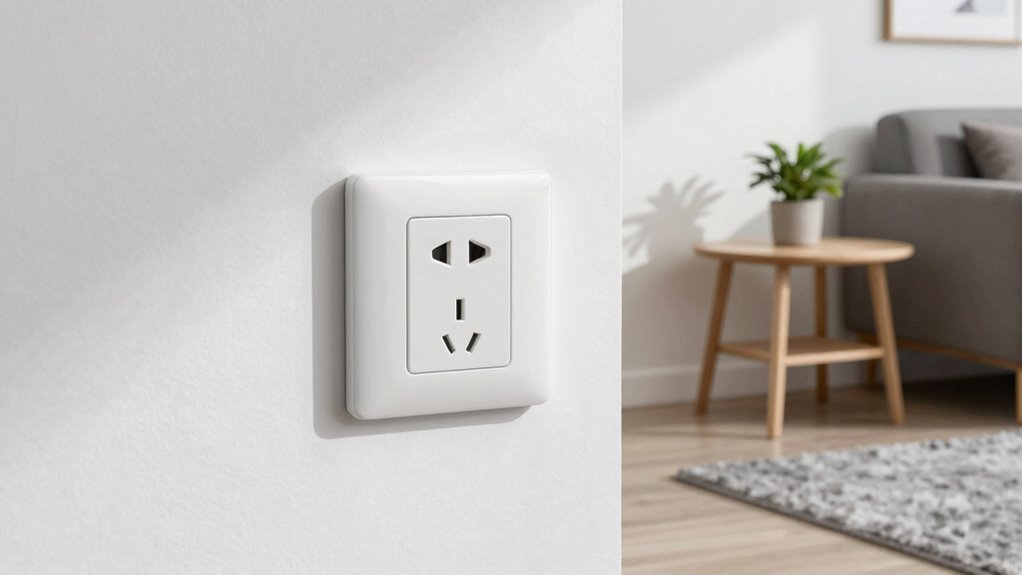

To make your home safer, position outlets out of children’s reach and use tamper-resistant covers, especially in accessible areas. Install GFCI outlets near sinks, tubs, and moisture-prone zones to prevent shocks, and guarantee outdoor outlets are weatherproof and properly placed. Keep outlets accessible yet secure, avoiding long wiring runs for efficiency. Proper placement enhances safety and code compliance. If you want to learn more about creating a safer home environment, keep exploring these important tips.

Get backup power and energy gear delivered free — and shop member deals
- Fast, free delivery on millions of items
- Access to Prime Big Deal Days deals on October 6–7
- Prime Video, Amazon Music and more included
Key Takeaways
- Install outlets out of children’s reach or with tamper-resistant covers to prevent accidental shocks.
- Place GFCIs in moisture-prone areas like bathrooms and kitchens for added shock protection.
- Follow regional electrical codes for outdoor and indoor outlet heights and weatherproofing.
- Position outlets at regular intervals in each room to reduce reliance on extension cords and improve accessibility.
- Use proper outlet types, such as weatherproof for outdoors and tamper-resistant for children, to enhance safety.
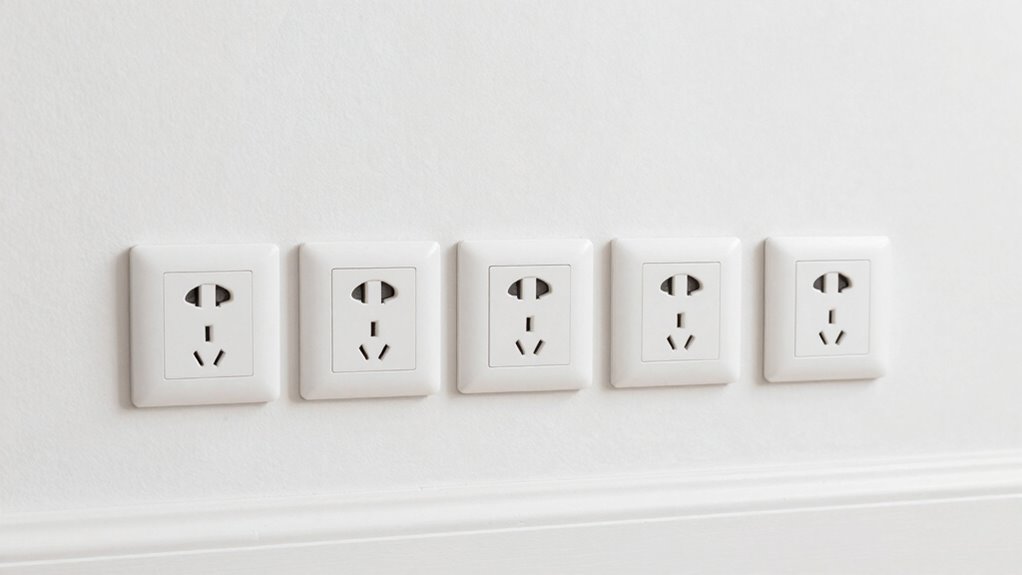
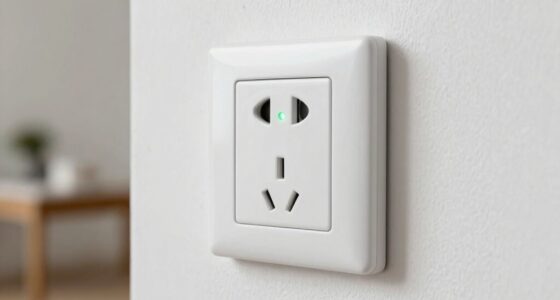
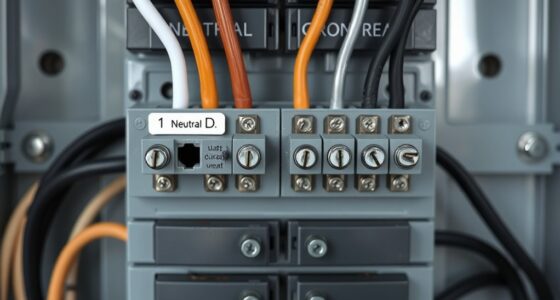
Proper outlet placement is essential for safety, convenience, and code compliance in any space. When planning your home’s electrical layout, you want to guarantee outlets are positioned where they’ll be most useful while minimizing risks—especially if you have children. Childproof outlets are a smart addition, especially in areas accessible to little ones, because they prevent accidental shocks by covering the socket openings. Installing these outlets at appropriate heights and locations helps keep your children safe without sacrificing accessibility. For example, outlets should be placed out of reach for young children or fitted with tamper-resistant covers to prevent them from inserting objects. Additionally, outlets near sinks, bathtubs, or other areas with moisture should have ground-fault circuit interrupters (GFCIs) to prevent electrical shock hazards. Proper outlet placement also supports security by reducing the risk of electrical hazards. Energy-efficient wiring is another critical factor that influences outlet placement. When wiring your home, consider the most strategic locations to minimize the length of wiring needed, which reduces energy loss and saves on electricity costs. Properly placed outlets allow for a more efficient electrical system, avoiding long stretches of wires that can cause voltage drops and inefficiencies. It’s advisable to place outlets in every room at regular intervals, especially in high-use areas like kitchens, living rooms, and home offices, to ensure you won’t need extension cords that can be trip hazards or cause overloads. In kitchens, outlets should be installed above countertops at standard heights for easy access, while in bedrooms, outlets should be positioned near nightstands for convenience. When planning your outlet layout, make sure to account for furniture placement to avoid blocking access. Strategic outlet placement can also help in optimizing electrical safety and convenience. For outdoor spaces, weatherproof outlets should be installed at appropriate heights and locations to prevent water intrusion and ensure safety during outdoor activities. Considering regional electrical standards can further ensure your home meets local safety regulations and enhances overall safety. Additionally, choosing the right outlet types based on your specific needs can improve both safety and functionality.
As an affiliate, we earn on qualifying purchases.
Frequently Asked Questions
Are There Specific Outlet Placement Rules for Outdoor Areas?
Yes, there are specific outlet placement rules for outdoor areas. You should install outdoor wiring with weatherproof outlets to guarantee safety and durability. Place outlets at least 6 inches above ground level and away from water sources to prevent electrical hazards. Use Ground Fault Circuit Interrupters (GFCIs) for added protection. Proper placement and weatherproofing help keep your outdoor electrical systems safe from weather elements and accidental contact.
How Often Should Outlets Be Replaced for Safety?
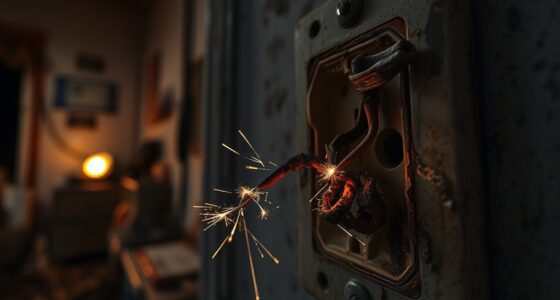
You should replace outlets if they become damaged, loose, or show signs of corrosion to guarantee safety. Regularly check your outlets, especially near lighting fixtures or outdoor areas, and replace them promptly. Using surge protectors can add extra safety, but they don’t replace faulty outlets. If an outlet feels warm or sparks, turn off the power and replace it immediately to prevent fire hazards.
Can I Install Outlets Higher Than Standard Height?
Think of your home’s electrical setup as a carefully curated gallery—placing outlets higher than standard height is like hanging art at just the right eye level. You can install outlets higher for convenience or aesthetic, especially with decorative outlet covers that blend seamlessly. Smart outlet technology makes this even easier, allowing you to control power remotely. Just guarantee your installation complies with local codes, keeping safety as your top priority.
Are There Different Rules for Kitchens and Bathrooms?
Yes, different rules apply for kitchens and bathrooms. In kitchens, outlets must be placed near appliances and often use color coding to identify GFCI outlets for safety. Bathrooms require GFCI outlets within a certain distance of sinks, with specific height requirements. You should follow these rules for appliance placement and make certain outlets are properly color-coded for quick identification, which helps prevent electrical hazards and makes your home safer.
What Safety Features Should Outlets Have in Children’s Rooms?
In children’s rooms, safety is a big deal—your home is practically a fortress! You should install outlets with childproof covers to prevent curious little fingers from getting shocked. Also, choose ground fault circuit interrupters (GFCIs) to cut off power instantly if a leak occurs, making your home safer than a superhero’s shield. These features considerably reduce risks, keeping your kids safe while they explore and play.
GFCI outlets for bathrooms and kitchens
As an affiliate, we earn on qualifying purchases.
As an affiliate, we earn on qualifying purchases.
Conclusion
By following proper outlet placement rules, you considerably reduce the risk of electrical accidents in your home. Did you know that nearly 3,000 electrical shock injuries occur annually in the U.S., many linked to improper outlet use? Ensuring outlets are correctly positioned and childproofed not only keeps your loved ones safe but also provides peace of mind. Remember, a little precaution goes a long way in creating a safer living environment for everyone.
weatherproof outdoor electrical outlets
As an affiliate, we earn on qualifying purchases.
As an affiliate, we earn on qualifying purchases.
As an affiliate, we earn on qualifying purchases.
Fall Picks
fall essentials
As an affiliate, we earn on qualifying purchases.