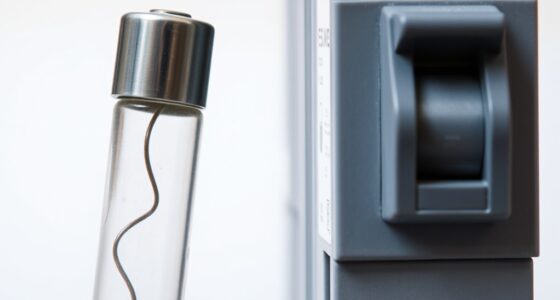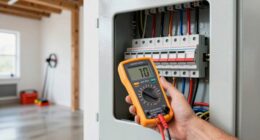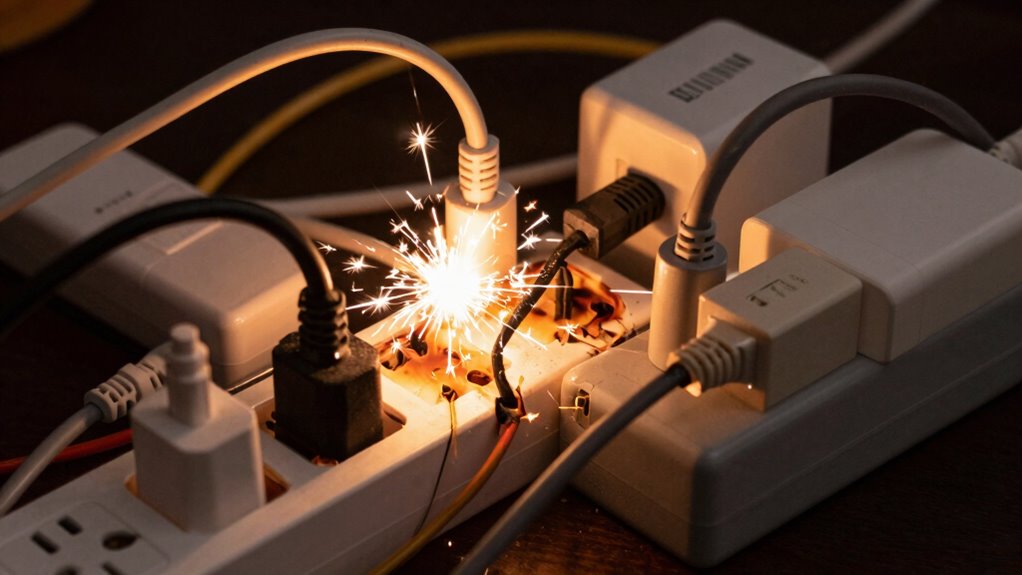

Overloading power strips is risky because it can cause overheating, sparks, and ultimately fires. When you plug in too many devices or high-wattage appliances, it pushes the strip beyond its safe capacity, which can damage wiring or cause short circuits. Burning or warm power strips are warning signs to unplug immediately. If you want to stay safe and avoid potential disasters, understanding how to prevent overloads is essential—keep exploring for helpful tips and precautions.
Key Takeaways
- Overloading power strips can cause overheating, increasing the risk of fire and electrical failure.
- Exceeding the power strip’s rated capacity generates heat, damaging internal wiring.
- Signs of overload include warmth, visible damage, or charring; stop using immediately.
- Proper load distribution and avoiding daisy-chaining reduce fire hazards.
- Regular inspection and adherence to wattage limits help prevent fires and prolong device safety.
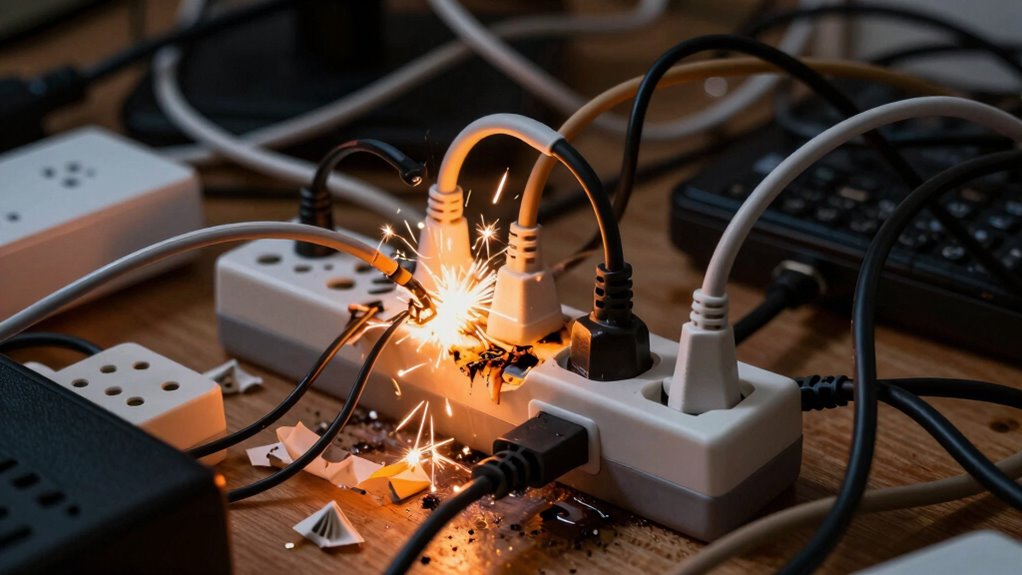
Many people underestimate the danger of overloaded power strips, but they can quickly become a fire hazard. When you plug in too many devices or high-wattage appliances into a single strip, you’re pushing its capacity beyond safe limits. This overload can cause the strip to overheat, increasing the risk of electrical failure and, ultimately, fire. Understanding the importance of electrical safety is essential to prevent such dangers. Power strips are designed for convenience, but they aren’t meant to handle excessive loads. Ignoring these limits can lead to damaged wiring, short circuits, or sparks that ignite nearby materials.
You might think that using multiple outlets on the same strip is harmless, but each strip has a maximum current rating. When you exceed this, the internal wiring heats up, which is one of the primary reasons fires start. To promote fire prevention, always check the power strip’s ratings and avoid daisy-chaining multiple strips together. Overloading not only compromises the safety of your home but also puts everyone around you at risk. It’s easy to forget that electrical safety isn’t just about avoiding shocks; it’s about preventing fires before they happen. Electrical safety is a crucial aspect of home safety that should never be overlooked. Additionally, understanding the capacity limits of your power strip can help you make safer choices.
Being aware of the current ratings can help prevent accidental overloads, especially when using high-wattage devices. If you notice your power strip feels warm or looks charred, you should unplug it immediately. Continuing to use an overloaded or damaged strip greatly increases the chances of an electrical fire. Properly monitoring electrical loads can significantly reduce risk and extend the lifespan of your devices. It’s also important to recognize that proper maintenance of electrical equipment can help identify potential hazards before they cause damage. Instead, invest in a high-quality power strip designed to handle your specific needs, and never surpass the recommended wattage. Keep an eye on the number of devices plugged in, especially high-power appliances like space heaters, microwaves, or chargers. Distributing electrical loads across multiple outlets and avoiding overuse of a single strip is a simple but effective fire prevention strategy.
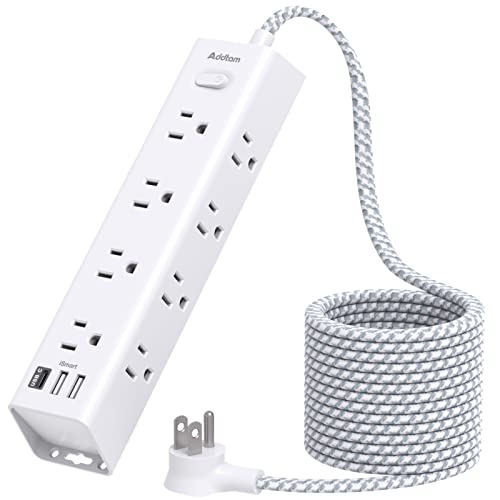
Surge Protector Power Strip – 10 FT Extension Cord, Power Strip with 12 Widely AC Outlet 3 USB, Flat Plug, Wall Mount Overload Protection, 1050J, Desk Charging Station for Home Office, ETL Listed
【15 IN 1 Power Strip】- 12 widely AC outlets power strips(1875W/15A Max)with 3 USB charing ports, the flat…
As an affiliate, we earn on qualifying purchases.
As an affiliate, we earn on qualifying purchases.
Frequently Asked Questions
Can Using Surge Protectors Increase Fire Risk?
Using surge protectors can increase fire risk if you overload them or if they’re of poor quality. When you connect too many devices, electrical wiring can overheat, potentially causing a fire. To guarantee fire safety, always follow manufacturer guidelines, avoid daisy-chaining multiple strips, and regularly inspect your surge protectors for damage. Proper usage minimizes risks and keeps your electrical wiring safe, reducing the chance of a fire starting in your home.
How Can I Tell if My Power Strip Is Overloaded?
Think of your power strip as a busy highway—if too many cars (devices) pack in, traffic jams happen. You can tell it’s overloaded when the strip feels hot, or if a circuit breaker trips frequently. Check your electrical wiring for frayed cords or sparks, and never exceed the power strip’s rated capacity. Staying alert keeps your home safe, preventing overloads that could spark fires.
Are There Safer Alternatives to Power Strips?
Yes, you can opt for safer alternatives like surge protectors with proper electrical grounding, which help prevent overloads and fires. Use cords with appropriate lengths to avoid tangling and overheating. Avoid daisy-chaining multiple power strips, and choose devices with built-in circuit breakers for added safety. These options reduce fire risks and guarantee a safer electrical setup in your home or workspace.
What Immediate Steps Should I Take if a Power Strip Overheats?
If a power strip begins to overheat, act quickly to guarantee electrical safety and fire prevention. Unplug devices immediately and turn off the power strip. Move it to a well-ventilated area, away from flammable materials. Check for signs of damage or scorch marks. Never ignore the warning signs; taking swift action helps protect your home and loved ones. Always prioritize safety to prevent potential fires and electrical accidents.
Do Specific Devices Pose Higher Fire Risks When Plugged Into Power Strips?
Some devices pose higher fire risks when plugged into power strips, especially those with high power demands like space heaters, microwaves, or hair dryers. These can cause circuit overloads, increasing fire hazards. To guarantee fire safety, avoid daisy-chaining power strips, and don’t exceed the recommended load. Always check your devices’ wattage and use power strips designed for higher loads to prevent overheating and reduce fire risks.

6Ft Power Strip Surge Protector – Yintar Extension Cord with 6 AC Outlets and 3 USB Ports for for Home, Office, Dorm Essentials, 1680 Joules, ETL Listed, (Black)
Power Strip with 6 Outlets & 3USB Ports: 6 AC Surge protector outlets(1680 Joules) including 1 Widely Spaced…
As an affiliate, we earn on qualifying purchases.
As an affiliate, we earn on qualifying purchases.
Conclusion
Remember, the power strip is like a trusted friend—best when used wisely. Overloading it isn’t just a small mistake; it’s a ticking time bomb waiting to explode into flames. So, treat your devices with respect, and don’t let convenience turn into catastrophe. After all, isn’t safety worth a little extra effort? Keep your home secure by avoiding overloads, because a spark today can become a fire tomorrow—don’t light that match.

Anker Power Strip with 2100J Surge Protector, Outlet Extender, 5ft Extension Cord with Multiple Outlets, 12 AC, 2 USB A,1 USB C Port for 20W, Home Office, Dorm Room Essentials, TUV Listed
All the Power You Need: Features 12 AC outlets, 1 USB-C port, and 2 USB-A ports to give…
As an affiliate, we earn on qualifying purchases.
As an affiliate, we earn on qualifying purchases.
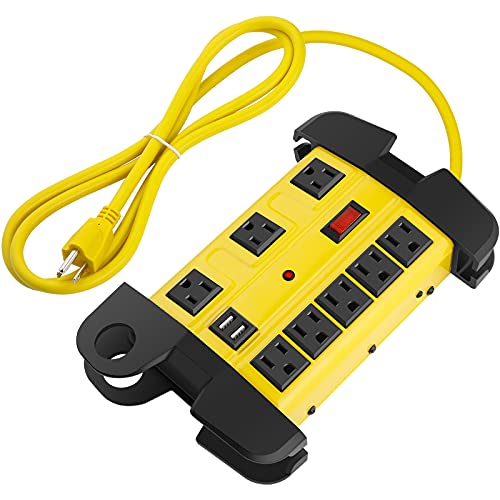
Heavy Duty Power Strip with USB, Workshop 8 Outlet Surge Protector 2700 Joules, Industrial Metal 15Amp Power Strip, 6FT Extension Cord and Wide Spaced. Yellow
Metal industrial power strip with yellow aluminum housing and black outlets, wall mountable and built-in usb ports design,…
As an affiliate, we earn on qualifying purchases.
As an affiliate, we earn on qualifying purchases.