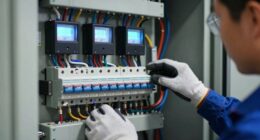
You still need flashlights, lanterns, and radios because they work independently of your digital devices and internet, providing reliable light and vital information during outages. These tools don’t rely on power grids or cellular signals, making them indispensable backup options. Solar-powered versions add sustainability and energy independence. Including them in your emergency kit guarantees you stay safe and informed no matter what happens. Keep exploring to discover more about how these traditional tools can complement your high-tech plans.

Get backup power and energy gear delivered free — and shop member deals
- Fast, free delivery on millions of items
- Access to Prime Big Deal Days deals on October 6–7
- Prime Video, Amazon Music and more included
Key Takeaways
- They operate independently of electricity and internet, ensuring reliable illumination and communication during power outages.
- Traditional tools provide immediate, dependable light and information without reliance on digital devices or cellular networks.
- Solar-powered options enhance sustainability and ensure continued functionality during extended emergencies.
- Radios deliver critical weather alerts and updates without the need for internet or cellular service.
- Including these tools offers a comprehensive backup, reducing vulnerability when high-tech solutions fail.

In today’s world of smartphones and smart homes, it might seem like high-tech gadgets alone can handle all your backup needs. Yet, relying solely on digital devices leaves you vulnerable when power outages or emergencies strike. That’s where traditional tools like flashlights, lanterns, and radios come into play, providing reliable backup solutions that technology can’t always match. While solar power is transforming renewable energy and emergency kits are packed with essential supplies, these basics remain essential for resilience and safety.
Flashlights and lanterns give you immediate, dependable illumination when the grid goes down. Modern flashlights with LED technology are energy-efficient, long-lasting, and durable, but they still depend on batteries. Having a well-stocked emergency kit with extra batteries ensures you won’t be left in the dark during extended outages. Lanterns, especially those that are battery-powered or solar-powered, spread light over larger areas, making it easier to move around safely and perform necessary tasks. Including solar-powered options in your emergency kit means you can recharge your lanterns without relying on electrical outlets, which might be unavailable or damaged. This integration of solar power makes your backup plan more sustainable and self-sufficient. Additionally, understanding the limitations of digital technology can help you better prepare for situations where electronic devices might fail.
LED flashlights and solar lanterns provide reliable, sustainable light during power outages and emergencies.
Radios remain an indispensable part of any emergency preparedness, especially traditional battery-powered or hand-crank models. They connect you to essential information—weather alerts, emergency broadcasts, news updates—without needing an internet connection or electricity. While smartphones can provide similar updates, they depend on cellular service and power, both of which may be compromised during disasters. A good radio, combined with fresh batteries or a solar charger, keeps you informed regardless of technological failures. Incorporating solar power into your emergency kits not only guarantees your devices stay charged but also emphasizes sustainability, reducing dependency on external power sources.
Even with the advancements in smart technology, these basic tools offer a layer of security that high-tech gadgets can’t always guarantee. They don’t rely on internet connectivity or electricity, making them dependable when everything else fails. Additionally, emergency preparedness involves understanding the limitations of technology and preparing accordingly, which these tools exemplify perfectly. Including traditional backup tools like flashlights, lanterns, and radios ensures you have reliable options when digital solutions falter. Incorporating solar power into your emergency kits not only guarantees your devices stay charged but also emphasizes sustainability, reducing dependency on external power sources. Flashlights, lanterns, and radios are simple yet indispensable components of a thorough backup plan, providing reassurance and safety when your digital devices might fall short. In emergencies, these traditional tools are your fail-safe, ensuring you’re never left in the dark or cut off from critical information.
As an affiliate, we earn on qualifying purchases.
Frequently Asked Questions
How Long Can Flashlights and Radios Operate on Batteries During an Outage?
Your flashlights and radios can operate for several hours during an outage, depending on their battery capacity. Typically, a standard flashlight with fresh batteries offers about 10-20 hours of power, while radios may last longer, around 20-30 hours, depending on usage. To maximize power longevity, consider using high-capacity batteries or rechargeable options. Regularly check and replace batteries to guarantee your devices stay functional when you need them most.
Are There Eco-Friendly or Solar-Powered Options for These Devices?
Yes, you can find eco-friendly or solar-powered options for flashlights, lanterns, and radios. Solar chargers help recharge these devices using sunlight, reducing reliance on disposable batteries. Look for flashlights and radios that come with eco-friendly batteries, which are reusable and environmentally safe. These options make your backup plan more sustainable, ensuring you stay powered up during outages without harming the environment.
What Maintenance Is Required to Keep Backup Radios and Lanterns Functional?
To keep your backup radios and lanterns functional, you need to perform regular maintenance. This includes replacing batteries when they run low or become corroded and inspecting devices for damage. Proper storage techniques, such as keeping devices in a cool, dry place and sealing batteries separately if possible, help extend their lifespan. Regular testing guarantees they’re ready when you need them most, providing peace of mind during emergencies.
How Do These Devices Perform in Extreme Weather Conditions?
In extreme weather conditions, your flashlights, lanterns, and radios are essential for emergency safety, but their performance depends on proper maintenance. Cold temperatures can reduce battery longevity, so keep spare batteries warm and regularly check them. Wind, rain, or snow may damage devices or hinder signal reception. Make sure your backup gear is weatherproofed and tested frequently, so you can rely on them when you need them most during severe weather events.
Can They Be Integrated With Modern Smart Home Systems?
Like a conductor guiding an orchestra, you can seamlessly integrate flashlights, lanterns, and radios with your smart home system. Modern devices often feature smart home compatibility and voice control integration, making it easy to turn on a lantern or radio with a simple command. This fusion of old and new guarantees you’re never left in the dark, even during power outages or emergencies, keeping your home both safe and connected.
As an affiliate, we earn on qualifying purchases.
Conclusion
So, when you’re crafting your backup plan, do you really want to rely solely on high-tech gadgets? Flashlights, lanterns, and radios offer simplicity, reliability, and immediate access during emergencies. They don’t depend on batteries or internet, making them essential backups. After all, isn’t having basic, dependable tools just as vital as the latest tech? Staying prepared means balancing innovation with the tried-and-true—because sometimes, the simplest tools are your best safety net.
As an affiliate, we earn on qualifying purchases.
As an affiliate, we earn on qualifying purchases.
Halloween Picks
halloween
As an affiliate, we earn on qualifying purchases.