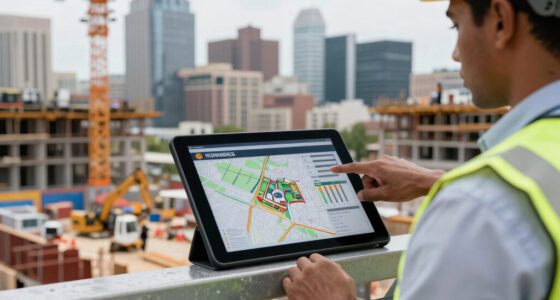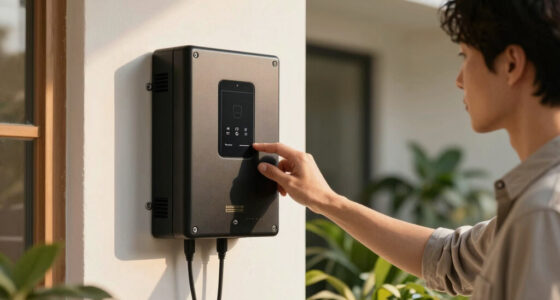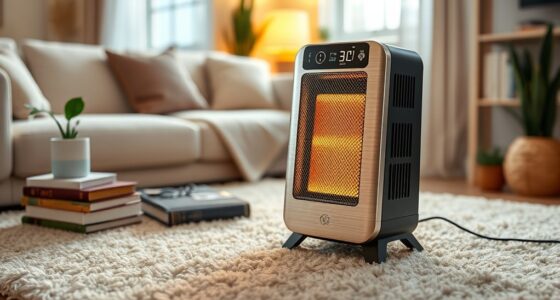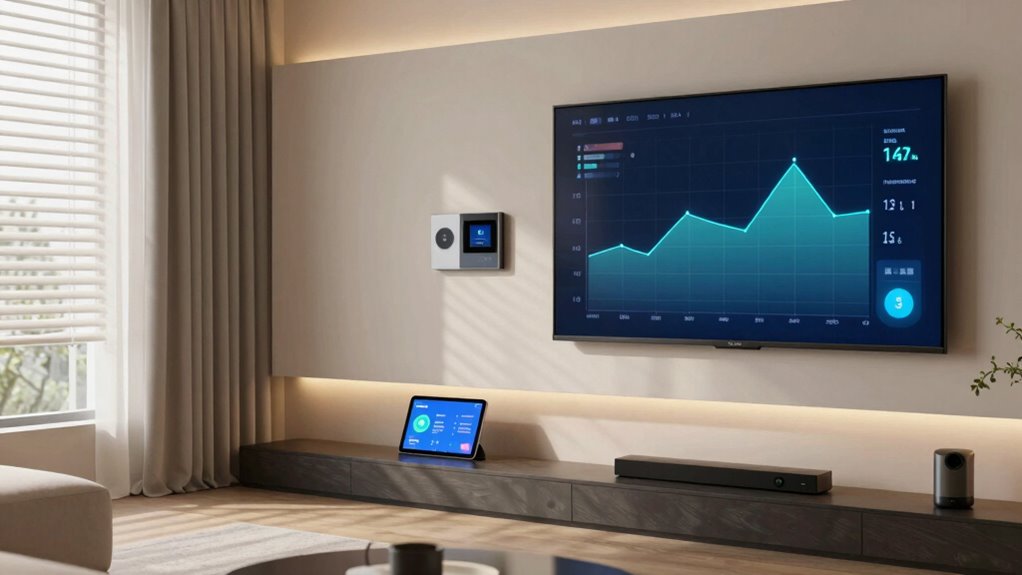

A smart home is truly useful for energy management when it automates routines like adjusting lighting, heating, and cooling to match your preferences, which saves energy and extends appliance life. Real-time monitoring helps you see your energy use and find ways to improve. Integrating with renewable sources like solar enhances efficiency, while remote control keeps you connected anywhere. To discover how these features work together for maximum benefit, keep exploring the smarter approach to home energy management.

Get backup power and energy gear delivered free with Prime
- Fast, free delivery on millions of items
- Prime Video, Amazon Music and more included
- Member-only deals all year
Key Takeaways
- Automated adjustments of lighting, heating, and cooling optimize energy use based on routines and preferences.
- Real-time monitoring provides actionable data to identify savings opportunities and track energy consumption.
- Integration with renewable energy sources maximizes solar power use and reduces grid dependence.
- Remote control capabilities enable users to manage devices and energy consumption from anywhere.
- Combining automation, insights, and control creates an efficient, comfortable, and sustainable home environment.
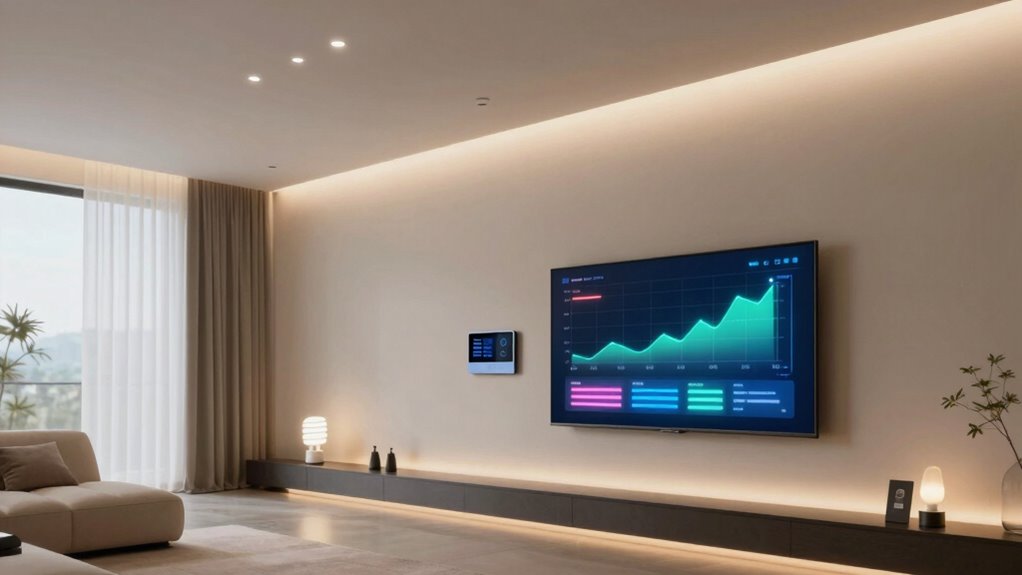
Smart homes are transforming the way you manage energy by integrating advanced technology to optimize efficiency and convenience. When your home is equipped with smart systems, you’re empowered to make smarter choices about energy use, helping you save money and reduce your carbon footprint. One of the key factors that make a smart home genuinely useful for energy management is its ability to seamlessly incorporate automation benefits. Automated systems can adjust lighting, heating, and cooling based on your schedule or preferences, ensuring that energy isn’t wasted when it’s not needed. For example, your thermostat can learn your routines and automatically lower the temperature when you’re away or asleep, which directly contributes to energy saving tips that you might not even think about.
By automating routine tasks, a smart home reduces the likelihood of leaving devices on or settings set inefficiently. This not only saves energy but also extends the lifespan of appliances. With real-time monitoring, you can see exactly where your energy is going, giving you the insight needed to make informed decisions. Many smart systems provide detailed reports and suggestions, turning energy management into an active process rather than a passive one. As a result, you’re encouraged to adopt energy saving tips that fit your lifestyle, such as scheduling appliances to operate during off-peak hours or dimming smart lights when natural daylight is sufficient. Energy efficiency can be further improved through the integration of additional sensors and smarter algorithms, which enhance the overall system performance. Incorporating home automation features can also help optimize the use of appliances and systems, making your energy management more effective.
Another essential aspect of a smart home’s usefulness is its ability to integrate with renewable energy sources, like solar panels. Smart energy management systems can optimize the use of solar power, storing excess energy or shifting usage to times when solar production is at its peak. This integration maximizes the benefits of renewable energy and further reduces reliance on the grid. Additionally, smart home devices can be controlled remotely via apps, giving you the flexibility to adjust settings from anywhere, whether you’re at work or on vacation. This remote control capability guarantees you’re always aware and in charge of your home’s energy consumption.
In essence, a smart home becomes truly useful for energy management when it combines automation benefits with intuitive control and insightful data. It’s about creating a home environment that actively works to save energy without sacrificing comfort. When you leverage these systems effectively, you turn routine energy-consuming activities into opportunities for savings, all while contributing to a more sustainable future. The right technology not only makes your home smarter but also more efficient, helping you save money and energy with less effort. Additionally, incorporating automation benefits enhances the overall effectiveness of energy management in your smart home, especially as smart home technology continues to evolve.
smart home energy management system
As an affiliate, we earn on qualifying purchases.
As an affiliate, we earn on qualifying purchases.
Frequently Asked Questions
How Secure Are Smart Home Energy Systems From Cyber Threats?
Smart home energy systems can be quite secure, but you should be aware of cyber vulnerabilities that might expose your data privacy. Manufacturers often implement encryption and regular updates, but cyber threats evolve constantly. To stay protected, you need to change default passwords, keep software current, and use strong, unique credentials. Being vigilant helps prevent potential breaches and keeps your energy data safe from cyber threats.
Can Smart Homes Adapt to Seasonal Energy Usage Changes Automatically?
Your smart home can automatically adapt to seasonal energy usage changes, making your life easier and more energy-efficient. Thanks to advanced sensors and AI algorithms, it detects when seasons shift and adjusts heating, cooling, and lighting accordingly. This seasonal adaptation maximizes energy efficiency, reduces waste, and keeps your home comfortable year-round without you lifting a finger. It’s like having a personal energy assistant that works tirelessly to save you money and protect the environment.
What Are the Upfront Costs Versus Long-Term Savings?
The upfront costs of smart home energy management systems vary, with a cost comparison showing significant initial investment for devices and installation. You might face installation challenges, especially with complex wiring or integration. However, over time, you save money through reduced energy bills, making the long-term savings outweigh the initial expenses. Investing now can lead to smarter energy use, lower bills, and a more efficient home.
How Do Smart Homes Integrate With Existing Energy Infrastructure?
You can easily integrate your smart home with existing energy infrastructure through energy monitoring and appliance control. Smart systems connect seamlessly via Wi-Fi or Zigbee, allowing you to track energy usage in real-time and control appliances remotely. This integration enables you to optimize energy consumption, reduce waste, and enhance efficiency without needing major upgrades, making your home smarter and more energy-efficient with minimal effort.
Are There Privacy Concerns With Data Collected by Smart Energy Devices?
Think of privacy concerns like a secret scroll in a medieval castle; your data security is at stake. Smart energy devices collect data on your habits, raising worries about unauthorized access or misuse. You need to stay vigilant, ensuring your devices have proper security measures. Protect your personal information by choosing reputable brands, updating software regularly, and understanding how your data is used to keep your smart home safe.
smart thermostat with automation
As an affiliate, we earn on qualifying purchases.
As an affiliate, we earn on qualifying purchases.
Conclusion
A smart home becomes truly useful for energy management when it seamlessly integrates automation and user control, helping you reduce waste and save money. Did you know that smart thermostats alone can cut heating and cooling costs by up to 23%? By making small, smart adjustments, you’re not just saving on bills—you’re also contributing to a greener planet. Embrace these technologies, and you’ll see how simple changes can lead to significant savings and sustainability.
As an affiliate, we earn on qualifying purchases.
remote control smart home devices
As an affiliate, we earn on qualifying purchases.
As an affiliate, we earn on qualifying purchases.
Halloween Picks
halloween
As an affiliate, we earn on qualifying purchases.