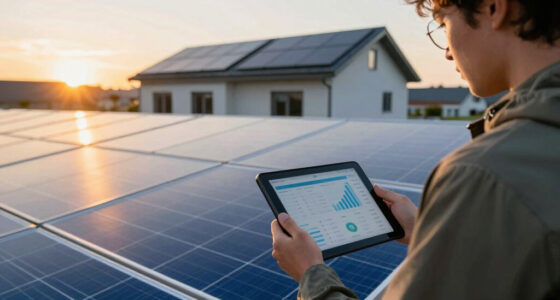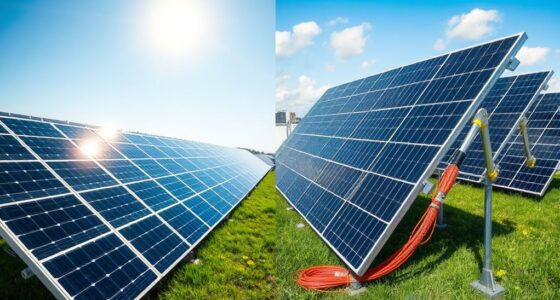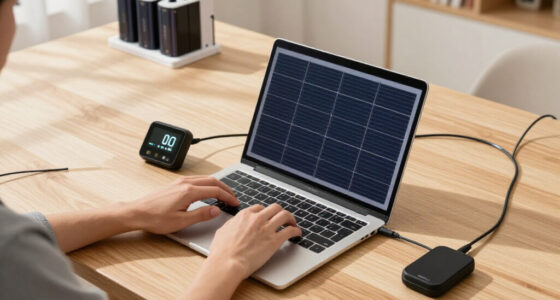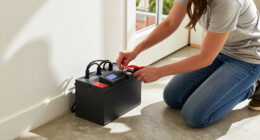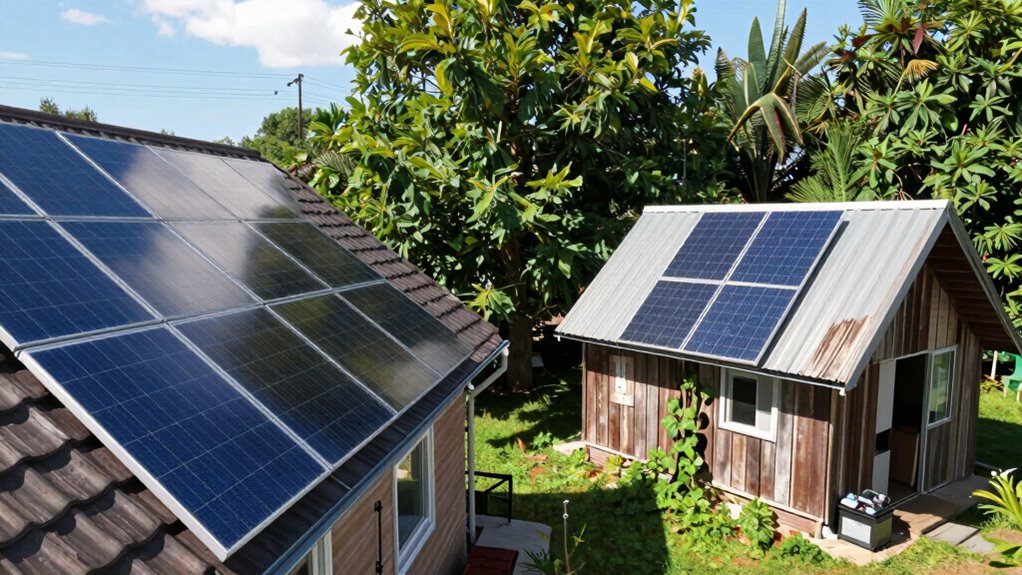

Grid-tied solar systems connect directly to the utility grid, giving you backup power and lower upfront costs, but rely on the grid’s stability. Off-grid systems operate independently, generating and storing all energy on-site with batteries, making them ideal for remote locations but usually more expensive and maintenance-intensive. Your choice depends on your location and energy needs. If you want to understand the key differences and which system suits you best, keep exploring the details.

Get backup power and energy gear delivered free with Prime
- Fast, free delivery on millions of items
- Prime Video, Amazon Music and more included
- Member-only deals all year
Key Takeaways
- Grid-tied systems connect to the utility grid, while off-grid systems operate independently without grid reliance.
- Off-grid setups require large battery storage for energy independence, whereas grid-tied systems rely less on batteries.
- Grid-tied systems generally have lower installation and maintenance costs compared to off-grid systems.
- Off-grid systems are ideal for remote locations without grid access; grid-tied systems are suited where grid access is reliable.
- Off-grid systems demand active management and regular maintenance for system reliability, unlike the simpler grid-tied systems.
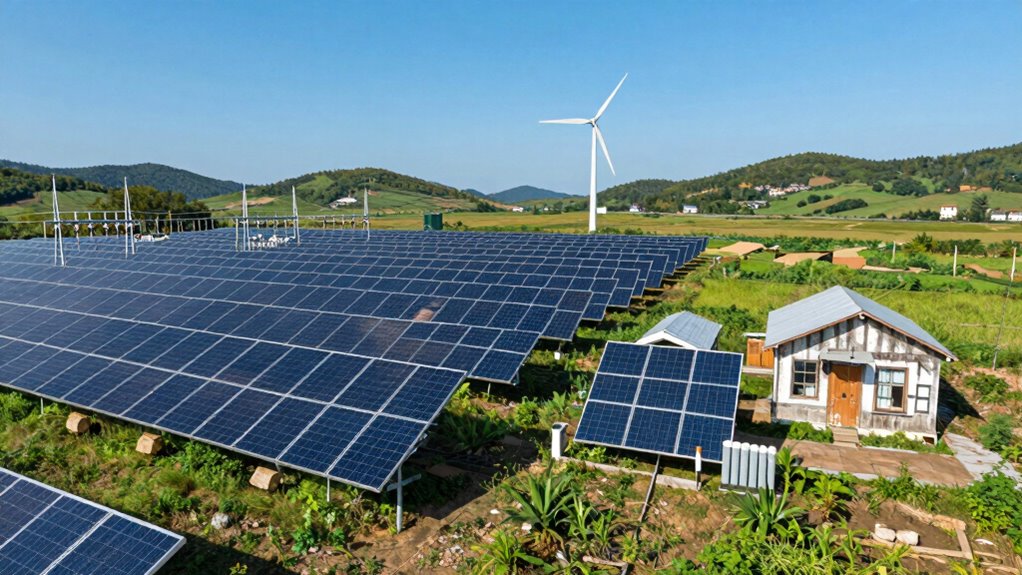
Whether you’re considering solar power for your home or business, understanding the key differences between grid-tied and off-grid systems is crucial. These two setups serve different needs and come with distinct advantages and challenges. A grid-tied system connects directly to the local utility grid, allowing you to draw power when your solar panels aren’t generating enough. This means you can rely on the grid as a backup, reducing your need for large battery storage. Because of this connection, your system requires less maintenance, and you can often benefit from net metering, which credits you for excess energy sent back to the grid. This setup makes it easier to manage energy supply and lowers initial installation costs. However, it also means you’re dependent on the utility grid’s stability; if the grid goes down, your system may shut off unless you have additional measures in place.
In contrast, an off-grid system operates independently of the utility grid. You generate and store all the energy you need on-site, usually with a combination of solar panels and battery storage. Battery storage becomes a crucial component here because it supplies power during cloudy days or at night. The size and capacity of your batteries directly influence how much energy you can store and use, so selecting the right type and quantity is essential. Off-grid systems require more careful planning and regular system maintenance to ensure they function properly over time. You need to regularly check and maintain batteries, clean solar panels, and monitor system performance to prevent issues. These systems tend to have higher upfront costs since they include larger batteries and more extensive equipment, but they offer complete independence from the utility grid. Additionally, understanding the global perspective on renewable energy can help you appreciate how advancements are making off-grid systems more efficient and accessible. Moreover, choosing the right system design involves considering your specific energy needs to ensure sustainable operation. Proper system sizing is also vital to prevent energy shortages or excess, which could impact your system’s overall efficiency.
Furthermore, the integration of innovative technologies is increasingly improving the reliability and affordability of off-grid solutions, making them a more viable option for a broader range of users. While a grid-tied system offers simplicity, lower costs, and ease of use, it relies on the grid’s availability. An off-grid system provides total autonomy, which is perfect for remote locations or properties where connecting to the grid isn’t feasible. Proper sizing of components and system design are critical to ensure reliability in off-grid setups. However, it demands more active management, especially with battery storage, and requires ongoing system maintenance to keep everything running smoothly. Your choice depends on your location, budget, energy needs, and whether you prioritize independence over convenience. Understanding these fundamental differences helps you make an informed decision that fits your situation, ensuring you get the most benefit from your solar investment.
As an affiliate, we earn on qualifying purchases.
Frequently Asked Questions
What Are the Initial Costs of Each Solar System Type?
The initial costs for grid-tied solar systems are generally lower, mainly because they don’t require battery storage and are easier to scale. Off-grid systems, however, can be more expensive upfront due to batteries and larger capacity needs for independence. Your choice depends on your budget and desire for system scalability; off-grid offers more independence but at a higher initial investment, while grid-tied is more affordable initially.
How Do Maintenance Needs Differ Between Grid-Tied and Off-Grid Systems?
Maintenance needs for off-grid systems are like tending a garden—you need to regularly check batteries and guarantee system durability. You’ll often replace batteries to sustain peak performance, especially since battery lifespan varies. Grid-tied systems require less upkeep, mainly monitoring inverter health and cleaning panels. Off-grid setups demand more attention, but with proper care, both systems can run smoothly, keeping your solar energy flowing like a well-oiled machine.
Can Off-Grid Systems Be Expanded Easily Over Time?
Yes, off-grid systems can be expanded over time, but it requires careful planning. You need to take into account system scalability, which involves adding more solar panels and battery storage as your energy needs grow. Expanding your system isn’t always straightforward; you may need to upgrade your inverter or battery bank, and guarantee your current setup can handle the increased load. Proper foresight makes future expansions smoother and more efficient.
What Are the Best Locations for Each System Type?
You’ll find grid-tied systems work best in areas with reliable grid access, like suburban neighborhoods, where solar panel efficiency can be maximized with consistent sunlight and grid support. Off-grid systems suit remote locations, such as cabins or rural homes, where battery storage options need to be robust for energy independence. Both setups benefit from ideal sunlight, but off-grid systems demand higher efficiency and better storage to guarantee continuous power.
How Do Net Metering Policies Affect Grid-Tied Systems?
Did you know over 40% of solar owners benefit from net metering policies? These policies let you earn credits by feeding excess energy back to the grid, boosting your savings. For grid-tied systems, net metering enhances energy independence, but it can vary by location. Battery storage becomes essential when policies change or during outages, ensuring you maintain power and maximize your solar investment.
As an affiliate, we earn on qualifying purchases.
Conclusion
Choosing between grid-tied and off-grid solar is like picking between a steady river or a wild mountain stream — each has its own charm and challenges. You’ll want to evaluate your energy needs, location, and lifestyle. Remember, your decision shapes your connection to the sun and your independence. Whichever path you take, know that harnessing solar power is a bold step towards a brighter, cleaner future, lighting the way like a lighthouse guiding ships through the dark.
As an affiliate, we earn on qualifying purchases.
As an affiliate, we earn on qualifying purchases.
Columbus Day / Indigenous Peoples' Day Picks
long weekend sales
As an affiliate, we earn on qualifying purchases.