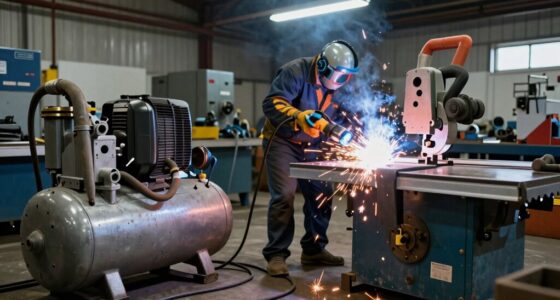
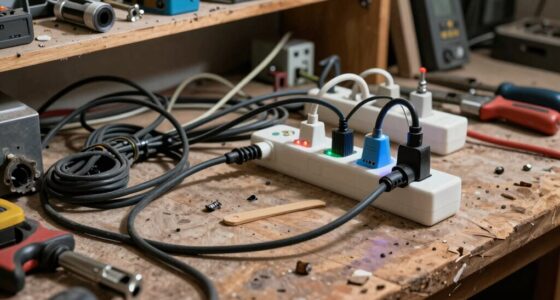
Proper workshop power planning is vital before purchasing big tools because it helps you guarantee your space can support their electrical needs safely and efficiently. By evaluating your workspace and power supply, you prevent hazards like overloads, fire risks, and accidents. Proper planning also ensures you have enough space for safe operation and easy tool access. If you want to make the most of your tools while keeping safety top priority, you’ll find valuable insights ahead.

Get backup power and energy gear delivered free — and shop member deals
- Fast, free delivery on millions of items
- Access to Prime Big Deal Days deals on October 6–7
- Prime Video, Amazon Music and more included
Key Takeaways
- Ensures the electrical system can safely support new large tools without overloads or hazards.
- Prevents workspace clutter and safety issues by planning tool placement and storage in advance.
- Confirms sufficient space and ventilation for safe operation and maintenance of big tools.
- Helps identify necessary safety features like emergency stops and proper grounding before purchase.
- Facilitates efficient workflow and productivity by integrating power needs into overall workshop layout.
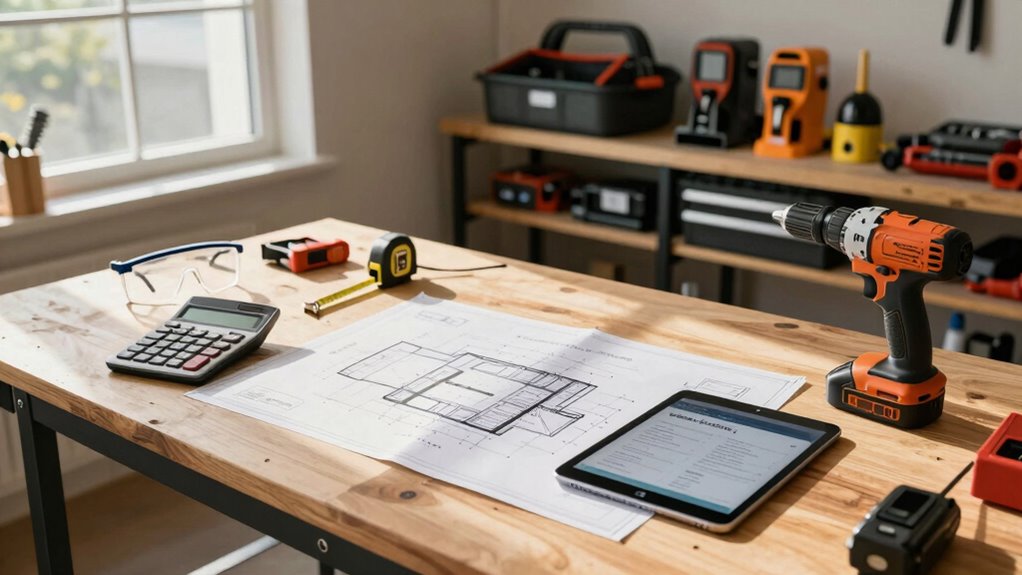
Have you ever wondered how to guarantee your workshop runs smoothly and efficiently? The key lies in proper workshop power planning before you delve into purchasing big tools. It’s tempting to focus on the specs and price tags, but without a clear plan, you risk cluttered tool storage and safety hazards that can slow down your projects. When you organize your workspace with a strategic approach, you not only improve productivity but also verify safety protocols are maintained, protecting yourself and others from accidents. Integrating AI-powered planning tools can help optimize your layout and tool placement for maximum efficiency. Start by evaluating your workspace and understanding your needs. Think about the types of projects you’ll be tackling, and identify the essential big tools that will make those tasks easier. Once you know what you need, plan out your tool storage options. Proper tool storage isn’t just about keeping things tidy; it’s about creating a system that allows quick access and minimizes clutter. When your tools are stored efficiently, you reduce the risk of accidents caused by tripping over misplaced equipment or trying to find the right tool in a mess. Wall-mounted racks, labeled drawers, and dedicated stations for power tools can streamline your workflow and keep safety protocols in check. Considering workplace organization strategies can further enhance overall safety and efficiency. Safety should always be your top priority, especially when working with large power tools. Before making any purchase, consider how each piece of equipment fits into your overall safety plan. Will it require special ventilation, dust collection, or noise control? Do you have enough space around the tool to operate it safely? Incorporating these considerations guarantees that your workshop remains a safe environment where accidents are less likely to happen. Additionally, think about safety features built into the tools themselves, such as emergency stop buttons or blade guards, and factor in their maintenance. Planning ahead also involves thinking about power supply logistics, ensuring your electrical system can support multiple large tools. A comprehensive safety checklist can help you systematically address potential hazards and ensure compliance with safety standards. Addressing these issues beforehand prevents power failures or fire hazards once you start working. It’s wise to create a checklist for safety protocols, including regular inspections, proper grounding, and personal protective equipment. Having these protocols in place before you begin assessing your setup ensures you’re ready to work safely from day one.
workshop electrical power distribution
As an affiliate, we earn on qualifying purchases.
As an affiliate, we earn on qualifying purchases.
Frequently Asked Questions
How Do I Estimate the Power Requirements for Future Projects?
To estimate power requirements for future projects, start by calculating the power load of each tool you’ll use. Add these loads together to find the total. Then, compare this total to your circuit capacity to guarantee your electrical system can handle the demand without overloads. It’s wise to include a margin for safety and future tool additions, preventing electrical issues and ensuring your workshop runs smoothly.
What Safety Measures Should I Consider During Power Planning?
You should prioritize safety gear like gloves, goggles, and ear protection during power planning to protect yourself from hazards. Additionally, establish clear emergency protocols, including accessible fire extinguishers and first aid kits, and verify everyone knows how to use them. Regularly inspect power sources and wiring to prevent accidents. Taking these precautions helps create a safer workshop environment, reducing risks associated with powerful tools.
How Can I Optimize Energy Usage in My Workshop?
To optimize energy usage in your workshop, focus on energy conservation by turning off tools when not in use and using energy-efficient equipment. Improve power efficiency by maintaining your tools regularly, ensuring they run smoothly without wasting energy. Use timers and smart power strips to manage power flow, and consider upgrading to energy-efficient motors. These steps help reduce energy costs and make your workshop more environmentally friendly.
What Are the Cost Implications of Upgrading Electrical Systems?
Upgrading your electrical system is like upgrading your armor—costs can be significant but necessary for safety and efficiency. You’ll face expenses for wiring, circuit breakers, and possibly new outlets, all to prevent electrical safety hazards and power surges. While initial costs seem high, investing now protects your tools and workspace long-term, reducing risks of damage and downtime, making the upgrade a smart, cost-effective move.
How Do I Ensure Compatibility Between Tools and Power Sources?
You guarantee compatibility between tools and power sources by checking each tool’s power requirements and matching them to your workshop’s electrical system. Look for tool compatibility by verifying voltage, amperage, and plug types. For power source integration, consider whether your outlets support the tool’s needs or if you need adapters or upgrades. Always consult the tool’s manual and a professional electrician to guarantee safe, efficient power source integration.
large power tool storage solutions
As an affiliate, we earn on qualifying purchases.
As an affiliate, we earn on qualifying purchases.
Conclusion
Planning your workshop power needs before buying big tools guarantees you avoid costly mistakes and creates a safe, efficient space. For instance, imagine investing in a large table saw without considering your electrical setup—it might not handle the load, causing delays or hazards. By evaluating your power supply ahead of time, you set yourself up for smooth projects and long-term satisfaction. Take the time to plan now, so your workshop becomes a place of productivity and safety.
As an affiliate, we earn on qualifying purchases.
As an affiliate, we earn on qualifying purchases.
Halloween Picks
halloween
As an affiliate, we earn on qualifying purchases.