Losing power in half your house usually points to a wiring problem, a tripped circuit breaker, or overload in that specific area. It’s a significant clue that there’s an underlying electrical fault that could become dangerous if ignored. You might notice flickering lights or outlets not working, which indicates damage or loose wiring. Addressing this early is vital to prevent fire hazards or further damage. Keep in mind, understanding what causes these issues can help you stay safe and get things fixed faster.

Get backup power and energy gear delivered free — and shop member deals
- Fast, free delivery on millions of items
- Access to Prime Big Deal Days deals on October 6–7
- Prime Video, Amazon Music and more included
Key Takeaways
- Power loss in half the house often indicates a tripped circuit breaker affecting specific circuits.
- It suggests wiring issues, such as damage, looseness, or short circuits within affected areas.
- Repeated tripping or flickering lights signal persistent electrical faults needing professional inspection.
- Overloaded circuits from high-wattage appliances can cause power loss in sections of the house.
- Ignoring these symptoms risks fire hazards, further damage, or complete system failure.
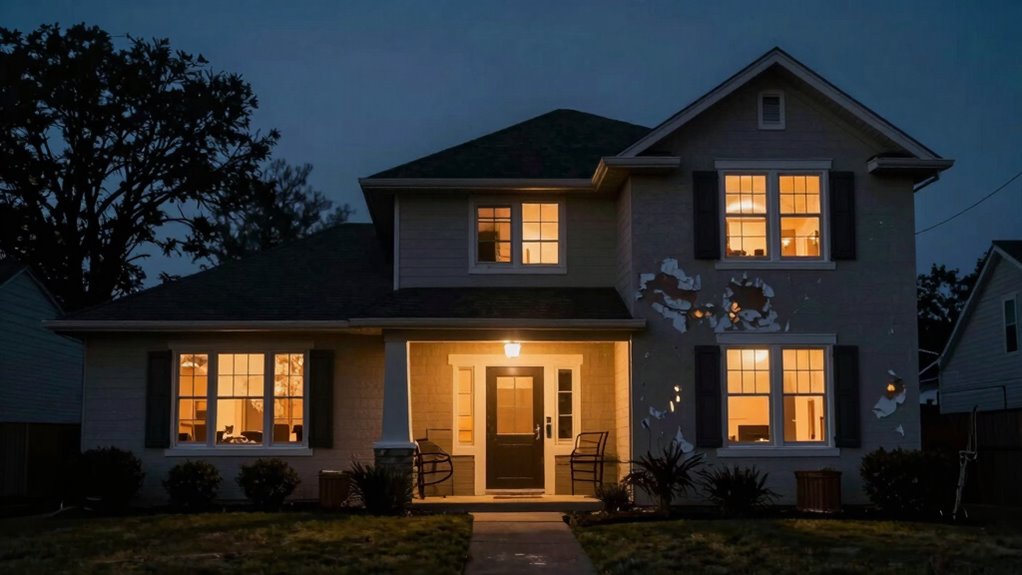
When half the house suddenly loses power, it’s more than just an inconvenience—it’s a vital clue that something may be wrong with your electrical system. This situation often points to issues with your electrical wiring or a malfunctioning circuit breaker. Your electrical wiring is responsible for delivering power throughout your home, and if it’s damaged, frayed, or overloaded, it can cause power disruptions in specific areas. You might notice flickering lights or outlets that refuse to work, especially if the wiring has become loose or corroded over time. These issues can sometimes be hidden behind walls, making them tricky to identify without professional help.
A common culprit behind half the house losing power is a problem with the circuit breaker. Circuit breakers are safety devices designed to trip when there’s an overload or a short circuit, preventing further damage or fire hazards. When a breaker trips, it cuts off power to a specific part of your house, leaving only certain circuits affected. If only one circuit breaker trips, you might see that only a portion of your home is without power, which is a clear sign that the breaker needs attention. Sometimes, the breaker may trip repeatedly due to persistent electrical faults, indicating an underlying problem that requires inspection.
In many cases, the issue stems from an overloaded circuit. Maybe you’ve recently added high-wattage appliances or multiple devices on the same outlet, which can strain the wiring and breaker system. Overloading increases the risk of overheating and short circuits, which can trip the breaker or cause damage to the wiring. If you notice this happening frequently, it’s a sign you need to redistribute your appliances or upgrade your electrical system to handle the load safely. Proper electrical wiring is essential for preventing these overloads and ensuring safe operation. Additionally, understanding the design of your electrical system can help in troubleshooting these issues effectively.
Another potential cause is a short circuit within the electrical wiring. Shorts can occur when wires touch or become damaged, creating a direct path for current to bypass the normal circuit. This can cause the breaker to trip instantly, protecting your home from a fire. If you have ongoing issues with power loss in part of your house, it’s crucial to have a licensed electrician inspect your wiring. They can identify faulty connections, damaged wires, or other hidden issues that you might not see. Regular electrical system inspections can help catch these problems before they escalate into dangerous situations.
In short, losing power in only part of your house isn’t a minor inconvenience; it’s a warning sign that your electrical wiring or circuit breaker may need urgent attention. Ignoring these symptoms can lead to more serious hazards, so it’s best to have a professional evaluate your electrical system promptly.
As an affiliate, we earn on qualifying purchases.
Frequently Asked Questions
Can a Power Outage Indicate an Impending Electrical Failure?
Yes, a power outage can indicate an impending electrical failure. If your electrical panel shows signs of circuit overload or frequent trips, it’s a warning sign. When half the house loses power, it suggests a problem with a specific circuit or the panel itself. You should have an electrician inspect your electrical panel and wiring to prevent future failures or potential hazards. Addressing these issues early can save you from costly repairs later.
How Does Wiring Age Affect Power Distribution in a House?
Wiring age markedly impacts power distribution in your home. As wiring deteriorates over time, it becomes more prone to faults, increasing the risk of circuit overloads and power outages. Old wiring may not handle modern electrical demands, leading to inconsistent power flow. Regular inspections can identify deterioration early, preventing larger issues. Upgrading aging wiring keeps your electrical system safe, efficient, and reliably distributing power throughout your house.
Are Certain Household Appliances More Likely to Cause Power Loss?
Certain household appliances are more likely to cause power loss due to appliance overload and circuit tripping. High-power devices like space heaters, hair dryers, and kitchen appliances draw significant current, which can overload circuits and trip breakers. If you notice power loss when using these appliances, it’s a sign that your electrical system may need upgrading or that you should avoid running multiple high-power devices simultaneously to prevent circuit tripping.
What Safety Precautions Should Be Taken During a Partial Power Outage?
During a partial power outage, you should prioritize generator safety by ensuring it’s in a well-ventilated area and away from windows. Always check your circuit breakers to identify any trips or faults, and reset them carefully if needed. Avoid overloading circuits, and unplug sensitive electronics to prevent damage. Stay cautious, follow safety guidelines, and never attempt electrical repairs yourself; call a professional if issues persist.
Can External Weather Conditions Impact the Entire House’s Power Supply?
External influences like weather impact your entire house’s power supply, much like a storm sweeping across a landscape. Heavy rain, lightning, or high winds can damage power lines or cause outages, affecting the whole home. Weather impact is significant because it can disrupt electrical systems beyond your control. Staying alert to weather conditions helps you prepare for potential power issues and safeguard your appliances and devices.
As an affiliate, we earn on qualifying purchases.
Conclusion
If half your house loses power, it’s a clear sign something’s wrong. Don’t ignore it—about 60% of electrical issues stem from faulty wiring or tripped breakers, both fixable with the right help. Recognizing this clue can save you from bigger, costlier problems down the line. Stay vigilant, get a professional inspection when needed, and keep your home safe. After all, addressing small issues early can prevent larger outages later.
As an affiliate, we earn on qualifying purchases.
As an affiliate, we earn on qualifying purchases.
Halloween Picks
halloween
As an affiliate, we earn on qualifying purchases.