
If your home lacks a neutral wire, installing a smart switch can be tricky because many models need this wire to work properly. You might find that your existing wiring doesn’t support these switches, or you’ll need a switch designed for no-neutral setups. Sometimes, adding a neutral wire requires professional help. To avoid issues later, understand your wiring and choose the right switch. Keep exploring to learn possible solutions that fit your wiring setup.
Key Takeaways
- Many older homes lack a neutral wire, complicating smart switch installation that requires neutral for proper operation.
- Some smart switches are designed to work without a neutral wire but may have limited features or require special wiring.
- Installing a neutral wire in existing wiring often involves professional help or complex rewiring.
- Confirm your home’s wiring and switch compatibility before purchasing or installing a smart switch.
- Alternative options include switches specifically made for no-neutral wiring or using smart bulbs instead.
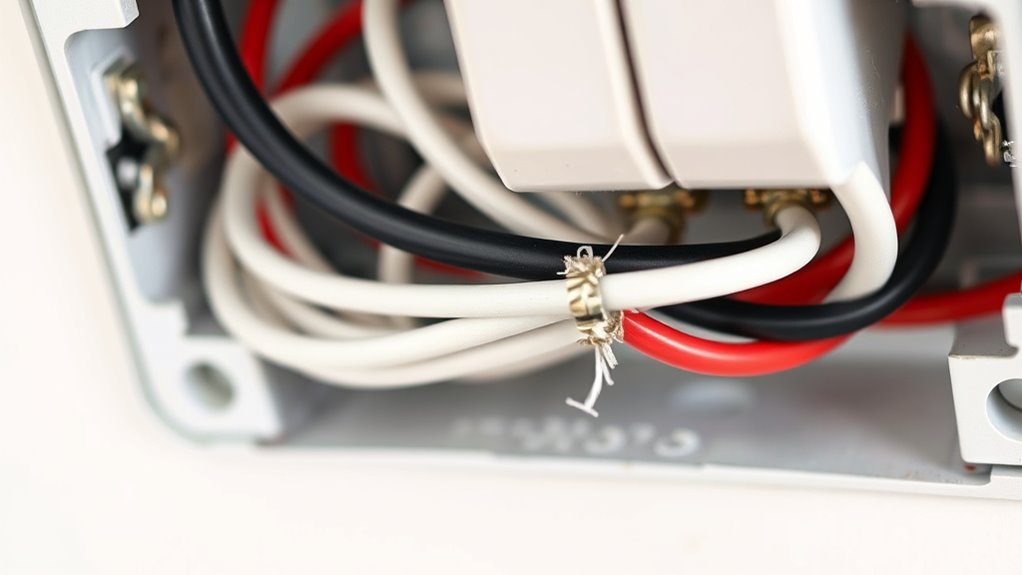
Installing a smart switch can seem complicated, but understanding the wiring process makes it manageable. One common challenge you might encounter is the neutral wire issue, especially when working with different wiring setups. Many older homes lack a neutral wire in the switch box, which can complicate your installation. Before you start, gather the right installation tools—like a voltage tester, wire strippers, and a screwdriver—to make the process smoother. These tools help you identify existing wiring and guarantee safety throughout the installation.
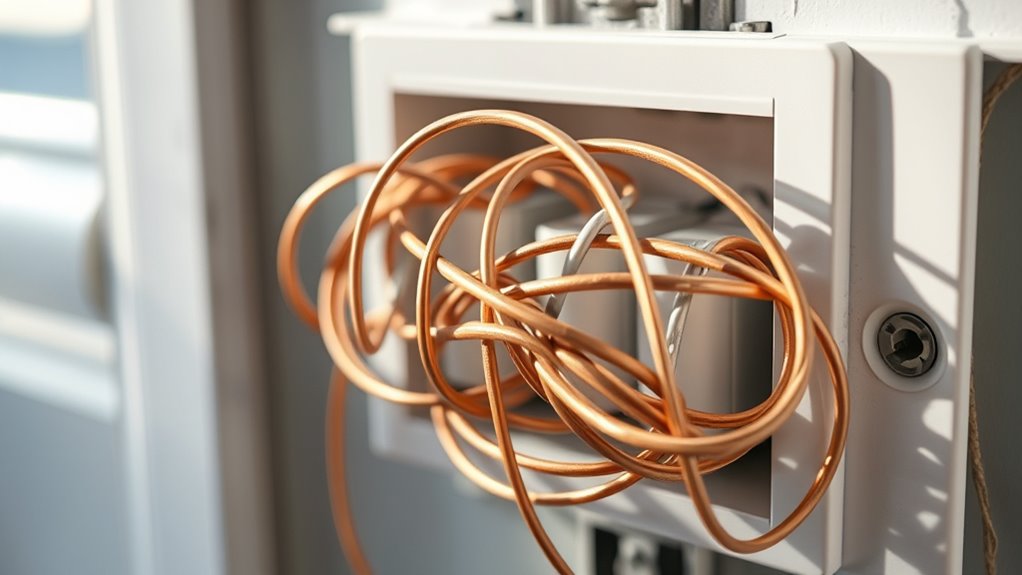
Many older homes lack a neutral wire, making smart switch installation more challenging.
Wireless compatibility is a vital factor when choosing a smart switch. Not all switches are designed to communicate seamlessly with your home Wi-Fi network or smart home hub. When wiring your switch, you want to verify it’s compatible with your existing system, especially if you plan to control your lights remotely or integrate with voice assistants. Check the product specifications for Wi-Fi or Zigbee/Z-Wave support, so you know your switch will connect easily. This compatibility often influences the wiring choices you make, especially in homes where neutral wires are absent.
If your switch box doesn’t have a neutral wire, installing a smart switch can be tricky. Many smart switches require a neutral wire to complete the circuit and function properly, which isn’t always available in older wiring setups. In these cases, you might need to look for switches specifically designed to operate without a neutral wire or consider alternative solutions like adding a neutral wire—something best handled by a professional if you’re unfamiliar with electrical work. While some smart switches claim to work without a neutral wire, they often have limitations or require specific wiring configurations. Understanding the electrical wiring requirements for your smart switch ensures you select the right device and avoid future issues.
When wiring your switch, guarantee you turn off the power at the breaker before handling any wires. Use your voltage tester to double-check that the circuit is dead. Once confirmed, connect the hot wire to the switch’s line terminal, and if available, connect the neutral wire to the switch’s neutral terminal—unless the switch is designed to operate without one. For switches that don’t need a neutral, follow the manufacturer’s instructions carefully to avoid wiring errors. After wiring, secure the switch in the box, restore power, and test its functionality. Many smart switches come with apps that guide you through setup, confirming wireless compatibility and proper operation.
Frequently Asked Questions
Can I Install a Smart Switch Without a Neutral Wire?
You can install a smart switch without a neutral wire, but be aware of common Neutral wiring misconceptions. Not all smart switches are compatible without a neutral; many require it to complete the circuit. Check the switch’s specifications before installation. Some models are designed to work without a neutral wire, so you just need to verify your setup matches the smart switch compatibility requirements. Always verify your wiring first.
What Are the Signs of a Neutral Wiring Issue?
Around 10% of home wiring issues involve neutral problems. You might notice flickering lights, frequent switches tripping, or a buzzing sound, which could indicate a neutral wiring issue. Check for a ground loop or inconsistent wiring color, like a white wire not connected properly. If you see corrosion or loose connections, these signs point to a neutral problem. Addressing these early prevents electrical hazards and guarantees your smart switch functions correctly.
How Does Neutral Wiring Affect Smart Switch Performance?
Neutral wiring issues can cause smart switches to malfunction due to ground loops and voltage fluctuations. When the neutral isn’t properly connected, you might experience flickering lights or delayed responses. These problems happen because the switch can’t maintain a stable voltage, leading to inconsistent operation. Ensuring a proper neutral connection helps prevent ground loops and voltage fluctuations, providing smoother, more reliable smart switch performance.
Is Neutral Wiring Necessary for All Smart Switches?
No, neutral wiring isn’t necessary for all smart switches, but it often helps prevent grounding issues and guarantees load compatibility. If a switch lacks a neutral wire, you might experience flickering or connectivity problems, especially with dimmers or advanced features. You should check your home’s wiring and the switch’s requirements. Installing a neutral wire can improve performance and reduce grounding issues, making your smart switch function more reliably.
Can Neutral Wiring Problems Cause Electrical Fires?
Yes, neutral wiring problems can cause electrical fires. A ground loop or voltage fluctuation from a loose or damaged neutral wire can lead to overheating, sparks, or short circuits. These issues disrupt the electrical flow, increasing fire risk. If your smart switch experiences flickering or inconsistent operation, it’s vital to inspect the neutral connection promptly, as unresolved problems can escalate and pose serious safety hazards.
Conclusion
Understanding the neutral wiring problem is like finding the missing piece of a puzzle—you can’t complete the picture without it. By ensuring the neutral wire is correctly connected, you’ll avoid flickering switches and potential electrical hazards. Think of your smart switch as a symphony conductor; when the wiring is right, everything plays in harmony. So, double-check those connections and keep your smart home running smoothly, brightening your day just like a well-tuned orchestra.