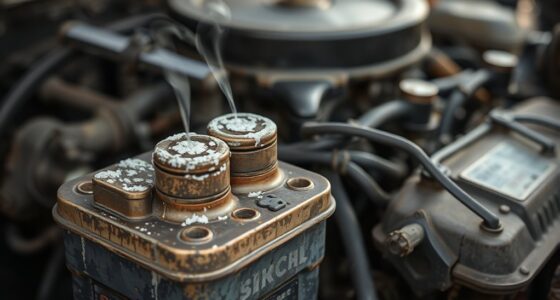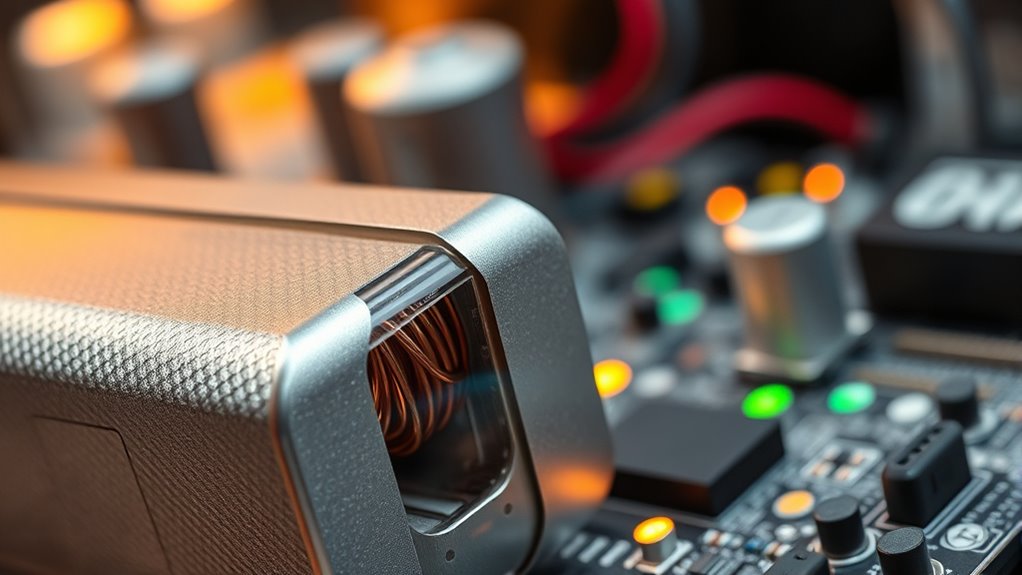

Inrush limiters safeguard your electronics by regulating the sudden surge of current that occurs when devices power on. They often employ thermistors that have high resistance when cold, restricting initial current, then heat up and permit normal flow once the system starts up. This prevents overheating, thermal stress, and damage to sensitive components. Understanding how inrush limiters function can help you guarantee your equipment remains safe and dependable—keep exploring to see how they do it.
Get ready for Prime Big Deal Days — try Prime free
Exclusive member deals on October 6–7, plus fast free delivery. Cancel anytime.
As an affiliate, we earn on qualifying purchases.
Key Takeaways
- They limit initial current surges during power-up, preventing damage to sensitive electronic components.
- Thermistors in inrush limiters heat up and reduce resistance, allowing normal operation after startup.
- They act as thermal safeguards, increasing resistance if overheating occurs to prevent thermal damage.
- By controlling inrush current, they reduce stress on power supplies and extend equipment lifespan.
- Overall, they ensure smooth, stable startup and protect electronics from power surge-related failures.
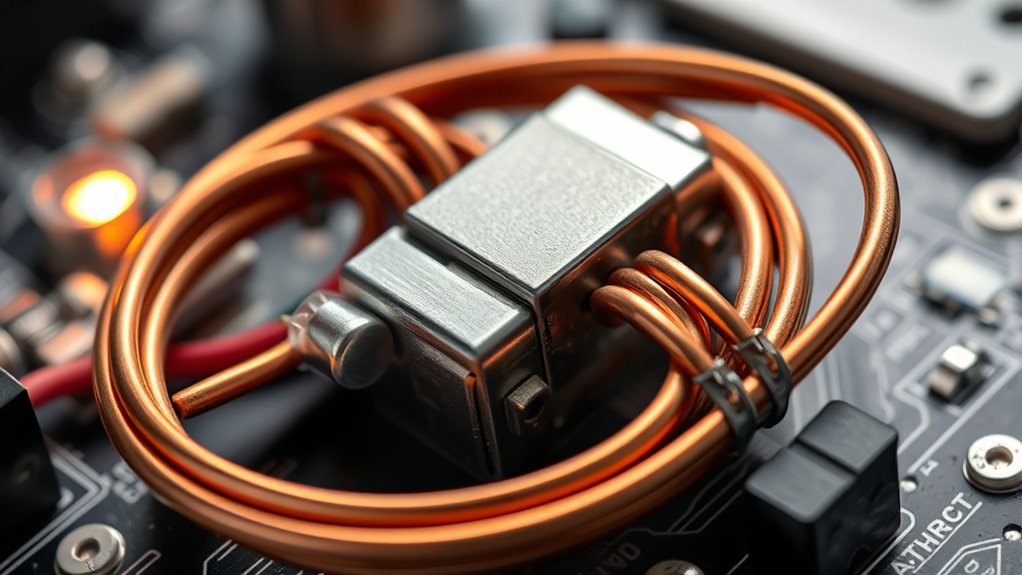
When electrical equipment powers up, it often draws a sudden surge of current that can damage components or cause system instability. This initial spike, known as inrush current, poses a significant risk to delicate electronics. Without proper management, this power surge can lead to overheating, component failure, or even system shutdowns. That’s where inrush limiters come into play—they act as a safeguard during startup, controlling that initial current and protecting your devices from harm.
Inrush limiters protect electronics by controlling startup current spikes and preventing damage.
Inrush limiters work by temporarily restricting the amount of current flowing into a circuit during power-up. They often use components like thermistors, which have a high resistance when cold but decrease as they heat up, allowing current to flow more freely once the system stabilizes. This thermal protection feature ensures that the limiter responds dynamically to temperature changes, reducing the risk of overheating or thermal stress on both the limiter and the connected components. By moderating the inrush current, they prevent power surges from overwhelming sensitive parts, extending the life of your electronics. Proper selection of inrush limiters according to your system’s specifications is essential for optimal protection and performance.
You’ll find inrush limiters in a wide range of applications, from motor drives and power supplies to consumer electronics and industrial machinery. Their primary role is to soften the impact of the power surge that occurs when equipment is first turned on, ensuring the electrical system starts smoothly without sudden stress on components. This not only protects individual parts but also enhances overall system reliability. When the device reaches steady-state operation, the inrush limiter’s resistance drops, allowing normal current flow without restrictions, so your equipment functions efficiently without unnecessary limits.
Thermal protection is a key aspect of many inrush limiters, especially thermistor-based types. As they heat up due to current flow, their resistance decreases, which helps maintain a safe operating temperature. If the temperature gets too high, some limiters will increase resistance or shut down temporarily, preventing damage from overheating. This built-in thermal response acts as an extra layer of safety, ensuring that the limiter itself doesn’t become a point of failure or cause thermal stress elsewhere in the circuit. Understanding the thermal behavior of inrush limiters is crucial for designing safe and reliable electronic systems.
In essence, inrush limiters are essential components that safeguard your electronics from the damaging effects of power surges during startup. They help maintain system stability, avoid thermal damage, and prolong the lifespan of your equipment. By controlling inrush current with features like thermal protection, they enable your devices to start smoothly and operate reliably, giving you peace of mind knowing your electronics are shielded from the potentially destructive effects of sudden electrical spikes.
inrush current limiter thermistor
As an affiliate, we earn on qualifying purchases.
As an affiliate, we earn on qualifying purchases.
Frequently Asked Questions
Can Inrush Limiters Be Used With DC Circuits?
Yes, inrush limiters can be used with DC circuits. They offer DC compatibility by controlling the initial current surge when powering up. You should consider how they integrate into your circuit, ensuring proper placement and specifications. Using an appropriate inrush limiter helps prevent damage and prolongs component life, making them a valuable addition to your DC applications. Always verify the device’s compatibility with your specific voltage and current requirements.
What Are the Typical Lifespan and Durability of Inrush Limiters?
Think of inrush limiters like sturdy bridges over a busy river—they’re built to last. Typically, their lifetime longevity ranges from 5 to 20 years, depending on durability factors like temperature, current spikes, and operating conditions. You’ll find that high-quality limiters maintain durability through many power cycles, but exposure to harsh environments can shorten their lifespan. Regular maintenance guarantees they keep protecting your electronics effectively over time.
How Do Environmental Conditions Affect Inrush Limiter Performance?
Environmental conditions critically influence your inrush limiter’s performance. Thermal effects, like high temperatures, can cause overheating and reduce lifespan, while cold environments may affect its material properties. Humidity impacts performance by promoting corrosion and electrical leakage. To guarantee ideal protection, keep your inrush limiters within recommended temperature ranges and control humidity levels, preventing moisture buildup and maintaining reliable operation over time.
Are There Any Safety Standards for Inrush Limiter Installation?
Yes, safety standards for inrush limiter installation are strict. About 85% of industrial accidents involve electrical components, highlighting the importance of compliance. You need to follow safety regulations and adhere to testing protocols to guarantee proper installation. These standards help prevent equipment damage and protect personnel. Always check that your inrush limiter meets relevant certifications, like UL or IEC, and conduct thorough testing before operation to ensure safety and reliability.
How Do I Choose the Right Inrush Limiter for My Application?
You should select an inrush limiter based on your application’s thermal considerations, guaranteeing it can handle the surge current without overheating. Check the size and form factor to fit your device’s design. Consider the voltage and current ratings, and match these with your circuit’s specifications. Additionally, evaluate the limiter’s lifespan and compatibility with safety standards to ensure reliable, safe operation over time.
electronic inrush current protector
As an affiliate, we earn on qualifying purchases.
As an affiliate, we earn on qualifying purchases.
Conclusion
Think of inrush limiters as the calm guardians at your electronics’ gate, gently holding back a rushing flood of current. They’re the silent shield that keeps chaos from crashing your system’s party, ensuring smooth sailing instead of a storm. Without them, your devices are like fragile boats caught in a raging tide. By protecting your electronics, inrush limiters act as the steady hand steering you safely through the turbulent waters of power surges.
As an affiliate, we earn on qualifying purchases.
As an affiliate, we earn on qualifying purchases.
Fall Picks
fall essentials
As an affiliate, we earn on qualifying purchases.