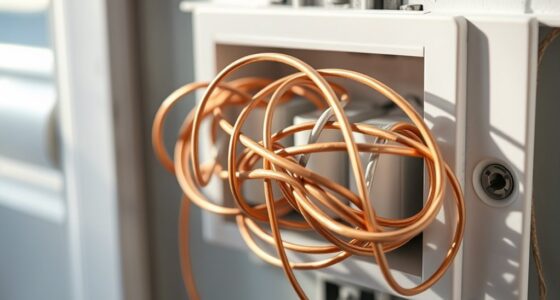

To prevent dangerous heat buildup, you should follow the wire gauge rule that matches the wire size to the electrical load, ensuring the current can flow safely without overheating. Thicker wires with lower gauge numbers are suited for higher currents, while thinner wires handle lower loads. Proper gauge selection minimizes heat and protects insulation, reducing electrical hazards. Paying attention to environmental factors and material quality is also essential for safety. Keep going to discover more about maintaining safe wiring practices.

Get backup power and energy gear delivered free — and shop member deals
- Fast, free delivery on millions of items
- Access to Prime Big Deal Days deals on October 6–7
- Prime Video, Amazon Music and more included
Key Takeaways
- Selecting the appropriate wire gauge based on current load prevents excessive heat buildup.
- Thicker wires (lower gauge numbers) safely carry higher currents, reducing overheating risk.
- Proper gauge sizing minimizes resistance, which decreases heat generated during operation.
- Adhering to wire gauge safety rules ensures insulation remains intact and prevents overheating.
- Accurate load calculations guide correct gauge selection, maintaining safe operating temperatures.

When working with electrical wiring, understanding the wire gauge safety rule is essential to prevent overheating and guarantee safe operation. Choosing the correct wire gauge ensures that the electrical current flows efficiently without causing excess heat, which can lead to fires or equipment failure. The wire gauge safety rule emphasizes that thicker wires, with lower gauge numbers, are capable of carrying higher currents safely, while thinner wires are suitable only for lower current loads. Ignoring this rule can result in wire overheating, damaging insulation properties, and risking electrical hazards.
Choosing the correct wire gauge prevents overheating and ensures safe, efficient electrical operation.
The insulation properties of the wire play a crucial role in safety. High-quality insulation prevents electrical shorts and reduces the risk of accidental contact, which can cause shocks or fires. When selecting wire gauge, you also need to consider the insulation’s ability to withstand heat generated during operation. Proper gauge sizing minimizes heat buildup, protecting both the insulation and the conductor itself. Overheating can degrade insulation, decreasing its effectiveness and increasing the chance of electrical faults. Additionally, advancements in insulation technologies are continually enhancing the safety and performance of electrical wiring systems. Recognizing the importance of insulation properties helps ensure that the wiring remains safe under various operating conditions. Understanding how insulation materials respond to different environmental factors, such as temperature fluctuations and moisture exposure, is also critical to maintaining long-term safety. Incorporating innovative insulation materials can further improve the durability and safety of wiring in challenging environments.
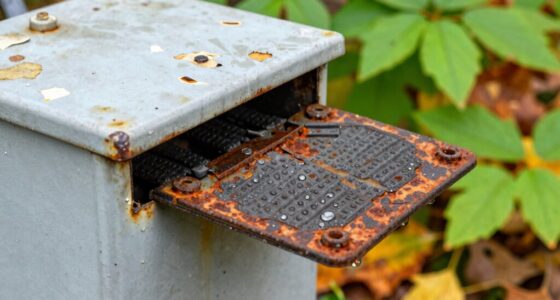
Corrosion resistance is another vital factor when considering wire gauge and material. Wires exposed to moisture, chemicals, or harsh environments must have corrosion-resistant coatings or be made of corrosion-resistant materials like copper or aluminum alloys. These materials help maintain electrical conductivity over time, ensuring safety and reliability. Using the correct gauge wire with corrosion resistance properties prevents premature failure caused by corrosion, which can increase resistance and heat, jeopardizing safety.
Adhering to the wire gauge safety rule also involves understanding load calculations. You need to match the wire size precisely to the electrical load it will carry. Undersized wires can overheat because they can’t handle the current, leading to insulation damage and potential fire hazards. Oversized wires, while safer in terms of heat, can be unnecessarily costly and difficult to work with. Accurate calculations and adherence to the gauge rule ensure that your wiring system remains safe, efficient, and compliant with electrical standards. Staying informed about emerging trends in wire materials and insulation technologies is essential, as innovations continue to improve the safety and efficiency of electrical systems. In essence, the wire gauge safety rule is about balancing the current capacity with the wire’s insulation properties and corrosion resistance. Properly sized wires prevent heat buildup, protect insulation integrity, and sustain corrosion resistance over time. By following this rule, you reduce the risk of dangerous heat accumulation, electrical failures, and safety hazards. Always prioritize selecting the correct gauge based on your load requirements and environmental conditions. Doing so not only keeps your wiring safe but also promotes long-term durability and peace of mind. Being aware of material advancements can help you make more informed choices when upgrading or installing new wiring systems.
As an affiliate, we earn on qualifying purchases.
Frequently Asked Questions
How Does Wire Gauge Affect Electrical Resistance?
You’ll find that a smaller wire gauge means thicker wire, which lowers electrical resistance. Conversely, a larger gauge number indicates thinner wire, increasing resistance. When resistance is higher, more heat is generated as electricity flows through the wire, which can be dangerous. So, choosing the right wire gauge helps control resistance, prevents overheating, and guarantees safe, efficient electrical performance. Always select the proper gauge for your specific electrical needs.
What Materials Are Safest for High-Current Wiring?
Did you know copper makes up about 60% of all electrical wiring worldwide? When choosing materials for high-current wiring, you want options with excellent insulation durability and corrosion resistance. Copper is a top choice because it’s highly durable and resists corrosion, ensuring safety and longevity. Aluminum is an alternative but requires thicker gauges for the same current capacity. Always select materials that maintain integrity under high heat and exposure.
Can Improper Gauge Selection Cause Fire Hazards?
Yes, choosing the wrong wire gauge can cause fire hazards by overheating and melting insulation. When you select an improper gauge, it can compromise connection reliability, leading to increased resistance and heat buildup. To prevent this, make certain your wiring uses the appropriate gauge for your insulation types and current demands. Always follow electrical codes and standards to maintain safety, avoiding potential fire risks caused by inadequate wire sizing.
How Often Should Wiring Be Inspected for Safety?
You should inspect your wiring annually to guarantee safety. Think of it like checking the durability of insulation—over time, wear and tear can lead to issues. During inspections, verify insulation durability and connector compatibility, preventing potential hazards. If you notice frayed wires or loose connections, address them immediately. Regular inspections keep your system safe, much like a routine health check, ensuring your wiring remains reliable and fire hazards stay at bay.
Are There Regional Standards for Wire Gauge Use?
Yes, regional regulations often set specific standards for wire gauge use to guarantee safety and compatibility. You should check local electrical codes, as they dictate gauge compatibility based on your area’s requirements, load capacity, and safety standards. Always follow regional standards to prevent overheating and ensure your wiring system complies with legal and safety regulations. This helps avoid potential hazards and ensures your wiring is appropriate for your electrical needs.
high heat resistant electrical wiring
As an affiliate, we earn on qualifying purchases.
As an affiliate, we earn on qualifying purchases.
Conclusion
By choosing the right wire gauge, you’re like a skilled chef selecting the perfect knife—each tool guarantees safety and precision. I once helped a friend upgrade his home wiring, and his lights stopped flickering after he followed the gauge rules. Remember, ignoring these guidelines is like ignoring a recipe’s measurements—it can lead to dangerous heat buildup. Stick to the safety rule, and you’ll keep your home safe, just like a perfectly cooked meal.
As an affiliate, we earn on qualifying purchases.
insulated electrical wire for outdoor use
As an affiliate, we earn on qualifying purchases.
As an affiliate, we earn on qualifying purchases.
Halloween Picks
halloween
As an affiliate, we earn on qualifying purchases.