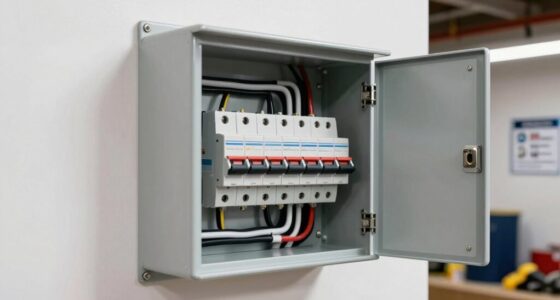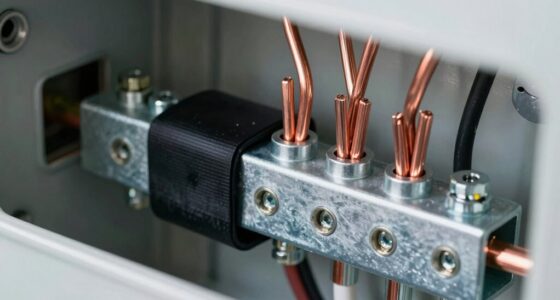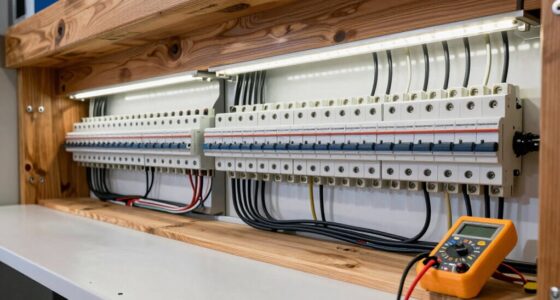
To splice aluminum conductors safely, always apply a proper anti-oxidant compound to prevent corrosion from moisture and air exposure. Use a torque wrench to tighten connectors to the manufacturer’s specified torque, ensuring a secure, oxidation-resistant connection without damaging the conductor. Proper cleaning and careful handling are essential for a reliable splice. Following these steps can improve durability and safety—continue exploring for detailed tips to perfect your splicing technique.
Play games included with Prime
Start a Prime free trial and play with Amazon Luna on your devices.
As an affiliate, we earn on qualifying purchases.
Key Takeaways
- Always apply a high-quality anti-oxidant paste or grease to aluminum conductors before splicing to prevent corrosion.
- Use a calibrated torque wrench to tighten connectors to manufacturer specifications, ensuring secure and corrosion-resistant connections.
- Properly clean and strip conductors to remove dirt and oxidation, avoiding damage that can compromise connection integrity.
- Follow safety protocols by wearing protective gear and ensuring tools are suitable for electrical work during splicing.
- Select connectors designed for aluminum wiring to enhance durability and reduce oxidation over the lifespan of the splice.
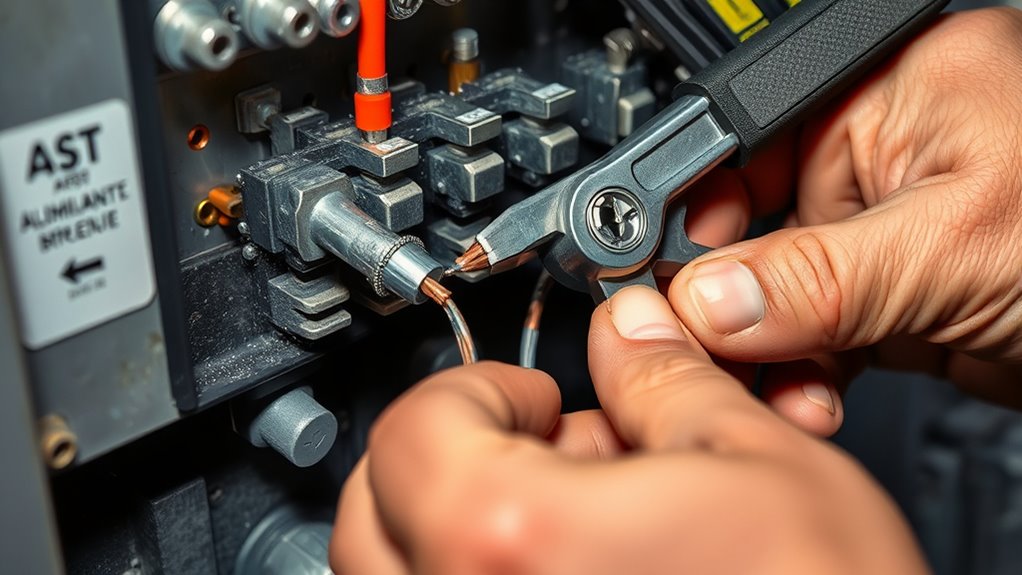
Splicing aluminum conductors requires careful attention to safety and proper techniques to prevent failures and hazards. Aluminum is more prone to issues like connector corrosion, which can compromise the integrity of your electrical connections over time. To avoid this, using the right anti-oxidant compound is essential. Applying a quality anti-oxidant paste or grease before making the connection helps inhibit oxidation and reduces the risk of corrosion. This step is essential because aluminum naturally reacts with moisture and air, forming a layer of corrosion that can cause increased resistance and eventual failure. Properly prepared connectors and conductors, combined with anti-oxidant, ensure long-lasting, reliable splices.
Another essential aspect is making sure you tighten your connections with the proper torque. Over-tightening can deform or damage the aluminum, weakening the connection, while under-tightening can leave it loose, leading to increased resistance, overheating, or arcing. Using a calibrated torque wrench is the best way to achieve consistent, correct tension on your connectors. Always refer to the manufacturer’s specifications for the recommended torque values, as these are designed to optimize the connection without risking damage. Applying the correct torque also minimizes the chances of connector corrosion, as a snug, properly torqued connection limits exposure to moisture and air infiltration, which accelerates oxidation. Remember, a connection that is too loose or too tight can be a failure point down the line.
When splicing aluminum conductors, it’s also important to choose the right connectors designed specifically for aluminum wiring. These connectors often feature materials and coatings that resist corrosion and facilitate proper torque application. Make sure to clean the conductors thoroughly before splicing, removing any dirt, oxidation, or debris that could interfere with the connection. Use a wire stripper to prepare the ends carefully, avoiding nicking or damaging the conductors. Once the conductors are inserted into the connector, tighten with a torque wrench to the specified value, ensuring the connection is solid and secure. Proper torque application is crucial for maintaining electrical integrity and safety.
Throughout the process, maintain focus on safety protocols—wear gloves, eye protection, and make sure your tools are in good condition. Properly managing connector corrosion and applying the correct torque are simple yet critical steps to guarantee your aluminum splices are safe, durable, and compliant with electrical codes. Taking these precautions helps prevent future failures, reduces maintenance costs, and guarantees the safety of your electrical system for years to come.
Frequently Asked Questions
What Are the Common Signs of Faulty Aluminum Conductor Splices?
You’ll notice signs of faulty aluminum conductor splices through increased resistance, which causes overheating and potential sparks. Look for visible corrosion, discoloration, or oxidation around the splice, as these indicate corrosion risks and possible splice failure. Loose or broken connectors, unusual buzzing sounds, or voltage drops also signal issues. Address these early to prevent further damage or electrical failure, ensuring your system remains safe and efficient.
How Do Temperature Changes Affect Aluminum Conductor Splicing?
Temperature changes profoundly impact your aluminum conductor splicing. When it gets hot, thermal expansion causes the conductor to expand, which can loosen your splice over time. Conversely, cooler temperatures lead to conductor contraction, potentially causing gaps or increased resistance at the splice point. To guarantee safety and reliability, you must account for these fluctuations by applying proper torque and using anti-ox compounds, maintaining a secure, conductive connection despite temperature variations.
Are There Specific Tools Recommended for Safe Splicing?
Like a trusty Swiss Army knife, proper tool selection is essential for safe splicing. You should use specialized tools such as wire strippers for insulation removal, ensuring you don’t damage the conductor. Insulation removal requires precision, so avoid makeshift tools. Invest in high-quality crimpers and torque tools to apply the correct pressure, preventing oxidation and ensuring a solid connection. These tools make the process safer, easier, and more reliable.
What Maintenance Practices Ensure Splice Longevity?
You should regularly inspect your splices for signs of corrosion or damage, ensuring protective coatings remain intact. Use proper insulation techniques during installation to prevent moisture ingress, which can degrade the connection. Applying protective coatings helps ward off oxidation, extending splice life. Keep maintenance records, clean connections, and reapply coatings as needed. Properly tightened and insulated splices resist environmental factors, ensuring long-term reliability and safety of your aluminum conductor connections.
How Do Environmental Conditions Impact Splice Safety?
Environmental elements easily influence splice safety, especially through corrosion resistance and moisture intrusion. You should regularly inspect for corrosion, which weakens connections, and prevent moisture from infiltrating splices to avoid oxidation and deterioration. By proactively protecting against moisture intrusion and ensuring strong, secure connections, you maintain splice safety despite fluctuating weather conditions and environmental challenges. Consistent care helps sustain conductivity and prevents costly failures.
Conclusion
By following anti-oxidation and torque procedures, you markedly reduce the risk of electrical failures. Did you know that improper splicing can lead to up to 30% more heat build-up, increasing fire hazards? Ensuring proper techniques keeps your connections safe and reliable. Remember, a well-executed splice not only protects your equipment but also saves you time and money in the long run. Stay diligent, and your aluminum conductors will perform safely and efficiently.
Evergreen bestsellers Picks
bestsellers
As an affiliate, we earn on qualifying purchases.