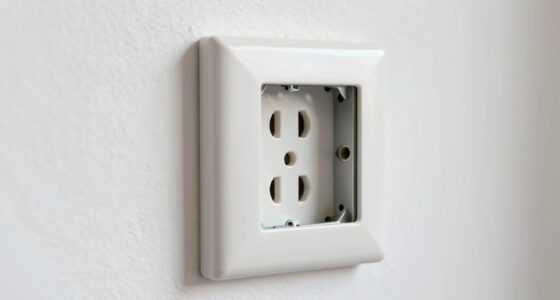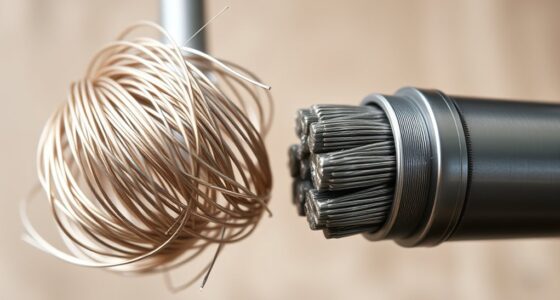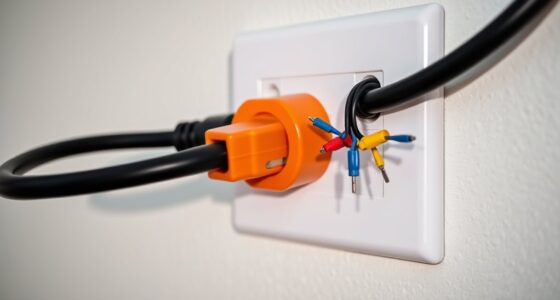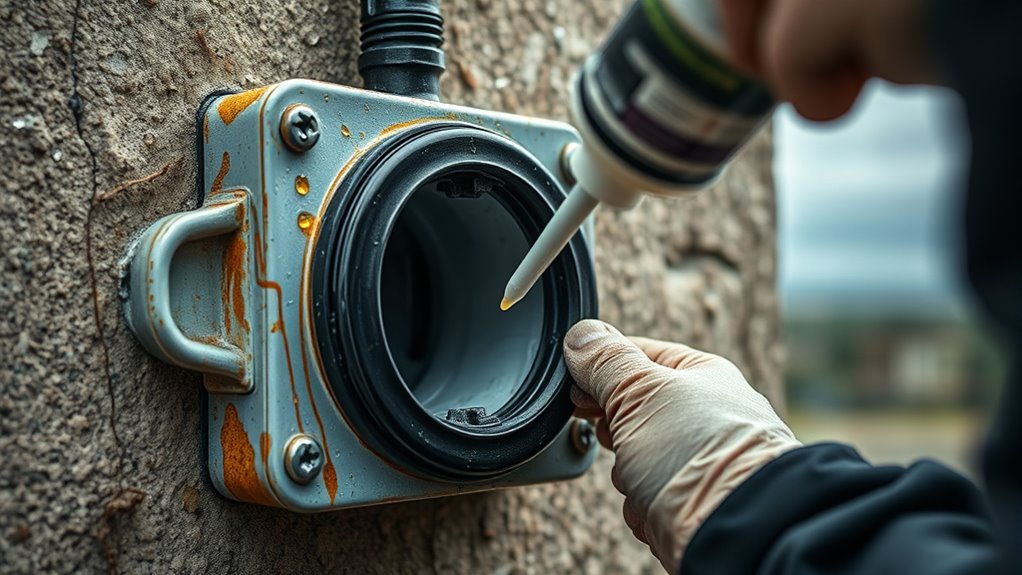

To keep water out of boxes when weatherproofing penetrations, you should use high-quality sealants that fill all gaps completely and prevent moisture entry. Choose corrosion-resistant cable glands suited to outdoor conditions and make sure they are properly fitted to match cable sizes. Before sealing, clean all surfaces thoroughly, then apply the sealant evenly around the penetration, allowing it to cure fully. Mastering these steps helps ensure long-lasting protection—if you focus on the details, you’ll find trusted methods to safeguard your enclosures.
Listen free for 30 days with Audible
Thousands of audiobooks and originals — cancel anytime.
As an affiliate, we earn on qualifying purchases.
Key Takeaways
- Use appropriate sealants to completely fill gaps around penetrations, preventing moisture entry.
- Select corrosion-resistant cable glands suited for outdoor or harsh environments.
- Properly size glands to ensure a snug fit around cables, reducing water infiltration risks.
- Clean surfaces thoroughly before applying sealant for a durable, waterproof seal.
- Allow sealants to cure fully before exposing the enclosure to weather conditions.

Weatherproofing penetrations is vital to prevent water intrusion and protect your building’s structure. When cables, pipes, or conduits pass through walls, floors, or panels, they create potential entry points for moisture, which can lead to corrosion, electrical faults, or structural damage. Properly sealing these penetrations is essential in maintaining the integrity of your building and ensuring safety. You need to focus on effective sealant application, which involves choosing the right materials and applying them correctly to create a tight, durable barrier against water. The goal is to fill gaps completely and avoid any cracks or voids that could allow moisture to seep in over time.
One of the key steps in weatherproofing penetrations is selecting the appropriate cable gland. Cable gland selection plays a significant role because these fittings are designed to secure and seal cables passing through enclosures or walls. When choosing a cable gland, consider factors like environmental conditions, cable size, and the type of enclosure. For outdoor or exposed environments, opt for glands made from corrosion-resistant materials such as brass with a protective coating or UV-rated plastics. These materials withstand harsh weather and prevent deterioration that might compromise the seal. Also, ensure the gland size matches your cable diameter to maintain a snug fit—this reduces gaps where water could infiltrate.
Applying sealant correctly is just as important as selecting the right gland. After installing the cable gland, you should apply a high-quality, weatherproof sealant around the gland’s entry point and any other penetrations. Use a sealant compatible with the enclosure material, whether it’s metal or plastic, and ensure it’s rated for outdoor use. Proper application involves cleaning the surface thoroughly before applying the sealant to ensure good adhesion. Squeeze the sealant evenly around the joint, filling all gaps and ensuring a continuous, smooth bead. Avoid over-application, which can cause excess material to squeeze out and potentially create pathways for water if not cleaned properly. Once applied, give the sealant adequate time to cure as per manufacturer instructions before exposing the penetration to weather.
Frequently Asked Questions
What Are the Best Sealants for Outdoor Electrical Boxes?
You should use high-quality sealant types like silicone, polyurethane, or butyl rubber for outdoor electrical boxes. These sealants offer excellent weather resistance and flexibility. When applying, make certain surfaces are clean and dry, and apply a generous bead around all openings and seams. Smooth the sealant with a tool or finger for a tight seal, and check regularly for cracks or wear to maintain waterproofing.
How Often Should Weatherproofing Be Inspected and Maintained?
Have you checked your weatherproofing lately? You should inspect your outdoor electrical box at least once a year and after heavy storms. Regular inspection frequency helps catch any damage early. Maintain your weatherproofing by replacing worn seals, tightening fittings, and applying sealant as needed. Are your seals still effective? Staying proactive with maintenance tips guarantees water stays out, protecting your electrical system and extending its lifespan.
Can Weatherproofing Materials Be Reused After Removal?
Yes, weatherproofing materials can sometimes be reused after removal, but it depends on their reuse potential and durability. If the materials are flexible, undamaged, and still adhere well, you can often reuse them effectively. However, if they’ve become brittle, torn, or compromised, it’s best to replace them to ensure proper sealing and protection. Always inspect materials carefully before reusing to maintain the integrity of your weatherproofing.
Are There Specific Codes or Standards for Weatherproofing Penetrations?
Yes, there are specific building codes and industry standards for weatherproofing penetrations. You should follow local building codes, which often specify materials and methods to guarantee water resistance. Industry standards from organizations like the ASTM and UL provide guidelines for proper sealing and flashing techniques. Adhering to these codes and standards helps you maintain the integrity of your weatherproofing, preventing water intrusion and protecting your building’s interior.
How Do Temperature Changes Affect Weatherproofing Effectiveness?
Temperature changes can impact weatherproofing effectiveness by causing thermal expansion and contraction of materials. As temperatures fluctuate, sealants may lose their elasticity or crack, reducing their durability. You should select sealants designed to withstand wide temperature ranges and regularly inspect seals for signs of wear. Proper installation and choosing high-quality, temperature-resistant materials help maintain a reliable barrier against water infiltration despite seasonal or daily temperature shifts.
Conclusion
Think of weatherproofing your penetrations like sealing a boat’s hull before a storm. Just as a tiny crack can let in water and sink a vessel, a small leak in your electrical box can cause big problems. By properly sealing those penetrations, you’re safeguarding your equipment from water damage and costly repairs. Remember, a little extra effort now keeps you dry and worry-free—just like waterproofing a boat guarantees it stays afloat in rough seas.
Fall Picks
fall essentials
As an affiliate, we earn on qualifying purchases.