If your breaker trips randomly, it might be due to overloads, short circuits, or ground faults. Damaged wiring, frayed cords, or faulty appliances can also cause unpredictable trips. Loose connections and worn-out breakers can make trips happen without warning. Moisture in outlets or high humidity might be a factor too. To prevent these issues, you need to understand what’s causing the trips—keep going to learn more about how to fix and avoid them.
Key Takeaways
- An overloaded circuit draws more current than the breaker’s capacity, causing it to trip randomly.
- Short circuits occur when wiring contacts neutral or ground unexpectedly, triggering trips.
- Ground faults happen when current leaks to ground, especially in damp areas, causing the breaker to trip.
- Faulty or worn-out breakers can trip unpredictably due to internal damage or aging.
- Loose or corroded wiring connections can cause arcing, leading to random breaker trips.
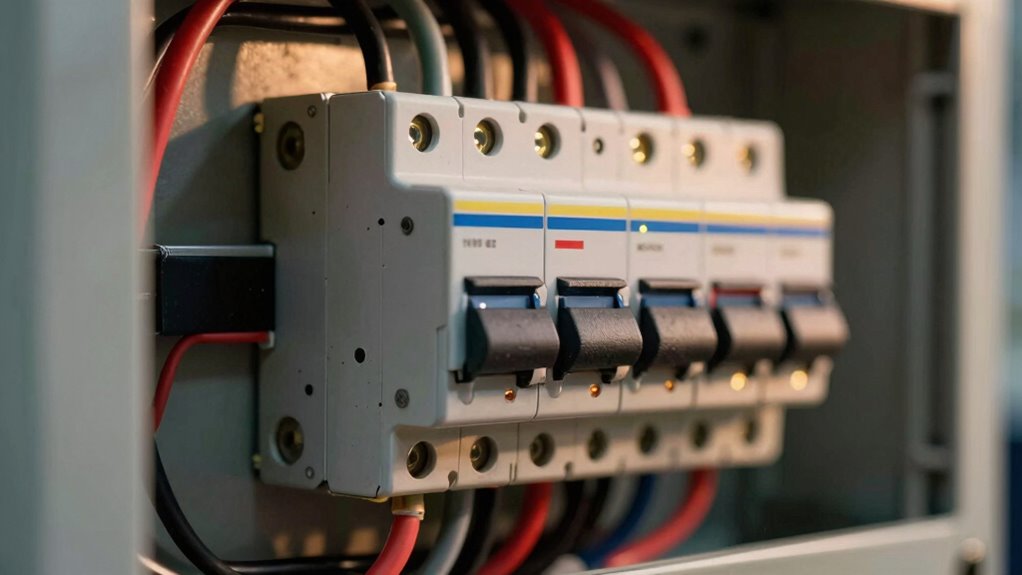
Breaker tripping can be a frustrating sign that something’s wrong with your electrical system. When this happens, it’s easy to feel confused or worried, but it’s often a protective measure designed to keep you safe. The main reason your breaker trips unexpectedly is usually related to electrical safety. Your circuit breaker is there to prevent damage to your wiring and appliances, and to protect you from potential electrical hazards. When it trips, it’s serving as a safeguard, alerting you to an underlying issue that needs attention.
Breaker trips are safety measures to protect your home’s electrical system and prevent hazards.
One common cause of random breaker trips is circuit overload. This occurs when too many devices or appliances draw power through the same circuit, exceeding its designed capacity. For example, running a space heater, microwave, and several lights all on one circuit can easily overload it. When the circuit becomes overloaded, the breaker trips to stop the flow of excess current, preventing overheating and potential fires. You might notice this happening during specific times when multiple high-power devices are in use, or when adding new appliances to a particular circuit. Sometimes, electrical safety features activate to prevent damage or danger. Ensuring your circuits are properly balanced and not overloaded can help reduce these issues. Additionally, regularly inspecting your wiring and appliances can help identify early signs of overloads or faults.
Other times, breaker trips happen because of a short circuit. This occurs when a hot wire touches a neutral or ground wire, creating a direct path for current to bypass the normal circuit. Short circuits are serious and can cause sparks, burning smells, or even fires if not addressed promptly. Usually, they happen due to damaged wiring, frayed cords, or faulty appliances. If your breaker trips immediately after plugging in a device, suspect a short circuit.
Ground faults can also cause your breaker to trip randomly. A ground fault happens when current escapes from the wiring and contacts the ground, which can happen if wiring insulation is damaged or if moisture gets into outlets. Ground fault circuit interrupters (GFCIs) are designed to trip quickly in these situations to prevent electrical shock, especially in damp areas like bathrooms or kitchens. Additionally, issues like poor wiring connections can lead to inconsistent breaker trips that require professional inspection. Recognizing these issues early can prevent more serious electrical problems down the line, and understanding the importance of proper wiring can help maintain safety.
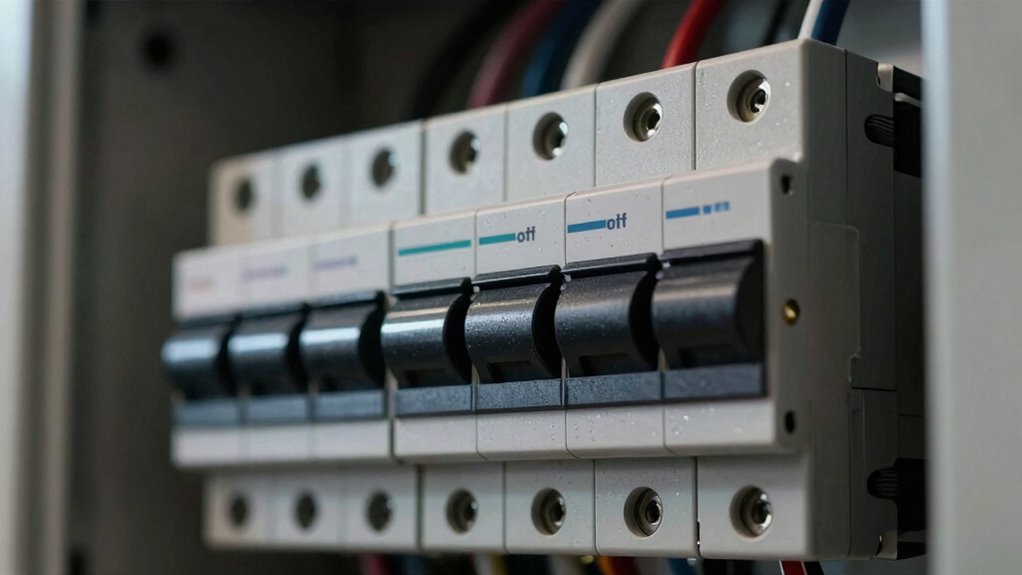
Sometimes, breaker trips are caused by faulty breakers themselves or loose wiring connections. Over time, breakers can wear out or become damaged, causing them to trip without a clear overload or short circuit. Loose connections can create arcing, which also trips the breaker and can be dangerous. If you notice frequent trips, it’s a good idea to have a professional inspect your electrical panel to ensure everything is in proper working order. Regular maintenance and inspections can help identify wiring issues before they lead to more severe hazards.

Klein Tools ET310KIT AC Circuit Breaker Finder Kit, Electric Tester, GFCI Tester, Leads, Adapters and Case
ACCURATE CIRCUIT BREAKER IDENTIFICATION: Quickly locate the correct breaker with precision using the transmitter and receiver of the…
As an affiliate, we earn on qualifying purchases.
As an affiliate, we earn on qualifying purchases.
Frequently Asked Questions
Can a Faulty Appliance Cause Breaker Trips?
Yes, a faulty appliance can cause breaker trips. When an appliance has an overload or a short circuit, it draws excessive current, which can trip the breaker to prevent damage. Faulty wiring within the appliance or your home’s electrical system can also trigger trips. Always unplug suspicious appliances and have a professional inspect your wiring to identify and fix the underlying issue, ensuring safety and preventing future trips.
How Often Should I Reset a Tripping Breaker?
You should reset a tripping breaker only after addressing the cause. If it trips again, it’s time to call an electrician. Avoid resetting repeatedly, as it signals circuit overload or ground fault. Each reset risks overheating wiring or damaging devices. Instead, turn off appliances, reduce load, and check for ground faults. Reset the breaker once you’ve fixed the problem, then monitor for further issues to keep your electrical system safe.
Does Weather Affect Breaker Performance?
Yes, weather can affect breaker performance. Electrical surges caused by lightning or power fluctuations during storms can trip your breaker unexpectedly. Moisture intrusion from rain or humidity can also lead to short circuits or corrosion inside electrical components, making the breaker trip more often. To prevent issues, make sure your electrical system is properly sealed and consider installing surge protectors, especially during extreme weather conditions.
Can Old Wiring Lead to Breaker Trips?
Old wiring can be like a worn-out road—prone to bumps and hazards. When your electrical panel detects issues, it often trips the breaker to prevent damage. Over time, aging wiring becomes less reliable, increasing the risk of circuit overloads. This can cause your breaker to trip randomly, as it tries to protect your home from potential electrical fires or damage. Regular inspections help catch these issues early.
Is It Safe to Keep Resetting a Tripping Breaker?
It’s generally unsafe to keep resetting a tripping breaker. Frequent resets due to circuit overload or breaker wear can hide underlying issues, risking electrical fires or damage. Instead, turn off the affected circuit and consult a professional electrician. They can identify if worn breakers or overloaded circuits are causing the trips, ensuring your system’s safety and preventing potential hazards. Never ignore repeated breaker trips; safety always comes first.
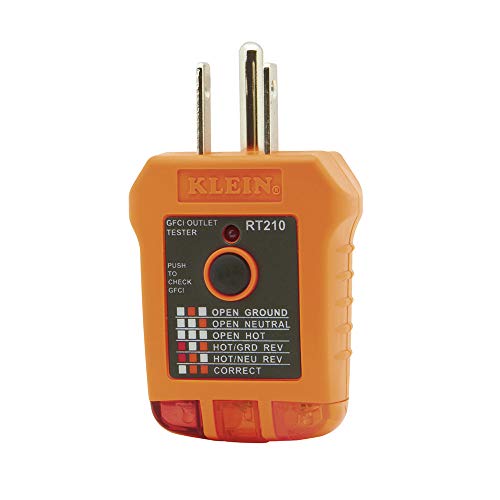
Klein Tools RT210 Outlet Tester, Receptacle Tester for GFCI / Standard North American AC Electrical Outlets, Detects Common Wiring Problems
EFFECTIVE GFCI WIRING PROBLEM DETECTION: GFCI Tester detects common wiring problems in standard and GFCI receptacles, ensuring electrical…
As an affiliate, we earn on qualifying purchases.
As an affiliate, we earn on qualifying purchases.
Conclusion
When your breaker trips unexpectedly, it’s like a warning shot from your home’s heart, signaling underlying issues that need attention. Ignoring these sparks can turn small flickers into a raging fire, risking damage and danger. Think of it as your home’s way of saying, “Hey, something’s off.” By addressing the cause, you’re not just fixing a trip—you’re restoring harmony and keeping your sanctuary safe from hidden storms. Listen closely, and your home will always have your back.

Dreyoo Circuit Breaker Finder Adapter Accessory Kit, Circuit Breaker Leads Tester with Clips, Light Socket, 3-2 Prong Grounding Outlet Adapter and Carrying Case Compatible with ET300 ET310 (Upgrade)
Breaker Finder Accessory Kit: The package includes 1 piece clip adapter, 1 piece light socket adapter, 1 piece…
As an affiliate, we earn on qualifying purchases.
As an affiliate, we earn on qualifying purchases.

Klein Tools RT390 Circuit Analyzer with Large LCD, Identifies Wiring Faults, GFCI and AFCI Tester, Voltage Drop, Displays Trip Time
CLEAR COLOR LCD DISPLAY: Circuit Analyzer with large color LCD provides easy-to-understand results for wiring faults, AFCI, GFCI,…
As an affiliate, we earn on qualifying purchases.
As an affiliate, we earn on qualifying purchases.