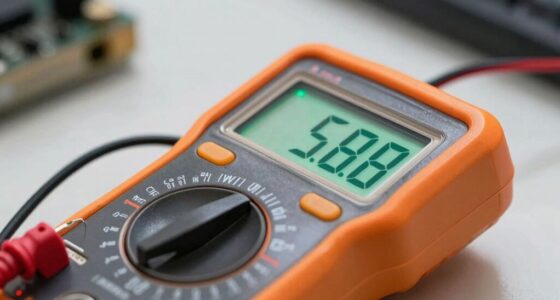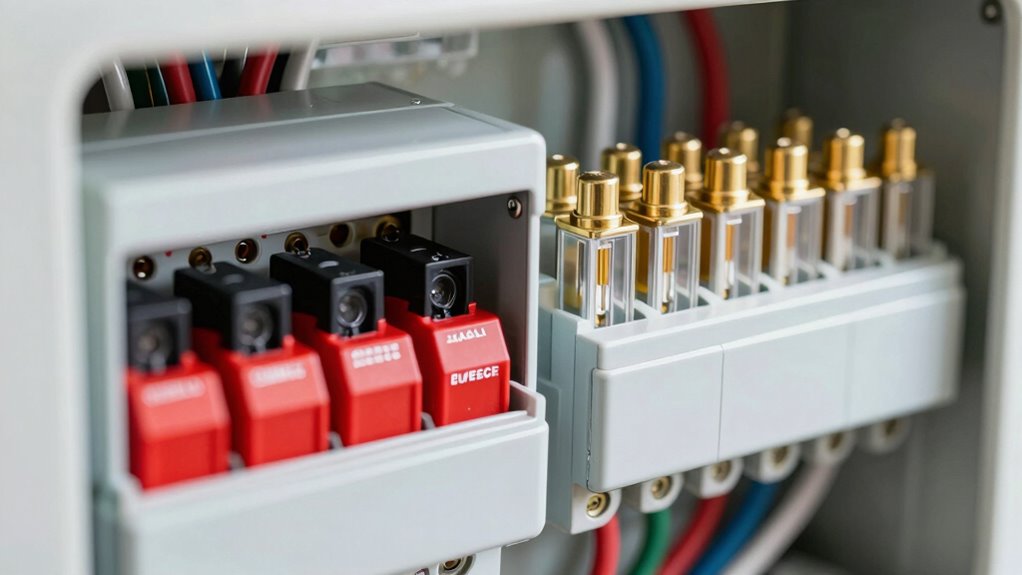

As a homeowner, it’s crucial to understand how to safely disconnect your battery system to prevent accidents and property damage. Always turn off the main power before using your battery disconnect switches or fuses, and familiarize yourself with their locations and functions. Wear protective gear and handle batteries carefully, especially during maintenance. Properly managing fuses helps prevent overcurrent and fires. If you want to guarantee your system stays safe and reliable, there are important details you should know.

Get backup power and energy gear delivered free — and shop member deals
- Fast, free delivery on millions of items
- Access to Prime Big Deal Days deals on October 6–7
- Prime Video, Amazon Music and more included
Key Takeaways
- Always turn off the main power before accessing or operating battery disconnect switches.
- Locate and familiarize yourself with system components, including disconnects and fuse locations.
- Wear protective gear and ensure proper ventilation when handling batteries.
- Use correct fuse types and ratings, and never bypass or ignore fuse warnings.
- Regularly inspect and maintain safety components to prevent electrical hazards.
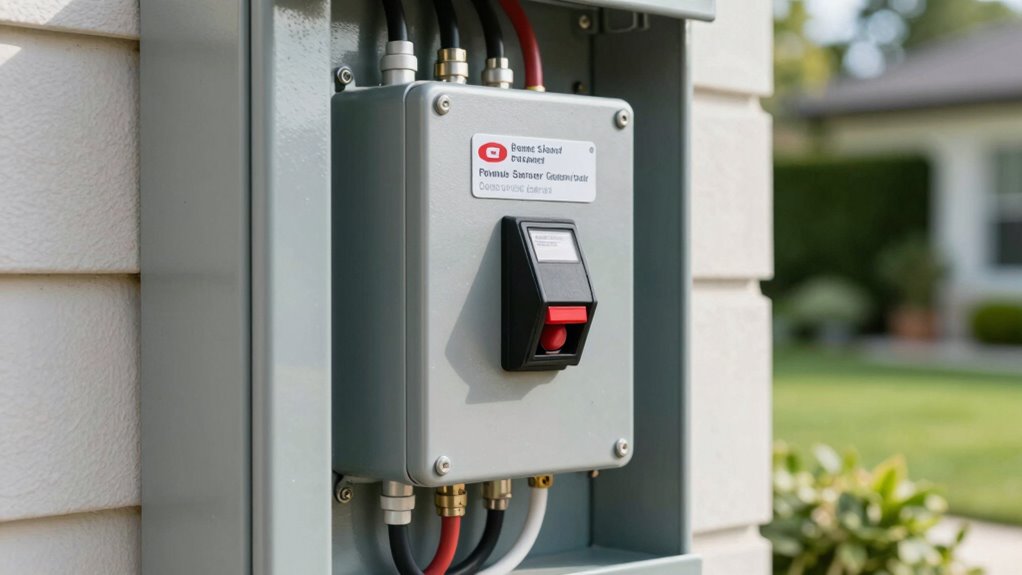
When it comes to managing home energy systems, understanding how and when to use battery disconnects is essential for safety and maintenance. As a homeowner, you need to recognize that proper battery safety practices can prevent accidents and equipment damage. Battery disconnect procedures are crucial in ensuring that energy systems are safely shut down before performing any maintenance or repairs. Ignoring these procedures can lead to electrical shocks, fires, or damage to your batteries and other components.
Proper battery disconnects are vital for safe maintenance and preventing electrical hazards.
First, familiarize yourself with your home’s energy system layout, including the location of battery disconnect switches or fuses. These devices are designed to isolate the batteries from the rest of your electrical system, making it safe to work on or inspect the batteries without risking injury or short circuits. When you plan to perform maintenance, always turn off the main power supply and then activate the battery disconnect. This step minimizes the risk of electrical shock and prevents unintended power flow, which could cause sparks or damage. Proper knowledge of your system components is vital for safe operation.
Battery safety isn’t just about disconnecting power; it also involves handling batteries properly. Always wear protective gear like gloves and safety glasses when working around batteries, especially lead-acid types that can produce hazardous gases. Keep the area well-ventilated, and avoid sparks or flames nearby, as batteries can emit flammable gases during operation or charging. Regularly inspecting your batteries and disconnecting them during extended absences or maintenance ensures that potential issues are identified early and mitigated. Additionally, understanding the importance of fuse protection within your system can prevent overcurrent situations that might cause hazards. Proper knowledge of your system’s components, including battery disconnects, is vital for safe operation.
Knowing the correct disconnect procedures also means understanding the importance of fuses within your system. Fuses act as safety devices to protect against overcurrent situations, which can cause overheating or fires. When you need to disconnect a fuse, do so carefully following the manufacturer’s instructions. Replacing blown fuses with the correct type and rating is vital for maintaining safety and system integrity. Never bypass or ignore fuse warnings, even if it seems convenient—they’re there to prevent dangerous situations. Maintaining awareness of system safety components can significantly reduce the risk of accidents or damage during maintenance.
As an affiliate, we earn on qualifying purchases.
Frequently Asked Questions
How Often Should Battery Disconnects Be Inspected or Maintained?
You should inspect and maintain your battery disconnects at least once a year to guarantee ideal battery longevity. Regular checks help identify corrosion, loose connections, or wear that could compromise safety or performance. Following a consistent maintenance schedule not only extends your battery’s lifespan but also prevents potential electrical issues. Make it a routine to clean and tighten connections, and replace any damaged components promptly to keep your system running smoothly.
Are There Specific Safety Precautions for Handling Battery Disconnects?
Think of handling battery disconnects like handling delicate glassware—you need care and respect. For battery safety, always wear protective gloves and eye gear, and disconnect power before working. Handling precautions include avoiding sparks, ensuring proper ventilation, and keeping tools insulated. By treating battery disconnects with caution, you prevent accidents and protect yourself from electrical hazards, ensuring both your safety and the longevity of your system.
Can Battery Disconnects Be Installed DIY, or Should Professionals Be Used?
You should generally opt for professional assistance when installing battery disconnects, as DIY installation can be risky without proper electrical knowledge. While some experienced homeowners might handle basic tasks, working with high-voltage systems poses safety hazards. Hiring a licensed electrician guarantees correct installation, adherence to safety standards, and prevents potential damage or accidents. Always prioritize safety and professional help over DIY efforts for battery disconnects, especially in complex or high-capacity systems.
What Are the Signs of a Failing Battery Fuse or Disconnect?
You’ll notice signs of a failing battery fuse or disconnect if your battery’s lifespan shortens unexpectedly, or if you experience electrical issues like dimming lights or equipment not functioning. Corrosion or visible damage may also appear. If these signs show up, it’s time for fuse replacement or checking the disconnect. Ignoring these issues can lead to more serious electrical problems, so address them promptly to keep your system running smoothly.
How Do Battery Disconnects Impact Home Insurance or Warranty Coverage?
Battery disconnects can influence your home insurance or warranty coverage, especially regarding battery liability and insurance claims. If a disconnect fails and causes damage, insurers might deny claims, citing improper maintenance or setup. Properly installed disconnects can safeguard your system, but neglecting them could lead to costly coverage issues. With over 60% of solar-related claims involving battery systems, understanding their impact helps protect your investment and guarantees smooth insurance processing.
As an affiliate, we earn on qualifying purchases.
Conclusion
Now that you understand the importance of battery disconnects and fusing, the real question is—are you prepared for what might happen if you overlook them? A simple oversight could lead to unexpected hazards or costly repairs. Take the time to make certain your system is safe and properly protected. Because in the end, the true power lies in your hands—will you act now or wait until it’s too late? The choice is yours.
battery safety gloves and glasses
As an affiliate, we earn on qualifying purchases.
As an affiliate, we earn on qualifying purchases.
home electrical fuse replacement
As an affiliate, we earn on qualifying purchases.
As an affiliate, we earn on qualifying purchases.
Fall Picks
fall essentials
As an affiliate, we earn on qualifying purchases.