TL;DR

Get backup power and energy gear delivered free — and shop member deals
- Fast, free delivery on millions of items
- Access to Prime Big Deal Days deals on October 6–7
- Prime Video, Amazon Music and more included
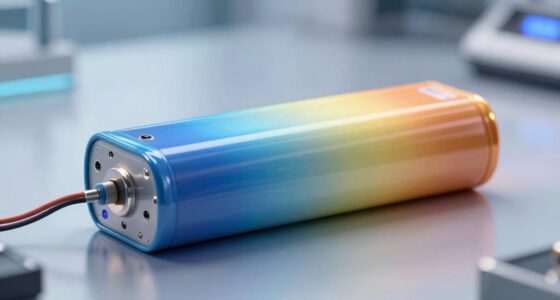
Frankfurt-based Revolta AG has secured support from Hesse under the European Regional Development Fund for a residential sodium-ion AC battery project. The proposed system would charge from the grid when electricity prices and grid fees are low, then return power when prices are higher; its capacity, price and launch date have not been disclosed.
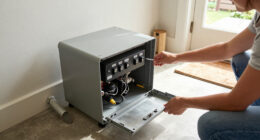
German startup Revolta AG has secured European Regional Development Fund support from the state of Hesse to develop a grid-charging sodium-ion battery for homes. The proposed alternating-current system is designed to store electricity bought from the grid when prices and grid fees are low and feed it back when prices are higher, offering a potential storage option for households without solar panels.
Hesse’s register of ERDF beneficiaries lists Revolta’s “Highly Efficient AC Salt Battery” project with eligible costs of €660,545 and a 40% EU co-financing rate, equivalent to about €264,200. The project is scheduled to run from Aug. 1, 2026, through Dec. 31, 2029. Those figures describe the project’s eligible costs and EU co-financing; they do not establish the battery’s eventual retail price or total development budget.
Revolta says the planned device will connect directly to the electricity grid and charge when power prices and grid fees are low. It is intended to supply electricity back later when prices are higher. The company is targeting smaller rental apartments and other homes without their own photovoltaic systems, a group that may have fewer options for pairing household battery storage with rooftop solar.
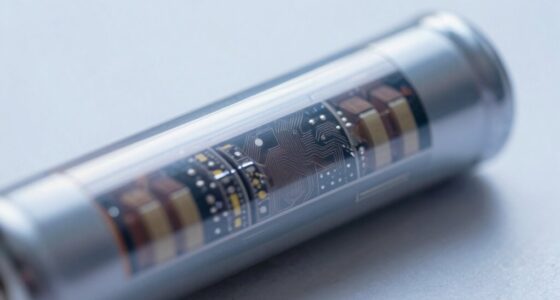
The project uses sodium-ion cells, which do not require lithium or cobalt, according to the source report. Revolta has not disclosed the planned battery’s storage capacity, power rating, consumer price or expected launch date. The grant supports development, but the available information does not establish that a finished product is ready for sale.
Storage for Homes Without Solar
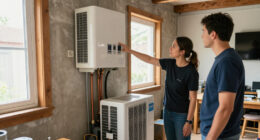
The project targets a gap in the home-storage market: households that cannot install solar panels may still want to shift electricity use toward cheaper periods. If the proposed system can charge and return power as described, it could give some renters and apartment residents a way to respond to time-varying electricity prices without generating their own power. Whether that is practical will depend on the finished unit’s cost, performance and the tariffs available to customers.
The timing also aligns with a change in Germany’s rules for storage. According to the source report, on Oct. 1 the country’s grid regulator adopted rules that allow storage systems to draw electricity from the grid and feed it back later, with lower levies and grid fees on the power returned. The rules apply to systems without their own generation, addressing a regulatory condition relevant to Revolta’s target market. The grant announcement alone does not show how much the new rules will reduce bills for an individual household.
Sodium-ion chemistry is another part of the project’s relevance. Avoiding lithium and cobalt may broaden the range of materials used in stationary batteries, but the source material provides no product-level data on efficiency, lifespan, safety, or cost. Those measures will be necessary to judge the system against existing home batteries.
home grid-charging sodium-ion battery
As an affiliate, we earn on qualifying purchases.
As an affiliate, we earn on qualifying purchases.
Revolta’s Earlier Battery Work
Revolta is based in Frankfurt and has already developed a sodium-ion home battery aimed at households with solar panels. The company launched that high-voltage product in July, according to the source report. The new grant concerns a different configuration: an AC battery intended to charge from the grid and serve customers who do not have their own photovoltaic installation.
The company also holds a €124,940 grant from Germany’s Federal Environmental Foundation for an AC battery project running from September 2025 to September 2027. The report does not specify how that award relates to the Hesse-supported project, including whether the two efforts fund separate work packages or overlap in technical development.
The ERDF is also supporting sodium-ion battery manufacturing in Germany. The report says Moll Batterien secured €22.17 million in public funding for a planned 1 GWh plant in Lichtenfels, Bavaria, including €2.52 million from the ERDF. That is a separate project and does not confirm that Revolta will source cells from the plant.
“The project has eligible costs of €660,545 and a 40% EU co-financing rate.”
— Hesse’s ERDF beneficiary register, as reported by Energy Storage
As an affiliate, we earn on qualifying purchases.
Product Specs and Launch Still Unknown
Revolta has not announced the battery’s capacity, power rating, price or launch date. It is also unclear when the company expects to complete a working system, what testing will be required before sales, or whether households will be able to access electricity tariffs that make grid charging and later discharge financially worthwhile.
The reported grant figures describe eligible project costs and public co-financing, not a guaranteed final product budget or a commitment to manufacture a specific number of batteries. No evidence in the source material establishes expected savings, efficiency, battery life, safety performance or the system’s effect on household bills. The relationship between this project and Revolta’s existing environmental foundation grant is also not specified.
home energy storage system without solar panels
As an affiliate, we earn on qualifying purchases.
As an affiliate, we earn on qualifying purchases.
Development Through 2029
The Hesse-funded project is scheduled to continue through Dec. 31, 2029, following its listed start date of Aug. 1, 2026. The next public milestones to watch for are technical specifications, prototype or test results, a price and a planned sales date. The source report does not give a timetable for any of those announcements.
For prospective buyers, the German rules adopted Oct. 1 provide relevant regulatory context, but the financial case will depend on how the rules are applied, available tariffs and the device’s eventual performance and purchase cost. Until Revolta releases those details, the grant confirms support for development—not a market-ready battery or a defined level of household savings.
As an affiliate, we earn on qualifying purchases.
Key Questions
What is Revolta developing?
Revolta is developing an alternating-current sodium-ion home battery that can charge from the electricity grid. The company says it is designed to charge when prices and grid fees are low and return power when prices are higher.
Who is the battery intended for?
The project is aimed at smaller rental apartments and households without solar panels. It could offer a storage option to residents who cannot pair a battery with their own rooftop photovoltaic system, although the product’s availability and suitability have not been confirmed.
How much funding is involved?
Hesse’s ERDF beneficiary register lists €660,545 in eligible project costs and a 40% EU co-financing rate, equivalent to about €264,200. These are project-funding figures, not the planned retail price of the battery.
When will the battery go on sale?
No launch date has been announced. Revolta has also not disclosed the system’s capacity, power rating or price. The funded project is listed as running through Dec. 31, 2029.
What is not yet known about household savings?
The source material gives no estimate of bill savings, efficiency or battery life. The financial case will depend on the finished system’s cost and performance, electricity tariffs and how Germany’s grid-storage rules affect the charges on a household’s power use.
Source: rss
Halloween Picks
halloween
As an affiliate, we earn on qualifying purchases.