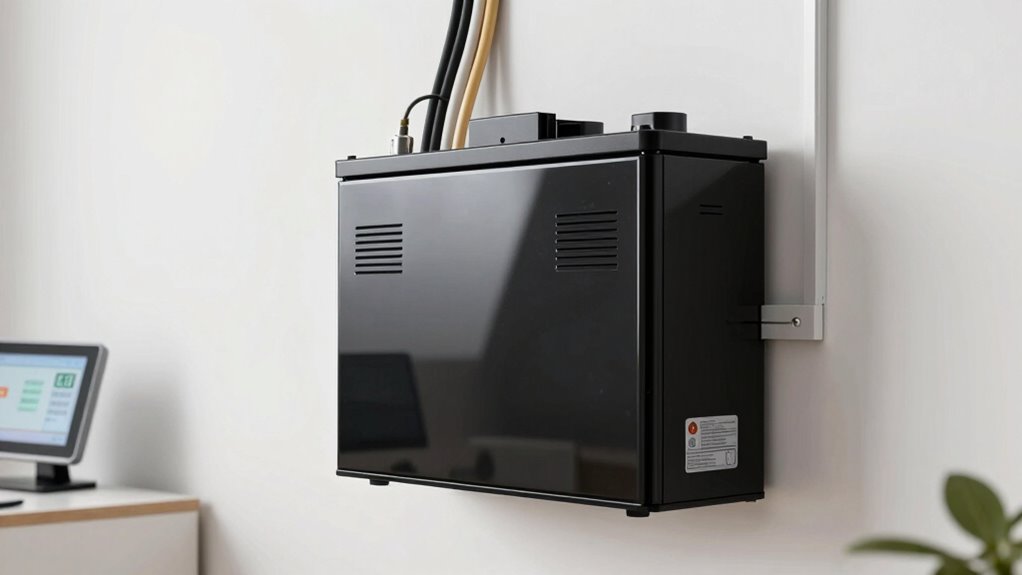

Battery safety planning matters because it helps you prevent fires, property damage, and system failures. Proper maintenance, installation by certified professionals, and following safety standards reduce risks linked to overheating, leaks, or overloading. Knowing how your batteries work and implementing safety measures protects you and your loved ones. By staying proactive, you guarantee a reliable home energy system. Keep exploring to discover more ways to keep your system safe and efficient.

Get backup power and energy gear delivered free — and shop member deals
- Fast, free delivery on millions of items
- Access to Prime Big Deal Days deals on October 6–7
- Prime Video, Amazon Music and more included
Key Takeaways
- Prevents fire risks and accidents caused by damaged or mishandled batteries.
- Ensures reliable power supply through proper maintenance and safety protocols.
- Reduces hazards by following installation standards and safety guidelines.
- Protects property and loved ones by managing heat, overcharging, and discharging risks.
- Maintains system dependability through ongoing inspections and safety awareness.
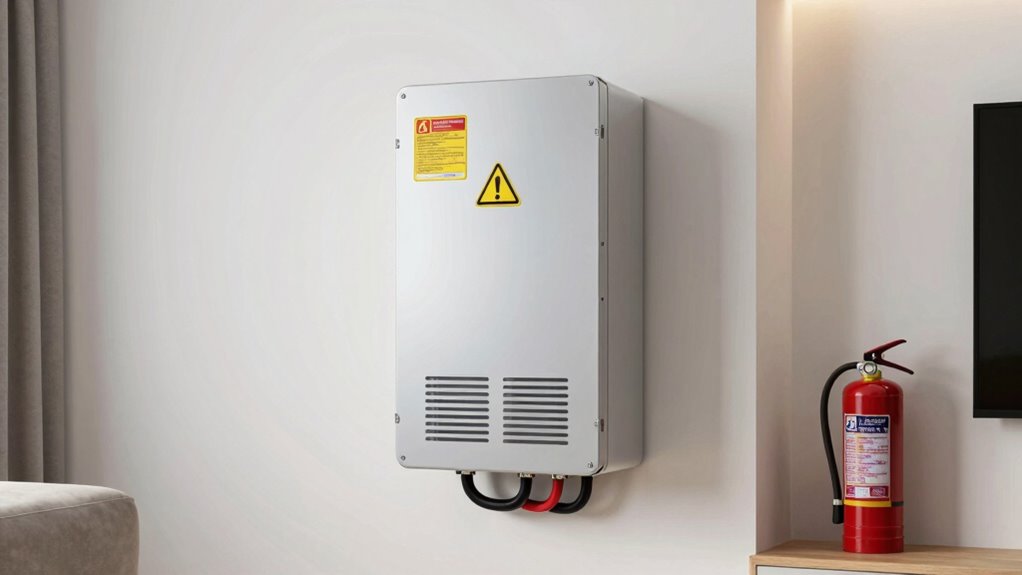
As more homeowners adopt energy storage solutions, prioritizing battery safety becomes essential to prevent accidents and guarantee reliable power. Batteries, especially large home energy systems, can pose significant safety concerns if not managed properly. One of the most critical issues is the fire risk associated with improperly maintained or faulty batteries. Lithium-ion batteries, commonly used in these systems, can overheat, short circuit, or even catch fire if damaged or mishandled. This potential danger underscores the importance of understanding and implementing strict safety measures to protect your home and loved ones.
Prioritize battery safety with proper maintenance and installation to prevent fire risks and ensure reliable home energy.
Effective safety planning begins with understanding the importance of maintenance protocols. Regular inspections are vital to ensure your batteries are functioning correctly and that no damage or deterioration has occurred. These protocols include checking for signs of swelling, corrosion, leaks, or unusual odors, all of which could indicate a problem. Keeping batteries clean and free of dust or debris also helps prevent overheating and reduces the fire risk. Beyond visual inspections, scheduled professional maintenance can identify issues before they escalate, ensuring your system remains safe and reliable. Additionally, understanding the fire hazards associated with battery systems highlights the necessity of proper safety measures. Incorporating safety standards established by industry experts can further enhance your system’s resilience.
Furthermore, understanding the natural properties of batteries, such as how they generate and dissipate heat, can help you better manage their safe operation. Implementing proper safety measures also involves paying attention to installation practices. Ensuring your battery system is installed by certified professionals who follow manufacturer guidelines reduces the likelihood of faults that could lead to fire hazards. Proper ventilation is equally critical, as batteries emit heat during operation. Adequate airflow prevents overheating, which is a common trigger for battery fires. Additionally, installing fire detection and suppression systems near your energy storage units adds a layer of protection, alerting you early and helping to contain any incident. Recognizing the importance of preventive maintenance can further reduce the risk of emergencies.
A comprehensive understanding of battery capacity and the system’s watt-hours can help you select the appropriate size for your home’s energy needs, reducing the likelihood of overloading and potential hazards. You shouldn’t overlook the importance of keeping your system’s firmware and software up to date. Updates often include safety enhancements that can prevent malfunctions and improve the overall safety of your energy storage setup. Educating yourself on the correct usage and safety precautions can also go a long way in avoiding accidents. For instance, avoiding overcharging or discharging batteries beyond recommended limits can significantly reduce fire risk.
Ultimately, your investment in home energy storage is about ensuring continuous, safe power. Prioritizing safety through diligent maintenance protocols, smart installation, and proper operation keeps your system secure. It’s not just about avoiding disasters; it’s about creating a dependable, efficient energy environment for your home. By taking these proactive steps, you safeguard your property and ensure your energy storage system serves you reliably for years to come.
home battery safety inspection kit
As an affiliate, we earn on qualifying purchases.
As an affiliate, we earn on qualifying purchases.
Frequently Asked Questions
How Often Should Home Battery Systems Be Inspected for Safety?
You should inspect your home battery system at least once a year for safety. Regular battery maintenance helps identify potential issues early, preventing hazards. Follow safety protocols during each inspection, such as checking for corrosion, secure connections, and any signs of damage or overheating. If you notice abnormalities, consult a professional immediately. Consistent inspections guarantee your system remains safe, efficient, and reliable, safeguarding your home and loved ones.
Are There Specific Safety Certifications for Home Battery Installations?
Think of certification standards as the lighthouse guiding your home battery installation safely through stormy seas. Yes, there are specific safety certifications for home battery systems, like UL 9540 or IEC 62933, that guarantee safety while preventing battery fires. These certifications verify that installers follow strict safety protocols, reducing risks. Always select certified systems and licensed professionals to protect your home and loved ones from potential hazards.
What Should I Do if I Smell Burning From My Battery System?
If you smell burning from your battery system, act quickly to prevent a fire. First, use smell detection techniques to confirm the odor and identify its source. Then, disconnect the battery system from power to stop any electrical activity. Never try to extinguish a battery fire with water—use a fire extinguisher suitable for electrical fires instead. Prioritize safety, and call emergency services if the smell persists or a fire starts.
Can I Upgrade My Battery System Without Professional Help?
Did you know that improperly upgrading a battery system can increase fire risk by up to 20%? You shouldn’t attempt an upgrade without professional help because it affects your battery capacity and system compatibility. A certified technician ensures the new components integrate safely, maintaining peak performance. Attempting it yourself might lead to damage, safety hazards, or voiding warranties. Always consult with a professional to ensure a safe, effective upgrade.
How Do Weather Conditions Affect Battery Safety in Homes?
Weather risks greatly impact your battery safety by threatening battery durability. Extreme temperatures, like heat or cold, can cause batteries to degrade faster or malfunction. Moisture and humidity may lead to corrosion or short circuits. To protect your system, guarantee proper insulation and ventilation, and avoid exposing batteries to harsh weather conditions. Regular inspections and maintenance help mitigate weather-related risks, keeping your batteries safe and functioning efficiently in any climate.
lithium-ion battery fire suppression system
As an affiliate, we earn on qualifying purchases.
As an affiliate, we earn on qualifying purchases.
Conclusion
Think of your home energy system as a garden, where batteries are the delicate plants that need careful tending. Without proper safety planning, a small spark could turn your well-tended garden into a wildfire. By taking steps to protect your batteries, you’re not just ensuring their health—you’re safeguarding your entire home and loved ones. With vigilant care, your energy garden will flourish, providing safe, reliable power for years to come.
home energy storage system maintenance tools
As an affiliate, we earn on qualifying purchases.
As an affiliate, we earn on qualifying purchases.
As an affiliate, we earn on qualifying purchases.
Evergreen bestsellers Picks
bestsellers
As an affiliate, we earn on qualifying purchases.