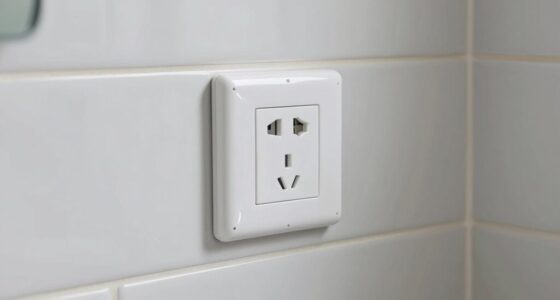
A single faulty or improperly connected grounding component can put your entire home at risk of electrical shocks, fires, or appliance damage. When grounding systems aren’t secure or become corroded, they can’t safely redirect stray currents into the earth, increasing hazards during surges or short circuits. These mistakes might seem small but can compromise your safety and property deeply. Staying informed about common grounding errors can help you prevent costly and dangerous problems—if you continue, you’ll discover how to protect your home better.
Key Takeaways
- Improper grounding connections, such as insecure attachment to the grounding rod or bus bar, can compromise the entire system.
- Bypassing or removing grounding components creates dangerous electrical faults and false safety assurances.
- Using incorrect materials or outdated wiring weakens grounding integrity, increasing fire and shock risks.
- Lack of regular inspections can allow corrosion or damage to go unnoticed, weakening the system over time.
- Weak or faulty grounding links can fail during surges or short circuits, putting the whole home at risk.
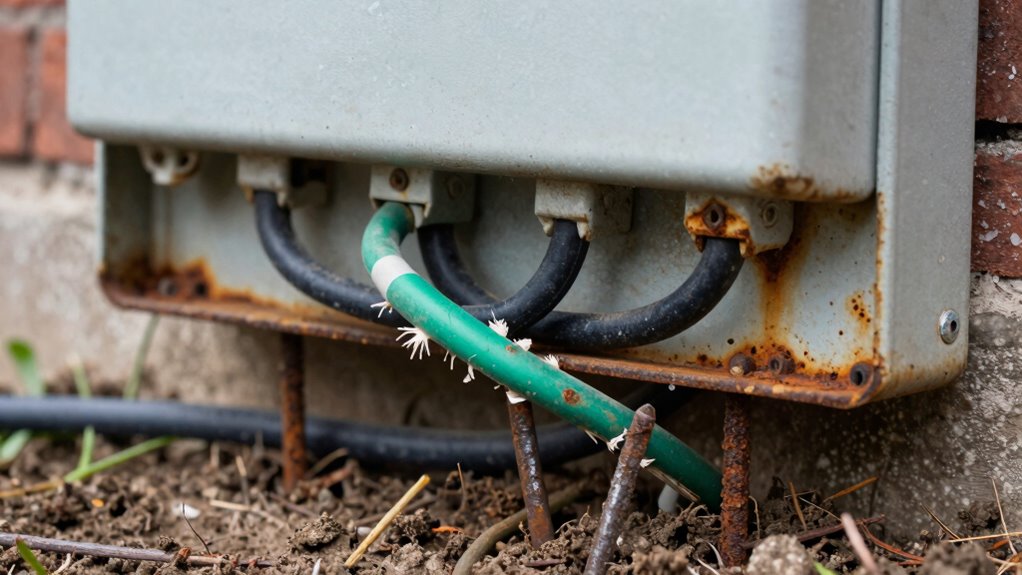
Grounding mistakes can pose serious risks to your home’s safety and electrical system. When it comes to electrical safety, the grounding system plays an essential role in protecting you and your property from electrical faults. If your grounding isn’t done correctly, it can lead to dangerous situations, including electrical shocks, fires, or damage to your appliances. The grounding system is designed to provide a safe path for stray electrical currents to travel into the earth, preventing them from passing through you or your home’s wiring. But even a small mistake during installation or maintenance can compromise this vital safety feature.
Proper grounding is crucial for safety; small mistakes can lead to shocks, fires, and damage.
One common mistake many homeowners or even electricians make is improper grounding connections. If the grounding wire isn’t securely attached to the grounding rod or bus bar, it creates a weak link in the entire system. This weak link means that in the event of a short circuit or surge, the excess electricity may not be safely directed into the ground. Instead, it could travel through your wiring, increasing the risk of shocks or starting a fire. Making sure proper connections is not just about following code; it’s about safeguarding every person and item in your home.
Another mistake involves using the wrong grounding materials or outdated wiring. Over time, corrosion or damage can weaken the grounding system, especially if inferior materials were initially used. If you’re unsure about the integrity of your grounding system, don’t ignore it. Regular inspections by a qualified electrician can identify issues before they become hazardous. Remember, a properly functioning grounding system doesn’t just meet safety standards—it actively prevents injuries and property damage. Proper grounding practices are essential for maintaining electrical safety and preventing hazards. Additionally, understanding the components of a grounding system can help you recognize potential issues early on.
Additionally, bypassing or removing components of the grounding system in an attempt to fix or modify electrical setups is a significant mistake. This can create a false sense of security but actually leaves your home vulnerable. This is why understanding the importance of proper installation techniques is crucial for ensuring the integrity of the entire electrical system. Any alterations should always be done with professional guidance to make certain that the grounding system remains intact and effective. Failing to do so might seem like a quick fix, but it drastically increases the risk of electrical accidents.
In the end, your focus should always be on maintaining a reliable grounding system to protect your home and loved ones. Electrical safety isn’t something to compromise on, and understanding the importance of correct grounding practices can save you from costly and dangerous mistakes. A well-maintained grounding system ensures that in any electrical fault, the excess current has a safe route into the ground, reducing the risk of shocks, fires, and damage to your electrical devices. Never underestimate the importance of proper grounding—it’s the backbone of electrical safety in your home. Proper grounding practices are especially crucial when considering ratings, derating, and spec’ing for data centers, where electrical integrity is vital for safety and reliability.

Klein Tools RT250 GFCI Outlet Tester with LCD Display, Electric Voltage Tester for Standard 3-Wire 120V Electrical Receptacles
CLEAR LCD READOUT: GFCI Receptacle Tester features a large backlit LCD readout for easy voltage reading and clear…
As an affiliate, we earn on qualifying purchases.
As an affiliate, we earn on qualifying purchases.
Frequently Asked Questions
How Can I Identify a Grounding Mistake in My Home?
You can identify a grounding mistake in your home through electrical troubleshooting by checking for grounding safety issues. Look for loose or disconnected grounding wires, especially around outlets and appliances. Use a circuit tester to verify proper grounding, and watch out for frequent tripping of circuit breakers. If your home’s grounding system isn’t clear or seems faulty, it’s best to consult a professional electrician to guarantee safety and prevent potential hazards.
What Are the Signs of Faulty Grounding?
Did you know that faulty grounding accounts for nearly 60% of electrical fires? If you notice frequent electrical shocks, flickering lights, or appliances that turn off unexpectedly, these are signs of grounding safety issues. You might also see scorch marks or a burning smell near outlets. These symptoms indicate poor electrical continuity, risking your home’s safety. Addressing grounding problems promptly helps prevent damage and keeps your home secure.
Who Should Fix Grounding Issues—Electricians or Homeowners?
You should call professional electricians to fix grounding issues, as DIY grounding can be risky and is often based on grounding myths. While it might seem simple, improper grounding can cause serious safety hazards. Electricians have the expertise, tools, and knowledge to guarantee your system is grounded correctly and safely. Don’t rely on DIY grounding, which can lead to costly mistakes and safety risks. Always prioritize professional help for grounding repairs.
How Often Should Grounding Systems Be Inspected?
You should inspect your grounding system at least once every three to five years, like checking the integrity of a crucial safety net. Regular inspections keep grounding safety in check and guarantee compliance with electrical codes. Visualize your home’s electrical foundation, sturdy and secure, ready to protect you from surges or faults. Staying proactive helps prevent hazards, safeguarding your entire household from unforeseen electrical dangers.
Can Grounding Mistakes Cause Electrical Fires?
Grounding mistakes can definitely cause electrical fires because they compromise grounding safety. When grounding isn’t done correctly, electrical faults may not be properly directed to the ground, increasing the risk of sparks and fires. Following electrical codes is essential to guarantee your system is safe, reliable, and compliant. Regular inspections and correct grounding practices help prevent these dangerous faults, protecting your home and loved ones from potential fire hazards.
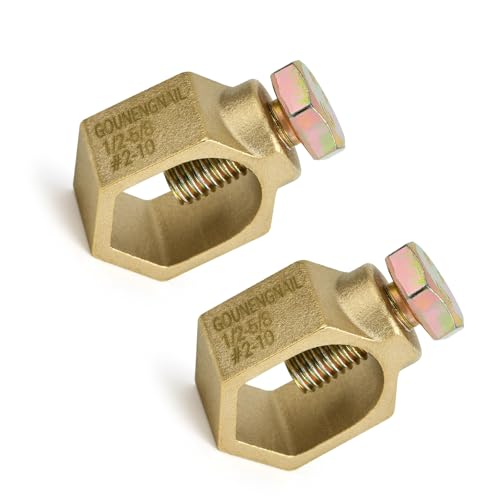
Copper Ground Rod Clamp, Great for 1/2”- 5/8’’ Grounding Rods (2, CP58 (1/2''-5/8''))
Material: Copper ground rod clamp with galvanized bolt, standard duty. Maximum service and conductivity. to provide a solderless…
As an affiliate, we earn on qualifying purchases.
As an affiliate, we earn on qualifying purchases.
Conclusion
Don’t let a simple grounding mistake threaten your home’s safety. Every connection matters, and overlooking even one can lead to dangerous consequences. Are you willing to risk your family’s security over a small oversight? Take the time to verify your electrical systems are properly grounded—it’s a small step that can prevent a disaster. Your home and loved ones deserve the best protection possible. Isn’t it worth the effort to get it right?
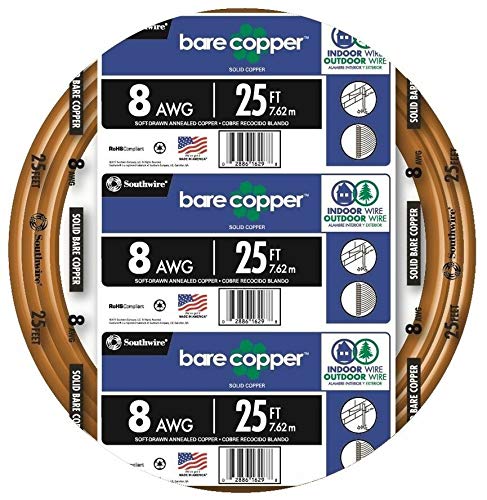
Southwire 8-Gauge Bare Copper Wire – Solid Soft‑Drawn Uninsulated Copper Conductor for Grounding & Electrical Applications, 25ft
Bare copper residential grounding wire for electrical systems before entering home
As an affiliate, we earn on qualifying purchases.
As an affiliate, we earn on qualifying purchases.
Klein Tools RT250 GFCI Outlet Tester with LCD Display, Electric Voltage Tester for Standard 3-Wire 120V Electrical Receptacles
CLEAR LCD READOUT: GFCI Receptacle Tester features a large backlit LCD readout for easy voltage reading and clear…
As an affiliate, we earn on qualifying purchases.
As an affiliate, we earn on qualifying purchases.