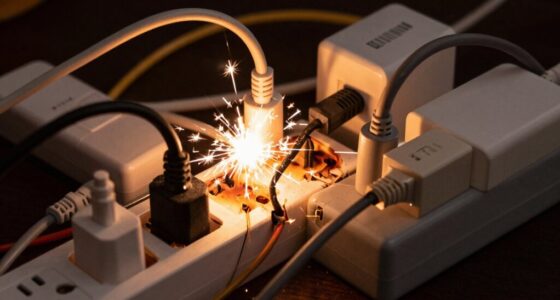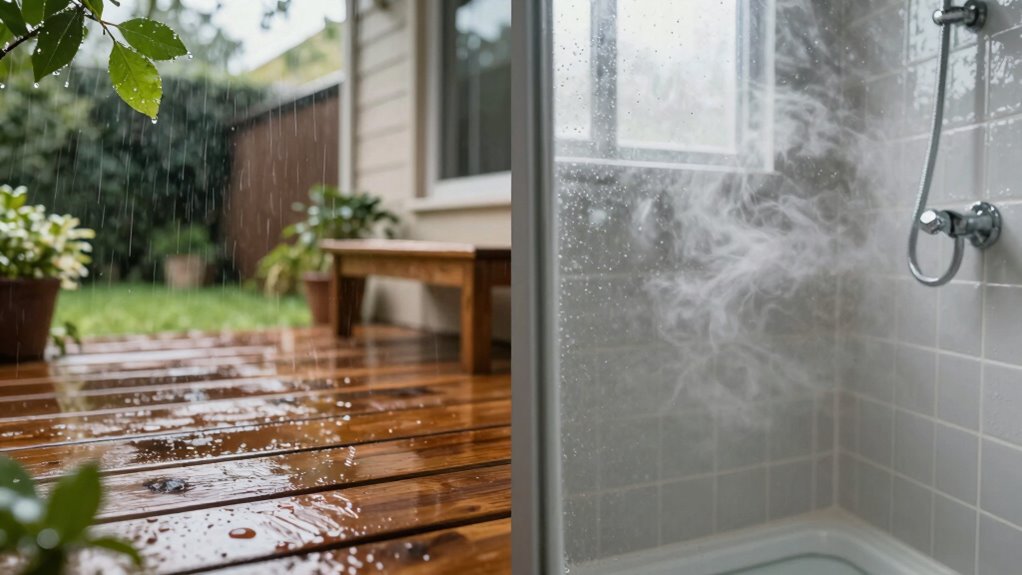

Wet locations have constant or intermittent water exposure, so fixtures need to prevent water from entering and guarantee safety. Damp locations have moisture but no direct water contact, so they require fixtures resistant to humidity but not fully waterproof. The difference lies in how much water or moisture the environment has, which affects fixture design and ratings. Understanding this helps you choose the right fixtures for safety, durability, and cost. If you want to learn more, keep exploring the details.

Get backup power and energy gear delivered free — and shop member deals
- Fast, free delivery on millions of items
- Access to Prime Big Deal Days deals on October 6–7
- Prime Video, Amazon Music and more included
Key Takeaways
- Wet locations involve continuous or frequent water exposure, requiring fixtures with high water resistance, unlike damp locations.
- Damp locations have moisture but no direct water contact, allowing less stringent fixture ratings.
- Wet-rated fixtures prevent water ingress for safety, while damp-rated fixtures resist humidity without full waterproofing.
- Using the correct rating ensures safety, durability, and compliance with environmental conditions.
- Over-specifying fixtures for damp areas can lead to unnecessary costs and complexity.
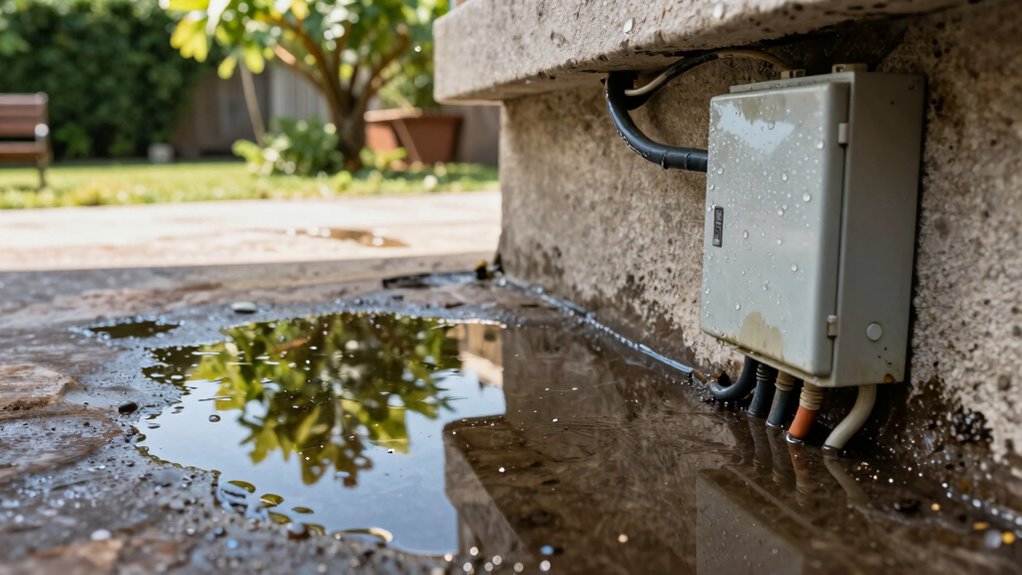
When choosing lighting or electrical fixtures, understanding the difference between wet locations and damp locations is essential for safety and durability. Wet locations are areas where water is present either constantly or intermittently, such as outdoor showers, swimming pools, or exposed outdoor areas. In these environments, fixtures need to be specially designed to prevent water ingress, ensuring electrical safety and longevity. In contrast, environmental ratings determine how well fixtures withstand specific conditions, and selecting the correct rating is crucial for long-term performance. Damp locations, on the other hand, are areas where moisture is present but not directly exposed to water. Bathrooms, covered porches, or basements often fall into this category. While moisture levels are higher than in dry environments, they generally don’t involve direct water contact. Proper fixture ratings are crucial for ensuring safety and performance in these environments. Recognizing the importance of moisture resistance helps in choosing fixtures that will endure the environmental challenges without compromising safety or function. Understanding these differences is key to proper lighting design. When you’re planning your lighting layout, you want fixtures that are rated appropriately for the specific environment. Using fixtures rated for damp locations in a wet area could lead to water infiltration, which increases the risk of electrical shock, short circuits, or fires. Conversely, installing wet-rated fixtures in a damp location might be overly cautious and unnecessary, leading to higher costs without added benefit. By matching the fixture ratings with the environmental conditions, you ensure your lighting design is both effective and safe. Proper selection of fixture ratings also helps prevent corrosion and damage caused by environmental factors, thereby extending the lifespan of your fixtures. Additionally, understanding the differences in environmental ratings can help you make more informed decisions that enhance both safety and durability.
Electrical safety is a critical concern when dealing with moisture and water. Wet locations demand fixtures with high levels of sealing and water resistance, often with protective covers or enclosures that prevent water from reaching electrical components. These fixtures are designed to meet strict safety standards, providing peace of mind and reducing the risk of electrical accidents. Damp location fixtures, while still resistant to moisture, do not require such extreme protections but should still be rated for the specific level of humidity present. Using the correct fixtures helps prevent corrosion, electrical failures, and potential hazards, keeping you and others safe.
wet location outdoor light fixtures
As an affiliate, we earn on qualifying purchases.
As an affiliate, we earn on qualifying purchases.
Frequently Asked Questions
Can a Fixture Rated for Damp Locations Be Used Outdoors?
Yes, a fixture rated for damp locations can be used outdoors because it offers adequate fixture durability and corrosion resistance against moisture. However, make sure it’s specifically labeled for outdoor use, as exposure to direct rain or harsher weather conditions might require a fixture rated for wet locations. This guarantees your fixture maintains its integrity, preventing damage or safety issues caused by prolonged exposure to outdoor elements.
Are There Different Wiring Requirements for Wet Versus Damp Areas?
You’ll be blown away by the differences in wiring requirements! For wet areas, you need top-tier electrical insulation and corrosion resistance to handle relentless moisture and prevent short circuits. Damp locations, however, are a bit more forgiving — standard insulation often suffices. So, yes, wet areas demand stricter wiring standards, ensuring your fixtures withstand relentless moisture, while damp locations allow for slightly relaxed, yet still reliable, wiring practices.
How Does Moisture Level Affect Lighting Safety Standards?
Moisture levels markedly impact lighting safety standards by dictating the need for humidity control and moisture barriers. When humidity is high, these measures help prevent electrical shorts and corrosion, ensuring safe operation. In wet locations, strict standards require fixtures to be sealed and weatherproof, while damp areas might need moisture-resistant components. Properly managing moisture levels and installing appropriate barriers safeguard both your lights and your safety.
Can I Upgrade a Damp-Rated Fixture to Wet-Rated?
You can upgrade a damp-rated fixture to wet-rated, but you need to make sure it meets the proper certification standards for wet locations. Check that the fixture material is suitable for exposure to direct water and harsh conditions. Verify the manufacturer’s specifications and ensure the fixture is properly sealed and rated for wet environments. This guarantees safety, durability, and compliance with electrical codes for outdoor or wet-area installations.
What Are Common Mistakes When Installing Lighting in These Areas?
When installing lighting in wet or damp locations, you often make mistakes like choosing fixtures without proper ratings, neglecting sealant or waterproofing methods, and ignoring manufacturer instructions. These errors can compromise lighting design and energy efficiency, leading to potential damage or safety issues. Always verify the fixture’s rating for the specific environment, follow installation guidelines carefully, and select energy-efficient options to guarantee safety, durability, and peak performance in these challenging areas.
damp rated bathroom ceiling lights
As an affiliate, we earn on qualifying purchases.
As an affiliate, we earn on qualifying purchases.
Conclusion
Understanding the difference between wet and damp locations helps you choose the right lighting for safety and durability. Did you know that according to the National Electrical Code, improper lighting in these areas causes over 20,000 electrical fires annually? By selecting fixtures suited for each environment, you reduce risks and guarantee longevity. Remember, a little knowledge goes a long way—making your space safer and compliant. Stay informed, and always prioritize the correct fixtures for your specific needs.
waterproof outdoor electrical outlets
As an affiliate, we earn on qualifying purchases.
As an affiliate, we earn on qualifying purchases.
As an affiliate, we earn on qualifying purchases.
Fall Picks
fall essentials
As an affiliate, we earn on qualifying purchases.